
Browser extensions leave enterprises open to attack
Despite being present on virtually every employee's browser, extensions and plug-ins are rarely monitored by security teams or controlled by IT and a new report shows that could be leaving enterprises at risk.
The study from LayerX Security combines statistics from real-life usage data from enterprise users, with data available from public extension stores to reveal how organizations and employees interact with extensions, the associated risks and security blind spots.

Browser-based phishing attacks up 140 percent
New research from Menlo Security, based on analysis of more than 750,000 browser-based phishing attacks, shows a startling 140 percent increase compared to 2023, and a 130 percent increase specifically in zero-hour phishing attacks.
Microsoft, Facebook, and Netflix are the brands most commonly impersonated in browser-based phishing attempts. However, generative AI services are also increasingly impersonated with nearly 600 incidents of GenAI fraud identified, in which imposter sites used GenAI platform names to manipulate and exploit unsuspecting victims.

Forget Google Chrome and Firefox, LibreWolf is the privacy focused browser you've been looking for
Are you frustrated by Mozilla’s recent leanings towards putting revenue ahead of privacy? Fans of Firefox who are looking to take their privacy to the next level (and beyond any potential compromises Mozilla might make going forward) should take a look at LibreWolf, available for Windows, macOS and Linux.
LibreWolf is a direct fork from the latest version of Firefox with a raft of additional privacy measures added to make your browsing experience even more private.
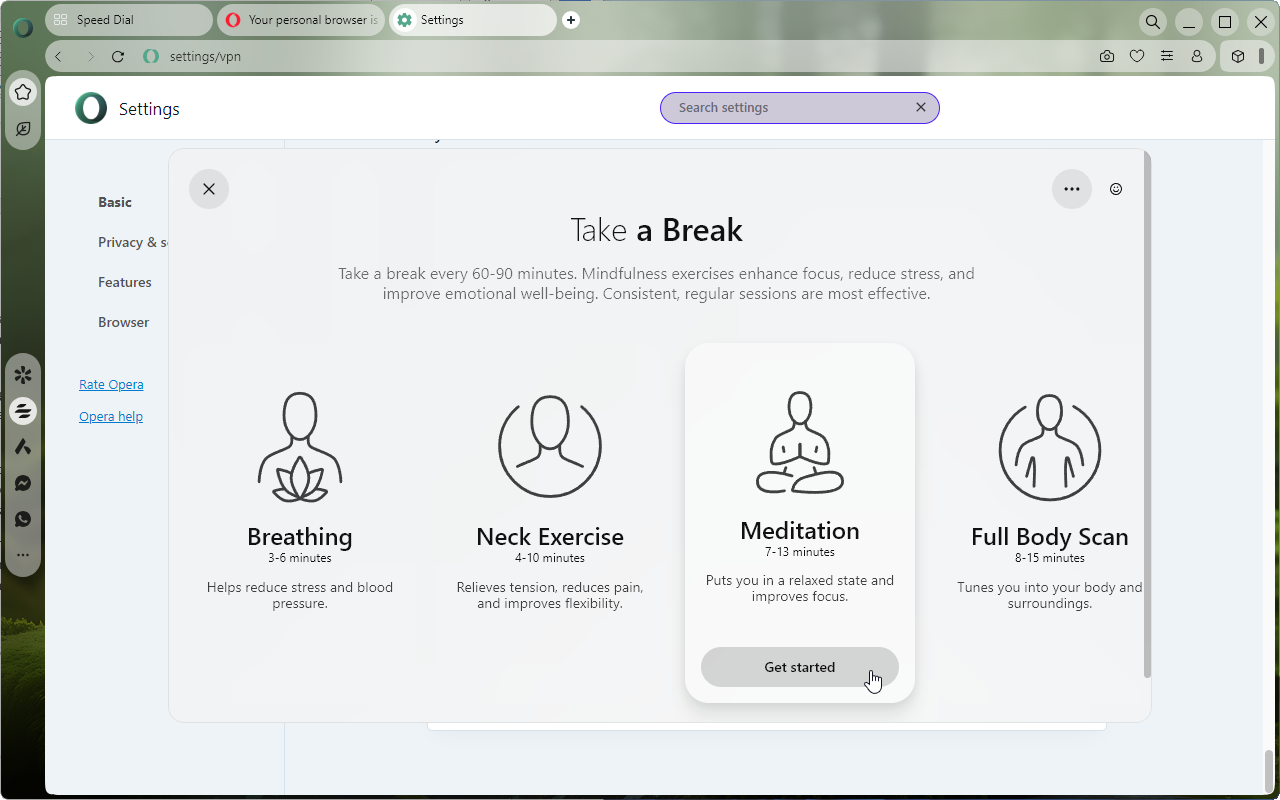
This isn't just a web browser -- it's your new secret weapon for well-being, focus and relaxation
Just how many web browsers does the world need? Norwegian browser specialist Opera thinks the more the merrier. It’s just launched Opera Air Stable 116.0 for macOS and Windows, designed to improve user focus and well-being.
The new release sits alongside the browser’s other offerings, its main Opera browser, and the infinitely customizable Opera GX, aimed at the gamer community.

Threat actors move from email to browsers
New research from the eSentire Threat Response Unit (TRU) shows a shift towards browser-based threats last year as more traditional email malware declines.
Moving onto 2025 the report predicts an increase in politically motivated cyberattacks, with adversaries disrupting the physical infrastructure of the Internet to disrupt internet access. It also expects we’ll see continued growth in ransomware attacks against all industries, abuse of certificate authority, and further increase in browser-based threats to deploy malware.

Malwarebytes Browser Guard gains new identity features
Browser Guard, the free browser extension from Malwarebytes, has added some new features aimed at enhancing users' privacy and protecting their identity online.
Users will now receive a pop-up alert if a website they visit was involved in a recent breach, offering the ability to click and scan their digital footprint to evaluate if private information was exposed.

Stealth mode browser helps spot sneaky phishing attempts
A new zero-trust stealth mode browser is being launched by SlashNext, designed to see through obfuscation techniques commonly used by threat actors, and deliver enhanced protection against phishing and malware.
In recent years, well-intentioned companies offering free services such as CAPTCHA solutions and content delivery networks have inadvertently aided threat actors. For example, Cloudflare's Turnstile Services and similar CAPTCHA solutions are commonly exploited as obfuscation techniques. CAPTCHAs are used to block the crawlers employed by security services from accessing and analyzing phishing sites.

The rise of third-party browser script attacks [Q&A]
Third-party browser scripts are the code snippets that organizations put into their websites to run ads, analytics, chatbots, etc -- essentially anything that isn't coded by the organization itself.
Which sounds innocuous enough, but these scripts are increasingly being used as a vector for cyberattacks. We spoke to Simon Wijckmans, CEO of c/side, to understand how these attacks operate and what can be done to defend against them.
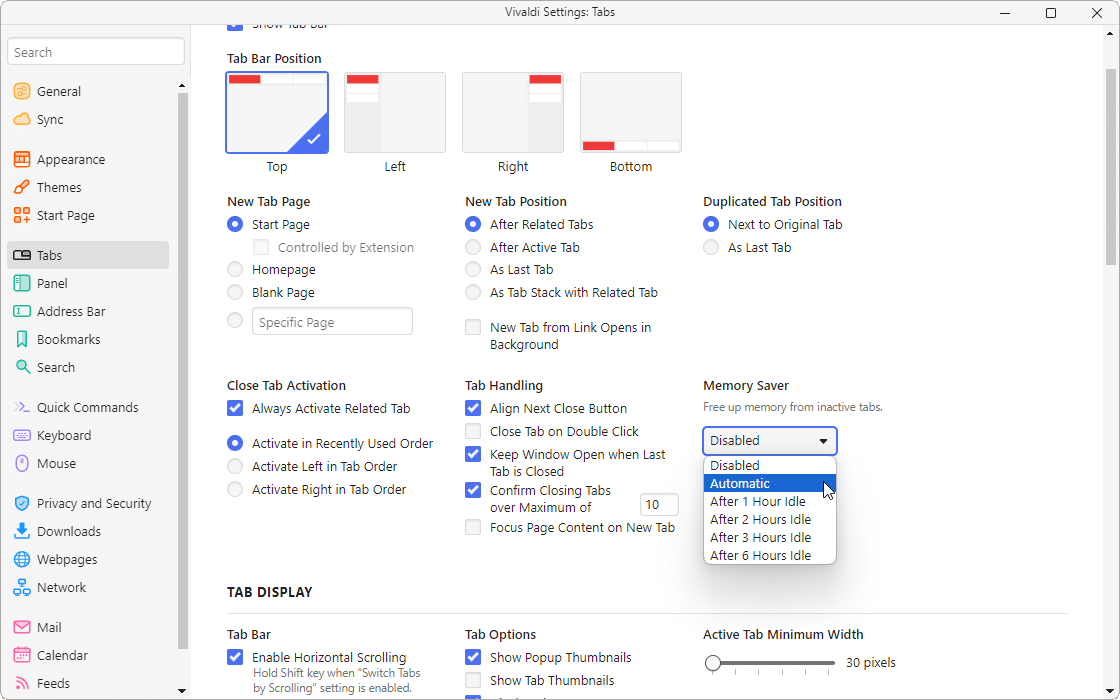
Vivaldi 6.7 debuts Memory Saver performance booster, expands Feed Reader capabilities
Vivaldi Technologies has released the latest version of its free, highly customizable browser with the launch of Vivaldi 6.7 for Windows, Mac, Linux, iOS and Android.
The new release focuses on improving performance through a new Memory Saver feature, but also finds time to add new and improved features to continue its rapid evolution.

New solution secures any browser for the enterprise
With more and more businesses relying on SaaS solutions, securing the endpoint browser is vital. Often this involves enterprises imposing a particular browser on their users rather than allowing a choice.
In a new approach, Menlo Security is launching a complete enterprise browser solution that can turn any browser into a secure enterprise browser.
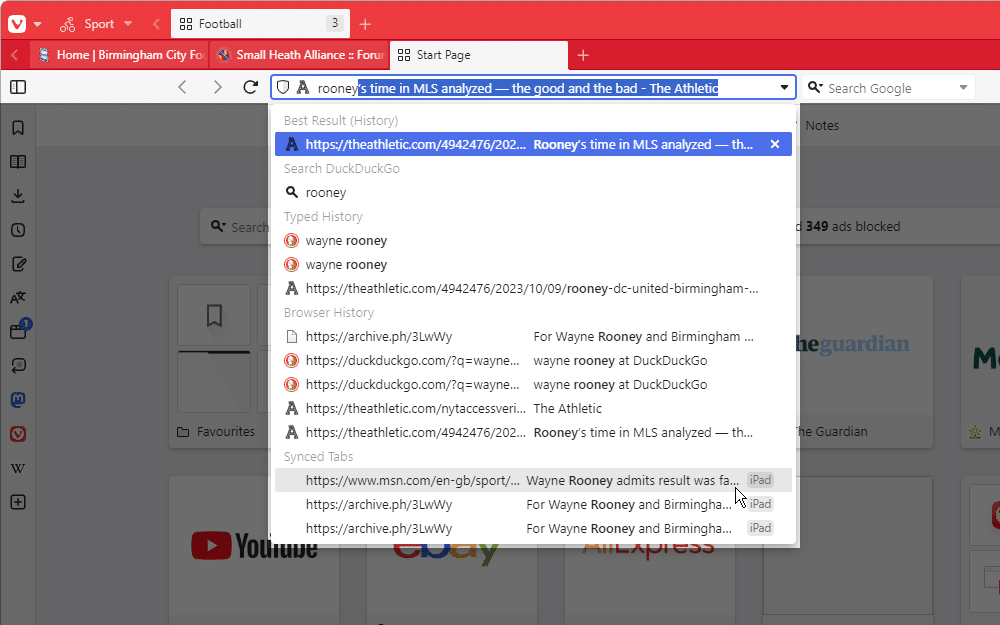
Vivaldi 6.5 adds new Sessions Panel, adds full browsing history to device sync
Vivaldi Technologies has unveiled Vivaldi 6.5 for Windows, Mac, Linux, iOS and Android, a pre-holiday release stuffed with useful new features for both desktop and mobile platforms.
Chief highlights include a new Sessions Panel for organizing saved groups of tabs, plus the added ability to sync the user’s full browsing history across all devices.

Opera GX browser gains a Panic Button -- protecting users from prying eyes
A recent survey conducted by the team behind Opera GX (a version of the Opera browser specifically designed for gamers) found that 36 percent of users admitted to accessing inappropriate content when away from home. 45 percent of respondents also said they’d been discovered by a parent, family member, or partner when engaging in various improper activities online.
To protect users from the embarrassment of being caught viewing inappropriate or non-work-related content, Opera GX, has introduced a new feature called Panic Button.

We tried Brave's AI chatbot Leo: It talks a lot about privacy, but is it truly private?
In early November, Brave, best known for its privacy-focused browser, launched its own AI chatbot called Leo. The chatbot is built into the desktop version of the browser (Brave says it will be coming to mobile soon), and was made available to all users for free. We at AdGuard, always eager to explore new AI-powered tools, and aftertesting Bing AI and playing with others, we couldn't resist the chance to check out Leo and assess its smartness and privacy features.
By default, Leo is found in the sidebar. To summon the genie AI-powered assistant, one simply needs to type 'ask Leo' in the address bar and it will materialize on the right side of the screen.

Chrome password sharing feature makes it easier to share login credentials... with limitations
There are many reasons for wanting to share passwords, and it is surprising -- and also a source of irritation -- that doing so is not easier. But Google is looking to change this by introducing a dedicated password sharing option to Chrome.
Users of the browser will soon be able to use the Password Manager function of the browser to quickly share login details with others. To start with, it appears that Google will limit sharing to people you have added to your Google Family Group, but it is possible that this will be opened up further in future.

Browser extensions are making a comeback in Firefox for Android
Mozilla has issued a notice to developers, saying that it is preparing to launch support for an open ecosystem of extensions on Firefox for Android.
Pointing out that the move will make Firefox the only major Android browser to support such an ecosystem for extensions, Mozilla says everything sound be in place before the end of the year. The change means that it should not be long before Firefox users with Android handsets are able to use more than just the handful of extensions that are currently available.