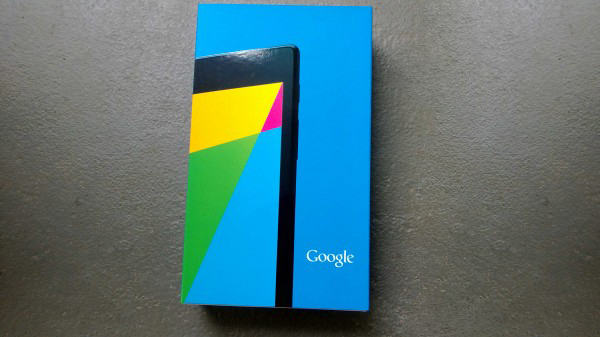
The new Nexus 7: Not your grandfather's Android tablet
"The new Nexus 7 makes my Asus MeMO look pathetic". That is what I told my colleague Joe Wilcox over the weekend. Android, the open source Linux-based mobile operating system from Google can be found in many places -- cheap no-name tablets run the OS, but should be given a wide berth. Big name hardware makers also produce these gadgets -- Samsung and Sony to name just two. However, the most prominent on the market in recent times has been the Nexus 7, the pure Android experience from Google (but built by Asus), and the Kindle Fire HD, Amazon's highly customized tablet.
In the past, regardless of my liking for pure Android, I would have chosen the Amazon device in a heartbeat. It's thinner and has a better screen, plus Prime customers, like myself, have easy access to the retail giant's streaming video library. However, my view changed this past week, as Google rolled out its latest version of the Nexus 7.
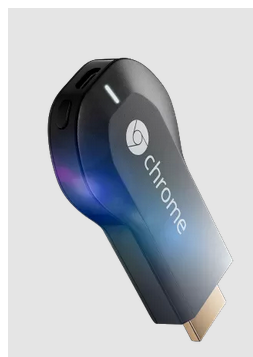
Google Chromecast already hacked
When I spent $35 on the new Chromecast, I expected that it would eventually be hacked. Truth be told, the possibility of tinkering with the device was a big factor in my purchase. However, I never expected it to be exploited so quickly. Today, GTVHacker announces that they have successfully hacked and rooted the media device.
According to the exploit authors, "...Google was kind enough to GPL the bootloader source code for the device. So we can identify the exact flaw that allows us to boot the unsigned kernel. By holding down the single button, while powering the device, the Chromecast boots into USB boot mode. USB boot mode looks for a signed image at 0×1000 on the USB drive. When found, the image is passed to the internal crypto hardware to be verified, but after this process the return code is never checked! Therefore, we can execute any code at will".
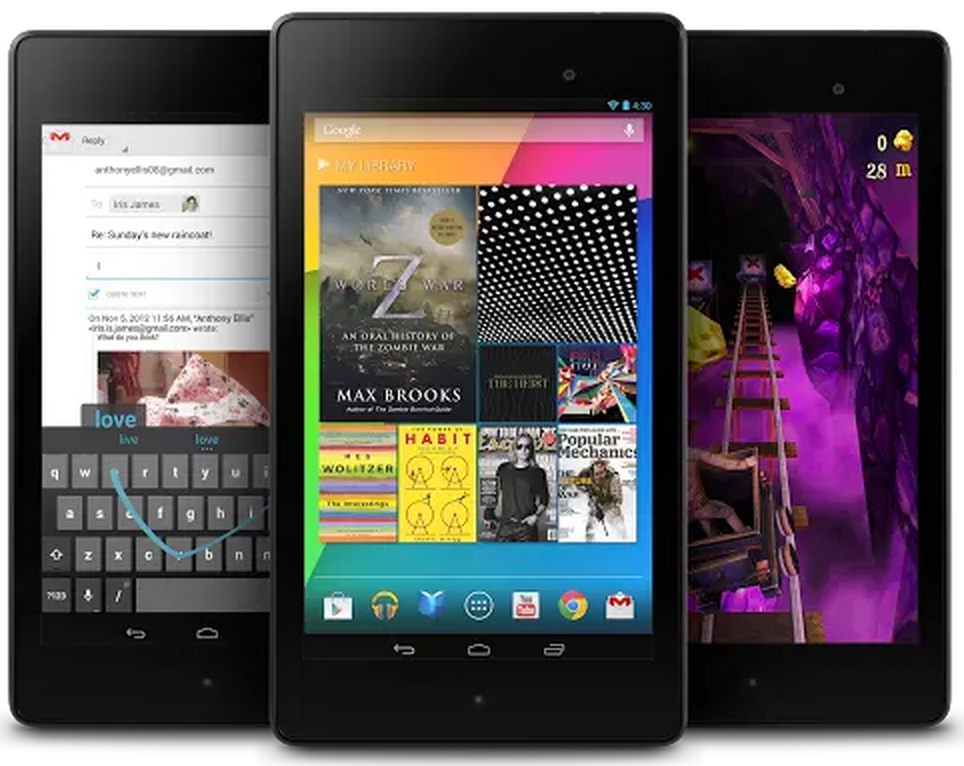
Nexus 7 wins, iPad mini loses
Rest in peace, iPad mini. Google killed you. The question then: Is it murder or manslaughter -- or justified homicide, putting the Apple tablet out of our misery?
Three days using the new Nexus 7, I can't imagine why Apple let Google, and partner ASUS, seize back-to-school buying with the tablet. I don't refer just to the instrument of destruction but the means. The 2013 edition is widely available through major US retailers, including Amazon and Best Buy. By all indications there is inventory to meet demand, not the typical supply shortages, although the 32GB WiFi model is unavailable this weekend from many retailers -- but Google Play is stocked.
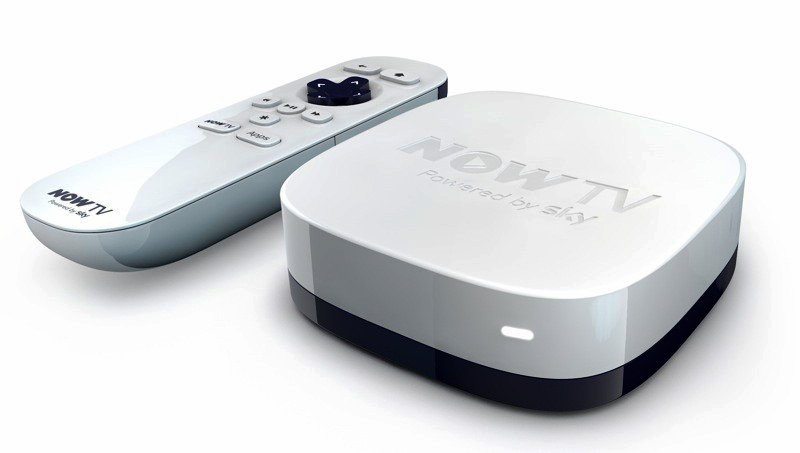
Now TV box is cheap alternative to Apple TV for UK viewers, but with a catch
Like the idea of Apple TV but feel the hardware is a little expensive? Today Sky releases its Now TV Box to UK fans for the ultra-low price of £9.99. This is significantly cheaper than Apple's flagship streaming device, and even manages to undercut Google's Chromecast. With the price tag including not just the device itself, but also delivery, there's got to be a catch, right?
The WiFi streaming box provides access to on-demand content from the broadcasters such as Sky, BBC and Channel 5, including sports and movies. There's also the option of using apps such as Spotify and Facebook to transform a regular TV into a smart TV. So far, so couch potato.
Google Chromecast -- greatness in its infancy [Review]
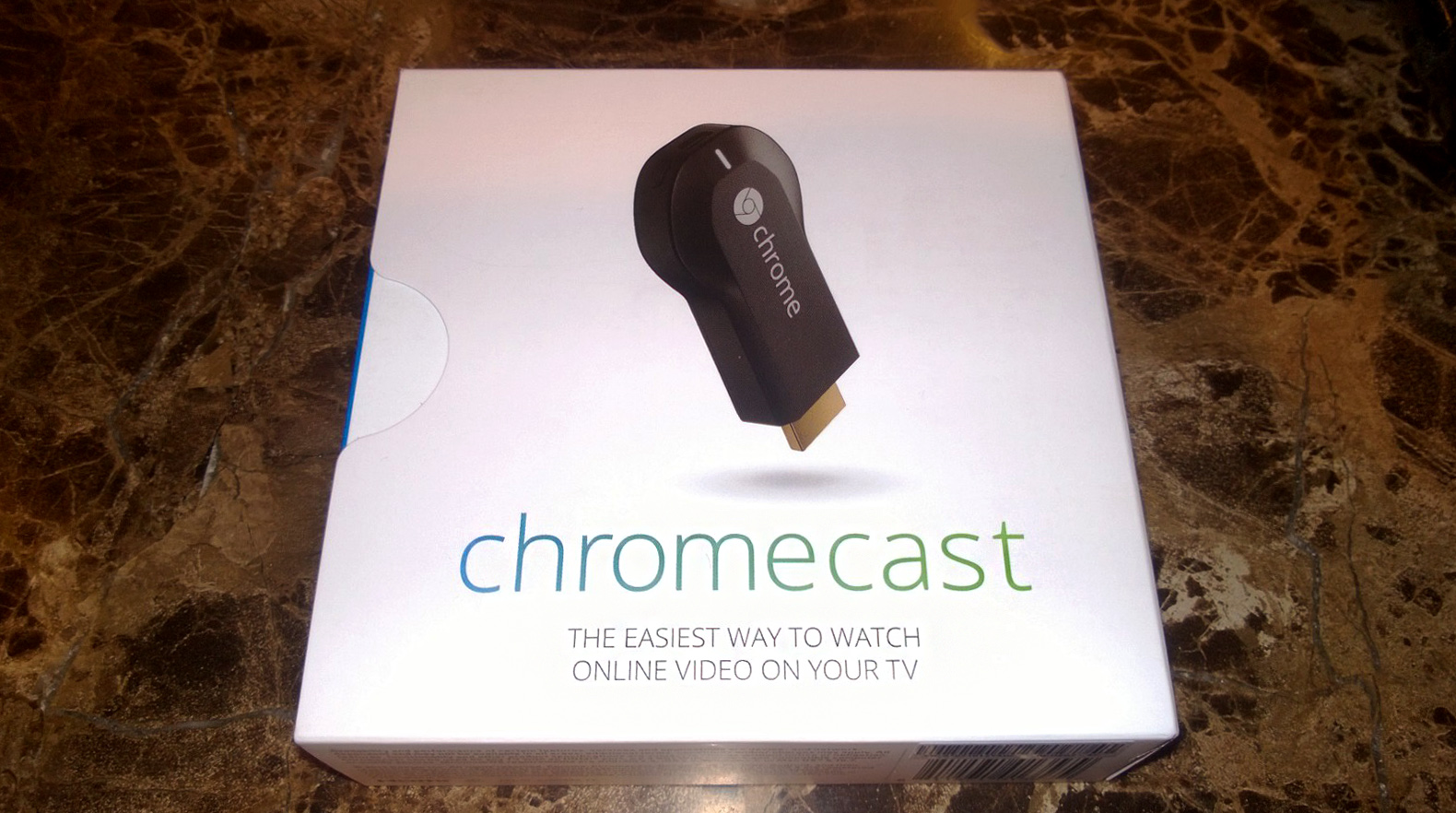
Consuming digital media can be an overwhelming affair nowadays. There are too many devices on the market that do similar things but in different ways. There is the Apple TV, Roku, Blu-Ray Players, smart TVs and more. When Google announced the Chromecast, I was a bit skeptical -- surely I didn't need yet another device. However, the low price of the product ($35) and the fear of it selling out caused me to order it anyway.
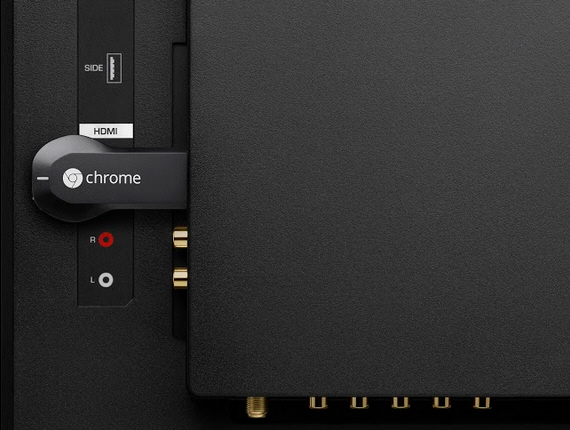
When it arrived, I was shocked by just how small the packaging was. Upon opening the little box (OK, tearing into it) I was presented with the Chromecast. The device looks like a very fat flash-drive with an HDMI plug instead of USB. Also in the box was an HDMI extender cable, micro-USB cable and AC power adapter.
Google Chromecast -- Fabulous product or fabulous demo?
Yesterday Google announced a product called Chromecast -- a $35 HDMI dongle that’s essentially YouTube’s answer to Apple TV. While the event was more Googlish than Applesque (the venue was too small, the screens were too small, the presenters weren’t polished, and as a result the laughs and applause didn’t come) the product itself was astonishing -- or appeared to be.
The press picked-up on the most obvious headline item in the announcement -- the $35 selling price which drops to $11 if you factor in three months of free Netflix per dongle even for existing Netflix customers (now sadly dropped). That’s like Google attaching an $8 bill to every Chromecast -- something Apple would never do.
Google Translate adds handwriting support and tries to make sense of your scrawl
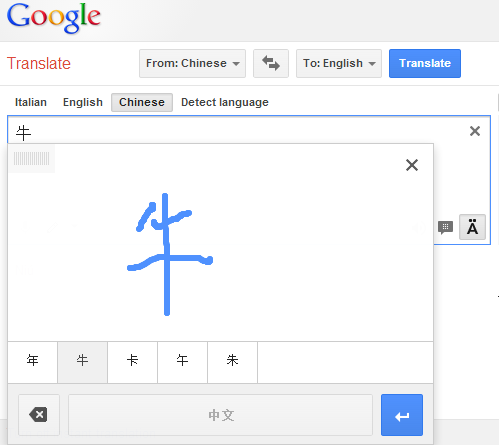
Why type it when you can write it? Google Translate users can now scribble symbols using a new handwriting input tool. While this is unlikely to be a faster option for translating a lot of languages, it does prove useful for inputting certain foreign characters. Want to find out what that Russian or Chinese phrase means? Don’t bother trying to work out how to input these characters via your keyboard, just draw them.
This is an option that has been available to users of the Google Translate Android app for a little while, but it's now also available to desktop users. Things are a great deal easier if you have access to a graphics tablet, but the onscreen handwriting input panel can also be used in conjunction with a mouse.
Google aims for TV everywhere, Netflix rides along
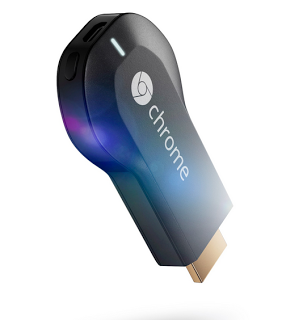
Google is dreaming big, but those fantasies are no larger than ones held by cord-cutters everywhere. We wish for TV without the cable or satellite and services like Hulu, Netflix, Amazon Prime and others aim to deliver the experience. Now Google tosses its own hat into the ring.
"Today, with the launch of Chromecast and the new Nexus 7 tablet, it’s even more effortless to enjoy content you care about—whether it’s video, music, movies, games—wherever you are, across your devices".

Google adding textbooks to the Play Store
While most people associate Android with text-messages, Google hopes you will think of it in another "text" aspect too -- textbooks. Today, Google announces that it is bringing textbooks to the Play Store. The company has partnered with all five major textbook publishers -- Cengage, Wiley, Pearson, McGraw-Hill and Macmillan.
This is a huge win for students, as they will no longer have to carry a large backpack full of books (chiropractors should be worried). Google will also be giving students' wallets some relief -- while they can buy textbooks at normal price, they can also rent them for six months at up to 80-percent off.
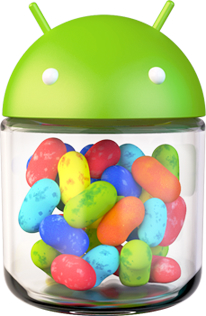
Google announces Android 4.3 -- 'a sweeter version of Jelly Bean'
Android users have been patiently waiting for a new version of their favorite mobile operating system for some time. Many were disappointed that a new update was not unveiled at the Google I/O conference. But finally the wait is over as today Google announces Android 4.3, which the company calls "a sweeter version of Jelly Bean". Diabetics need not worry; it will not increase glucose levels, only new features!
Unfortunately, those of you who watched today’s Google Event, will already know that the announcement was slightly lackluster. Many of the new features are developer focused -- actual users don't gain very much to be excited about.
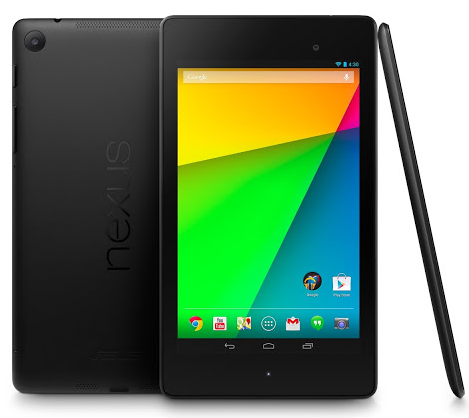
Google unveils the new Nexus 7
In what may have been one of the poorer kept secrets in tech, Google today took the wraps off the brand new Nexus 7. Unfortunately for the search giant, Best Buy won the race, by placing the new tablet up for pre-order early this morning. The device became official shortly thereafter, as Google held its breakfast event with Android chief Sundar Pichai.
"Together with ASUS, we took what you loved about the original Nexus 7 and made it even better," the company states in its official announcement. "The first thing you’ll notice is the sharpness of the screen: the 323 pixels packed into every inch of the screen makes it the world's highest-resolution 7-inch tablet. It’s lighter than ever, with more than nine hours of HD video playback and 10 hours of web browsing or reading. Nexus 7 now features stereo speakers and virtual surround sound from Fraunhofer (the inventors of the MP3 format), giving you rich and immersive audio".
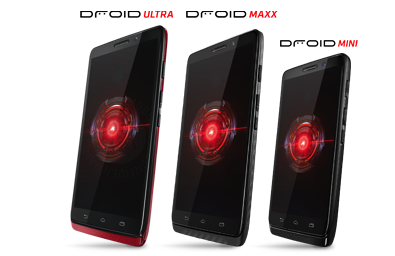
Motorola announces a trio of flagship Android smartphones
In the classic children’s story "Goldilocks and the Three Bears", the protagonist encounters a family of three bears. The three are distinctly different and are described as a father, mother and baby. Yesterday, Motorola and Verizon followed in Goldilocks’ shoes and announced a family of new Android phones for the famous "Droid" line -- Droid Maxx (father), Droid Ultra (mother) and Droid Mini (baby).
By offering three different devices, Motorola hopes that much like Goldilocks, the consumer will find one that is "just right".
Watch Google’s 'mystery' product announcement live
Google is making an announcement regarding a new device today. No one outside of the giant tech corporation has any clue what it might be. No one I tell you. Not a single solitary person anywhere. Except maybe Best Buy.
Of course that leak might just be a total co-incidence. Google could in fact be preparing to announce Hat -- a mind reading/recording device for the head. Or something entirely different.
Google extends its cloud printing service to Windows
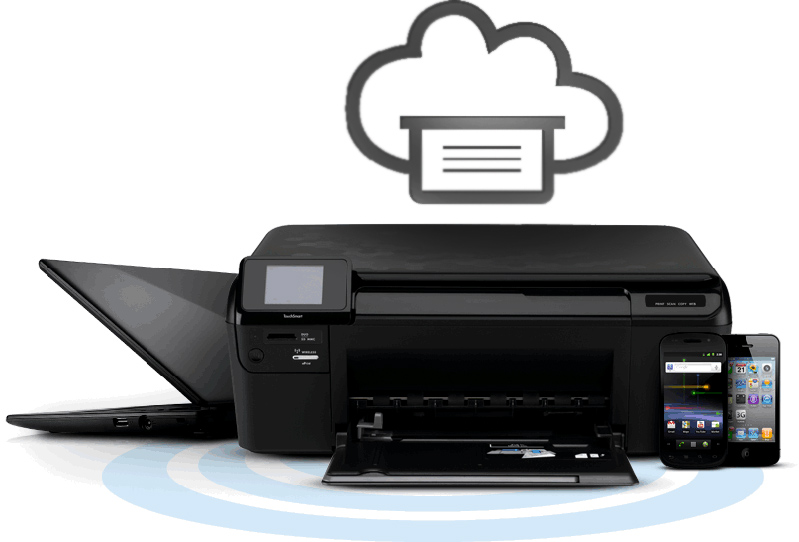
Google has updated its Cloud Print service, adding full support for Windows (XP, Vista and 7, anyway) and making it easier to share printers.
Cloud Print was first made available in 2011, and essentially allows you to access your printers from phones, tablets, PCs and more, wherever you happen to be. The service has previously been accessible via Chrome, but this new release makes it available to any Windows desktop application.
New Nexus 7 pops up at Best Buy for pre-order
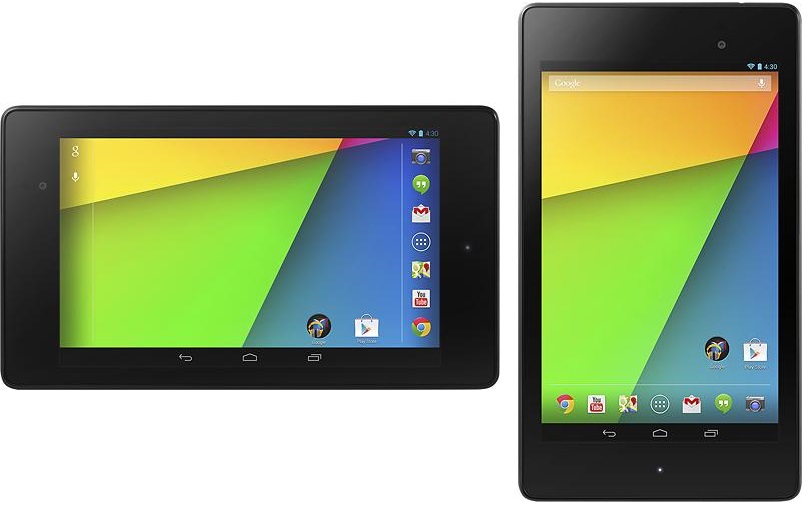
The next-generation Google Nexus 7 surfaced at Best Buy, with complete specifications, price and photos. Interested buyers can pre-order the new tablet, which is available in both 16 GB and 32 GB storage trims, and, presumably, receive it after the search giant officially unveils its latest slate (which should not be too far away).
According to the details revealed by the US retailer, the new Nexus 7 arrives with some pretty impressive hardware under its dark-colored shell, and runs Android 4.3 Jelly Bean (which, like the slate, has yet to be officially announced by Google). The price? Well, the 16 GB version runs for $229.99, while its 32 GB counterpart goes for $269.99.