
Switching from Google to Microsoft, part 3 -- A positive Outlook.com
As someone who switched from Hotmail to Gmail in 2004 and then never looked back, moving to Outlook.com has been quite a weird experience (setting it up was fun in its own right). Some people hate Gmail’s interface, but if you’re used to it, using anything else seems odd.
That said, I’ve adapted to Outlook.com pretty quickly. It feels a bit like going back in time, using an interface similar to the ones I used in the past, but it doesn’t feel dated -- quite the opposite actually -- and I’ve grown to really like it in the short period of time I’ve been using it as my email service.

What Facebook Home means to Apple and Google
How important is Facebook really? The answer may come soon after April 12, when the social network releases Home to Google Play. The Android add-on usurps the homescreen, putting interactions/people first and pushes apps to the background. This, ah, Home invasion means potential trouble for Apple and Google, but in vastly different ways. Apps anchor both their platforms, curated content and the digital lifestyles users adopt. Facebook bets that between the choice of both ways, human relationships matter more.
For either the fruit-logo company or search and information giant, another question is perhaps more significant: Is Facebook's mobile experience already good enough? Related: Do most users want to be enmeshed in a constant stream of social updates and interactions most of the time? Affirmative answer to either, or both, spells trouble for the platform developers but most worrisome for Apple, for which Facebook Home affronts and condemns the entire business model.

Backupify launches additional cloud-to-cloud backup tools for Google Apps
Backupify is introducing an enhanced set of backup and recovery features designed to support its core offering for enterprise-level organizations on Google Apps. The "Spring Release for Google Apps" includes tools built to offer more efficient ways for administrators and end-users to manage their backups within larger organizations.
The update, which builds on the Winter Release launched last December, adds the following advanced data recovery and admin controls:

Mozilla and Samsung team up to kill Chrome mobile
Say, Google, do you feel a sharp burning sensation in your back? That's the knife Samsung just plunged in. Ouch! The twisting motion must really hurt.
Mozilla and Samsung are collaborating on a new mobile web browsing engine, Servo, which success would offer huge benefits to both companies. Apple and Google dominate mobile devices with their respective WebKit browsers, largely shutting out Firefox from the most important device category since the PC. Incumbency is an advantage, with browsers preinstalled on Android and iOS. Users must download rival products, and many don't. Meanwhile the South Korean electronics giant accounted for nearly 43 percent of all Android smarthphone sales in fourth quarter, according to Gartner. The company controls the broader user experience via TouchWiz UI, but Google controls the browser.
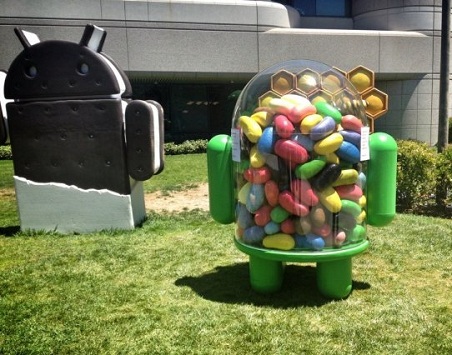
Jelly Bean closes in on Ice Cream Sandwich
Jelly Bean may be the newest sweet in the family, but it is steadily gaining ground against its older brothers. Combined, Android 4.1 and Android 4.2 reached a 25 percent distribution level in the green droid realm, based on the number of devices accessing Google Play during the 14 days ending April 2.
Starting this month, Google has decided to alter how the data is collected. Google says: "Beginning in April, 2013, these charts are now built using data collected from each device when the user visits the Google Play Store. Previously, the data was collected when the device simply checked-in to Google servers". Why? Because the company considers the new collection method to be more accurate and that it best represents "users who are most engaged in the Android and Google Play ecosystem".
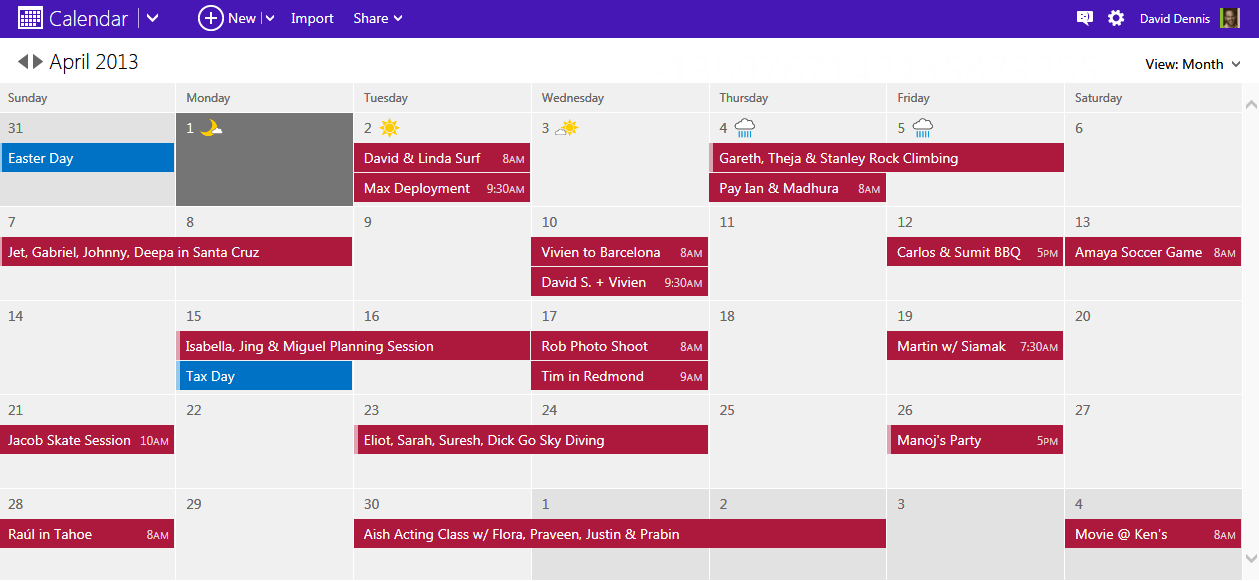
It's about time! Microsoft's consumer cloud calendar gets a new Outlook
Windows Live Calendar (there's supposed to officially be "Hotmail" in there) is dead -- or soon will be. Today, Microsoft started rolling out the replacement for Outlook.com users. I've got the old one still, which is why the not-quite-lifeless-yet reference.
There's some kind of aspirational, Apple-like promotion going on here. "The Outlook.com calendar has been entirely redesigned with a modern, intuitive interface that puts you in control of your schedule", David Dennis, Microsoft's Outlook.com Calendar principal program manager lead, beams. Yeah, baby, put me in control. Gimme the mouse clicker.
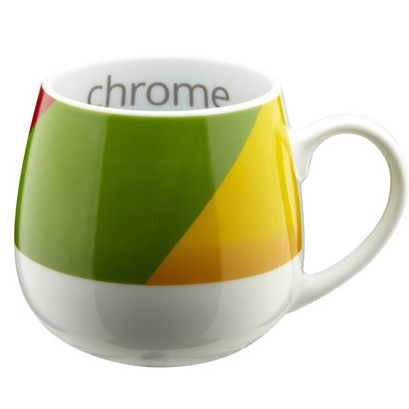
Google Now for Chrome not now but very soon, latest browser build reveals
Back in March, which was not so long ago, we learned that the Android feature that is all the rage would likely come to Chrome the browser and operating system. François Beaufort uncovered code that seemed to confirm the coming inclusion of Google Now, as Beaufort seems to uncover everything -- to the point where the search ginat recently threw up its proverbial hands in frustration and finally hired the man.
That day has arrived...in a manner of speaking. The latest build of Chrome Canary, the developer channel version of the browser, has hit the streets and version 28 comes with the initial framework for Now integration.

Aye me hearties, Google now lets you search for treasure!
Google really embraces 1 April and some of its fools are excellent. This year’s highlight, for me, is a new Treasure Hunting mode in Google Maps (I’m currently using Bing for all my mapping needs, but I had to switch back to Google just to try this).
According to the search giant, "Treasure Maps is our Beta Maps technology and has certain system requirements. Your system may not be able to display at higher resolutions than paper print. Take care when unfolding the map to avoid ripping it".
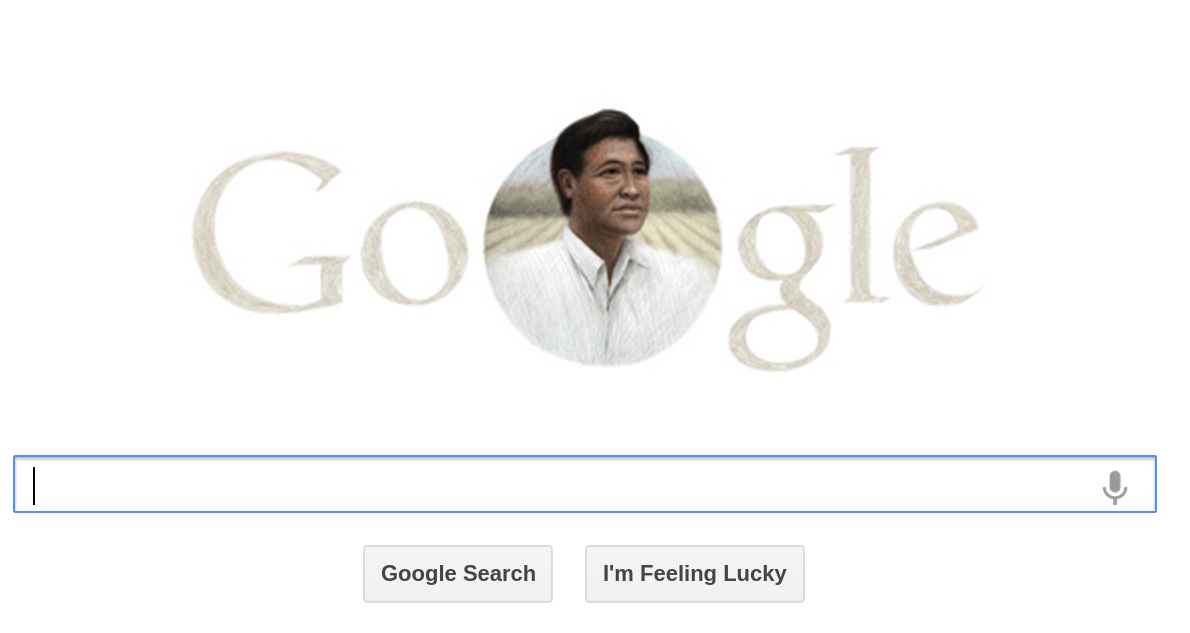
Between Easter and Cesar Chavez, Google chooses the labor leader
In what will surely be viewed as a controversial, yet likely politically correct decision, today the Google homepage is running with a Doodle portraying deceased labor leader Cesar Chavez, in honor of what would have been his 86th birthday. Chavez passed away back in 1993, but his work and memory have lived on. In 2011, President Barack Obama proclaimed March 31 as the official Cesar Chavez day.
While the Easter holiday is celebrated by Christians around the world, the holiday is just that -- one religion only. On the other hand, I think we can all, no matter what your denomination, relate to an activist farm worker who stood up for the civil rights of humans of all backgrounds.
I'm sick of being a Google+ lab rat
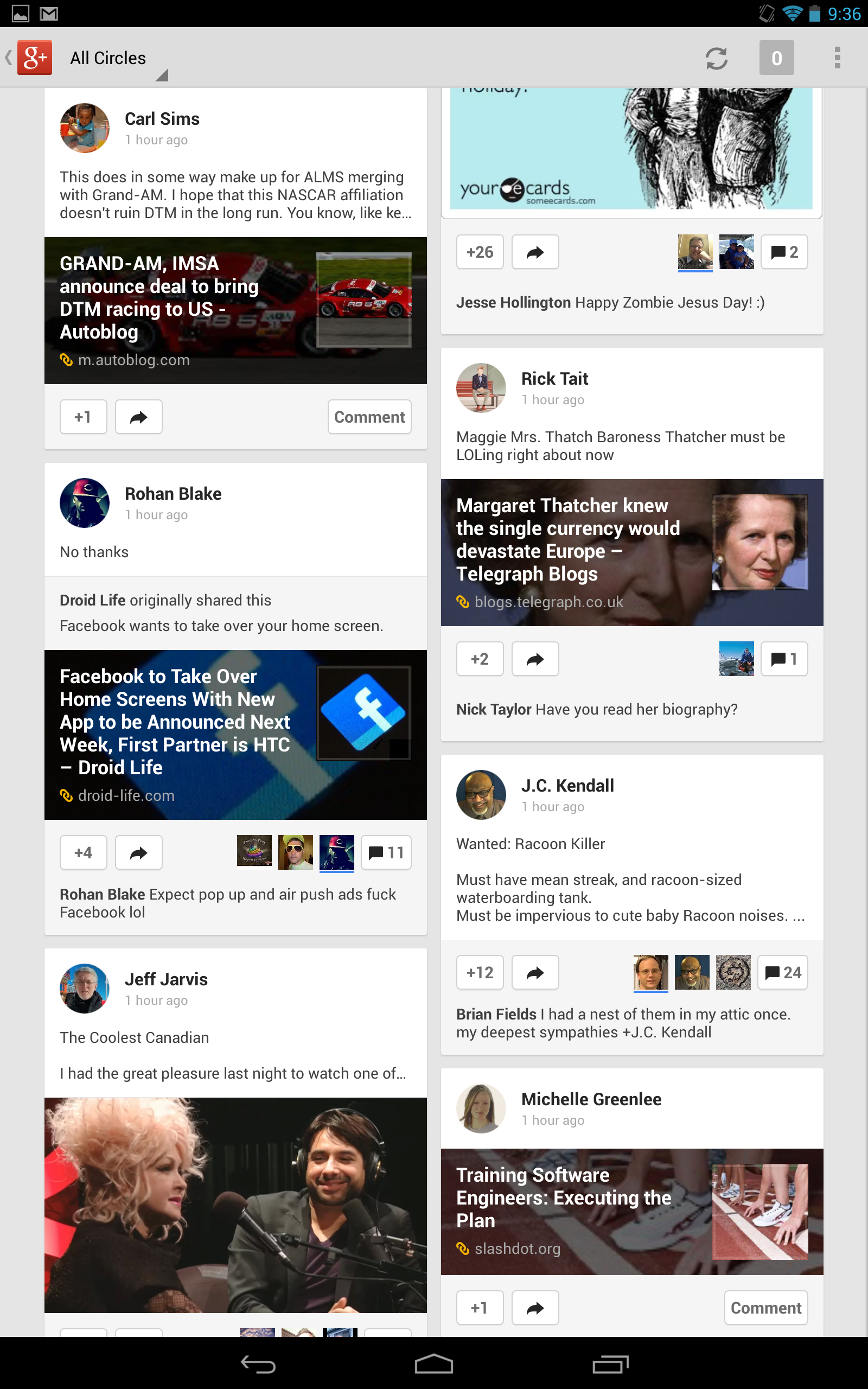
Complexity creep is ruining Google's social network, much like Facebook before the recent, and quite exciting, redesign. I use G+ mainly on mobile devices, and that experience is in the outhouse -- and, whew, does it stink -- following this week's app update. Just four days ago. It seems like four years. My use of the service has collapsed. There is too much clutter, too much distraction. The user experience on Nexus 10 is analogous to going from a vast, wide-open forest to thicket and bramble.
But the larger problem is change, change, change. Google constantly modifies the Plus user interface -- experiments really -- and users are lab rats.

Android 4.2.2 factory images available for Verizon Samsung Galaxy Nexus
One month after Android 4.2.2 started to roll out into the wild for Nexus devices, the latest treat in the candy jar has also arrived on the Verizon-branded Samsung Galaxy Nexus. To complete the cycle, Google also updated the factory images for the handset to the latest green droid iteration.
The factory images can be used by Galaxy Nexus users to update their handsets to Android 4.2.2 Jelly Bean, restore the software to the factory default settings, return to the stock green droid flavor after running a custom distribution, or update the radios, among other purposes.
Google brings new compose message box to all Gmail users, like it or not
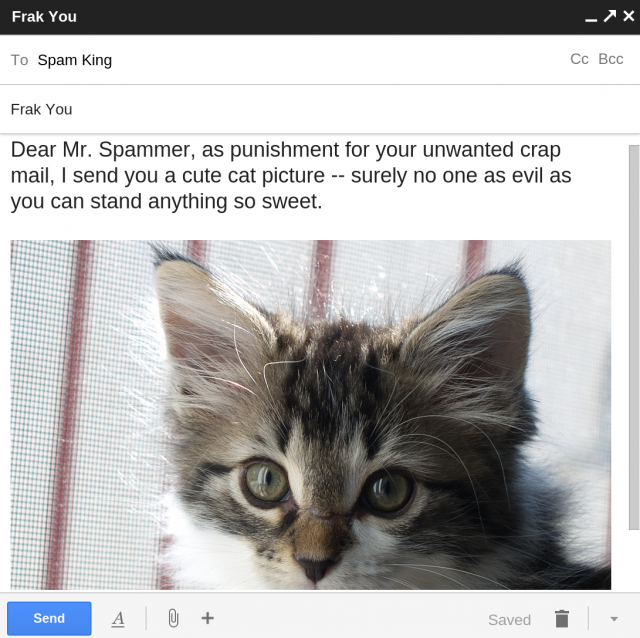
Say, you know that new pop-up compose message box Google introduced last autumn. You don't? Well, get ready. Gmail is giving the ditty to everyone, whether or not wanted. That's what it looks like, in photo right.
"The new compose will be rolling out to everyone over the next few days", Phil Sharp, Gmail product manager, says. I've used the thing since October, in a sort of love-hate thing. On a laptop working in Chrome -- even better, on Chromebook Pixel -- the new compose box is great. On Surface Pro, using Internet Explorer 10 from Modern UI, the thing is unusable. The box flicks up and down from the bottom of the screen.
Google TV PrimeTime adds Amazon Prime, HBO GO and Netflix subscriptions
I love Amazon Prime. If I had a Kindle I would probably love it even more, if that were possible. Over the past two weeks I have also come to love my new Google TV, which has taken over our living room, with control of the DirecTV DVR and apps thrown in to boot. One of those apps is Amazon and I use it quite often, keeping a string of movies and TV shows in my watch list.
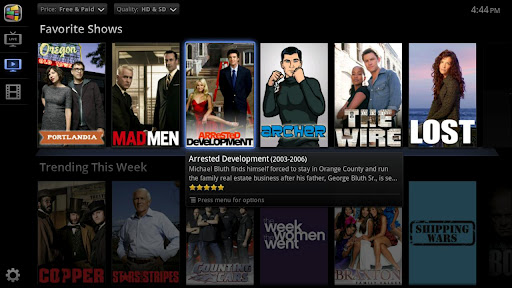
Now the Google PrimeTime app for Google TV has been updated to version 1.4.3-43-79424. This innocuous little name actually comes with a huge feature update. Not only has Amazon Prime content been rolled into the service, but you can control it and Netflix and HBO GO subscriptions from within the app as well.

Google Translate for Android speaks your language, even while offline
¡Hola! Many of us use Google Translate, some on a daily basis. For instance, I follow a few blogs in Reader (a moment of silence please) that are published in languages that are foreign to me. For the most part it works well, but can also lead to some rather amusing results. Now you can get those same laughs from your Android phone, even when you are offline.
Today Google's product manager Minqi Jiang announces that the search giant and mobile operating system developer is "launching offline language packages for Google Translate on Android (2.3 and above) with support for 50 languages, from French and Spanish to Chinese and Arabic".

Post-PC era is REAL for U.S. Apple users
Today, comScore started a new service that ranks the top U.S. websites by desktop and mobile views -- the latter is a new measurement. Some of them really pop off the chart, with Apple glaring among traditional companies. More than one-third of unique visitors in February accessed the site via mobile device-only. That compares to 5 percent for Microsoft properties. Analysts, bloggers and journalists often portray the fruit-logo company as best representative of the so-called Post-PC era, and Windows' maker the epoch in decline.
The numbers aren't shocking, if you think about them. Windows has little presence on smartphones or tablets. Microsoft mobile OS smartphones share was just 3 percent during fourth quarter, according to Gartner. IDC forecasts Windows tablet market share, based on unit shipments, will be less than 5 percent this year. By comparison, iOS has greater reach, with, according to the company, cumulative shipments exceeding 500 million. Hell, Apple sold 43.5 million iPhones just in Q4, according to Gartner.