Microsoft working to bring open source VP9 HD codec support to Edge
The technology may exist that allows for ultra-fast transfer of very large files, but the efficient storage of data remains important in many circumstances. Streaming video is one area in which efficiency is particularly important, and the codec used to encode footage has a large bearing on performance.
With the launch of Windows 10, Microsoft took the opportunity to unleash a new web browser on the world -- Microsoft Edge. Today the company reveals that it is working to bring WebM/VP9 to the browser. Initially destined for Windows Insiders in Windows 10 Preview builds, VP9 support will improve Edge's ability to stream HD videos at lower bitrates.

Pandora celebrates 10 years of streaming music
The old adage about how children grow up so fast can easily be applied to many things. The tech world is littered with things we take for granted, and these would once have felt like science-fiction to us. Streaming music is one of those things -- who would have thought you would one day have all of the music you wanted with no vinyl, tapes or CDs?
Pandora is now celebrating ten years in the business. It's hard to believe the little service, created by by Tim Westergren and powered by the Music Genome Project, managed to crack the code and bring music that suits a particular taste, even introducing artists you may have never heard before. Create a station based on an artist, or multiple ones, and Pandora will cook up something to keep you interested.
Spotify publishes new, clearer privacy policy following complaints
It's only a couple of weeks since Spotify last updated its privacy policy, but the wording was such that many users were upset at the access the company appeared to be asking for. The backlash was so bad that the company was forced to apologize and now it has gone a step further and published a new, reworded version of its policy.
Spotify again admits that the previous version of the privacy policy led to some "understandable confusion", before launching into plain English remodeling of the document. With a new policy that is now more intelligible, the company will no doubt be hoping to claw back those users who were driven away.
Amazon Prime customers can watch videos offline
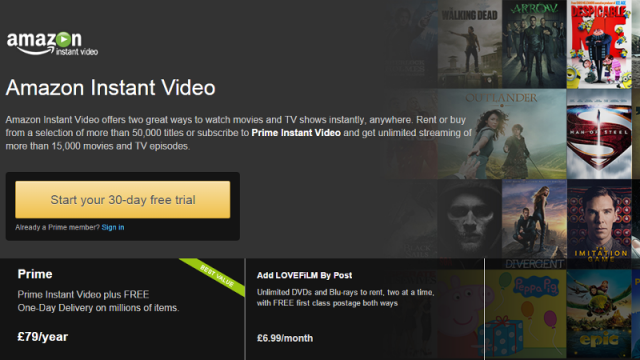
The battle for online streaming supremacy is heating up, after Amazon announced that Prime subscribers can now download videos for offline viewing.
The move stands in stark contrast to the position taken by rival content provider Netflix, which has consistently stated that offline content is not on its agenda.

Hulu gets a commercial-free option
Hulu has previously come in two varieties, both free and "premium". The premium contains limited ads, but also provides access to all content available from the service. The trade-off is, of course, paying per month for this. The $7.99 fee isn't bad, but most services remove ads in exchange for premium service.
So how do you rid yourself of those ads? Well, previously you didn't, but that changes today as Hulu rolls out an ad-free plan. That's the good news, the bad is that you'll be paying a bit more per month. To be precise, you'll be upping your monthly expenditure from $7.99 to $11.99.

Sling TV comes to Amazon Fire tablets
Sling TV has become the un-subscription model, bringing you TV over an internet connection and eliminating contracts. You'll need a box -- both Roku 3 and Amazon Fire TV will work just fine and put video on the big screen just like cable or satellite. The company motto is "take back TV", and it does so. You can get channels ranging from ESPN to HBO to Food Network.
But what about on the go? Well, you can use your phone, but now the screen gets a bit bigger. Sling is announcing the debut of its service on Amazon Fire tablets.

Netflix cancels contract with Epix films, Hulu takes it over
Entertainment is the lifeblood of streaming services, bringing TV shows and movies to customers. That includes both original content and that which comes from studios. However, deals don't always work out as planned. The studios can be notoriously bad with licensing content.
Netflix points out that "We hear from our members that you wish we had newer movies. So do we. Studio licensing practices means it often takes more than a year before consumers can watch a theatrically released movie when and how they want".

Tidal might be history in less than a year
Seventy-one percent of top music executives believe that Jay Z’s music streaming service Tidal will fold in a year or less.
Following Jay Z’s acquisition of the streaming platform in March for $56 million (£36 million), the company’s valuation spiked to a reported $250 million (£162 million) just a month after.
Plex for Roku gets an update to its look and features
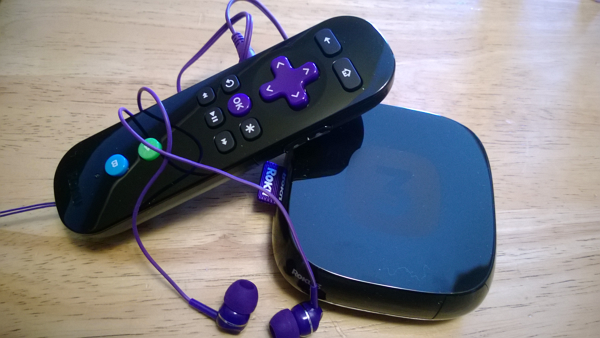
Plex is perhaps the best media server around. It's also free to install, although the app will set you back $4.99, unless you stumble on a deal. It's also multi-platform, with Windows, Mac, Linux and NAS compatibility. The app, similarly, will work on just about any platform, both mobile and set-top box.
Now the version for Roku is getting an update to the channel, as Roku refers to apps on its tiny boxes. The latest version brings a new look and some additional features to the Plex channel.

TuneIn Radio rolls out a Premium version of service
In the world of streaming entertainment, TuneIn Radio is a bit unique. It isn't just music, you get the news, sports and even podcasts. The Amazon Echo even utilizes it to play content, as well. So what more can you want from the service? Well, how about a Premium option.
This ups the offering, bringing all sorts of new content, including sports and commercial-free music. Enjoy Major League Baseball games, as well as Barclays Premier League and Bundesliga matches.
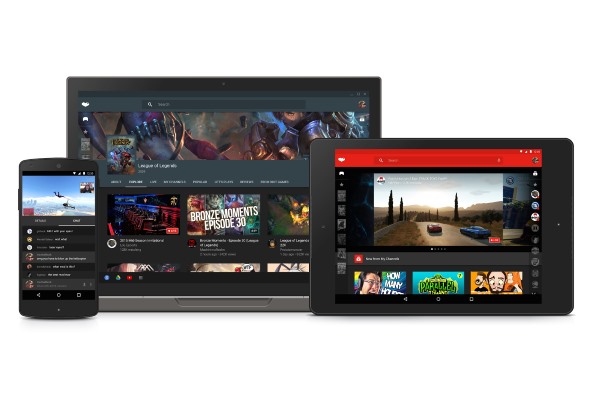
YouTube Gaming is ready to give Twitch some competition
Anything computer-related can be made social and shareable, and gaming is no different. Amazon's game live streaming service Twitch has proved immensely popular and now Google is ready to put up some competition with YouTube Gaming.
Starting tomorrow (26 August), head over to YouTube Gaming and you can start a stream of your own or watch other gamers play. Of course there will also be an app, and Google is aiming to create "the biggest community of gamers on the web".

Is Netflix changing how we watch TV forever?
The media landscape has been changing at an increasing rate. It's not something that cable and satellite providers wish to face, because it pushes out the most lucrative part of the business in favor of making them an ISP. As it is, Netflix has had to pay off Comcast, something John Oliver likened to a mob shakedown.
So how much is a service like Netflix changing TV habits? Obviously there's a variety of on-demand entertainment available from it. There's also an increasing amount of original content, some of which has been nominated for, and actually won, awards.

Who should we believe about Apple Music usage numbers?
It makes sense that any company would like you to believe that it has a large number of customers; if you launch a service, you want everyone to know just how popular it is. As well as boasting, it is a form of advertising in itself -- one that is free... the best kind.
But what happens when the figures you tout are at odds with what other people think? This is what is happening with Apple Music. Research company MusicWatch says that Apple's streaming music service retains just over half of users who sign up for the free trial. Apple disagrees, saying that it actually manages to hang on to 79 percent of users. Why is there such a big difference, and who is right?
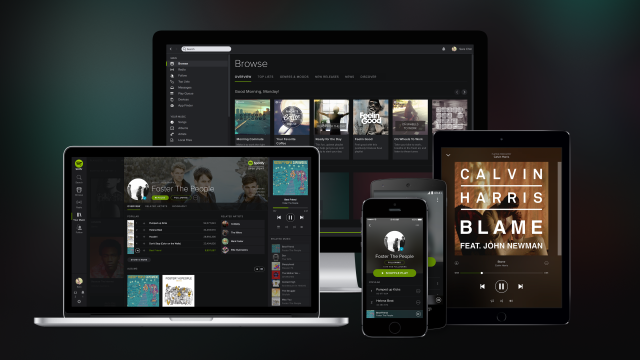
Spotify says sorry for confusion over its privacy policy
We reported earlier today that streaming music service Spotify had upset a lot of users with changes to its privacy policy. In particular sections concerning what information the company is allowed to collect have sent some users into a spin.
Evidently stung by the reaction, Spotify has been quick to respond. In a blog post by CEO Daniel Ek it says sorry and explains more about what the changes actually mean.
New Spotify privacy policy angers users and drives some away
Spotify has updated its privacy policy, and a lot of users are now very unhappy. The change was prefaced a few days ago on the Spotify blog and the new policy started to roll out on 19 August. As it starts to hit accounts around the world, users are sitting up and paying attention; many are not happy with what they see.
What are people so upset about? Spotify might now access your Facebook likes and posts, photos and contacts you have stored on your phone, and even the speed at which you are traveling. The company says that the changes have been made as part of a move to "be as open and transparent as possible", but it has left large number of users questioning motives, and many have been pushed to quitting the music service completely.