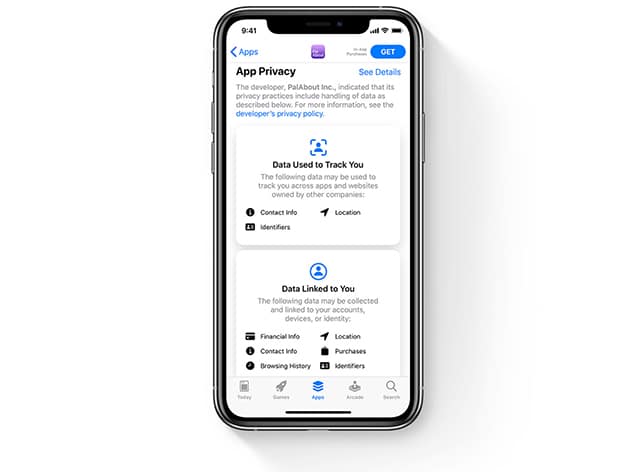
iOS 14 privacy labels are not enough
Apple pays more attention to privacy protection issues than its competitors. Well-defined privacy policies and rather severe restrictions on what user information an app or extension can get make Apple products more secure for users.
However, from the perspective of transparency, everything was not so obvious for Apple. The latest announcement shows that the corporation is ready to take a few more steps towards increasing transparency in the field of privacy protection.

e-voting can solve the voter fraud concerns plaguing US elections
In just four months, the United States will head into one of the most important Presidential election cycles of its history. Ensuring that eligible citizens are able to participate in the voting process will be critical.
Understandably, as COVID-19 continues to grip the nation and the world around us, American citizens are wary about turning out to vote in person, for fear of being in a crowd or lengthy line. Some startling facts drive home this point when you look at the state of Pennsylvania, for example. This year 1.8 million people have requested absentee votes, up from just 107,000 in 2016. This is further supported by a recent report commissioned by Okta, which found that 67 percent of Americans support mail-in voting to prevent the spread of COVID-19.

43 percent of employees make mistakes that have cybersecurity implications
A report released today by email security firm Tessian reveals that 43 percent of US and UK employees have made mistakes resulting in cybersecurity repercussions for themselves or their company.
A quarter of employees confess to clicking on links in a phishing email at work, with distraction cited as a top reason for falling for a phishing scam by 47 percent of employees. This is closely followed by the fact that the email 'looked legitimate' (43 percent), with 41 percent saying the phishing email looked like it came from a senior executive or a well-known brand.
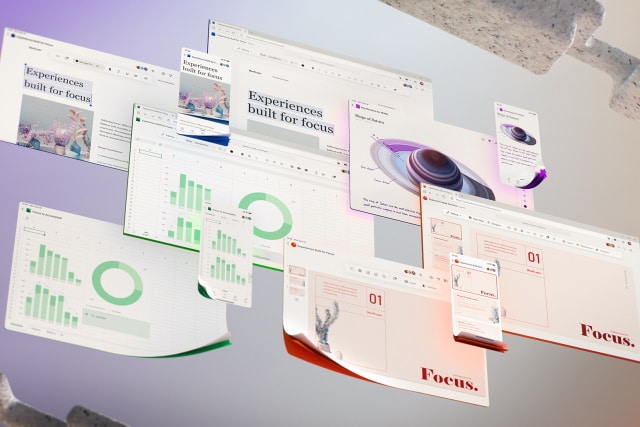
Microsoft teases a new look for Office and Microsoft 365
Microsoft has given us a sneaky glimpse into the future, showing off some of the design changes that are coming to its Office apps. The company has revealed the updated UX that Microsoft 365 users can expect to see.
In addition to introducing a more muted color palette and fully embracing the Fluent Design language, Microsoft is also making some key changes to the ribbon. Part of this involves incorporating AI into the software so that a more flexible ribbon can contextually adapt to what you are doing.
Microsoft is bringing some important new features to Edge, including browsing history syncing
Since adopting the Chromium engine, Microsoft Edge has been making great progress and gained a batch of new features that place it head and shoulders above its predecessor. Now in an update addressing the feedback received from people on the Edge Insider program, Microsoft has revealed some of the new features that are coming to the browser.
The company has also reiterated that Edge is coming to Linux, but it's the new additions that are of more interest at the moment. Setting out the timetable of features currently being worked on, Microsoft reveals that the option to synchronize browsing history between devices is on the horizon.
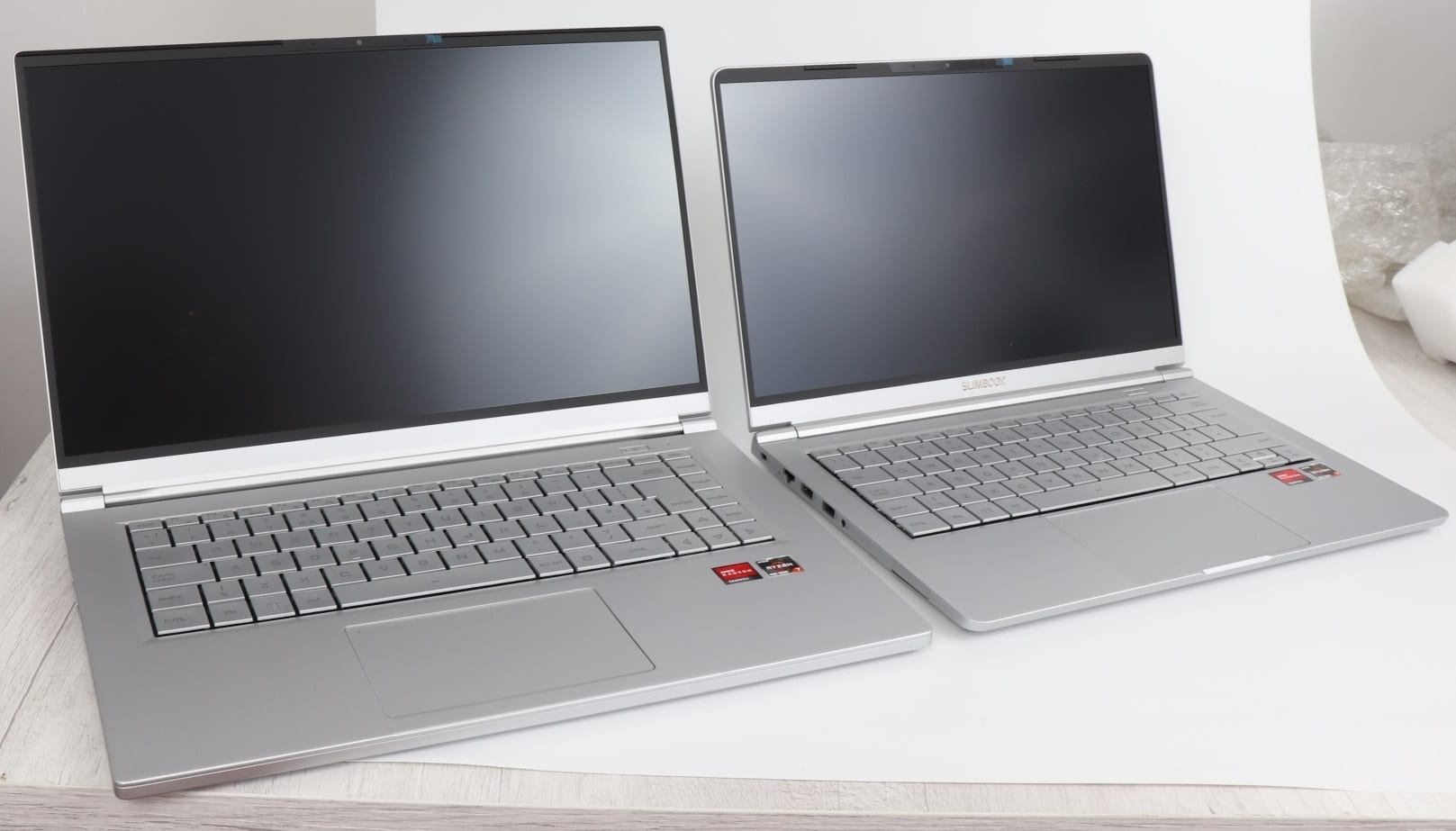
KDE Slimbook (3rd gen) is world's first Linux Ultrabook with an AMD Ryzen 4000 CPU
There are no shortage of laptops shipping with Linux-based operating systems these days. Chromebooks aside, you can buy notebooks from System76, Dell, and Tuxedo Computers to name a few. True, you can also buy a Windows laptop and install a Linux distribution yourself, but why should you have to? After all, some Linux users define themselves by the operating system they use. For them, it can be quite annoying to have their precious laptops sullied by a Microsoft OS.
Another seller of Linux computers is Slimbook. That company is largely known because the KDE Community chose to partner with it for the "KDE Slimbook," which is an officially sanctioned KDE laptop that runs KDE neon. Today, the third generation KDE Slimbook is revealed, and it is very big news. Why? Because it is the world's first Linux Ultrabook to be powered by AMD's Ryzen 4000 series of processor. There are two screen size options, 14-inch and 15.6-inch, which are both 1080p. They both feature a magnesium body with a thickness less than 20 millimeters.
Microsoft releases KB4559003 and KB4559004 to fix problems with File Explorer, LTE connectivity and more
Microsoft has released a couple of updates that address range of problems in Windows 10 caused by previous updates.
Having already acknowledged that the KB4556799 update led to LTE connectivity issues for some people, the company has now released KB4559004 to fix this and other problems. This update also addresses issues with Magnifier and File Explorer, while another update, KB4559003, fixes a large number of other problems.

AMD Ryzen 4000G desktop APUs are here, but there's a big catch
The year 2020 undeniably belongs to AMD. The company's processors aren't just impressing reviewers and tech pundits, but consumers too -- they are universally acclaimed. It's not hard to see why, either -- AMD Ryzen desktop and mobile processors offer superior performance while also being offered in affordable computers from major manufacturers. Enthusiasts and gamers that build their own PCs are increasingly turning to AMD too. Lord knows what it's like to work for Intel these days... quite depressing, I'd imagine.
Today, AMD takes a victory lap around Intel by releasing its long-awaited Ryzen 4000G APUs. What is an APU, you ask? It is essentially a CPU and GPU in one, allowing respectable graphics performance without needing to buy a dedicated card -- often a great value. These 7nm Zen 2-based processors essentially come in two "flavors" -- regular and PRO. Unfortunately, there is one big catch...
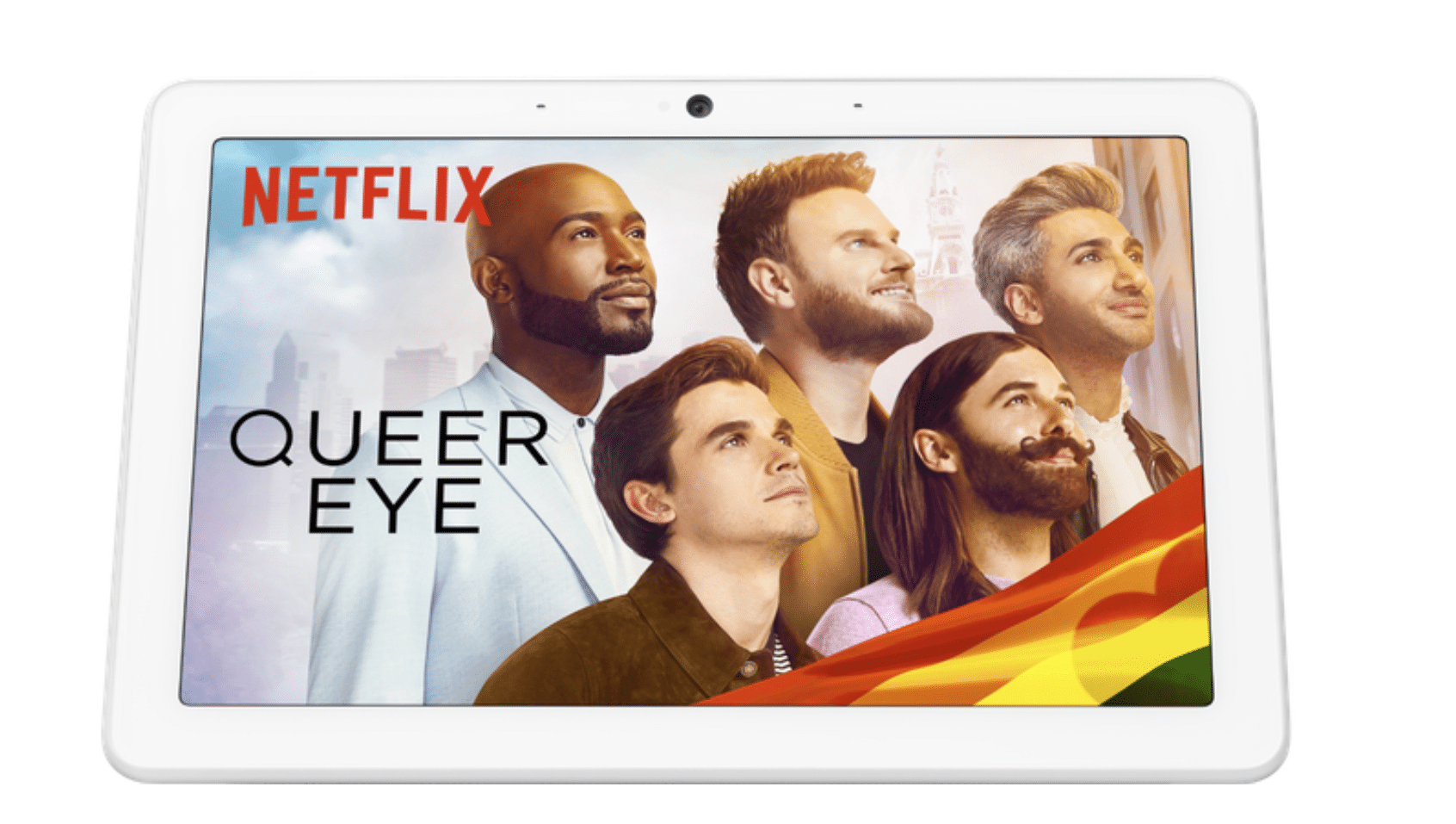
You can now watch Netflix on Nest Hub and Hub Max, but you probably shouldn't
My first experience with a home voice assistance was Amazon Echo. You know what? It was life changing. While asking Alexa questions was neat, the real value was linking it to my smart home devices. It may not seem like a big deal in 2020, but the first time I turned on a lamp with my voice it was magical. Over time, I mostly transitioned to Google Home, however, as I found the search giant's assistant to be superior.
Not to mention, I fell in love with the Nest Hub -- a hardware assistant that I keep on my nightstand next to my bed. I trust it in my bedroom as it doesn't have a camera, but I digress. As a YouTube TV subscriber, I can even watch the TV service on the 7-inch screen, but I really don't. Why? Because I have a larger TV in the same room. That's why today's news that you can watch Netflix on Nest Hub and Hub Max doesn't really excite me. Is there a legitimate scenario where someone would use one of those devices to regularly watch Netflix video?
The power of enhanced WebRTC
With more digital communication tools available than ever before, enterprises and end users have started to demand more tailored options that can improve their experience and make it even easier to connect.
Web Real-Time Communication (WebRTC) is one such tool that can enhance deployment of voice and video and tools within browsers and apps.
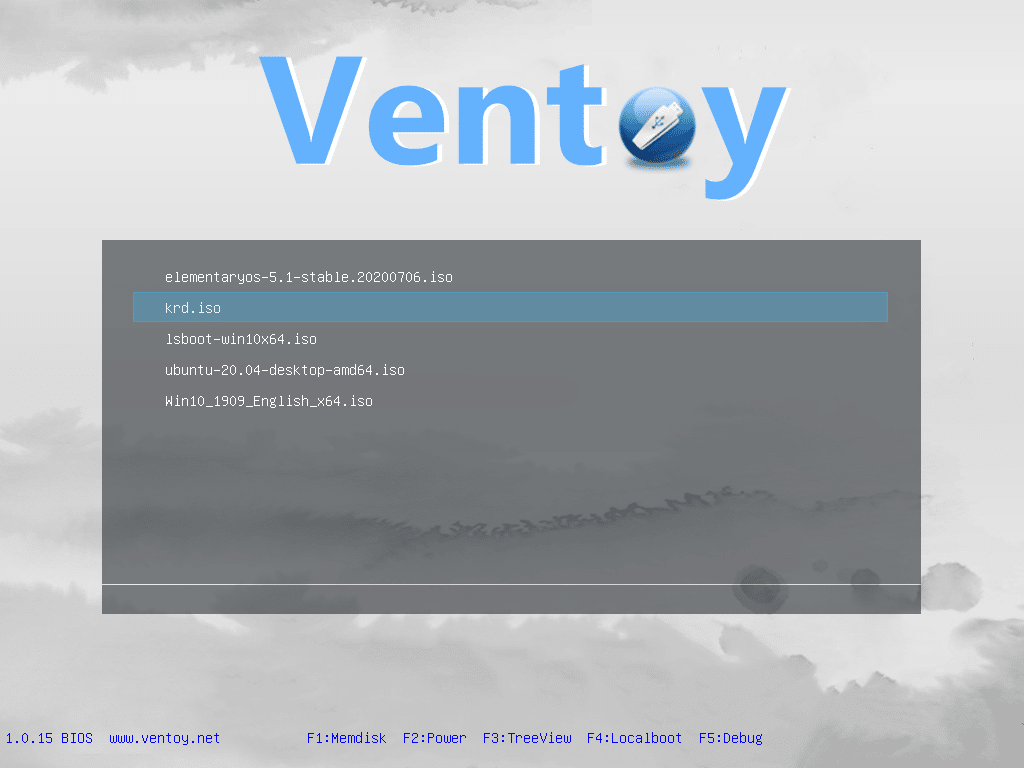
Consolidate all your boot media on to a single flash drive with Ventoy
How many boot discs or flash drives do you own? It’s possible to build up quite a collection, from Linux live CDs and antivirus rescue discs to boot media for apps as diverse as drive imaging to data recovery.
Thanks to Ventoy 1.0.15, you can now consolidate all your boot media: instead of five, six or however many boot discs you need, everything is stored on a single flash drive. The larger the flash drive, the more boot media you can install on it.

LG Velvet 5G comes to America
LG is known for its revolutionary V-series and elegant G-series lines of Android smartphones. Over time, however, there became less of a difference between the two lines. Ultimately, LG's smartphone offerings became a bit crowded and confusing. Things felt a bit... stale.
This year, however, the company decided to go in an exciting and different direction. You see, with its new LG Velvet 5G phone, the company revamped its design focus and branding. For instance, it has a beautiful "teardrop" rear camera array. Today, LG announces that the Velvet is finally coming to the USA! You won't have to wait long either, as it will become available tomorrow -- on one carrier, at least. Best of all, it is shockingly affordable for a 5G smartphone.

BitTitan launches new cloud-based automation tool for IT teams
Faced with an ever changing landscape, skills shortages and budget constraints, IT departments are increasingly seeking to automate repetitive tasks.
Automation specialist BitTitan is looking to capitalize on this with the launch of an IT toolbox designed to centralize and automate IT tasks for more effective management of resources, security and data governance.

Security professionals lack visibility into top threats
According to a new report, 89 percent of security professionals are most concerned about phishing, web and ransomware attacks, but only 48 percent confirm that they have continuous visibility into these risk areas.
The 2020 Cybersecurity 360 Report from Balbix also shows 64 percent of organizations are only, at best, somewhat confident in their security posture, and that the lack of visibility into security is the primary concern for organizations.

Enterprises struggle to deliver software efficiently
Businesses experience problems in leveraging information to make data-driven decisions, communicating between teams and management layers, dealing with 'software sprawl', and accurately quantifying the cost of feature delivery delays a new report shows.
The survey by Accelerated Strategies Group (ASG), commissioned by CloudBees, also shows that many organizations have been able to tackle some of the facets of modern software delivery management, but that there’s still much room for improvement.