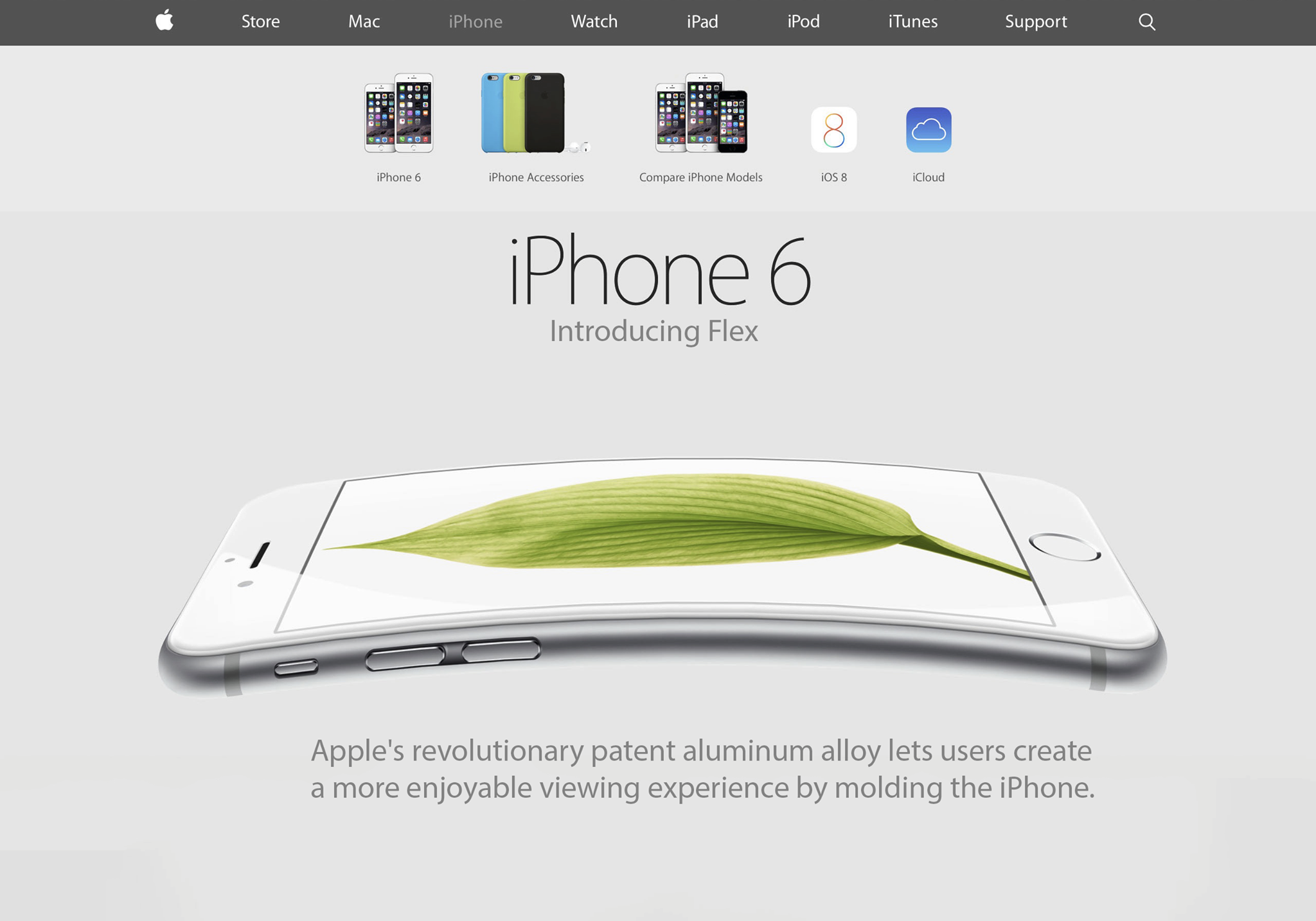
If your iPhone 6 or 6 Plus bends, it's Apple's fault
Apple could have a huge problem on its hands if iPhone 6 and iPhone 6 Plus are susceptible to bending. According to some early adopters, the new iPhones can show visible signs of damage after only a few days of normal use.
That's because the build quality does not appear to stand up to the challenges posed by pants' front pockets, which are causing the metal shells to bend near the cutouts for the physical side buttons. Light metal shell, meet thin profile.
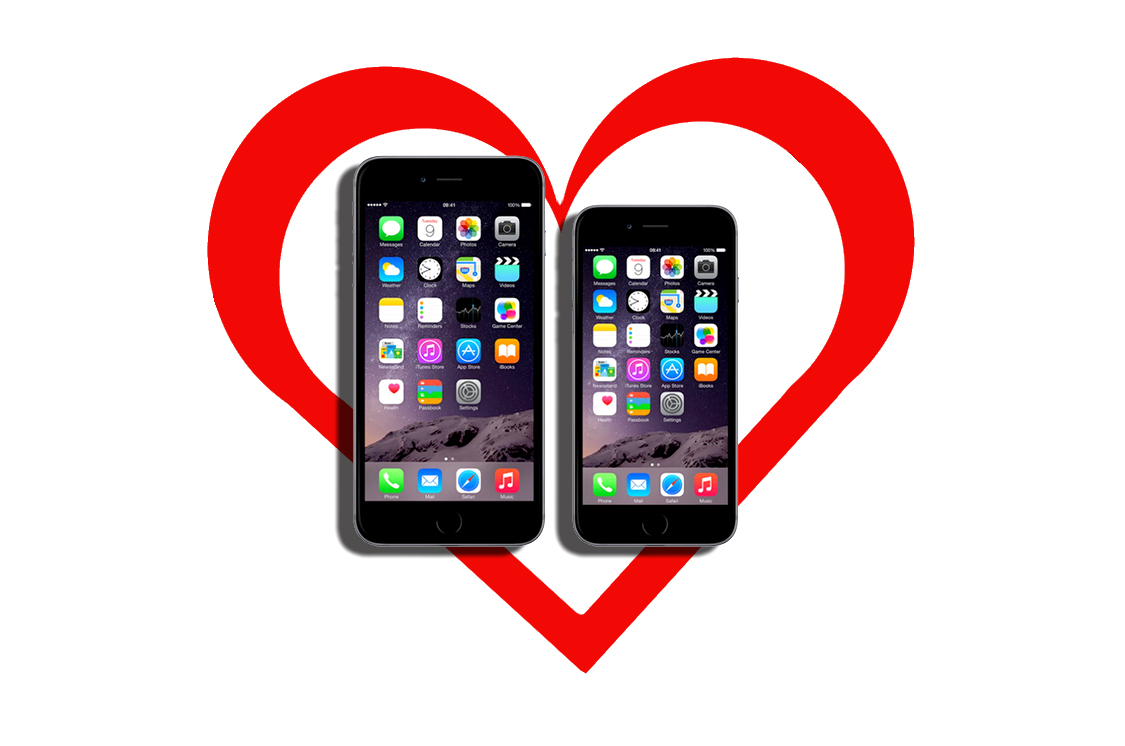
Five things to love about the iPhone 6 and iPhone 6 Plus
First in a series. Now that the initial excitement surrounding the launch of the new iPhones has calmed down, most of us new iPhone owners have had a chance to play around with our new devices a bit.
So what’s there to love about the iPhone 6 lineup? What do we hate? In this first article we’ll take a look at the positives. No doubt, ten million phones sold over the weekend indicate that most consider this a significant step forward for the iPhone itself, so I think it’s only fair to you and Apple to wax poetic about the good things first. Note this is not a review, but more just musings on the device itself. Every tech publication known to man has already written how "game-changing" and "revolutionary" it is, so here we’re going to give equal time to both the fanboys and naysayers. Both camps have valid points.
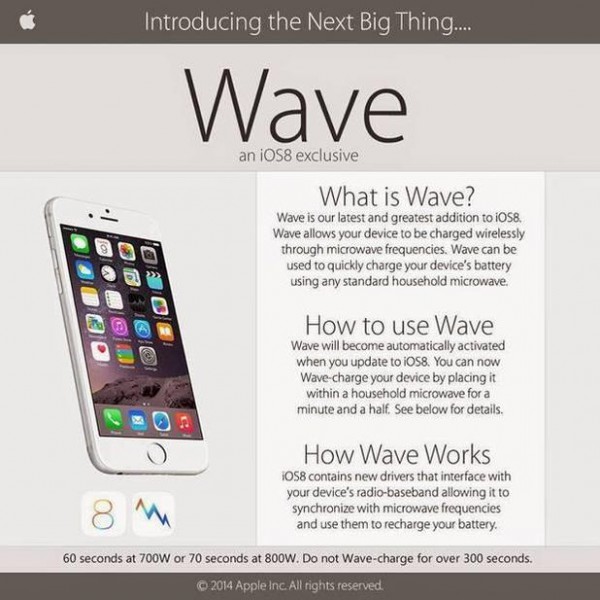
The new iPhone 6 recharges in under two minutes in the microwave*
Apple’s iOS is an amazing operating system. When iOS 7 came out last year, people were thrilled to discover it made their iPhones waterproof. And iOS 8 is no less magical, as it comes with a new 'Wave' feature which lets users recharge a phone in just two minutes, simply by microwaving it.
Of course, neither the waterproofing nor the new super-quick charging feature is true, it’s just a practical joke spreading across the internet, but some poor fools could well fall for it.
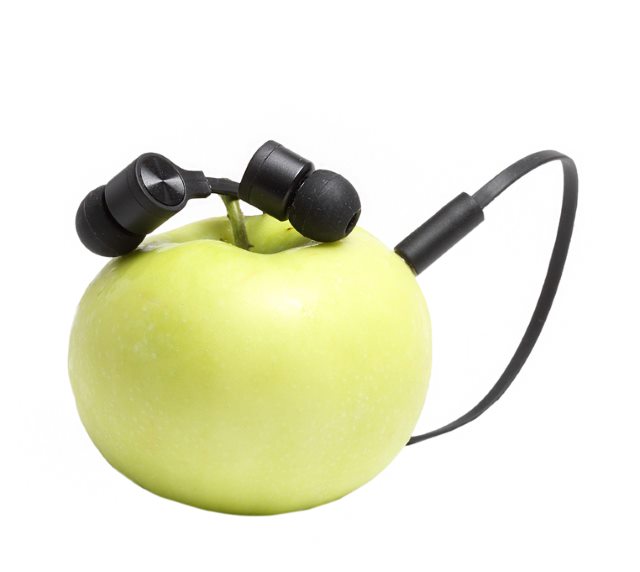
Apple: Beats Music to live on, could be swallowed by iTunes
When Apple acquired Beats Music earlier in the year, there were obvious fears that the service would shut down. While this type of rumor is often well-founded, it seems fears were misplaced on this occasion: Apple has no plans to shutter Beats Music. A company spokesperson made a statement to the Guardian making it clear that suggestions that the subscription music service is to close down are "not true". But could the brand end up being eaten by iTunes?
Beats Music has not been a runaway success. It has subscribers, but not all that many. With Apple's backing there is a chance that its popularity could increase, but it can be difficult to shake off the reputation of an old name -- Beats Music has singularly failed to reach the celebrated heights of Beats Electronic's headphones. Having spent $3 billion on Beats Music and Beats Electronic, it would be strange if Apple just gave up on a portion of its investment.
The global supply chain behind the iPhone 6
We all know that the majority of our technology gadgets are produced in China, but the supply and manufacturing process isn't quite as simple as it might appear.
Apple more than most is a master at using the supply chain to its advantage, sourcing suppliers that can turn out parts in the most cost effective way whilst still adhering to the company's quality requirements.
Adobe snaps up cloud image editor Aviary to fast-track SDK development
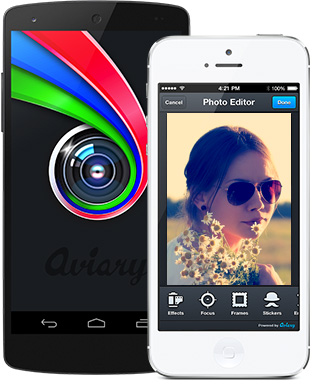
Seven years after its inception, online image editing service Aviary has been acquired by Adobe. The Photoshop stalwart is no stranger to the cloud, but this latest purchase seems to indicate that the company is looking to expand further in this arena. Pay a visit to the Aviary website and the Adobe branding is already in place -- there's also a new entry on the Aviary company timeline that has been updated to reflect the acquisition. The Adobe-branded Aviary website makes clear the thinking behind the move: "accelerating delivery of mobile apps that integrate with Adobe Creative Cloud".
It seems that the main reason for Adobe's interest in Aviary is the fact that the ornithologically-named firm has developed a number of mobile SDKs. Aviary is already a popular tool, and Adobe is understandably keen to monetize the popularity of cloud apps and mobile services: Aviary is a ready-made package that encompasses both of these ideas perfectly. An announcement by Adobe explains that "the acquisition accelerates Adobe's strategy to make Creative Cloud a vibrant platform for third-party apps, through a new Creative SDK".

Apple iPhone 6 Plus has the best smartphone LCD display, but Samsung Galaxy Note 4 still reigns supreme
The good news keeps on coming for Apple. After it announced that iPhone 6 and iPhone 6 Plus sales exceeded the 10 million units mark, therefore breaking the previous record established last year, DisplayMate, a company dedicated to testing the quality of displays, has proclaimed iPhone 6 Plus as having the best LCD screen that has ever crossed its labs.
Apple's other new flagship, the smaller iPhone 6, has also registered impressive results, but its 4.7-inch panel is let down by the low resolution of just 750 by 1,334, which is inferior to that of its bigger brother -- which boasts a 1,080 by 1,920 resolution with its 5.5-inch panel -- as well as competing flagships from other manufacturers.

Product rumors are Apple's best friend
Apple's longstanding perchant for secrecy is legendary. It's also a myth. Granted, the company has a strict no-comment policy about future products, which isn't so much about keeping information from seeping out but controlling who disseminates it. Something else: Secrets are impossible to keep when a company produces physical products overseas and depends on so many third-party suppliers. Controlled leaks, or strictly managing those that aren't, lets Apple maximize marketing advantage.
The value cannot be understated, because Apple's business model in 2014 isn't much different from 2001 or 1995: Reselling to the same core group of loyal customers. The Mac faithful mattered when the company struggled to survive against the Intel-Microsoft duopoly and made the majority of profits from selling computers. Cofounder Steve Jobs wisely chose to expand into new product categories -- iPod (2001), iTunes Music Store (2004), iPhone (2007), iPad (2010) -- that freed Apple from monopoly bondage. But the core philosophy of selling to loyal customers, even while trying to grow their numbers, remains the same.
iPhone 6 is Apple's least breakable iPhone to date
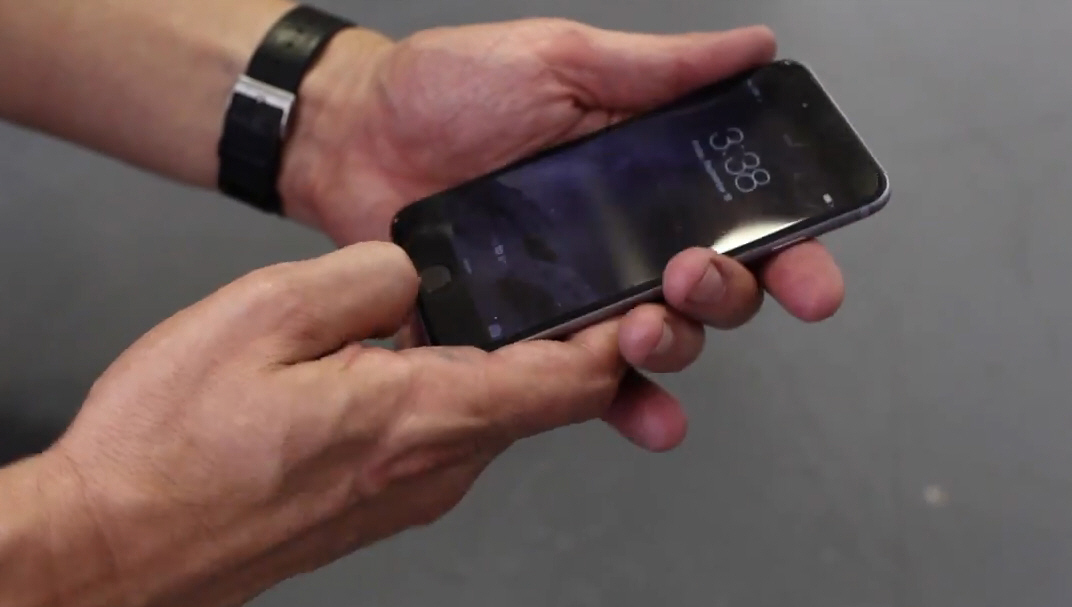
Apple makes gorgeous looking and highly desirable products, but unfortunately for buyers, the iPhone and iPad are among the most breakable devices in the world. Back in February, SquareTrade tested a bunch of gadgets, and rated the iPad mini as the most breakable, with the iPad Air in third place, the iPhone 5c in fifth, and the iPhone 5s in eighth.
It was hoped by many that Apple’s new phones would have sapphire crystal screens, but in the end the tech giant went for ion-strengthened glass. There’s good news for Apple users though, and that’s new breakability tests conducted by SquareTrade show the new devices are Apple’s least fragile to date.

Apple only manages to sell 10 million iPhone 6 and 6 Plus in opening weekend
Expectations always run high when it comes to sales of new iPhones during launch weekend. There's an incredible frenzy in the media fueled by loyalists, long lines form outside Apple stores (immediately followed by the first inadvertent drop caught on camera), the reviews are raving across the board (and why wouldn't they be when only loyalists get review units?) and, finally, on Monday, Apple gives its fans the much-awaited reason to celebrate -- a new first-weekend sales record.
Needless to say, the 10 million iPhone 6 and iPhone 6 Plus units that Apple managed to sell during the first weekend exceed the 9 million iPhone 5s and iPhone 5c units sold a year ago. Barely. Considering the appeal that larger iPhones seem to have -- we've been waiting for them for a couple of years, after all -- 10 million sounds a tad short. It really does.
iPhone 6 is much more popular than the 6 Plus
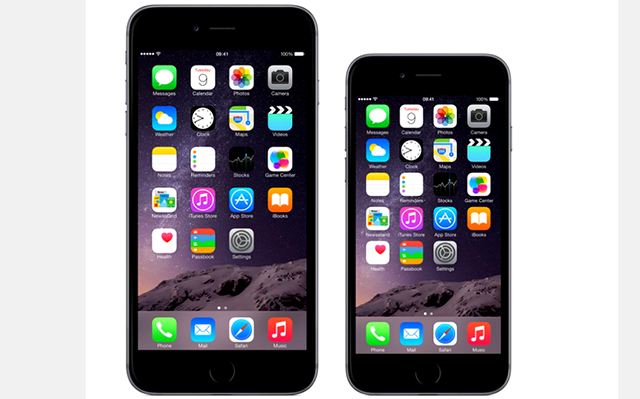
Phablets might be increasing in popularity globally, but iPhone users aren’t blown away by the idea of carrying around a giant phone, if early adoption data is to be believed.
Although it’s very, very early days for Apple’s new handsets, the iPhone 6 is already proving to be a much more popular draw than the giant iPhone 6 Plus, although as my colleague Joe Wilcox points out in his 10 things you should know before buying iPhone 6 or 6 Plus article, limited stock means the 6 Plus is already sold out in a lot of locations, which will obviously have an impact on the number of people who own one.
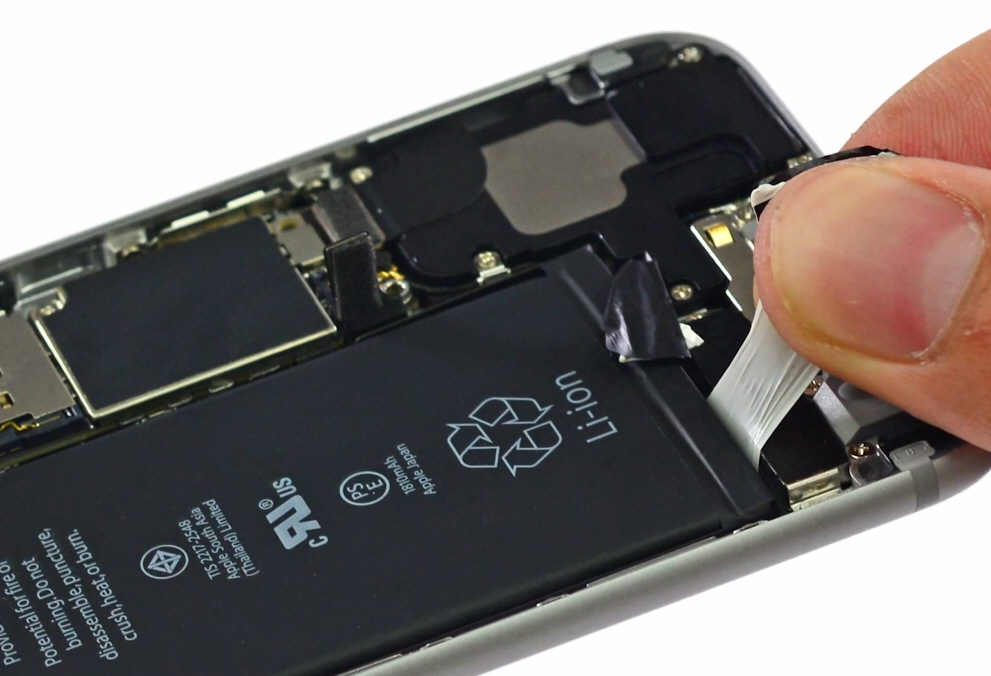
iPhone 6 and 6 Plus teardowns reveal internal details
The new iPhone 6 models have gone on sale, and shortly after Apple's new smartphones hit shelves, teardown sites had the full skinny on the innards of the devices, having ripped them apart.
The most prominent, iFixit, produced its usual very detailed breakdown of the components of both the iPhone 6 and iPhone 6 Plus. Here are some of the highlights...
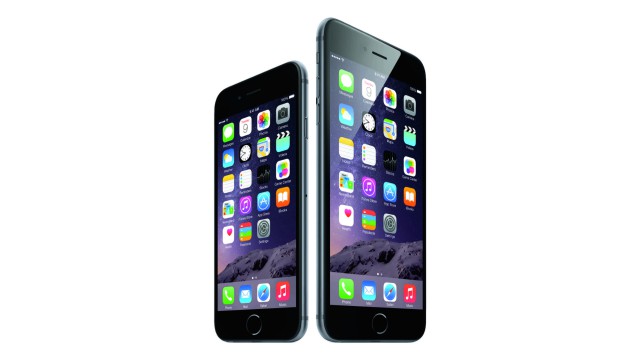
10 things you should know before buying iPhone 6 or 6 Plus
Launch day is over, and now the weekend warriors descend on Apple and cellular carrier stores looking to buy iPhone 6 or 6 Plus. Expect mayhem everywhere. Not since 2010 has there been such long lines for or insanity about a new "i" device. I expected nutsville, even with preorder option, but nothing like this.
To be honest, the frenzy defies logic and there must be some kind of mob mentality driving it. I am reminded of Windows 95's nearly 20 years ago. Some people will point to past iPhone launches as being as big or bigger. No. iPhone 4 was the last gigantic debut weekend, before Apple started taking preorders, a mechanism that shifted sales away from the big day. iPhone 6 and 6 Plus are much larger when factoring in those 4 million first 24-hour preorders (and others) ahead of September 19 store openings.
Apple: iOS 8 will keep your private data safe from the US Government
It's very important for us to know that the things we store on our mobile devices are safe from prying eyes. It gives us a sense of security knowing that our private thoughts, photos, videos and whatnot will only be seen by us and the people we share them with. But what if it is the US Government that wants to take a look? If the authorities get hold of our devices, what's to stop them from using search warrants to see what's in there?
If we are talking about iOS 8 devices, then its security design is standing in the government's way. Apple has updated its Legal Process Guidelines to reflect that it will be unable to extract data that its customers store on devices running its latest mobile operating system, as the key which unlocks the treasure trove is solely in its users' control.
What makes Apple such a success? -- Free ebook
Love it or hate it, you can't deny that Apple is a phenomenally successful company. But how has it managed to achieve this from a business that started in a garage?
Mostly it hasn’t been by innovation but by taking technology that already existed and turning it into the devices that people want to buy. Apple, more than any other company, has succeeded in making technology cool and desirable.