
The Pirate Bay celebrates tenth anniversary with censorship busting PirateBrowser
Reaching double figures is a big landmark in anyone's life, and it's no different for the Pirate Bay. The website that the authorities love to hate, and ISPs are forced to block, is celebrating its tenth anniversary. Rather than munching on cake, washed down with a few sodas, the torrent site is marking the occasion by releasing its own web browser -- imaginatively named PirateBrowser.
Announced via Twitter, the browser is essentially a customized Firefox installation and it will come as little surprise that it has been tweaked to bypass restrictions that prevent people from accessing the site. The browser is currently available for Windows -- although Linux and Mac versions are in the pipeline -- and it comes complete with a bundled Tor client and proxy tools.
Twitter tracks your tweets so advertisers can monitor sale performance
Twitter teams up with Datalogix (DLX) in a new program that enables brands to track the impact that their tweets have on sales. Referred to as "offline sales impact", the program can be used to see just what effect promoted and regular, "organic" tweets have on the number of units shifted from shop shelves.
The precise process involved is not revealed, but the program sees Datalogix send Twitter a list of hashed email addresses which is then compared to a list of email addresses associated with Twitter accounts.

Ofcom wants to make broadband switching quicker and easier in the UK
Switching broadband providers should be easy -- the emphasis is very heavily on the word "should" here -- but in practice this is often not the case. There may be issues getting hold of the necessary authorization code, or the dreaded period of downtime as one ISP takes over from another. All this could be set to change, for the UK at least, if Ofcom's proposed new measures have the desired effect.
To help make the transition as smooth and seamless as possible, Ofcom is eliminating one potential bottleneck. Now customers looking to switch need do nothing more than contact the ISP they would like to move to. There's no need to get in touch with the current ISP who may drag their heels, the new provider can now take care of the entire process on behalf of the customer.

Facebook’s algorithm update: who benefits most? Facebook, users or advertisers?
Success on Facebook is as much about the quality of posts as it is about the quantity of posts. Research by Expion into the social network finds that user engagement with brands has declined despite an increase in the number of posts from the top 50 retailers.
The list includes such names as Tiffany & Co, Walmart and Amazon who are responsible for a good deal of the site's ad revenue and the findings go some way to explaining not just why the news feed algorithm has changed, but also why Facebook announced it so publicly.

Average UK broadband speed quadruples in five years
Throughout the UK internet users are benefiting from accelerating access speeds according to research by Ofcom. The average residential broadband speed now clocks in at 14.7Mbit/s -- around four times the speed back in November 2008 when figures were first published.
Of course, these are average figures, and the majority of web users will find that their actual connection speed is well above or below 14.7Mbit/s. One of the key factors influencing obtainable speed is location. Customers in rural areas were found to have download speeds that were less than half of those enjoyed by customers in urban areas -- 9.9Mbit/s compared to 26.4Mbit/s.

Could Twitter's verified accounts be the answer to stopping tweet threats?
We've talked about Twitter and the subject of policing the Internet quite a bit recently. It's not just us. Countless websites, newspapers, blogs and TV news channels have debated just what can be done to stop the problem of online abuse.
Part of the problem is that Twitter is -- as is the case with much of the Internet -- largely anonymous; or at least that's what most users think. They must think that, or they would not behave so stupidly and recklessly online. The reality is that, unless someone has taken measures to cover their tracks through proxy servers or other masking techniques, it's not really all that difficult to link an online message to, if not an individual person, at least an individual machine -- with the help of ISPs and other parties.
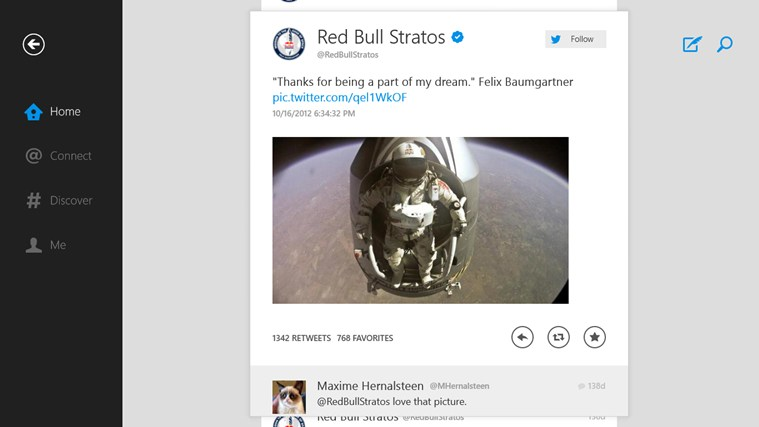
Multiple personality tweeters rejoice -- Windows 8 app gets multi-account support
It may not be an update that will set the world on fire, but it's one that will be welcomed by anyone who manages a personal and a work Twitter account. The Window 8 version of the app now includes support for multiple accounts, so there's no need to keep signing in and out.
This is good news not only for tweeters who use Twitter for business and pleasure, but also those who just like to maintain more than one persona online. Other additions to the app include list support for easier management of the accounts you follow.

USB 3.1 specification complete -- still rectangular
When I built my newest computer, I was excited to get a motherboard with native USB 3.0 ports -- I was finally at the forefront of USB speed. I bought a USB 3.0 flash drive, hard drive enclosure and hub. All the devices worked great and life was good.
However, yesterday my world was rocked when the USB 3.1 specification was announced as complete. While we are likely years away from actual affordable USB 3.1 devices, it still leaves me feeling that my newly-bought hardware is already on the way to obsolescence. You see, this is not a minor update it is doubling the speed of USB 3.0 to 10Gbps!

UK families gather around their big-screen TV sets... and do their own thing
The rapid growth in usage of tablets and smartphones is turning us into a nation of multi-taskers according to a report by the UK telecoms regulator Ofcom. Although 91 percent of adults tune in to the main TV set in the lounge at least once a week, around 53 percent now access other media whilst watching television.
We're interacting with TV shows or sending off tweets and Facebook posts about them whilst we watch. We're also performing unrelated tasks like shopping and surfing the web whilst the TV is on. Most of this is done via smartphones, with 51 percent of adults now owning one compared to only 27 percent two years ago. Almost a quarter of households now own a tablet computer too.

Newspapers in a digital age: moving with the times and charging for it
For most of us the digital revolution started some time ago. Working in journalism for nearly 15 years means that I have seen things change enormously, but even back in the late 1990s it was clear that the web was where it was at -- or where it was going to be. Newspapers and magazines have had to adapt to fight for ever-decreasing audiences in a changing market. But not everyone has been moving at the same pace, or has quite the same idea about how things should work.
The ease of self-publishing and the low overheads associated with running a website, in conjunction with the always-on, instant updateability of the internet has seen the sales of newspapers and magazines dropping off. Most titles have gone with the flow and have developed an online presence, but the need for publishers to make money is at odds with the widely held belief that everything online should be free.

Is Twitter's introduction of an abuse reporting button really workable?
It is said that there is no such thing as bad publicity, but the PR department at Twitter might well be feeling otherwise at the moment. After coming under fire for using fabricated tweets in promotional material Twitter has been in the headlines after the company faced calls to do more to combat abusive tweets.
Threats of death and rape do not make for pleasant reading, but it is something that has happened to a number of Twitter users. The most recent victims to speak out -- Caroline Criado-Perez, who successfully campaigned for Jane Austin to appear on British bank notes, and UK MP Stella Creasy -- led to a grassroots campaign for Twitter to do more to police its micro-blogging service.

Thailand bans Bitcoin -- company suspends trading in the country
Thailand has ruled that use of the online currency Bitcoin is illegal. Bitcoin Co Ltd was going through the process of registering with the necessary government agencies in order to operate legally. Having initially ruled that Bitcoin is not a currency, Bank of Thailand now says that due to a lack of existing applicable laws, numerous Bitcoin activities are now illegal.
A statement on the Thai Bitcoin website explains that it now illegal to buy and sell Bitcoins within the country. In addition to this, the buying and selling of goods and services for Bitcoins is outlawed, as is sending and receiving Bitcoins from anyone outside of Thailand.

On the futility of blocking porn and torrent websites, Immunicity style
Pornography has been in the news a great deal, and David Cameron's bid to make online porn "opt-in" has sparked a fierce debate in many quarters. The apparent aim of the proposed measure is to protect children and the responsibility has been moved squarely to the door of ISPs, just as with access to torrent sites. But is this fair?
The Internet is an important element of democracy. It should be a tool for free speech, free access to information and the ability to communicate worldwide free of charge. Freedom is at the heart of it. Creating a two-tier Internet in which some people are able to access all content, and others can only access a portion of it flies in the face of what the world wide web is all about. It is also dangerous.
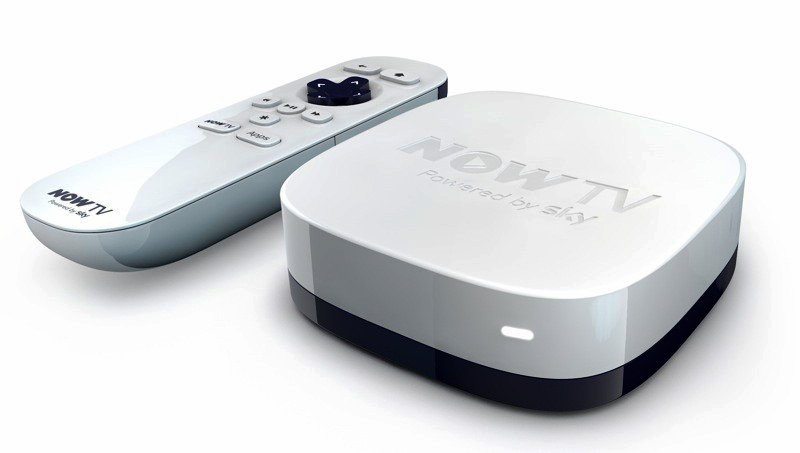
Now TV box is cheap alternative to Apple TV for UK viewers, but with a catch
Like the idea of Apple TV but feel the hardware is a little expensive? Today Sky releases its Now TV Box to UK fans for the ultra-low price of £9.99. This is significantly cheaper than Apple's flagship streaming device, and even manages to undercut Google's Chromecast. With the price tag including not just the device itself, but also delivery, there's got to be a catch, right?
The WiFi streaming box provides access to on-demand content from the broadcasters such as Sky, BBC and Channel 5, including sports and movies. There's also the option of using apps such as Spotify and Facebook to transform a regular TV into a smart TV. So far, so couch potato.
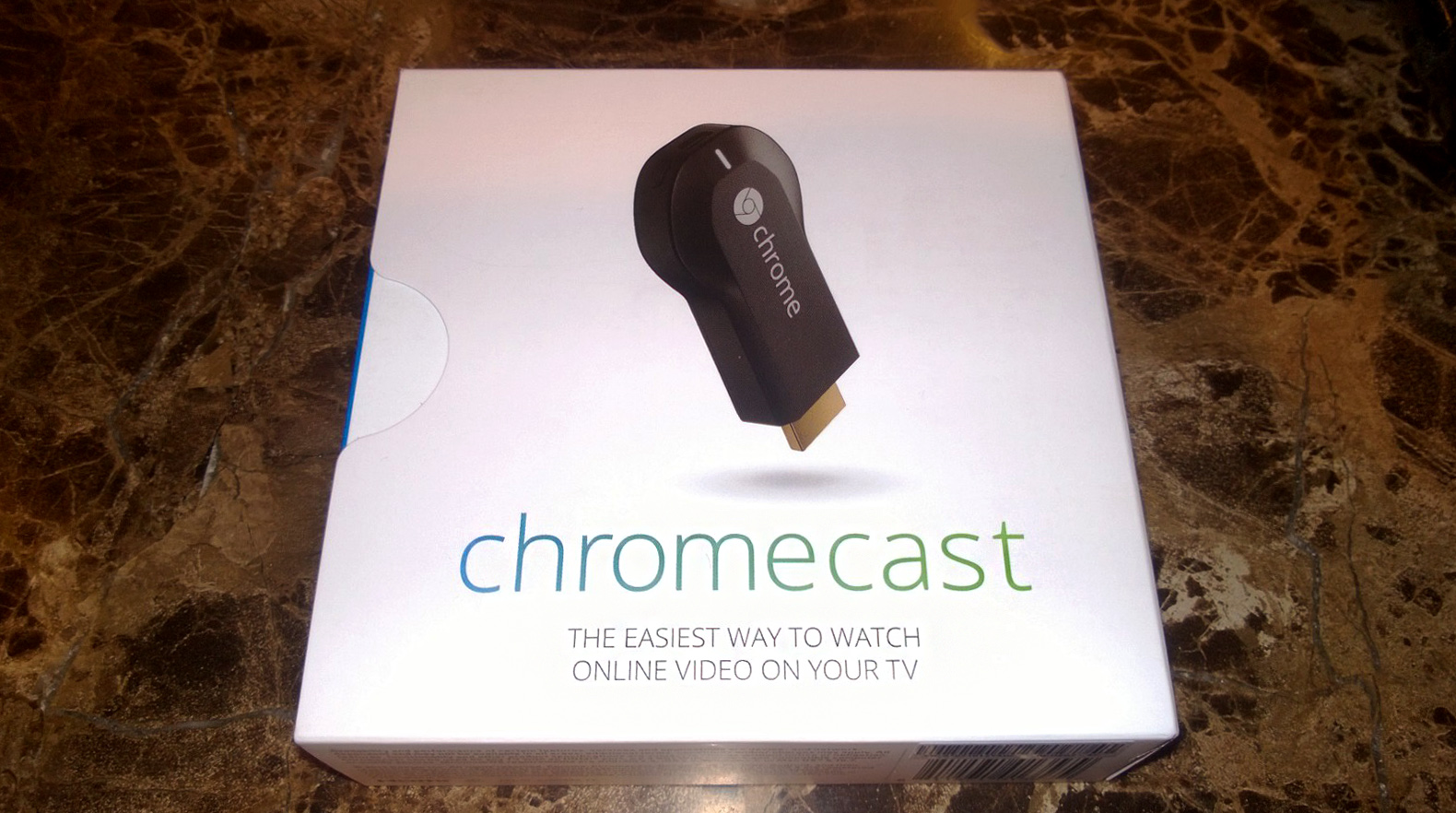
Google Chromecast -- greatness in its infancy [Review]
Consuming digital media can be an overwhelming affair nowadays. There are too many devices on the market that do similar things but in different ways. There is the Apple TV, Roku, Blu-Ray Players, smart TVs and more. When Google announced the Chromecast, I was a bit skeptical -- surely I didn't need yet another device. However, the low price of the product ($35) and the fear of it selling out caused me to order it anyway.
When it arrived, I was shocked by just how small the packaging was. Upon opening the little box (OK, tearing into it) I was presented with the Chromecast. The device looks like a very fat flash-drive with an HDMI plug instead of USB. Also in the box was an HDMI extender cable, micro-USB cable and AC power adapter.