
Linux is well represented at Google Summer of Code 2019 with GNOME, Fedora, and Debian as mentor organizations
Believe it or not, Google Summer of Code 2019 will be the 15 year anniversary of the open source student program. If you aren't familiar, this is a program where Google pairs university students with open source organizations to work together over the summer. Yes, I said working together -- the students don't just observe, they get to actively participate in important open source projects! How cool is that?
Today, Google announces all the organizations that have been accepted as GSoC mentors, and the Linux community is very well represented. In fact, two of the most significant Linux distributions -- Fedora and Debian -- are both participating. In addition, one of the most important Linux desktop environments, GNOME, is taking part too. Even KDE and The Linux Foundation are in the mix! With all of that said, Google Summer of Code is not a Linux-only affair -- open source is the overall star of the show.

Mageia 7 Beta 2 Linux distribution now available for download
Late last year, in the beginning of December, Mageia 7 officially entered the beta stage. Fans of the operating system were obviously excited, but since then, all has been quiet.
Today, however, this changes — Mageia 7 Beta 2 is officially here! Unfortunately, according to the developers, a stable version is still far off.
Kali Linux 2019.1 with Metasploit 5.0 available for download
The first release for 2019 of the Debian-based Linux distro Kali Linux is now available for download. Kali Linux 2019.1 sees the kernel moving up to version 4.19.13, and it also includes Metasploit 5.0.
Offensive Security's penetration testing distro is much-loved by the infosec community, and this latest release includes ARM improvements, a range of bug fixes and package updates.
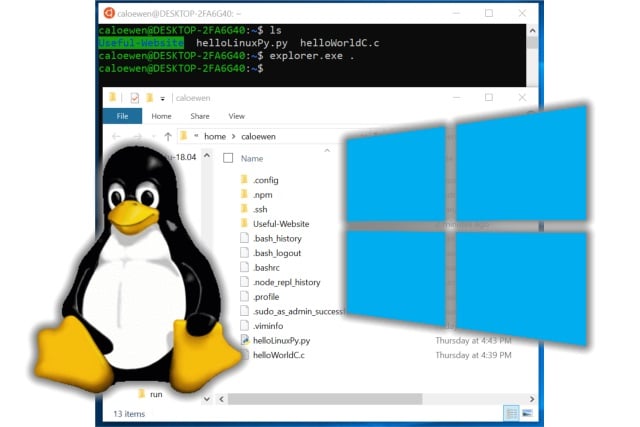
Updated WSL in Windows 10 version 1903 lets you access Linux files from Windows
The marriage between Linux and Windows is getting stronger. Having embraced Linux with WSL (Windows Subsystem for Linux), Microsoft is now doing what users have been begging for: Windows 10 April 2019 Update makes it possible to access Linux files from Windows.
As well as enabling you to open Linux files from within Explorer, Windows 10 version 1903 gives you the option of editing Linux files from Windows.
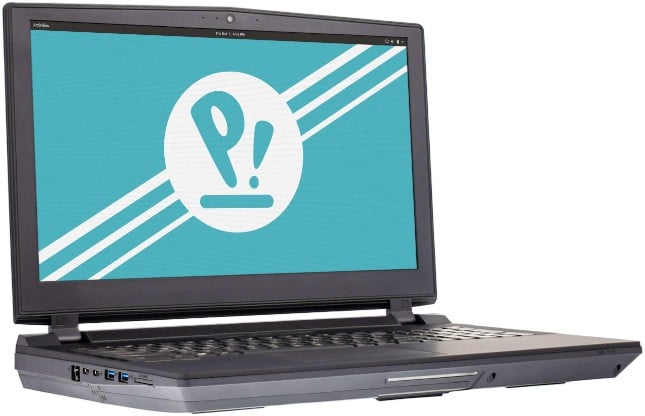
System76 refreshes Serval WS Linux laptop with 9th Gen Intel Core CPUs and NVIDIA GeForce RTX 20-Series GPUs
Nowadays, many consumers put a premium on having a thin and light computer. This is understandable, as no one wants to lug around a big and heavy notebook. With that said, some people only care about raw power -- weight and size be damned. System76's Serval WS is one such laptop -- insanely powerful, but boy howdy, it is a biggun! The 15-inch model weighs 7.5 pounds, while the 17-inch variant tips the scales at 8.6!
Today, System76 launches a refreshed version of the Linux laptop. It features desktop-class 9th Generation Intel Core processors, which is cool, but arguably more intriguing is the NVIDIA GeForce RTX 20-Series GPU options -- 2060, 2070, or 2080. Yeah, this refreshed Serval WS is an absolute beast!
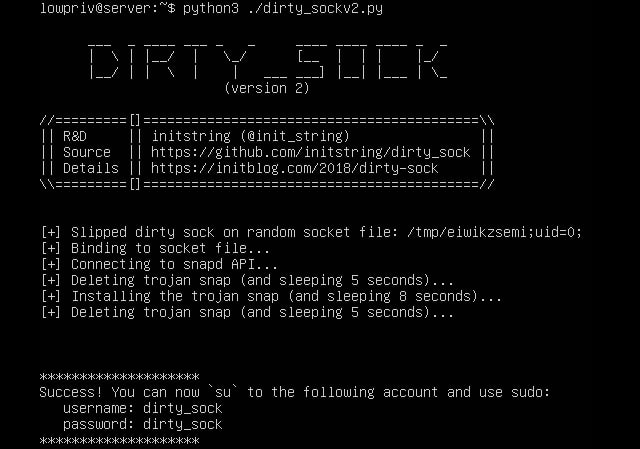
Dirty_Sock vulnerability in Canonical's snapd could give root access on Linux machines
A security researcher has discovered a vulnerability in Canonical's snapd package which could be exploited to gain administrator privileges and root access to affected Linux systems. The security issue has been dubbed Dirty_Sock and assigned the code CVE-2019-7304.
Chris Moberly found a privilege escalation vulnerability in the snapd API. This is installed by default in Ubuntu -- under which proofs of concept have been tested and found to work "100% of the time on fresh, default installations of Ubuntu Server and Desktop" -- but may also be present in numerous other Linux distros.
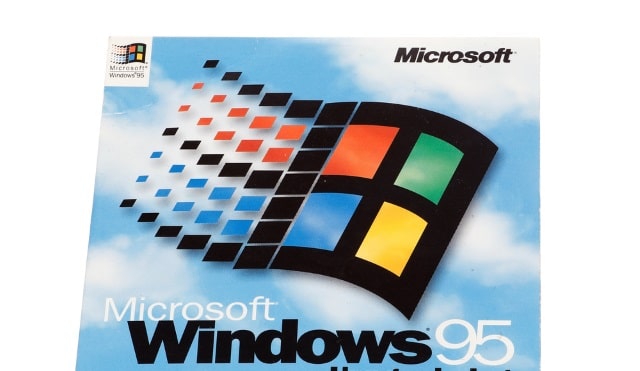
Developer launches new version of Windows 95 that runs under Windows 10, macOS and Linux
Who doesn't feel a little nostalgic from time to time? Progress is great, but sometimes it's nice to look back at how things used to be -- even if it's only to laugh at how different and primitive things used to be. The world of computing is no different in this regard.
Last year, developer Felix Rieseberg released Windows 95 as an Electron app to let 90s computer users relive their younger years. Now he's back with a second version of the Windows 95 app, and it's even better than ever -- gaming classics such as Doom and Wolfenstein3D are now included, for starters!
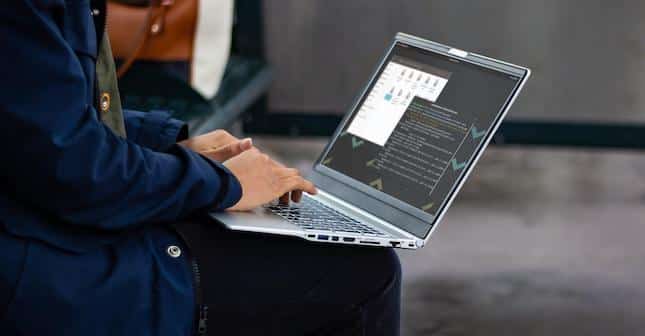
System76 'Darter Pro' laptop finally here -- support the Linux community and buy it!
At the end of last month, BetaNews shared with you that System76 was preparing to release a refreshed version of its Darter Pro laptop. This computer features a large 15.6-inch display and a rather thin and light body. There are many useful ports too, such as USB-C/Thunderbolt 3, USB-A, gigabit Ethernet, an SD Card slot, and both HDMI and DisplayPort for video. If you are a Linux user, the new Darter Pro really looks like a home run. System76 even managed to fit a number pad on the right side of the keyboard -- a much desired feature for many consumers.
We reported that the laptop would become available for purchase on February 5, and thankfully, that proved to be correct. Yes, dear Linux users, you can finally buy the new Darter Pro. Pricing is very competitive, starting at just $999! Best of all, by purchasing a System76 computer, you are supporting a longtime contributor to the Linux community.

Don't want to watch Super Bowl LIII today? Install the Kodi 18 Leia-focused LibreELEC 9.0 Linux distro instead!
Well, folks, it is finally here. After a rather lengthy beta period, LibreELEC 9.0 is available for download. Wait, are you not familiar with this specialized Linux-based operating system? Please know it is a lightweight OS that only exists to run Kodi -- the very popular open source media center. It provides an easy to use environment for consuming media, such as movies and music. This new version of LibreELEC is based on the recently released Kodi 18 Leia and can run on a lot of different hardware, including the very popular Raspberry Pi devices. Yes, with LibreELEC, you can turn a Pi (or many similar devices) into a powerful media box!
If you are dreading watching Super Bowl LIII later today, why not install and play around with LibreELEC 9.0 instead? Look, not everyone enjoys spectating sports -- don't let society make you feel bad about preferring to tinker with Linux than watch football. This new version of LibreELEC even has game emulation support, making it far more interesting than merely watching video and listening to music.

Privacy-focused Linux distro Tails 3.12 now available for download with many critical security bug fixes
We are living in a very confusing world these days. Computers and the internet were supposed to be our saviors -- a portal to all the knowledge of the world. While that is still largely true, computers have also eroded our privacy through a slow campaign of conditioning humans to accept more and more encroachment by companies into their lives. Facebook and Google, for instance, have recently stirred up much controversy by spying on users with nefarious apps -- more than usual. Both of those billion dollar companies dangled money in front of its users, enticing these people to hand over full access to their lives. Worst of all, teen children were targeted too.
With all of that said, I can totally understand people being suspicious and cautious of technology. Hell, even Windows 10 is spying on users with its hardcore telemetry. Thankfully, there are ways to access the internet while minimizing attacks on your privacy. One great option is Tails -- a Linux-based operating system that can be run from a flash drive or DVD. It is an invaluable tool to safeguard yourself -- especially for those in countries where there isn't free speech.
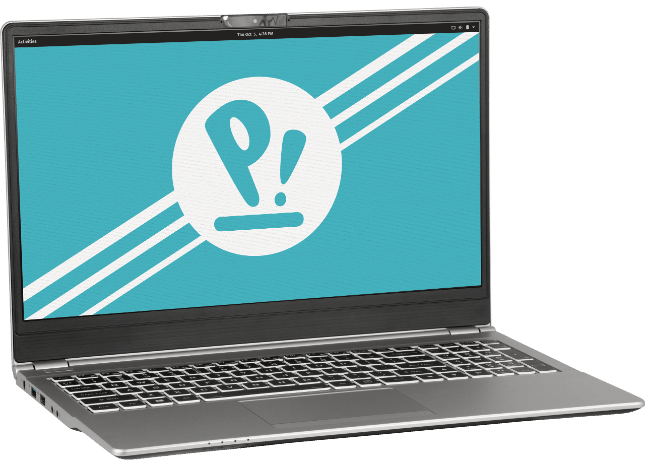
System76 unveils 'Darter Pro' Linux laptop with choice of Ubuntu or Pop!_OS
When people come to me for advice on buying a computer that comes with a Linux-based operating system pre-installed, my first suggestion is always System76. While other companies, such as Dell, also make great laptops running Ubuntu, for instance, System76 stands above the rest by also offering its own operating system -- Pop!_OS (which is based on Ubuntu). In other words, System76 has better control over the overall customer experience. Not to mention, its contributions to both the Linux and open source communities are invaluable.
Today, the company unveils its latest laptop, and it looks like a winner. The 15.6-inch "Darter Pro," as it is called, is thin, but not overly so -- it still has USB-A ports (thankfully). The computer is quite modern, however, as it also has a USB-C/Thunderbolt 3 port.
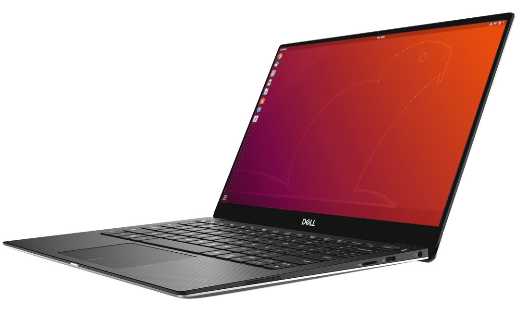
Dell XPS 13 (9380) Developer Edition now available with Ubuntu Linux
If you are a Linux desktop user, it is time to get very excited. Why? Because Dell has finally refreshed its XPS 13 Developer Edition laptop -- a very well-respected machine. Don't let the "Developer" in the name scare you -- it not only a great computer for devs, but home users, business users, and students too. This "Developer Edition" moniker simply indicates it is pre-loaded with Ubuntu Linux.
This newest version of the notebook, dubbed "9380," continues with Dell's focus on beauty and thinness, but it now has improved specs. Webcam users in particular will be delighted to know that the newest XPS 13 now has the camera on the top of the display rather than the bottom! Yes, there will be no more showing off the inside of your nostrils while video-conferencing.

Run Windows apps on Linux with the newly released Wine 4.0
It used to be, people would scoff at the idea of switching to a Linux-based operating system due to a lack of software. While that is still true for some folks -- especially business users -- it is less of a concern these days. Why? Well, so many things are done through the web browser nowadays, lessening dependence on Windows software. For many consumers, just having the Google Chrome browser on, say, Ubuntu, is more than enough to accomplish their wants and needs. Not to mention, there are many quality Linux apps like GIMP and DaVinci Resolve.
But OK, lets say you really want to use a Linux-based operating system, but there's some Windows-only software that you absolutely cannot live without. Thankfully, you may still be able to ditch Windows and upgrade to something like Fedora or Linux Mint. How? Thanks to the excellent Wine. This compatibility layer (don't you dare call it an emulator), can sometimes enable you to run Windows software on Linux. Today, version 4.0 is released.

Windows 10 users can now get Fedora Remix for WSL
Indie open-source startup Whitewater Foundry debuted WLinux for WSL (Windows Subsystem for Linux) four months ago. This new, open source Linux distribution, based on Debian stable, was specially optimized for WSL.
Now the company is back with a 'remix' of the popular Fedora Linux distribution for WSL that can be installed directly from the Microsoft Store.

Purism 'PureOS Store' will be for both desktop and mobile apps, and that's a mistake
Purism is a company that focuses on privacy, security, and open source ideology. What's not to love? It already manufactures Linux-powered laptops with cool features like hardware kill switches for webcam and wireless radios. This way, you can be confident that your hardware is less likely be hacked and used to spy on you.
The company's core values are noble and respectable, but financially, this won't necessarily signal success. In fact, competing with the likes of Microsoft, Google, and Apple for desktop computing is a very hard task. Even harder? Breaking into the mobile business which is dominated by iOS and Android. And yet, Purism plans to launch the Librem 5 smartphone (running Linux-based PureOS) at some point in the future. Of course, such a device will need an app store, so PureOS has finally revealed the name of its upcoming offering -- the unimaginatively named PureOS Store. Sadly, this will be an attempt to merge mobile and desktop into a single store.