
Malware writers exploit recent Windows Task Scheduler 0-day vulnerability
It's a little over a week since a vulnerability in the Windows Task Scheduler was revealed. A patch for the 0-day has been released by third party security firm 0patch, but there's bad news for anyone who hasn't secure their system against the security threat -- malware writers are already taking advantage of the flaw.
The exploit was partly facilitated by the fact that the source code for a proof-of-concept exploit for the ALPC LPE vulnerability -- as well as a binary -- was published on GitHub. Now a group that has been named PowerPool has been spotted using the code in a malware campaign.
0patch beats Microsoft to patching Windows 10 task scheduler 0-day vulnerability
Just 24 hours after a zero-day bug in Windows task scheduler was revealed by @SandboxEscaper on Twitter, the vulnerability has been patched. While Microsoft said it would "proactively update impacted advices as soon as possible" the patch has not come from the Windows-maker.
Instead, it was left to micro-patching specialists 0patch to produce a fix for the Task Scheduler ALPC Local Privilege Execution (VU#906424) security flaw -- one that is a mere 13 bytes in size.
Microsoft Windows task scheduler 0-day outed on Twitter
A privilege escalation bug has been discovered in Windows' task scheduler and revealed on Twitter. A proof-of-concept has been published, and the vulnerability has been confirmed to be present in a "fully-patched 64-bit Windows 10 system".
The security flaw was exposed on Twitter by user SandboxEscaper -- who has since deleted his or her account. An advisory about the vulnerability has been posted on CERT/CC, and Microsoft says that it is working to fix the problem.

Android apps carry hidden Windows 10 malware
Over 140 apps on the Google Play store have been discovered to contain malicious Windows executable files.
Researchers at Palo Alto Networks found that among the infected apps, several had more than 1,000 installations and carried 4-star ratings.
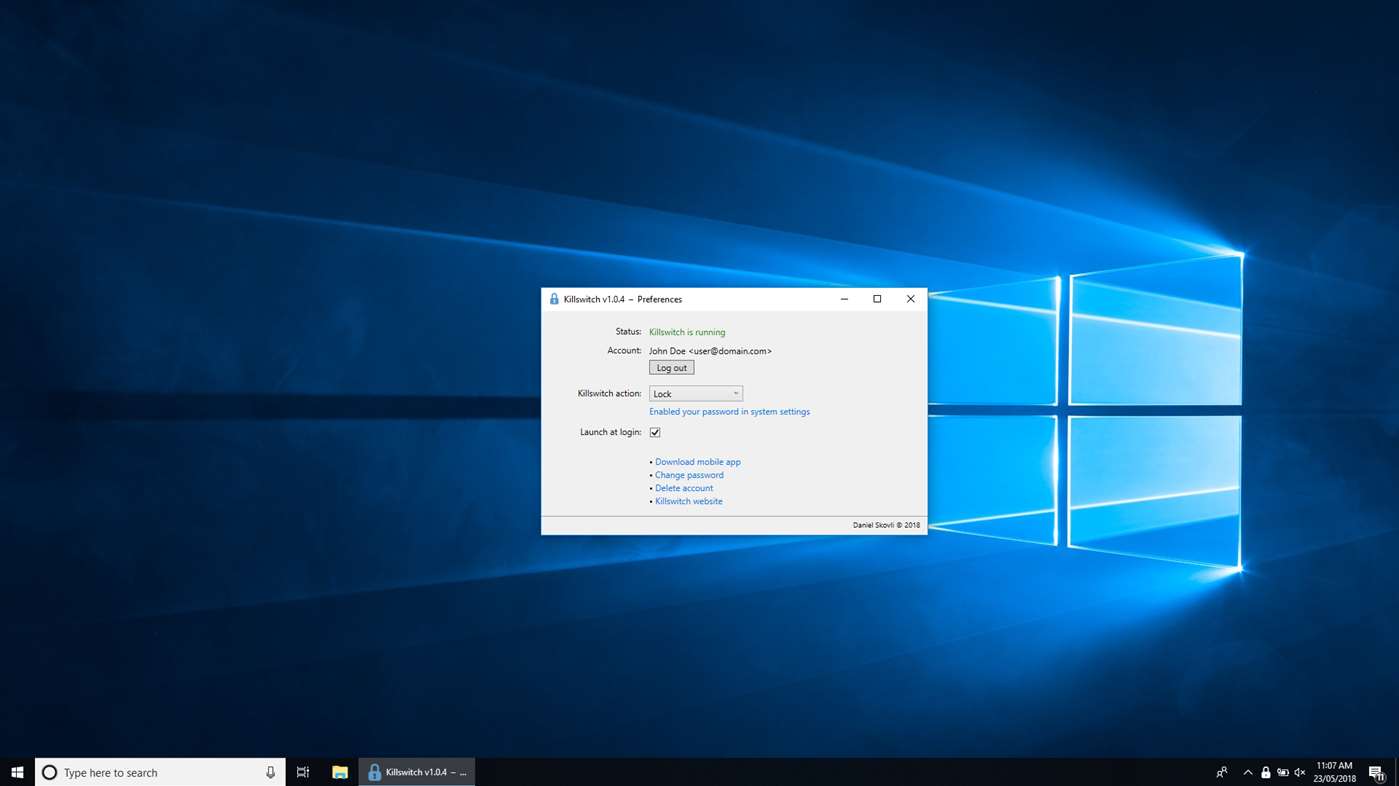
Best Windows 10 apps this week
Two-hundred-and-ninety-three in a series. Welcome to this week's overview of the best apps, games and extensions released for Windows 10 on the Windows Store in the past seven days.
The first feature release of 2019 for Windows 10 will reduce the likelihood that update reboots interrupt work by using cloud infrastructure and new prediction algorithms.

Classic Shell returns as Classic Start -- giving Windows 10 users a proper Start menu
When Microsoft scrapped the Start menu in Windows 8, users were up in arms. Most refused to upgrade to the new OS, which ultimately led to its failure and demise, and of those who did switch, large numbers sought out third-party Start menus.
The best of these options was unquestionably Classic Shell. A great free tool it offered users a choice of three different menu styles -- Classic, Two Columns and Windows 7 -- as well as other options for customizing various elements of the OS, including Explorer.

New solution provides adaptive authentication for Windows and Mac
Once a user is logged on, they typically have access to a wealth of sensitive applications and systems. Strong authentication at the front door therefore helps boost the overall security of the entire system.
A new adaptive authentication system developed by identity automation specialist SecureAuth Corp + Core Security, is available for Windows and Mac systems enabling adaptive and multi-factor authentication for users logging into servers, desktops, and laptops.
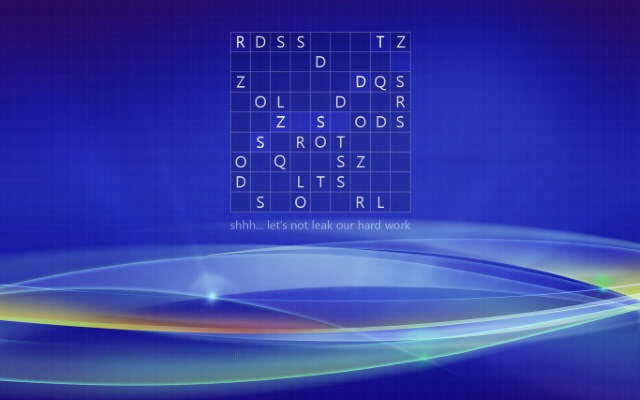
Microsoft developers hid a secret puzzle in Windows backgrounds as they knew images would leak
Microsoft developers working on Windows 8 created a puzzle and embedded it in the wallpapers used for internal builds of the operating system.
The team knew that the images would leak out to the public -- and probably the internal builds of Windows -- so they decided to have some fun with it. Over the course of numerous builds, the puzzle was developed -- but only one person ever solved it!
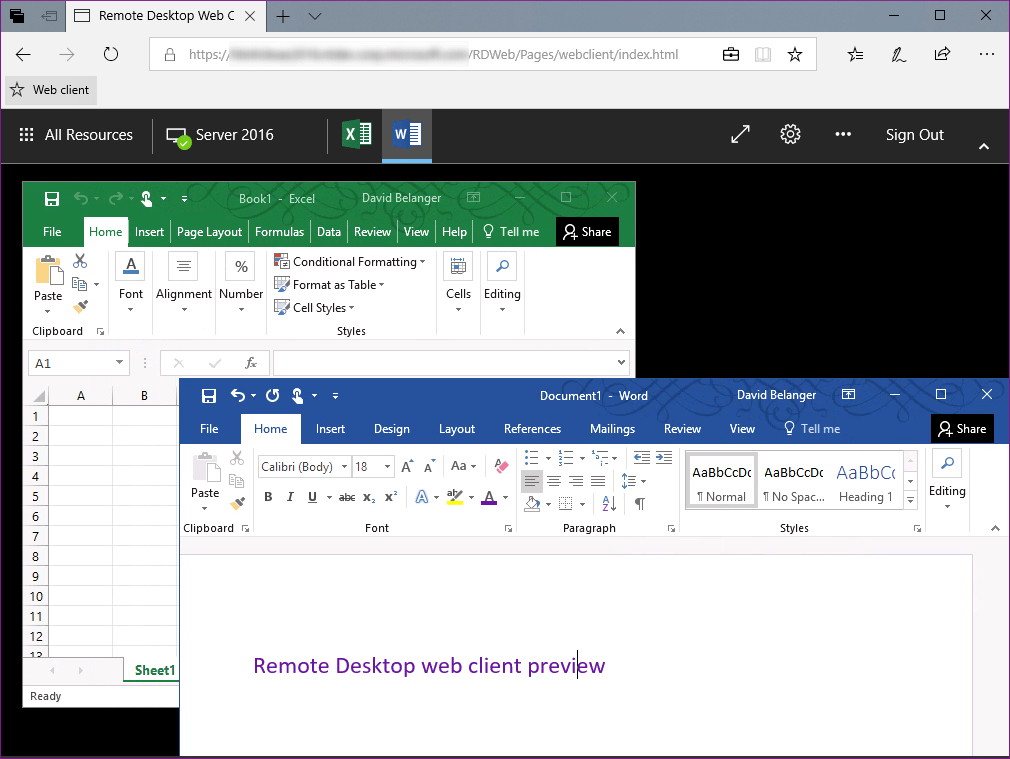
Microsoft releases HTML5-based Remote Desktop web client preview
Microsoft is working on an HTML5-based Remote Desktop client to allow Windows users to control their devices from the comfort of their favorite browser. The web app was announced at the Ignite event last year and it is now finally available to test.
The Remote Desktop client is offered as a preview at this stage, and is accompanied by official documentation on how it can be set up on Windows devices. The web version is compatible with Windows 7 SP1 or Windows Server 2008R2 and newer, but it also requires a "compatible" browser as well.
Download Windows Server 2019 preview ahead of the launch later this year
Microsoft has revealed details about the upcoming Windows Server 2019. Due for release later in the year, there's a preview available for download right now, giving users the chance to try out the new features, including Linux and Kubernetes support.
Announcing the availability of the build to Windows Insiders, Dona Sarkar said that Microsoft is "pleased to release the first build of the Windows Server 2019 Long-Term Servicing Channel (LTSC) release that contains both the Desktop Experience as well as Server Core in all 18 server languages, as well as the first build of the next Windows Server Semi-Annual Channel release."
Force Windows 7 security updates even if you don't have antivirus software installed
Compatibility issues with patches for the Meltdown and Spectre vulnerabilities saw Microsoft blocking the rollout of security updates to Windows users. The company has just changed its policy for Windows 10 users, but this does not help anyone running Windows 7 or 8.x.
The problem is that updates are blocked for people who have not installed antivirus software known to be fully compatible. When such software is installed, a registry entry is created, and this allows updates to be installed. If you've decided to run the risk of operating without antivirus software installed, this registry won't be created and you won't receive security updates. Unless you hack it, that is.
Chrome for Windows drops Microsoft compiler in favor of Clang
The Windows version of Google Chrome is ditching Microsoft's C++ Compiler and switching to Clang. The change brings Chrome for Windows in line with versions of the browser for macOS, Android and Linux.
The move not only makes complete sense for Google -- why not use the same compiler on all platforms, after all? -- it makes Chrome the first high-profile Windows app to make use of the open source compiler Clang.
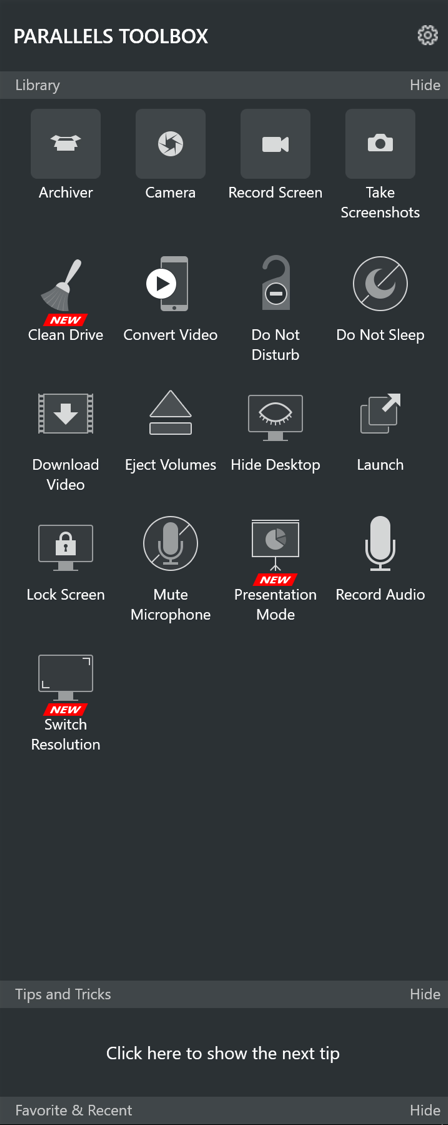
Parallels Toolbox 1.5 for Windows adds presentation mode and disk cleanup tool
Parallels may be best known for its virtualization software for Mac, but the company is also active in the Windows scene. One of its most interesting programs is Toolbox, which, as its name suggests, offers a suite of tools to help power users make the most of their PC.
And, today, it gets an update, as Parallels releases Toolbox 1.5 for Windows. The new version adds a presentation mode, a disk cleanup tool and an option to quickly change your display's resolution.

Microsoft gives sysadmins Meltdown and Spectre detection in Windows Analytics
Microsoft has released an update to its free Windows Analytics tool, giving system administrators a new way to check for the Meltdown and Spectre vulnerabilities.
The update not only makes it possible to see whether firmware patches are already installed or if they are needed, but also helps sysadmins to determine whether the patches are causing problems of their own. The checking tool is available for fully updated versions of Windows 7 through Windows 10.

NYPD replacing Windows phones with iPhones
The New York Police Department is finally giving its officers smartphones they can rely on, as it moves to replace its aging Windows smartphones with iPhones. The NYPD made its decision public last year, in August, but has only recently started to hand out the new devices.
According to the New York Daily News, the NYPD started the roll-out around Christmas. Around 600 devices are handed out every day and, based on what the report says, officers are excited about the change.