
Ecommerce traffic being hijacked by client side malware
According to new research 15 to 30 percent of eCommerce site visitors are infected with Client Side Injected Malware (CSIM) that causes them to view injected ads, malicious links and fraudulent spyware on otherwise legitimate sites.
These findings are from a study by online security company Namogoo which shows that CSIM has grown rapidly in the past two years and is able to operate completely undetected by site publishers because it lives locally on consumers' systems.

Windows Phone security is top notch, says Kaspersky
There is lots of talk surrounding the level of protection offered by leading mobile operating systems Android and iOS. Whether it is about a new vulnerability, or new security features, it does not take you long to find an authoritative comment assessing their security capabilities.
That is, however, not the case with Windows Phone, which is hardly -- if ever -- given similar levels of attention. It can be argued that this is due to the low popularity of the tiled smartphone operating system, which borders on 3 percent market share, making it a significantly less-attractive target. Nonetheless, there is now an assessment of Windows Phone's security that we can rely on, coming from Eugene Kaspersky.

iOS Mail vulnerability lets hackers steal your passwords
Users of iOS, beware. An unfixed vulnerability has been found in the Mail app, which allows hackers to steal passwords by sending an email.
The flaw was first noticed by Ernst and Young forensic bod Jan Soucek. He has created a tool capable of generating slick iCloud password phishing emails he says exploits an unpatched bug.
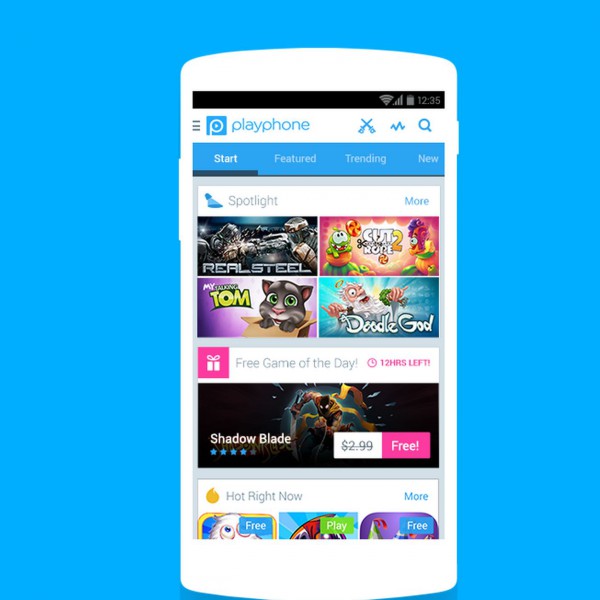
Cyanogen Inc partners with Playphone -- a Google Play Store competitor
If you are an Android user, there is a good chance you have downloaded apps and games from the Google Play Store. For many users, the search giant's store is probably their only known way to install apps on their devices. In reality, however, there are many alternative app stores, with one of the most popular coming from Amazon.
Today, an app store called Playphone -- focusing on distributing games -- announces a partnership with Cyanogen. Yes, the CyanogenMod maker will be distributing Playphone with its Cyanogen OS in select markets. This alternative app store is home to popular developers such as SNK Playmore and Square Enix. Will this anger Google?

Apple hits Google where it hurts
I have some advice for the European Union Competition Commission: Lay off. You don't need to reign in the Google monopoly. Apple will correct the market around search and mobile. That's one of two related takeaways from Monday's WWDC 2015 keynote. iOS 9 and OS X El Capitan up Apple's push into search and proactively-delivered information in big ways. That is if delivery is as good as the company promises.
The other takeaway harkens back to what I told you last week about Tim Cook's piracy rant against unnamed Facebook and Google alongside the friggin U.S. government -- plural if thinking beyond the Feds: It's BS marketing. Apple prepares a major competitive assault against Big G, hitting where damage can be severe: Perception and profits. I cannot overstate Google's vulnerability, which ironically is where the search and information giant exploited Microsoft during this Century.

Future cars to be seen as 'a big moving mobile device'
As smart cars enter the mainstream, carmakers will have to work out a way to properly collaborate with start-ups, which means they have to start thinking like one.
That was the general conclusion of a TechCrunch/TechNode Shanghai panel when Juergen Bauer, who manages the Audi-Tongji Joint Lab in Shanghai, asked a panel of representatives from car companies about how the auto industry can handle the transition.
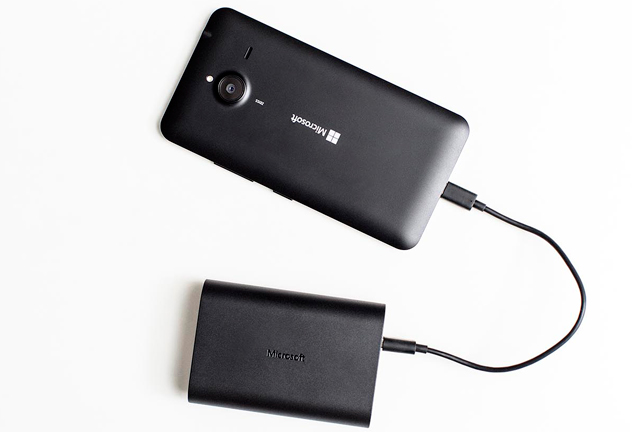
Microsoft Portable Dual Chargers give smartphone junkies a power fix
For technology junkies, electricity is like crack cocaine. During a blackout, it can seem like users go through withdrawals without access to their precious internet and computers. Mobile devices are the best examples of this; when a user's smartphone battery is depleted, it is like the end of the world. They will sit on a filthy Starbucks floor just to charge their phone in an available outlet.
Sadly, more and more phone manufacturers are forgoing the removable battery option, making a battery swap an impossibility. Luckily, portable battery packs solve this issue, allowing users longer portability without needing to seek out an outlet. Today, Microsoft unveils its own such model.
Security firm Kaspersky Lab hacked by a 'nation state'
Security firms are supposed to keep us safe from threats like malware and hacker attacks, but occasionally they fall foul of the bad guys too. A year ago Avast was hacked, and some 400,000 user details were stolen. Two years ago, AVG and Avira had their websites taken over by pro-Palestinian hackers.
The latest security firm to be hacked is Russian anti-virus software maker Kaspersky Lab.
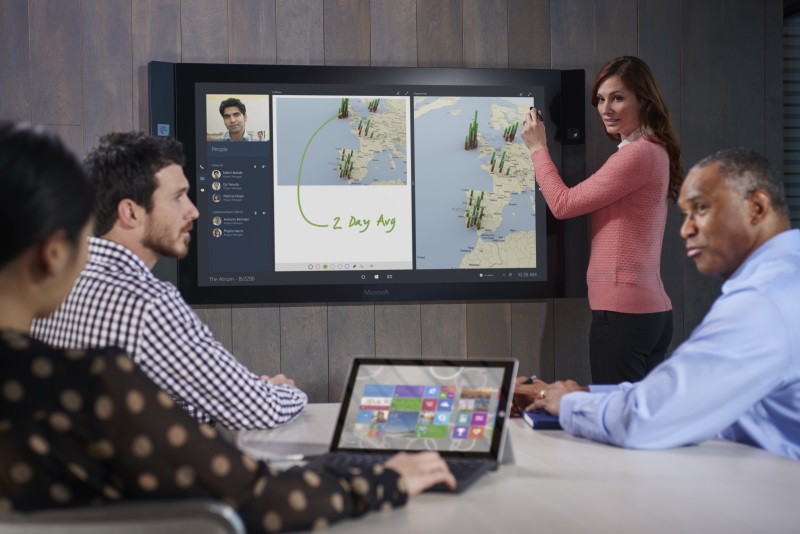
Microsoft Surface Hub coming to a business near you soon
The promise of surface computing for businesses seems to have been around for ages, remember all those cool videos of interactive coffee tables and screens from around three years ago? Yet so far there hasn't been a great deal of practical application.
That could be about to change as Microsoft makes its Surface Hub available for businesses to order in 24 markets -- including Australia, North America, Japan, the Netherlands, Singapore, and the UK -- from July 1.

Capture.NET is the Swiss army knife of PC desktop tools
Capture.NET started life more than ten years ago as a simple screen capture tool. But then the developer began to expand it, with a clock, timer, calendar tools, text notes, program launcher, magnifier, screen ruler, backup tool and more.
That’s not bad, especially as the end result is portable, ultra-lightweight (a single 1.4MB executable) and free for personal use. But can this kind of all-in-one tool really replace more specialist programs? We took a look.


Dish Network is the pay-TV company that gets it
While its competitors were fighting about Weather Channel royalty fees and customer service fiascos, Dish Network was blazing ahead to become an exceedingly relevant TV provider in a 21st century landscape. Its new effort to merge with T-Mobile is just the latest example.
As has been widely reported, Dish and T-Mobile are in discussions to become one entity that would give a huge amount of wireless spectrum to T-Mobile and give Dish a completely unique position in the mobile marketplace.

How businesses should tackle information security
As the role of Information Technology continues to grow and evolve within business, the potential risks associated with accessing, storing, sharing and protecting information are similarly increasing. In order to better equip themselves to adjust to these kind of threats, businesses need to consider the various risks they might be vulnerable to and implement a reliable strategy to deal with these effectively and efficiently.
Firstly, let’s consider a few threats. In each of the scenarios below, a vulnerability can result in a serious risk to your business:

Apple's arguments for 16GB iPhones are disingenous
If you cannot expand the storage capacity on a high-end smartphone, 16 GB of available space just isn't enough. Install all your favorite apps and games, maybe try a couple of new ones, add some music, use the device for a while, and you end up with an alarmingly-low available capacity. As someone who is using a 16 GB iPhone 6 Plus daily, I have to work around this restriction.
And I shouldn't have to, which is why I find Phil Schiller's arguments on why the company he represents as SVP still makes 16 GB iPhones to be disingenuous. Phil, at least be honest: it is all about the money.
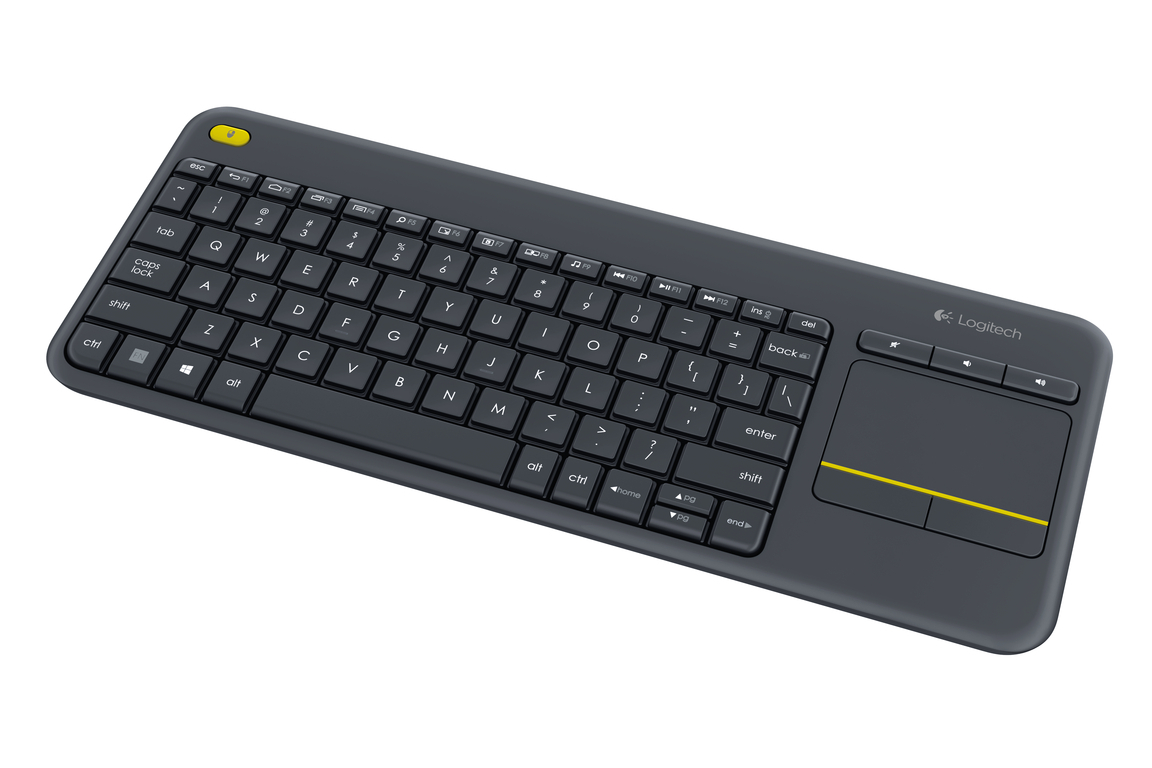
Want to hook your PC to your TV? New Logitech keyboard can handle it
Logitech is no stranger to making a keyboard or mouse, nor is the company unfamiliar with the living room. Last year it released a home theater keyboard -- the Harmony Smart Keyboard. Now an updated version of the same concept is being announced, though this time without the Harmony name attached. This one is actually a successor to a previous model.
The Logitech Wireless Touch Keyboard K400 Plus aims to help you control your living room via a computer hooked to the TV, in other words an HTPC. Logitech claims a wireless range of up to 33 feet for this device. There's also no mouse required, as the keyboard has a built-in touchpad. It also comes with batteries that Logitech claim will last 18 months.