
Google revamps age rating system for Android apps in Play Store
Google's system of rating apps and games in the Play Store has been relatively simple up to now. A rudimentary high, medium, and low labelling format has been used to give a rough indication of the age a particular title is suitable for, but things are about to get a lot more complicated. Developers are now required to answer a questionnaire about their apps so they can be assigned movie-style age ratings.
Sounds simple enough, but this is not a global system; different parts of the world have different views of what is suitable for different age groups. What is deemed acceptable for 15-year-olds in one country might be thought suitable only for over 18s somewhere else. Any app that does not receive an age rating will simply not appear in Google Play.

New platform offers simpler big data operation
The adoption of big data often sees developers struggling to balance multiple data models, hybrid architectures, distributed workloads and more.
Seattle-based Basho Technologies is looking to simplify the operation and integration challenges of deploying and managing big data, IoT and hybrid cloud applications with the launch of its Basho Data Platform.

Autoruns displays Office add-ins, more startup locations
Microsoft Sysinternals has announced the latest round of updates for its stellar PC maintenance tools.
Startup program detector Autoruns 13.4 now reports Office add-ins, showing you the associated DLLs, their location and VirusTotal score.

Internet of Things can help keep the elderly safe at home
A major challenge for society in the near future will be meeting the needs of an aging population, set to rise by 23 percent from 2010 to 2018, with the 65+ UK population expected to reach 16.9 million by 2035.
The combined pressures of this demographic change, reduced health and social care budgets and the desire of individuals to lead independent lives for longer will drive the need for more personalized health programs based on home-centric care.
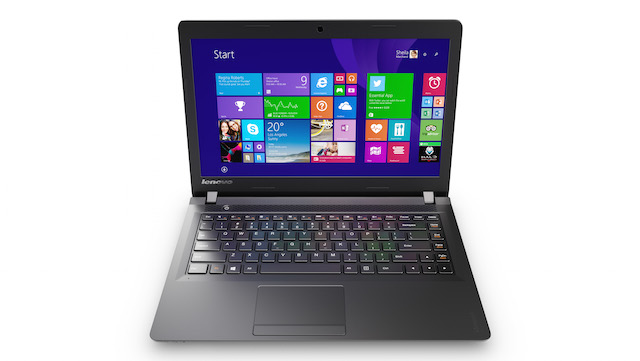
Lenovo unveils another Chromebook competitor -- $249 Windows 8.1 laptop
With PC shipments continuing on a downward slope, manufacturers are finding new ways to attract consumers. In the high-end segment, it is all about specs: high-resolution screens, lots of battery life, powerful processors and so on. But, at the other end of the spectrum, the focus is on value for money -- to a certain extent, it is about cramming as many nice things as possible into a package that does not break the bank.
Chromebooks are probably the offerings that best cater to this audience's needs, assuming folks can live without Windows on their new machines. If that is not the case, there are a couple of interesting options on the PC side, one of which is Lenovo's new ideapad 100 line.
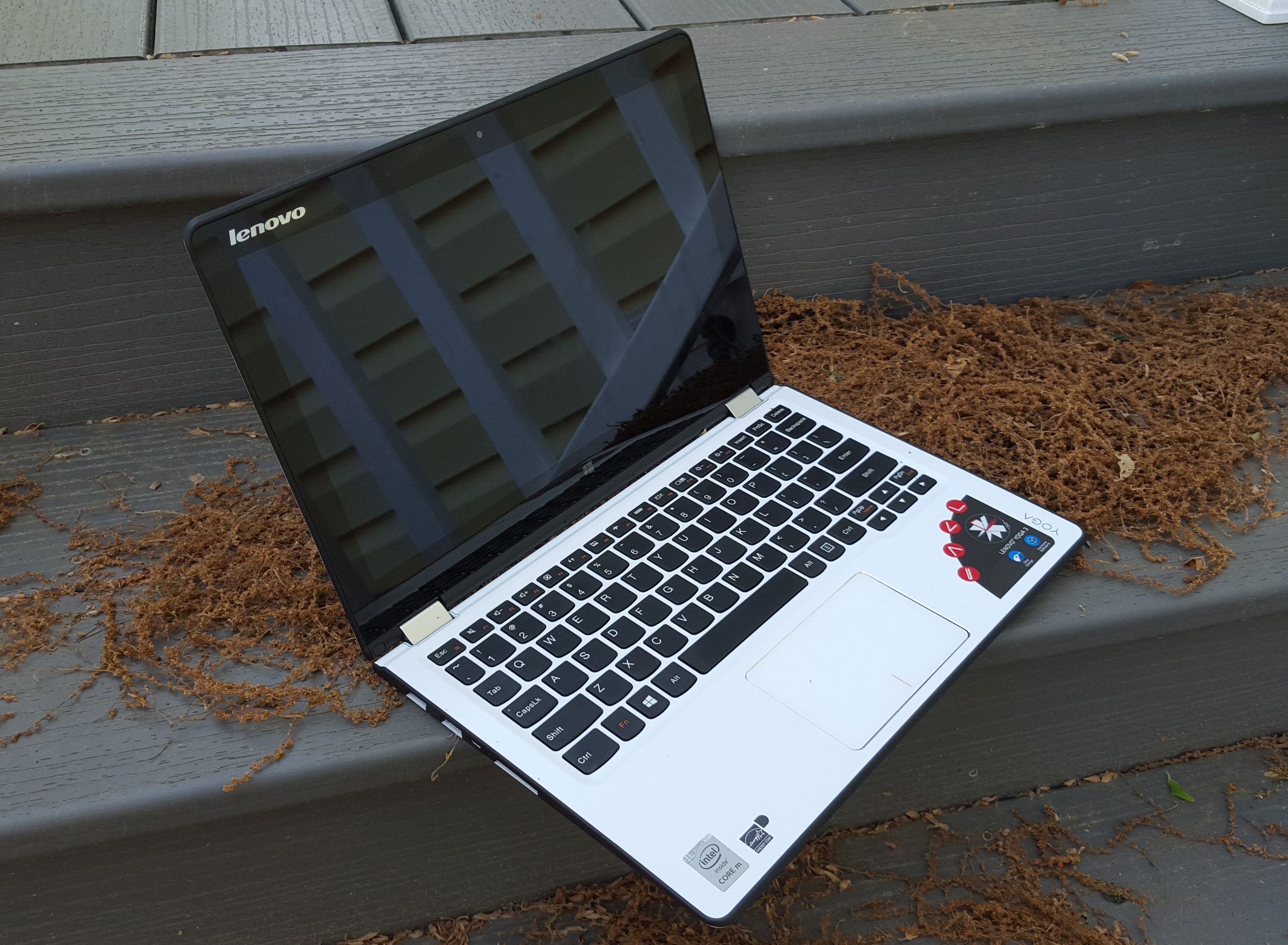
Lenovo Yoga 3 11 -- thin, light, beautiful, and wonderful [Review]
Lenovo's Yoga line of laptops has been a favorite of mine. In addition to Microsoft's Surface line, Yoga has proven to be a great way to experience Windows on a 2-in-1 with very little compromise. While I was a fan of the 13 inch Yoga variants, I found them a bit too large for my liking. Believe it or not, I prefer 11.6 inch laptops as I am always on the move; I'll turn anything into a work space as long as there is Wi-Fi (shout-out to Starbucks).
When I got the opportunity to review the all-new Lenovo Yoga 3 11, I was elated. Not only does the size and Yoga flexibility meet my needs, but Lenovo quality is something I am fond of too. Historically, I have found the manufacturer's hardware to be well-built and reliable. Will the Lenovo Yoga 3 11 match my high expectations?

LG and Sony partner with Microsoft to save their Android devices
There is something happening in the Android world -- consumers just aren't caring about the latest and greatest flagships like they used to. Even Samsung, once thought to be unstoppable, is facing declining sales. It almost seems as if consumers are fatigued to the upgrade cycle. While a new iPhone is a magical annual affair, the market is flooded with so many Android phones, it is hard to differentiate one from another. The major manufacturers are even starting to feel pressure from smaller companies such as OnePlus.
What are manufacturers such as Sony and LG supposed to do to make their smartphones stand out? Turn to Microsoft, apparently. Yes, both of those aforementioned manufacturers, plus a bunch of others, are turning to the Windows-maker in an effort to get Skype, Office and more pre-loaded on their devices. In other words, maybe Microsoft can save their device's from Google's perception-stranglehold and overall monotonous Android sales environment.
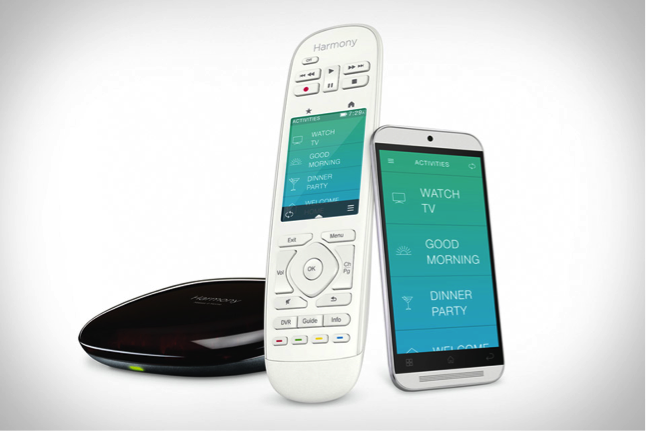
Logitech begins adding older remotes to roster of home control devices
There is perhaps no better purveyor of the universal remote than Logitech, which owns the Harmony brand. It's not necromancy, just solid engineering and hardware and software that just works. Perhaps that is why it has remained popular and Logitech has continued to improve things since taking over.
Now the company is stepping back a bit, but doing so in a good way, as it brings more home control to some of the older models via the Harmony Hub.
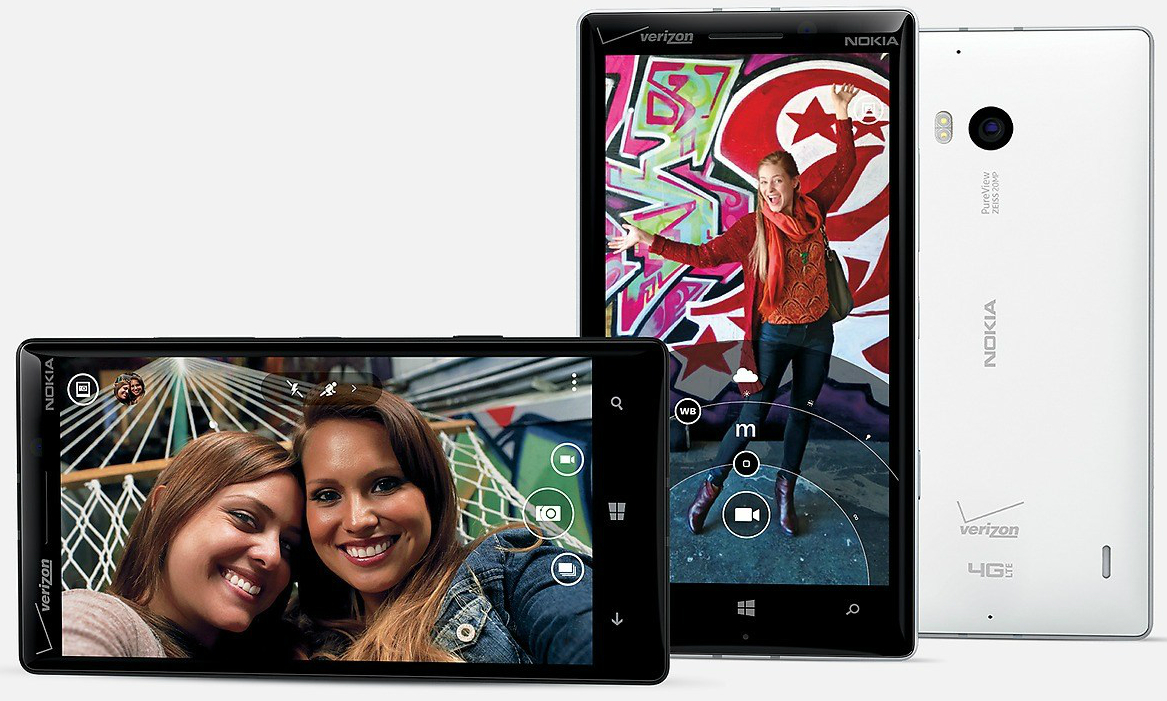
My sister abandons Windows Phone
Mobile apps do matter, otherwise my tech-savvy sister wouldn't be giving up one of the best smartphones on the market: Nokia Lumia Icon (which is the 930 internationally). She bought the handset from me last summer and from Day 1 praised the utility and usability of the user interface, attractive but sturdy design, and amazing hardware capabilities, which include the quality of images produced by the camera.
Nanette rang Thursday afternoon, explaining that she had reached the inflection point of frustration finding apps she wanted or absolutely needed. She wanted my advice about a replacement. Should she return to iPhone (Nan used the 4 before Icon) or get an Android? Her user story illuminates what can happen when someone entrenched in the Microsoft ecosystem raises his or her head above ground and sniffs the Android and Apple air.

Pets are destroying tech
"The dog ate it" is a classic excuse for failing to deliver homework, but a new study shows that it also explains a good deal of damage to various items of technology. You may well have dropped a phone in the toilet, smashed a tablet on the floor or accidentally obliterated a laptop screen, but it seems our furry friends are just as much to blame as us bipeds.
Figures released by insurance company SquareTrade show that in the last five years, pets in Europe have been responsible for the destruction of £1.5 billion ($2.3 billion) worth of tech. British households have been hit with the highest pet vs tech bills, with cats, dogs and other domestic creature clocking up £358 million in damage.

Fedora 22 is here -- Linux fans, get excited!
The large number of active Linux distributions nowadays is problematic. While some will say more choice is a good thing, I must disagree in this regard. This can potentially overwhelm people that are Linux-curious, causing them to abandon their open source journey before it begins.
Quite frankly, beginners should only target two distros -- Ubuntu and Fedora. The former is the easier and more accessible of the two, but the latter is arguably better from a learning experience. Today, after a long wait, Fedora reaches version 22.
Roku Search, Feed and new Roku 2 now available in the UK
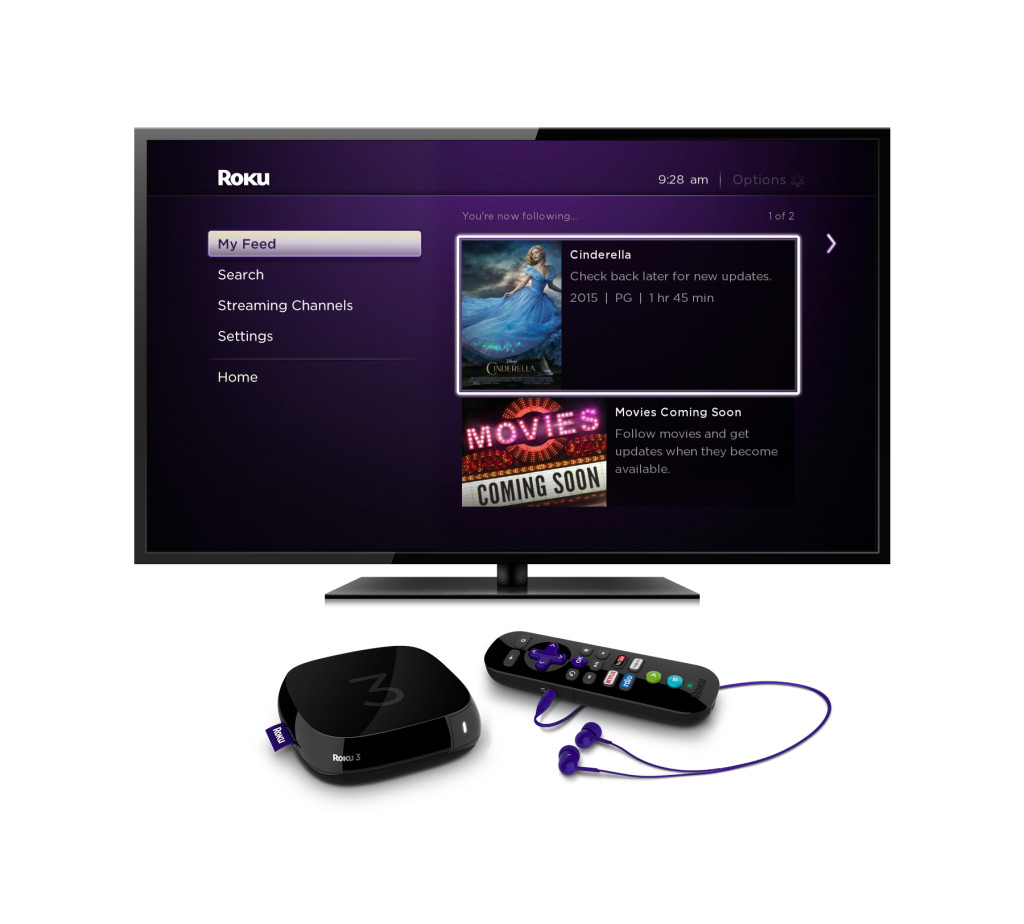
Roku, the small set-top box, has become wildly popular in recent times. It is also constantly adding new content via "channels" and trying to improve the hardware offerings as well. Now folks in the UK will get the latest improvements.
Roku Search is, perhaps, the biggest part of the announcement, as it allows customers to more easily locate the content they wish to watch. For the moment it only covers a few key channels -- Netflix, Snagfilms and Popcornflix -- but Roku plans to add many more channels in the future.
Google starts to show tweets in search results
Twitter has become more than just a soundboard for those looking to voice an opinion -- although obviously it is still that. It has morphed into a valuable resource for delivering information in real time. This is particularly useful when it comes to keeping up to date with breaking news.
Starting today Google will tap into this wealth of information for its search results. The feature is starting life in Google apps on iOS and Android mobile devices, but will spread its way around the world and to the desktop soon.
1&1 Cloud Server offers scalable computing for smaller companies
One of the problems for smaller businesses when specifying servers is that it's easy to be caught out by a sudden surge in traffic or need for extra capacity.
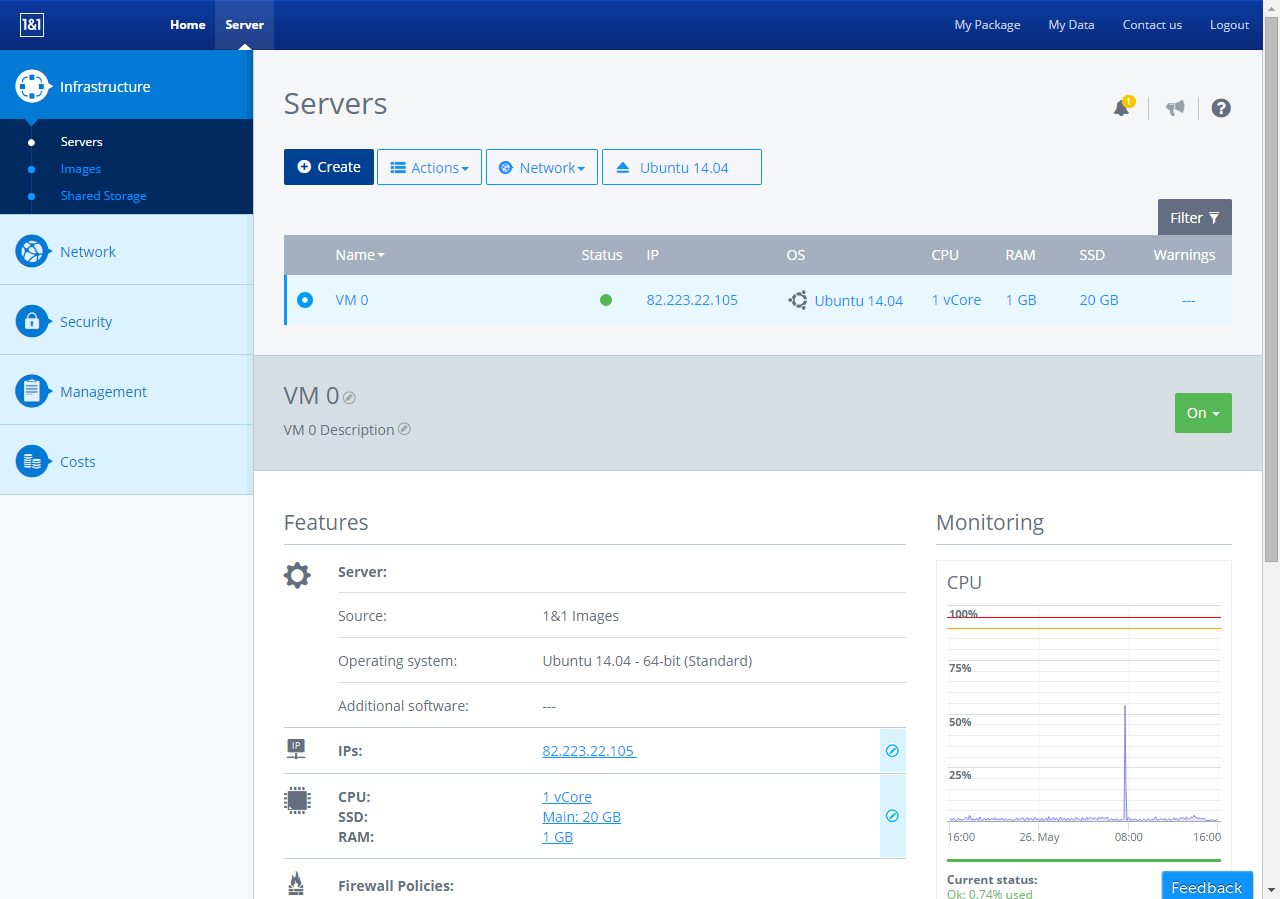
It can take time to ramp up capacity to cope during which you could be losing business. Hosting company 1&1 Internet has launched its new Cloud Server solution aimed at smaller businesses which offers flexibility and control along with a transparent pricing model.
Everything you need to know about Microsoft's Cortana on iPhone and Android
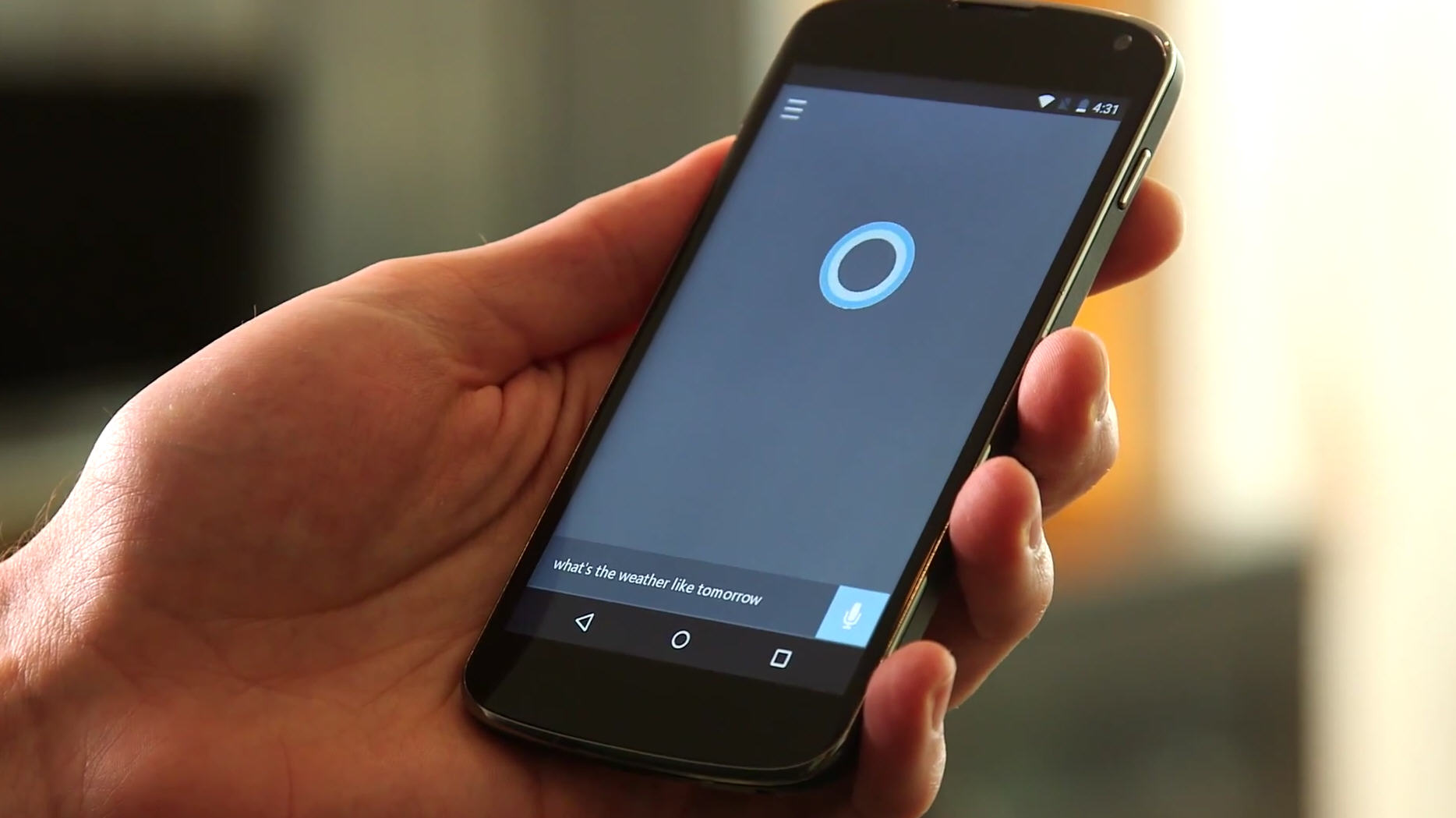
The newly announced Windows 10 Phone Companion App will let you link your Android or iOS devices to Windows 10, but that’s not all. It will also give users of those rival mobile operating systems access to Cortana. I’ve used both Siri and Cortana, and I much prefer Microsoft’s virtual assistant over Apple’s. Having access to both (or Cortana and Google Now, in the case of Android), is great news for consumers.
To make use of Cortana you’ll need to have Windows 10 installed on a PC, and the Cortana app for iOS or Android. These isn’t available yet, but Windows Insiders will be able to try out the Phone Companion app in a future Windows 10 Insider Preview Build which is set to arrive in the coming weeks.