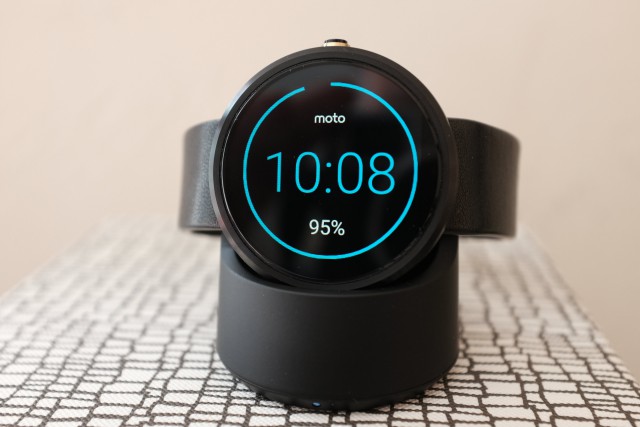
My Two months with Moto 360 [Review]
A smartwatch by any other name is compromise. The question: How much are you willing to pay, if anything, for the privilege? No matter what any manufacturer promises, battery life will never be enough, particularly when daily recharging is the minimum requirement. If you use the wristwear as prescribed, no less is demanded, regardless of the device maker. None delivers daily use without sacrificing something.
Nearly all these mini-computers on the wrist aren't smart enough. You need a phone, too. Is two of one and half-dozen of the other worth the trouble? The answer depends much on your lifestyle. If you text and drive, and can't break the habit, a smartwatch could save your life or others. If your mobile handset feels like a ball and chain, adopting glance-and-go lifestyle can liberate you. But if your smartphone is practically surgically attached, for its frequent use, you shouldn't add another tech accessory. If your phone battery often runs out, because you forget to plug in, don't multiply your troubles. If you don't wear a watch now, and haven't for years, don't bother.
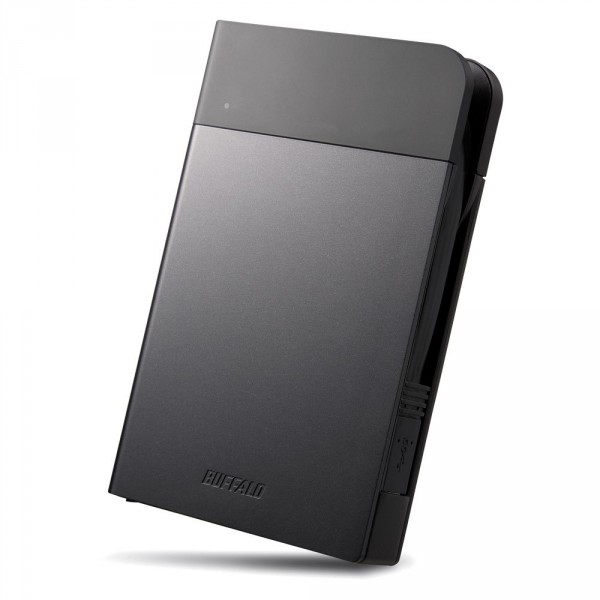
Buffalo announces rugged MiniStation Extreme NFC USB 3.0 hard drive
While many people focus on speed and capacity when buying storage devices, an often overlooked aspect is security. Of course, not everything necessarily needs to be encrypted and protected; while Aunt Edith's recipes and your family reunion photos are valuable to you, they aren't exactly the target of hackers or rogue government nations.
If you do need to encrypt and protect files, however, there are many options available to you. Today, Buffalo announces a unique drive, which offers NFC to securely access the hardware-encrypted drive. Rather than using biometrics or a password, an NFC smart card is all you need to unlock the rugged, water and dust resistant, military-grade MiniStation Extreme NFC USB 3.0 hard drive.

So much for Apple exclusivity, PlayOn gets HBO NOW
When Apple announced HBO NOW for Apple TV people were riveted by the fact the company had once again pulled off a deal reminiscent of iTunes music deals. Except the rumors claimed the exclusivity would last through July and it didn't. The app quickly came to other services and then the channel itself launched on Sling TV, making the app somewhat unneeded.
Now things progress further as PlayOn is offering HBO NOW. The app has long been expected and anticipated as it gives viewers the ability to watch the premium channel without the previous need of having a cable or satellite subscription -- something HBO GO is saddled with. It comes just in time for some folks (or perhaps too late) as HBO is taking action against those who've downloaded episodes of Game of Thrones illegally.
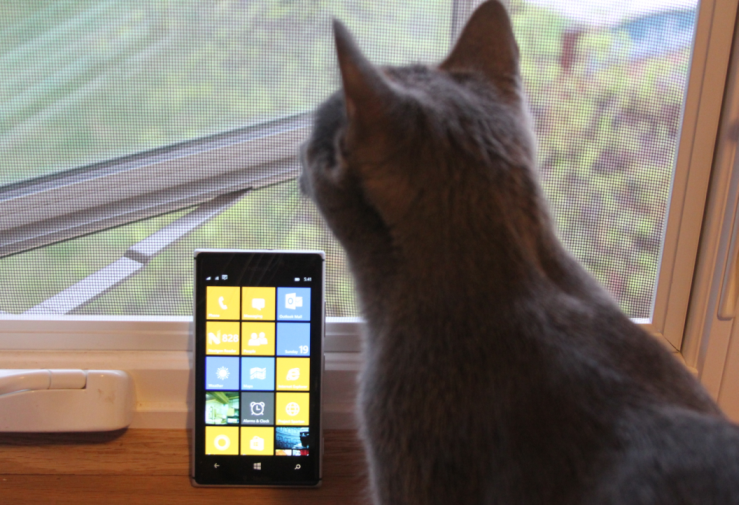
One Week Later: Windows 10 Technical Preview for Phones on my daily Lumia 925
Microsoft made it pretty clear: Windows 10 Technical Preview for Phones is still only meant for serious technical testers only. Of anything I've learned after one full week using my daily Lumia 925 on the preview release, it's that this OS is far from ready for primetime. But that's not necessarily a bad thing, per se.
I decided to write up some of my thoughts about Windows 10 Technical Preview for Phones 10051 before I rolled back my phone to Windows Phone 8.1. Yes, willingly, I spent the last work week using my daily Lumia 925 on preview build 10051, the latest and only second release Microsoft has publicly doled out for the community.
Microsoft enters the PaaS market with Azure Service Fabric
Cloud computing has stepped up the pace of app development, with many businesses coming under pressure to deliver new services fast.
Following on from last month's launch of the Azure IoT Suite, tech giant Microsoft is stepping into the platform as a service (PaaS) space with Azure Service Fabric.
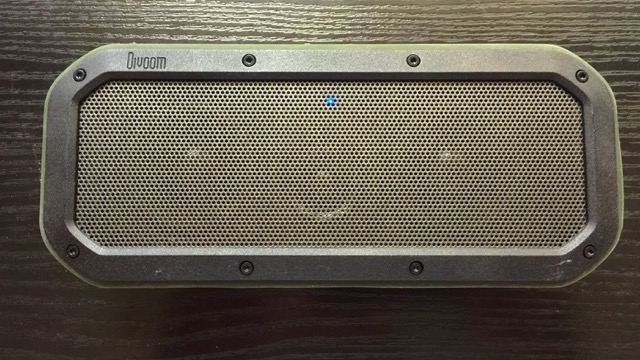
Divoom Voombox-Outdoor portable Bluetooth speaker [Review]
Smartphone speakers are rubbish when it comes to playing music. There are some exceptions, like HTC's One M flagships, but, generally speaking, the sound quality just isn't there. There is only so much you can ask for from a tiny little speaker, trapped inside a small shell. So, if you want more oomph, you will have to hook up your smartphone to an external speaker.
Of course, if you want something that you can carry with you, you should actually be looking at a portable speaker. An interesting such offering is Divoom's rugged Voombox-Outdoor, which can connect to your smartphone either through a cable or, better yet, via Bluetooth. Here is what you should know about it.
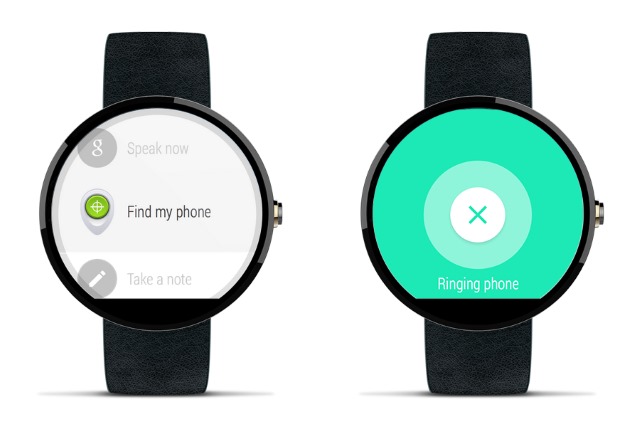
Android Wear update brings always-on apps, Wi-Fi support and improved navigation
Much as Apple would like you to think otherwise, Apple Watch is yet to blow other wearables out of the water. Smartwatches are still something of an emerging technology, but Google has managed to carve out yet another niche for itself with Android Wear. Today the company unleashes an update that aims to make Android-powered watches easier to use.
The first major addition is support for always-on apps. Most Android Wear watches included support for displaying the time round the clock (sorry!) but this feature has now been expanded to other apps. If you're using your watch to get directions or follow a shopping list, you can opt to keep the relevant app active at all times. The update has more to offer too.

The top 5 reasons why IT projects fail
Research suggests that large IT projects are at far greater risk of failure than smaller ones. McKinsey revealed that 17 percent of IT projects budgeted at $15 million or higher go so badly as to threaten the company’s existence, and more than 40 percent of them fail.
However, regardless of business size IT projects are failing everyday -- some are big budget and high profile and make the headlines, others receive less attention, but can be equally damaging to those concerned. But why and what can you do to prevent failure?

Could Windows 10 really be set to arrive in July?
There were a few raised eyebrows when Microsoft announced it was planning a summer release for Windows 10, its next operating system. Most people assumed the tech giant was anticipating a late summer release -- September possibly -- but now it seems we might be seeing the new OS much earlier than anyone could have predicted.
According to AMD, and as reported by The Verge, Windows 10 will launch in late July. Which seems like an incredibly optimistic target.

Containerization is a winning strategy for smarter BYOD management
Mobile devices have become the preferred means of accessing data and applications, wherever and whenever individuals desire. Today, on average, individuals have two to three mobile devices. Employees expect to use their own preferred tools and technologies to do their work; personal mobile devices are chief among them.
Hence, the BYOD movement is now mainstream and growing. In fact, Forrester estimates that 70 percent of mobile professionals will conduct their work on personal smart devices by 2018.
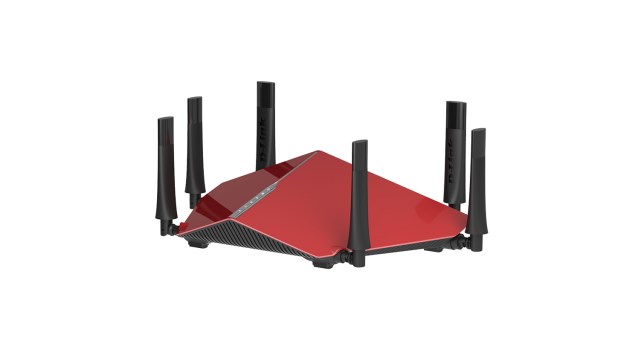
D-Link says sorry for shoddy security and sloppy patching of its routers
D-Link has issued an apology to its customers for an on-going security issue with many of its routers. A problem with the Home Network Administration Protocol (HNAP) means that it is possible to bypass authorization and run commands with escalated privileges.
The list of routers affected by the issue is fairly lengthy, and D-Link has already issued one patch. But rather than fixing the problem, last week's update left routers wide open to exactly the same problem. As it stands at the moment, a firmware patch is still being produced for a total of 17 routers. In the meantime, all D-Link has to offer is an apology.

Create HTML family trees with Genealogica Grafica
Genealogica Grafica is a Windows shareware application which creates various family tree charts and reports from GEDCOM files, saving them as HTML files ready for sharing on your own website.
If the program name sounds familiar, that’s no great surprise -- the first release appeared way back in 2006. But after a long pause, development seems to have resumed again, with support for Unicode and (partially) stylesheets. We downloaded the latest release to see how it looked.
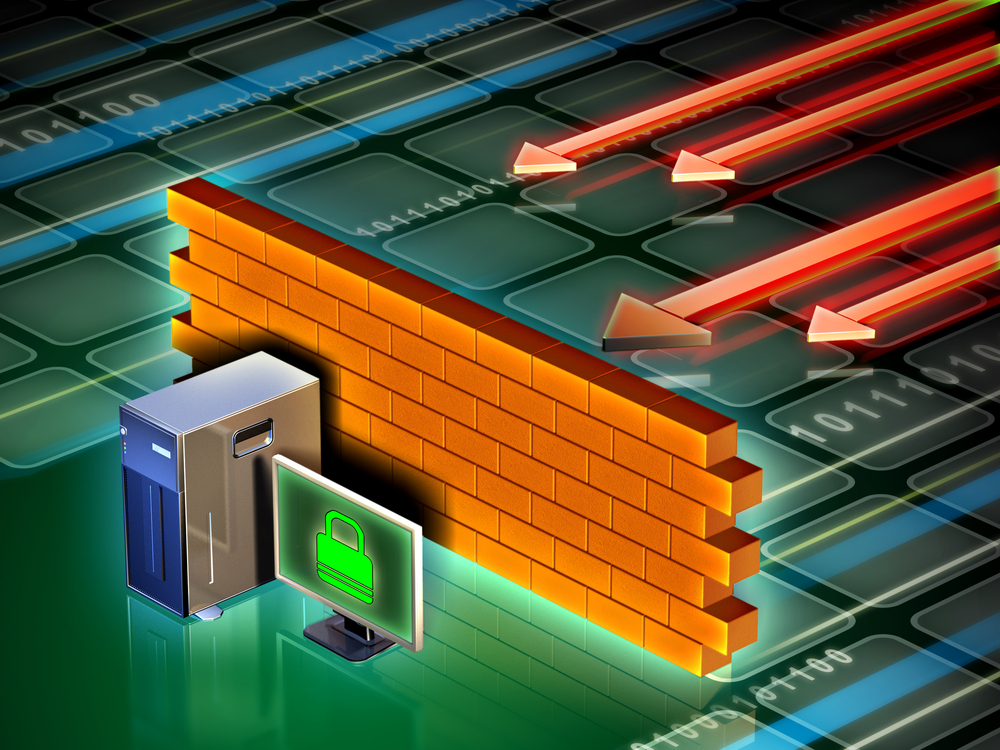
New firewall provides stronger protection for hybrid cloud systems
As more apps move to the cloud business infrastructures are increasingly fragmented. This can make traditional on-site security tools ineffective in fighting off cyber attacks.
The threat of attacks remains, however, and a new release from security software company Radware is aimed at protecting both on-premise and cloud-based applications, using just one solution.
Why the open source software model is fundamentally broken
There was a very frank question pegged towards Slashdot readers a few months back, which I happened to stumble upon just by chance during some Googling. It was a pretty simple question that merely asked: for the non-coders out there, especially ones taking advantage of open source software, why aren't more of you contributing back to the open source community?
A legit, honest conundrum that is likely true for most who use such software.
Tim Cook's Apple is all about fashion
Apple has changed quite a bit since Tim Cook took over the helm after the passing of Steve Jobs in 2011.
The two CEOs had distinct approaches to their products, and now that Cook has been in charge for almost four years, his style has become even clearer. But is Cook’s approach an improvement?