Google releases Password Manager app
Whether you have been waiting for it or not, Google Password Manager is now available as a standalone app for Android users.
Breaking the Password Manager component out of the Chrome browser is an interesting move. There is no real reason for Google doing so other than making it slightly easier to access saved passwords and usernames.

Insider threats become more effective thanks to AI
Artificial intelligence is making insider threats more effective according to a new report which also shows that 53 percent of respondents have seen a measurable increase in insider incidents in the past year.
The survey, of over 1,000 cybersecurity professionals, from Exabeam finds 64 percent of respondents now view insiders, whether malicious or compromised, as a greater risk than external actors. Generative AI is a major driver of this, making attacks faster, stealthier, and more difficult to detect.
87 percent of organizations are turning to AI-powered SOC tools
A new survey from Gurucul in collaboration with Cybersecurity Insiders finds that 87 percent of respondents are deploying, piloting or evaluating AI-powered SOC tools, but only 31 percent are using them across core detection and response workflows.
The study, based on responses from over 700 cybersecurity leaders around the world, finds human and identity risks are still a major concern. 78 percent of security leaders identify social engineering and phishing as their top threat, followed closely by identity-based attacks (73 percent). However, 67 percent say they still lack visibility into access behavior and lateral movement.

Employee distraction is a bigger risk than attack sophistication
Cybersecurity professionals are sounding the alarm, not about increasingly sophisticated cyber threats, but about something far more human -- distraction.
New research from KnowBe4 shows distraction (43 percent) and lack of security awareness training (41 percent) are identified as the primary reasons employees fall victim to cyberattacks, rather than sophistication of the attacks themselves.
OtterBox launches new Pixel 10 case lineup with Pixelsnap charging support
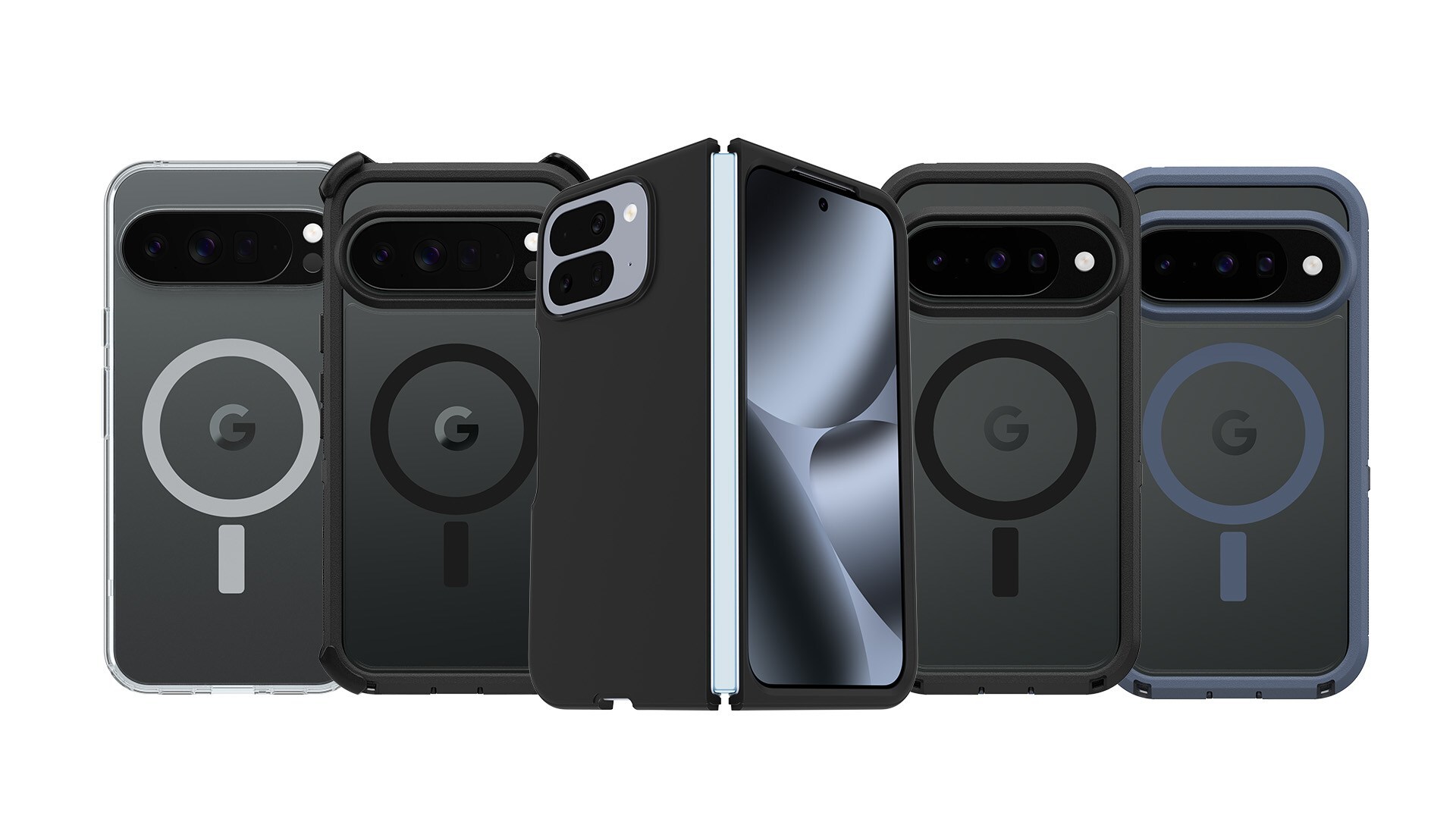
OtterBox has introduced a lineup of cases designed for the newly launched Google Pixel 10 family, announced yesterday.
The range includes the Symmetry Series, Defender Series Pro XT and Thin Flex Series, each built with integrated magnets to support Google’s new Pixelsnap wireless charging system.
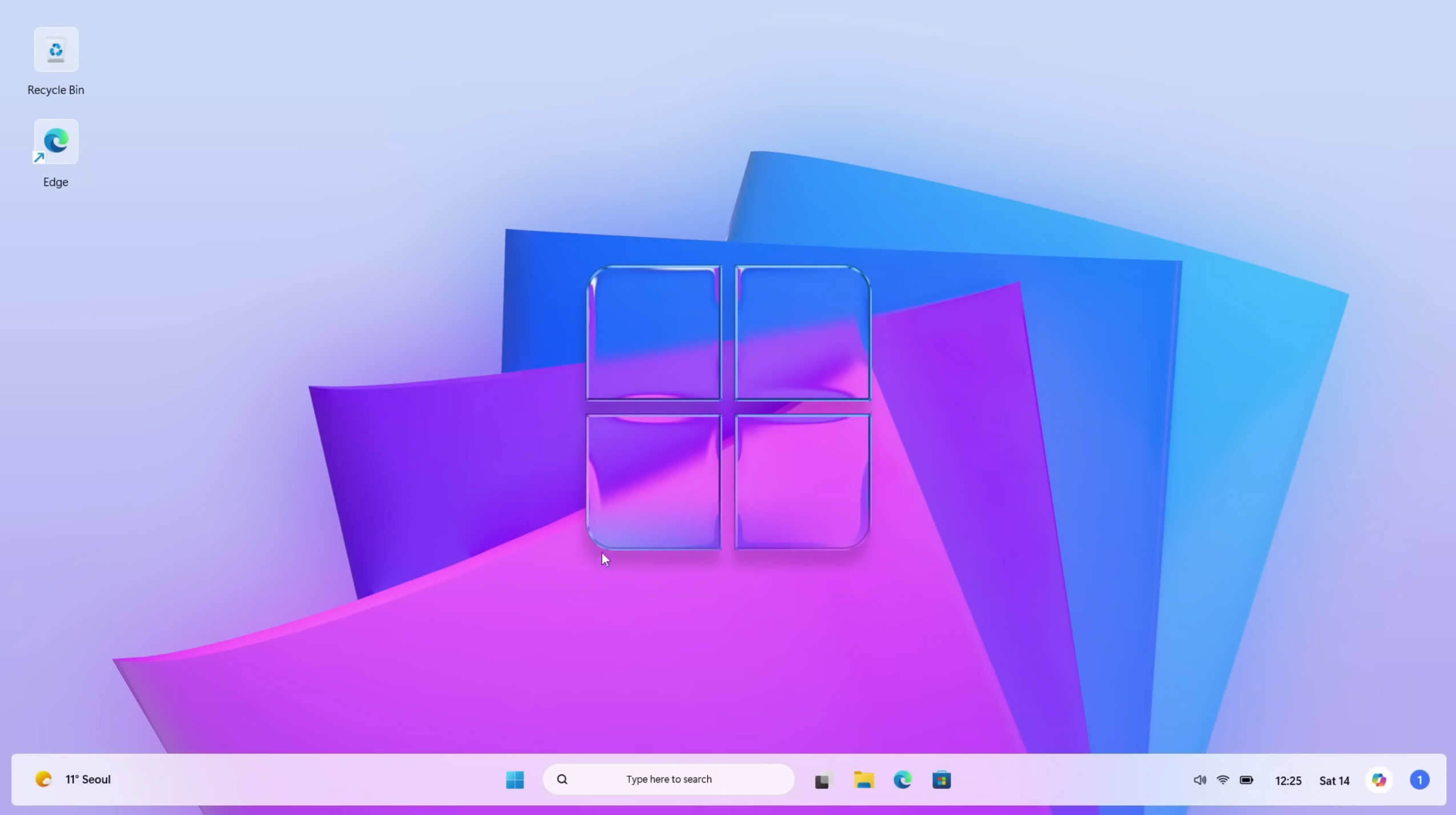
Forget Windows 11, Windows 12.2 is the 'next evolution' of Microsoft's OS
Windows 10 is set to reach its end of life in just a couple of short months, which means Microsoft will stop providing free security updates and official support for the beloved operating system. Although extended security updates will be available for a fee, most users will soon be faced with a stark choice: upgrade to Windows 11, switch to Linux, or wait for the long-rumored Windows 12.
The retirement of Windows 10 unquestionably marks a major shift in the PC landscape. Microsoft is pushing its customer base towards a newer, AI-enhanced Windows experience -- whether they are fully ready for it or not.

Pixel Buds 2a debut with active noise cancellation and Gemini AI
The final new launch from Google today, following the Pixel 10, Pixel 10 Pro Fold and Pixel Watch 4, is Pixel Buds 2a. These new A-series earbuds bring Active Noise Cancellation, immersive audio, longer battery life and Gemini AI at a more affordable price. Preorders start today, with general availability on October 9.
Google says the Pixel Buds 2a have been redesigned for comfort and stability. They are smaller and lighter than the previous A-series and take inspiration from the Pixel Buds Pro 2 design.
Pixel Watch 4 debuts with longer battery life, and new AI health coach
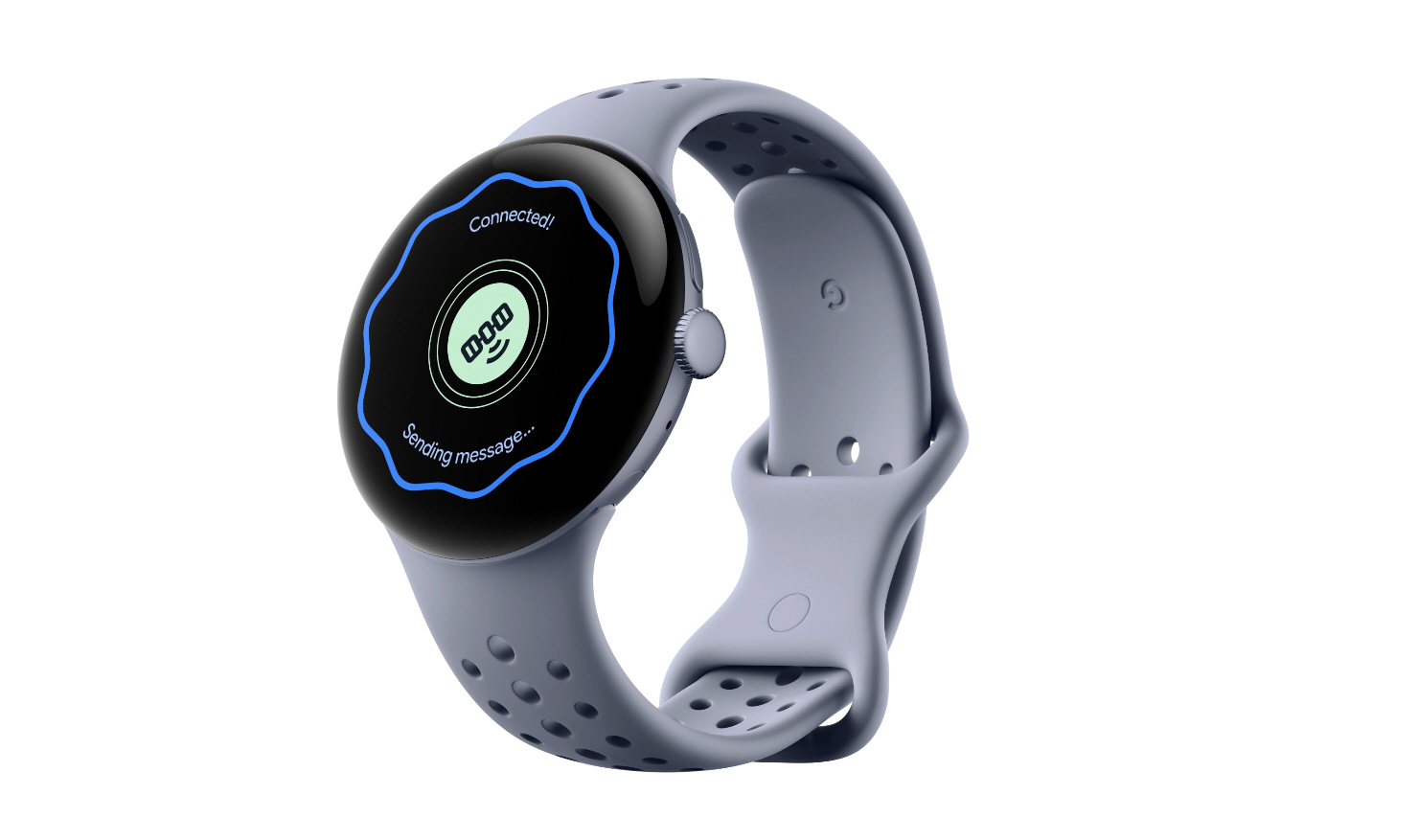
Google today launched the Pixel Watch 4 alongside its new Pixel 10 series of smartphones and Pixel 10 Pro Fold. The new wearable is, naturally, described as the most advanced Pixel Watch yet, with a redesigned look, longer battery life, new health features and AI tools powered by Gemini. Preorders start today, with general availability on October 9.
Pixel Watch 4 maintains the familiar circular design but introduces a new domed Actua 360 display, offering a 10 percent larger active area, slimmer bezels and brightness up to 3000 nits for visibility in sunlight.
Pixel 10 Pro Fold launches as Google's most durable foldable yet
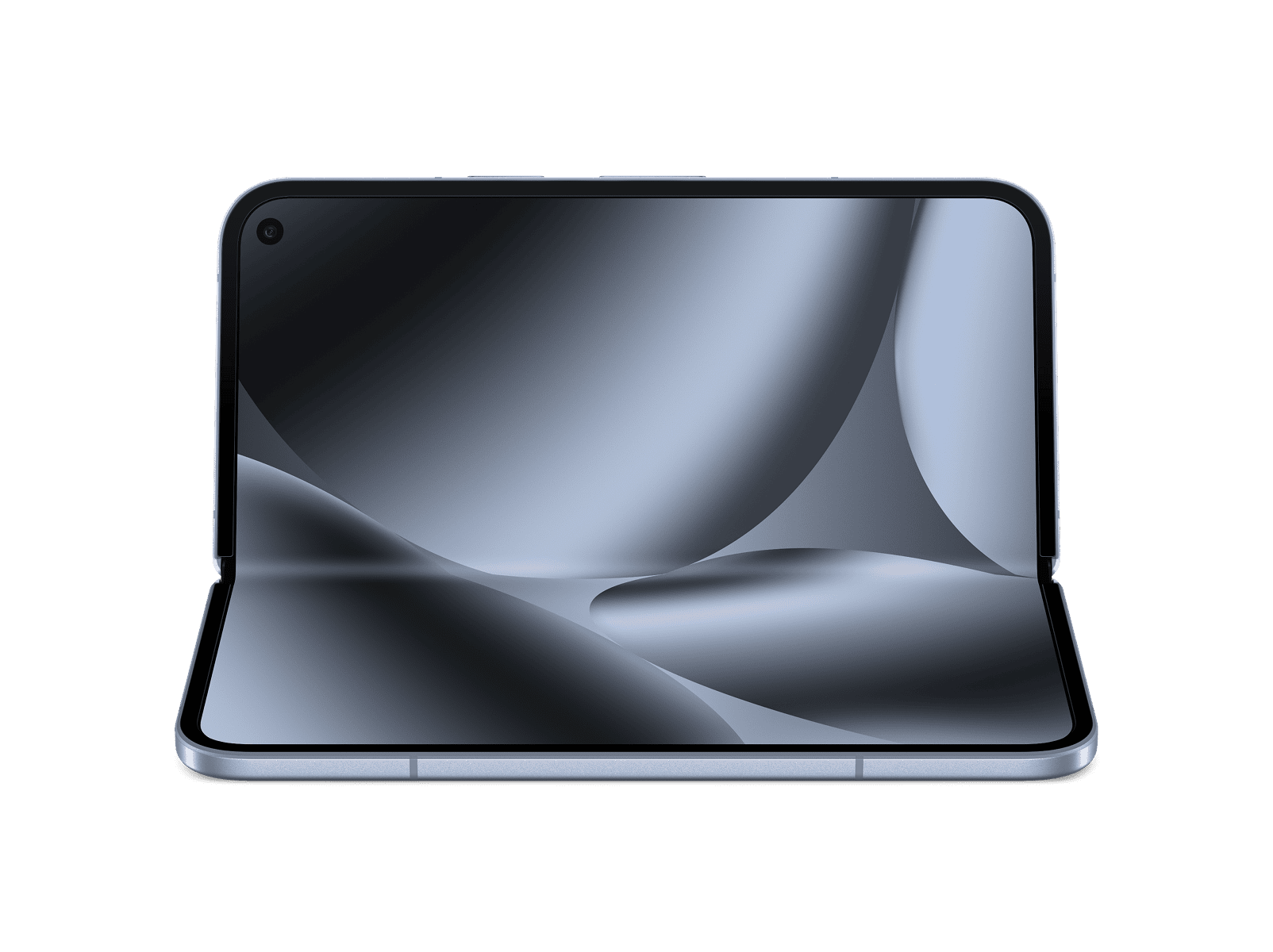
Alongside its range of 10th generation Pixel smartphones, Google has today introduced the Pixel 10 Pro Fold, which it describes as its most durable foldable phone yet.
The device features a new gearless hinge, upgraded displays, a bigger battery, IP68 water and dust resistance and a suite of AI tools powered by the Tensor G5 processor. Preorders begin today, with general availability on October 9.
Google unveils Pixel 10, Pixel 10 Pro and Pixel 10 Pro XL smartphones with new AI powered features
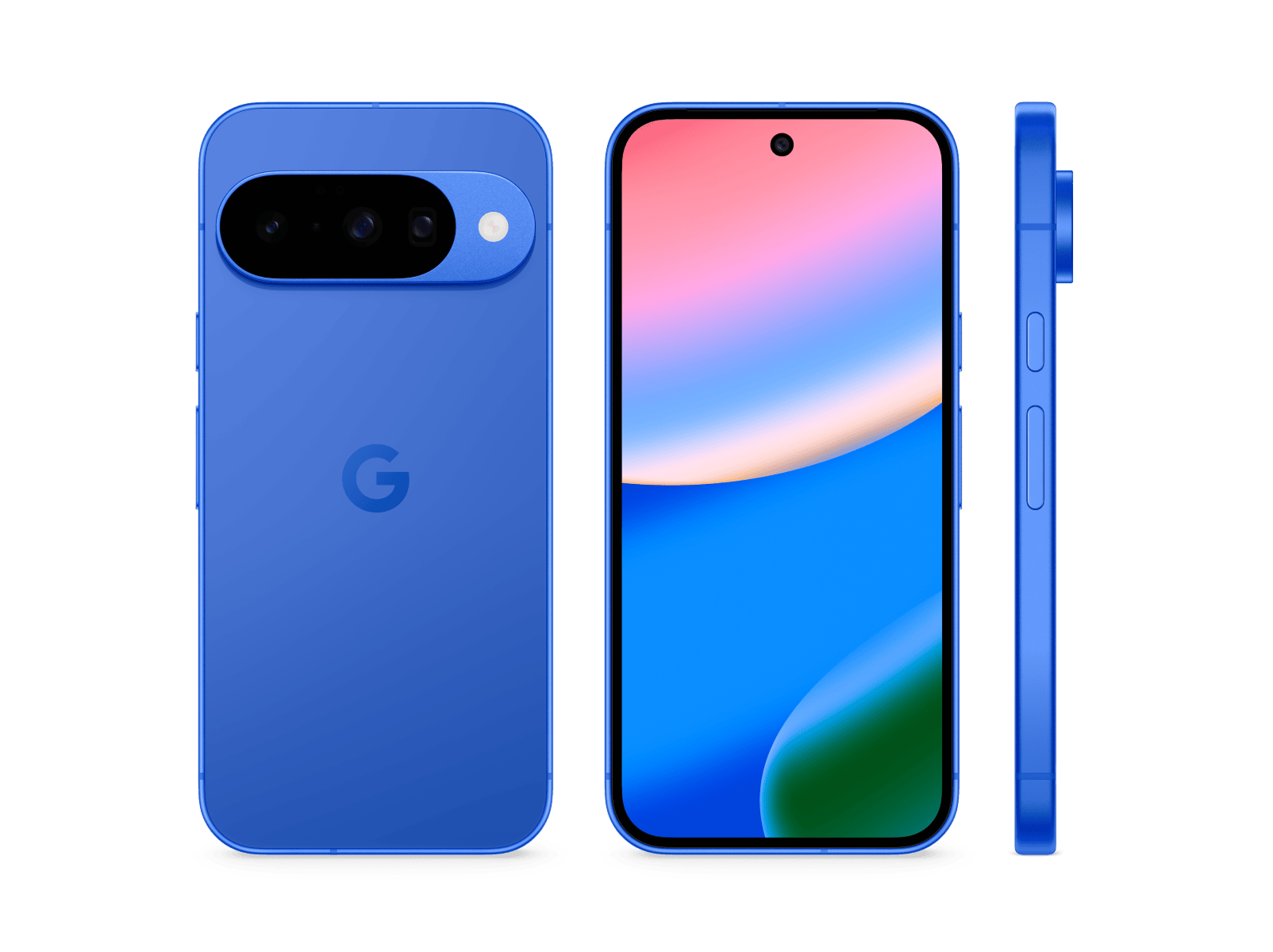
Google has taken the wraps off its 10th generation of smartphones, the Pixel 10, Pixel 10 Pro and Pixel 10 Pro XL. The new lineup introduces a refined design, the Tensor G5 processor, and AI features designed to make the phones more proactive and helpful. Preorders begin today, with general availability on August 28.
Pixel 10 sports a satin metal frame, polished glass back and four colour choices: Obsidian, Frost, Indigo and Lemongrass. Its 6.3-inch Actua display now reaches 3000 nits for easier outdoor use, and upgraded speakers bring deeper bass for a better multimedia experience.
Consumers say losing a smartphone is more upsetting than a car crash
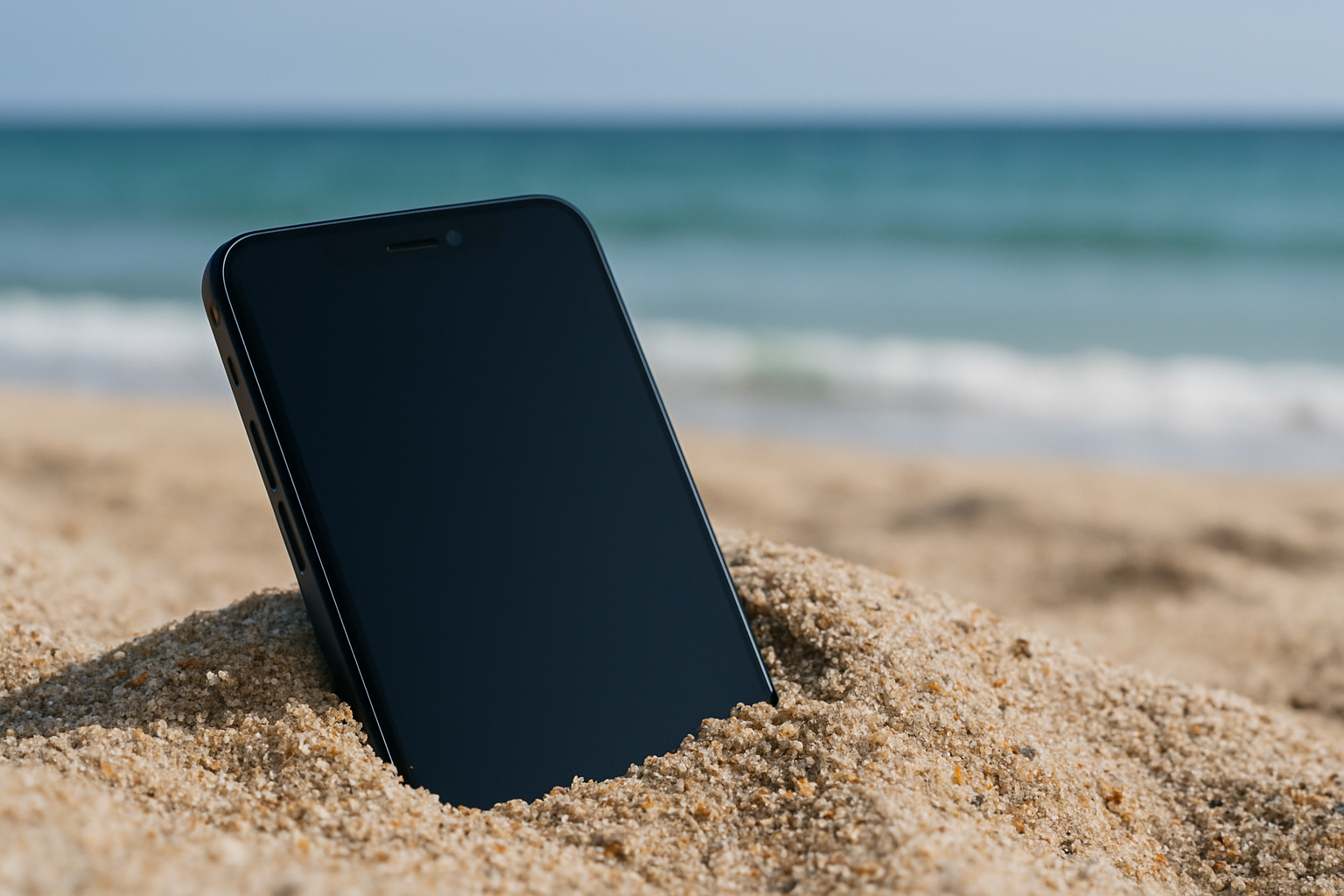
New (tongue-in-cheek) research from D3O suggests that many people will go to extreme lengths to protect their smartphones, even at the cost of safety, money, or comfort.
The global impact protection company surveyed consumers in the US and UK and found that phones have become so central to daily life that some people would skip meals, miss flights, or even risk dangerous situations to save them.

Microsoft extends NFL partnership to bring AI to the sidelines and beyond
The National Football League and Microsoft announced today that their strategic partnership will run for at least several more years, with the goal of expanding the use of artificial intelligence across the sport
The collaboration brings Microsoft Copilot and Azure AI into areas that affect game day decisions, scouting, and stadium operations. With the league hosting hundreds of events each year, the aim is to improve both performance and the fan experience.

Automated red-teaming helps protect enterprise AI
Artificial intelligence is being used to streamline many business tasks, but at the same time it opens up new attack vectors and risks.
Secure AI specialist WitnessAI is announcing two new products aimed at securing enterprise LLMs and AI applications through automated red-teaming and behavioral runtime protection.

Enterprises spend 11 hours on resolving each security alert
On average, enterprises spend 11 hours of employee time investigating and remediating a single critical identity-related security alert.
A new study from Enterprise Strategy Group, of 370 IT and cybersecurity decision makers, shows this affects the capacity of security teams to manage alert volume, and this is only made worse in the age of AI.
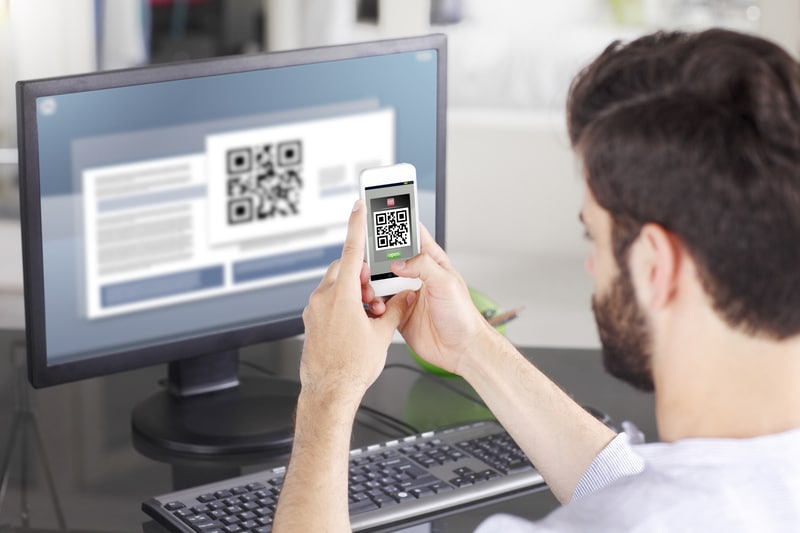
New techniques help malicious QR codes evade detection
Threat researchers at Barracuda have uncovered two new techniques being used by cyber attackers to help malicious QR codes evade detection in ‘quishing’ attacks.
Quishing is a form of phishing that involves the use of QR codes embedded with malicious links that, when scanned, redirect victims to fake websites designed to steal their credentials or other sensitive information.