
Forget the iWatch Apple, it's another race you've lost to Android
Apple has rarely been first to market with a product -- it did not build the first MP3 player or tablet, but it does have a history of revolutionizing those markets, as it did with the smartphone. There isn't anything wrong with stepping into an existing market and bringing along fresh and innovative ideas. In fact, it has worked out quite well for the company over the years.
However, more recent history shows that Apple can also lose the markets, as both tablet and smartphone have fallen behind rival Android, which entered the scene later. Openness plays a part in this -- a multitude of devices to choose from, along with more customizable options, is a big deal when compared to a closed system with one device released annually.

iTunes slaps DRM handcuffs on my music
On Sunday, while perusing my music collection by album, I came across lots of new -- or rather, old and forgotten -- tracks purchased before Apple took iTunes DRM-free. My excitement at discovering, and downloading from the cloud, these long lost songs cannot be understated. That is until finding them not to be what I expected. Rather than crisp, 256kbps DRM-free files, iTunes delivered 128kbps protected-AAC tracks. What the frak? Apple is supposed be done with digital rights management for music.
That iTunes Match provides access to this older music, even if DRM-protected, is a benefit. Thank you, Apple, for providing an affordable means for recovering lost or deleted music. What confuses me: Being given the older, lower-quality, locked files when higher-bitrate DRM-free alternatives are available from Apple's store. I don't have an answer why this morning, but I do have some suspicions. Perhaps you're smarter than me or better at finding solutions in online support forums.

Microsoft convinces 12-year old girl to abandon dreams of iPad Mini for Surface 2
I have no idea what 12-year old kids are interested in -- I am guessing Justin Bieber and Instagram; lord only knows. However, as a tech-guy, I always have my eye on what smartphones and tablets people are using in public. From my observations, iPhones and iPads still reign supreme for tweens. And so, it is not surprising that 12 year old Victoria asked her dad for an iPad Mini.
While many kids are whiny brats nowadays, she took a more responsible approach and created a presentation as to why buying it is a good idea. Her father, rather than simply giving in and buying it, instead tweeted Microsoft to give it a chance for rebuttal. Microsoft responded to her presentation in epic fashion.

The most popular stories on BetaNews this past week March 16 -- 22
Not a good week for Microsoft this week. Things kicked off as Mozilla shunned the Windows Store by opting to stop development of a modern version of Firefox and then things got a little awkward following the investigation of an employee involved in leaking information about Windows. The company then came under fire for accessing the email account of an individual, despite its claims that "Outlook and Hotmail email are and should be private".
There was better news as an LTE version of Surface 2 went on sale opening up a new income stream for the company and new mobile computing opportunities for customers. More good news for users came when OneNote was not only released for Mac, but also made free for all platforms. Mihaita wasn't overly impressed with the Mac version, though.

Best iOS apps this week
Eleventh in a series. Apple rolled out a cheaper 8GB version of its iPhone 5c this week (in selected territories) and also replaced the aging budget iPad 2 with the newer, 4th gen iPad with Retina Display. The replacement iPad, which is available everywhere, is priced the same as the iPad mini giving potential buyers an interesting purchasing dilemma.
Featured apps this week include one of the best looking games yet released for iOS, an app which claims to boost your fitness in just four minutes a day, one which will help you avoid people you don’t want to see, and a game which could help find a cure for cancer.
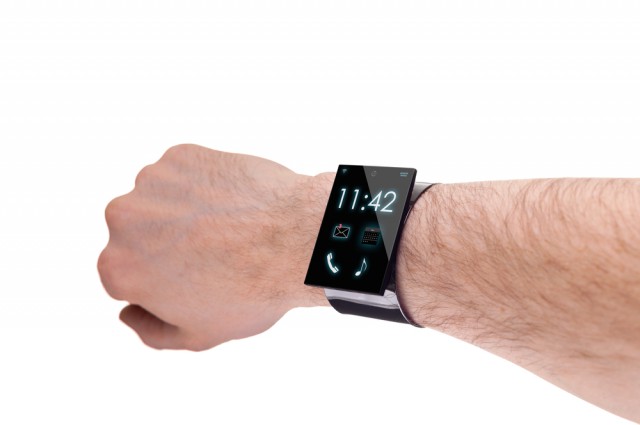
Smartwatches -- the harsh truth is that no one cares
OK, maybe that's a slight exaggeration. But wearable devices are really struggling to get off the ground, at least in the UK. All of the excitement that surrounds smartwatches that can be used to read email, VPN into a home computer, check vital stats, set off The Bomb, or tell the time (imagine!) -- maybe a couple of these are a little far-fetched -- seems to be little more than manufacturers' fluff and guff. The wheels of the marketing machine have been whirring away furiously, but it has had very little effect. With a population of approaching 65 million people, only a very tiny proportion of the nation has seen the need to invest in a smartwatch -- below 1 percent in fact.
Figures from Kantar World Panel show that a lowly 0.9 percent of UK consumers have put their hard-earned money towards a smartwatch. Other statistics to come from the research are of little surprise. Almost three quarters (72 percent) of smartwatch owners are male, and 56 percent are aged under 35. There are a small number of names associated with smartwatches, and the spread is fairly evenly distributed. At the top of the heap is Samsung with a 32 percent share, followed by Sony with 21 percent and Pebble with 18 percent. There is obviously a leader, but with the numbers being so low, percentages are very easily swayed.

NSA lawyer says data collection occurred with tech firms' 'full knowledge and assistance'
The NSA story isn't new. Scratch that. It's not really a story; it's a saga. Just when it seems safe to feel that there can't possibly be any more revelations to knock us sideways... oops... there's another little surprise for you! Just a week ago, I argued that Google's encryption of Chinese web searches amounts to little more than a PR exercise, designed to try to get the disgruntled user back on its side. This is not something that is related to the NSA revelations. When we found out that the likes of Facebook, Microsoft, Google and Yahoo (to name but a few) had been handing data over to the US government, all of these companies were falling over themselves to appear to be doing everything they could legally do to let their customers know what had been happening with their data.
Of course, it's not just the UK that has this problem, although that’s certainly where the attention has been focused -- the UK had (or possibly has) its own Optic Nerve program which was used to spy on webcam chats. The story we have heard time and time again is that these companies did not know what was going on. That the government had been collecting data without their knowledge. There were concessions that in some cases, FISA requests had been received but there were limitations on what could be publically revealed. Each company tried to outdo the others by appearing to reveal as much data as it could as quickly as humanly possible.

ToneFone turns using your iPhone into a workout
Apple’s iPhone has been getting lighter (and thinner) with each iteration, and while most of us view that as a good thing, UK based healthy living brand Desirablebody.co.uk has a different opinion, believing much, much heavier phones could help us get fitter.
"In the 80s carrying around a mobile phone meant carrying some serious weight -- and that could sometimes be a mini workout all by itself," Fitness Manager, James Finlayson states. So Desirablebody.co.uk has introduced a case that takes mobile phones back to their roots and transforms the iPhone into a dumbbell. No, seriously.

EA Games server compromised, breach targets Apple IDs
Nothing on the internet is safe these days. Even point-of-sale systems in stores we regularly shop in can be accessed and stolen from -- witness Target to name only one recent high profile example. However, when it comes to computers, some users see Apple as more secure. While that may be a result of simply being less targeted, there is also nothing that the company can do to protect people from themselves.
Security firm Netcraft, which boasts customers that include British Telecom, Microsoft and Cisco, has detailed a sneaky new attack. EA, the popular game maker, has had one of its servers compromised so it can host phishing attacks that target Apple IDs.
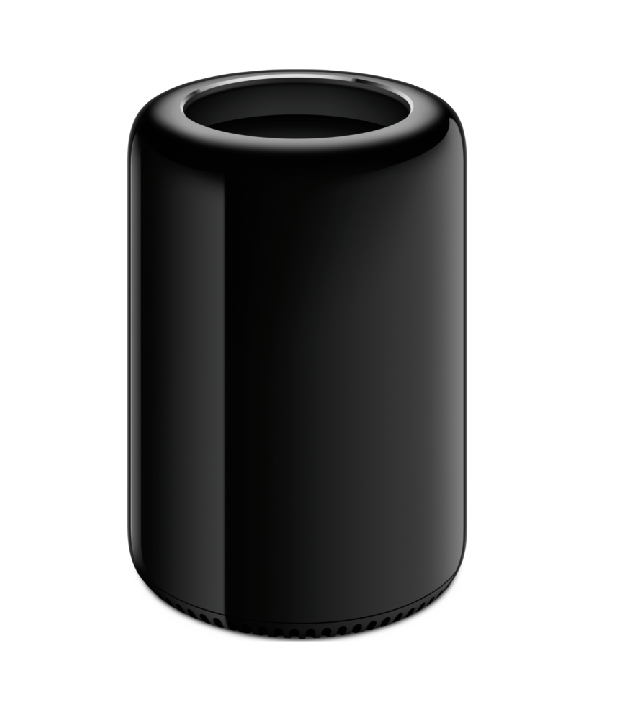
Boot Camp supports only Windows 8.1 on Apple's new Mac Pro
Even though Windows 8.1 is not Microsoft's most-popular PC operating system at this point -- Windows 7 takes that title -- Apple has decided it should be the only choice users of the new Mac Pro can have in Boot Camp.
This may come as a surprise, considering Windows 8.1's low adoption among PC users, but the company's decision is to be expected. Boot Camp gradually drops support for older versions of Windows in newer Macs, as shown by the software's support page.
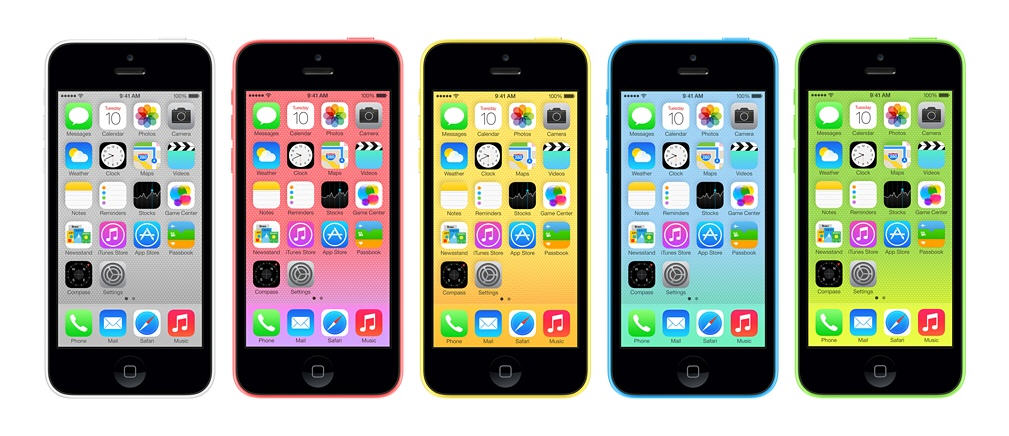
Apple introduces 8GB iPhone 5c, brings iPad 4 back to life
It’s fair to say the iPhone 5c hasn’t been a major success for Apple so far. Rumors prior to its launch suggested it would be a cheap iPhone, and while it is more affordable than the flagship 5s, it certainly isn’t "cheap". Those low cost expectations coupled with the actual price have affected the iPhone 5c’s sales -- with many buyers preferring to spend a little extra to get the 5s.
That might change soon though, as Apple has rolled out an 8GB variant of the iPhone 5c, making it available across Europe and China from today.

The most popular stories on BetaNews this past week March 9 -- 15
This is the week that saw the web celebrating its 25th birthday and Tim Berners-Lee took the opportunity to call for a web bill of rights, which I argued is essential for the future of democracy.
Another week means a fresh batch of security concerns. In Europe, users were warned of the dangers of connecting to public wifi hotspots, while a new report found that cybercriminals are becoming increasingly sophisticated in their techniques. Ian was on hand with advice for anyone trying to tackle or avoid viruses.

Best iOS apps this week
Tenth in a series. A big week for Apple as it released the long-awaited update for its mobile operating system. iOS 7.1 adds support for CarPlay, enhancements to Siri, iTunes Radio, Calendar, and Accessibility, and a new HDR camera setting for iPhone 5s. The big news for owners of iPhone 4 is iOS 7.1 runs far less sluggishly on the older hardware.
Of the new and updated apps that have arrived in the store this week, highlights for me include a free adventure game from two ex-LucasArts designers, an app which transforms everyday snaps into works of art, one that stops you forgetting...er… something… and a kitchen app that that will let you find, and conjure up, delicious culinary delights.

Google's Chinese web encryption is nothing more than PR and posturing
We are spied upon. Someone, somewhere, knows what you have been doing online. It might be your snooping friend taking a look at your browsing history, or it might be that weird looking guy on the next table in the coffee shop watching your every click. It might be advertisers using cookies, or it could be your own government. This is now just about expected; it is part and parcel of using the internet. In some parts of the world, access to the internet is not only monitored, but also restricted and controlled. But it didn’t used to be like this, and it needn't stay like this.
In some regions the idea of mass spying is a relatively recent concept. The activities of the NSA, GCHQ and other government organizations are something only the most recent generation of internet users is "used" to -- for the rest us, it is at best an unpleasant sea change, and at worst just the tip of the iceberg. As it was revealed that governments were not only spying on citizens' online activities but also getting other companies involved by requiring them to hand over user data, big names such as Microsoft, Google, and Apple were falling over themselves to appear to be going out of their way to reveal everything they could about the demands made of them. It was the PR machine in action, trying to make the best of a very, very bad situation.

Majority of mobile devices will be 64-bit by 2018 -- is Apple to thank?
Apple is revolutionary through evolution. The company did not invent the tablet, but the iPad sparked the modern trend. It did not invent the touchscreen smartphone, yet the iPhone revolutionized portable computing.
Speaking of the iPhone, last year, Apple introduced the iPhone 5s with a 64-bit processor. The fruit-logo company certainly did not invent 64-bit computing, however, competitors are now playing "me too" and trying to catch-up in the mobile sector. According to a new study, the majority of mobile devices will be 64-bit by 2018. Do we have Apple to thank?