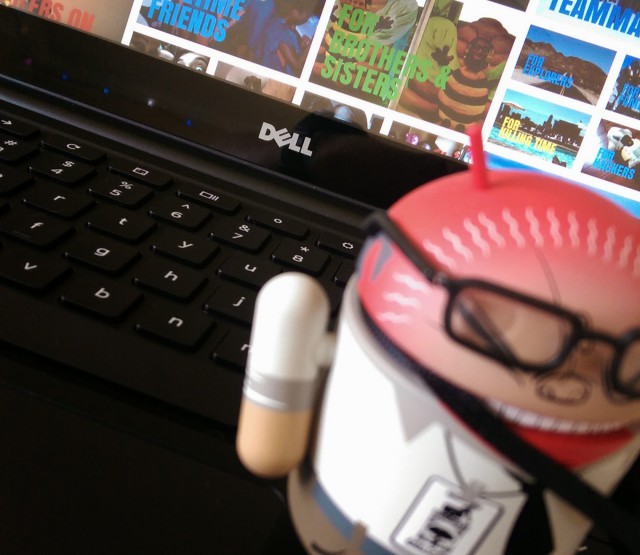
Google is 'very committed' to Chrome OS, questioning Android merger rumors
Google is rumored to be planning a merger of Android and Chrome OS. An early build of the combined operating system is expected to see the light of day as early as next year, with an official release making its way in 2017. That's what a so-called "report" claims anyway.
Such a plan would certainly make sense, considering that Chrome OS has limited appeal while Android has matured nicely, becoming the most-popular mobile operating system. So, how does Google comment? Well, the search giant continues to stand by its less-popular operating system. What else do you expect?
YouTube Red: Trigger for cord cutting?
YouTube announced its first-ever subscription service last week, YouTube Red, with the usual set of (uninteresting) "premium" features -- ad-free videos and offline/background playback. The only interesting tidbit was that YouTube Red would also house "original" movies and TV shows starring well-known YouTube personalities. While it may seem mundane, this move has the potential to present a true disruption to the TV industry.
For years, industry observers have talked about the looming threat of cord-cutting -- consumers were expected to drop expensive cable subscriptions in favor of on-demand streaming services like Netflix. But while Netflix has seen exceptional growth, we are yet to see a tipping point in cord-cutting behavior.
Two become one -- Google to 'merge' Android and Chrome OS
Just as Microsoft is trying to streamline its various operating systems with the approach it has taken with Windows 10, so Google appear to have similar plans. The Wall Street Journal reports that plans are well under way to merge Android and Chrome OS.
Work has been going on for two years, and an early build of the hybrid operating system is expected to see the light of day next year. A full release is planned for 2017. While described as a merger of OSes, the report suggests that Google is really looking to expand Android so that it can run on laptops. Chrome OS may well live on, but the same cannot be said of Chromebooks.
Windows 10 Build 10576 gives a better taste of Threshold 2 and introduces media casting
In a first for Microsoft, today sees the release of not just a new Windows 10 Mobile build, but also a new build of Windows 10 for the desktop. Windows 10 Build 10576 is now available to Insiders on the Fast Ring. This is the latest update to the Threshold 2 branch, the final build of which is due for release next month.
This is more than just a bug-fixing build -- although there are a number of bug fixes, you'll be pleased to hear -- there are also new tools and features to try out. Taking a leaf out of Google's book, Microsoft Edge gains media casting, PDF can be navigated with Cortana, and there's a new Xbox beta app. But it doesn't end there...
Google demands Symantec grovel over security certificate fiasco or risk the consequences
Google has fired warning shots at Symantec, threatening that Chrome would start to flag the company's security certificates as unsafe. The threat comes in a blog post penned by Google software engineer Ryan Sleevi who is still seething after Symantec employees issued a number of unauthorized security certificates.
Some of the certificates were owned by Google -- including Google.com -- and a Symantec-led audit suggested that the problem affected just 23 test certificates. But further probes revealed that there were in fact more than 2,500 certificates involved. Google is understandably fuming and is now holding Symantec to ransom.
Just because Apple CEO Tim Cook claims something doesn't make it true
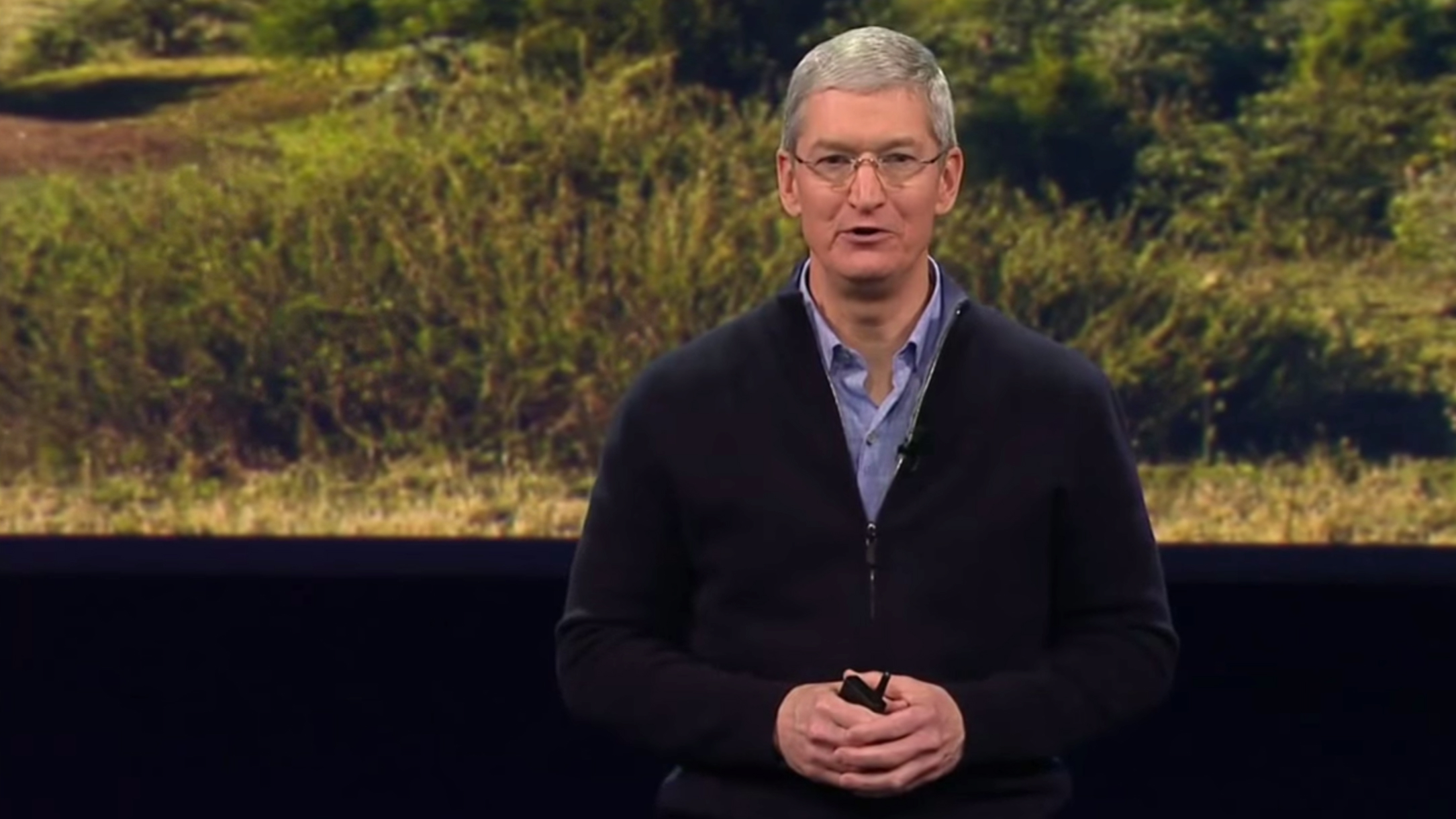
The haughty headline from yesterday's Apple fiscal fourth quarter 2015 earnings report isn't big revenue or profit performance ($51.5 billion and $11.1 billion, respectively), but a figure given by CEO Tim Cook during the analyst call: "We recorded the highest rate on record for Android switches last quarter at 30 percent".
Blogs, and some news sites, set the statement off like an atomic blast of free marketing for Apple. The fallout spreads across the InterWebs this fine Wednesday, largely undisputed or corroborated. Just because Cook claims something doesn't make it true. To get some perspective, and to either correct or confirm the public record, today I asked a half-dozen analysts: "Does your analysis of the smartphone market support that assertion?"
EU Antitrust Commission might still investigate Google
Google might have changed its name to Alphabet, but the stand-off it has with the European Union’s Antitrust Commission won’t go away.
In an extensive interview for The Wall Street Journal, European Commissioner for Competition Margrethe Vestager explains she still has the company in her sights.
Google announces a new ASUS-built OnHub Wi-Fi router with Wave Control
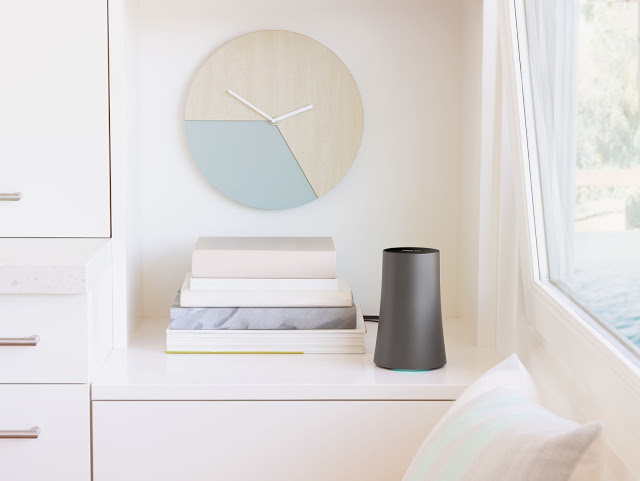
When Google announced its first OnHub wireless router, my colleague Brian Fagioli had one question -- why? The answer, according to Joe Wilcox’s excellent review, is it gives great Wi-Fi and is, in a word, "fantastic". High praise indeed.
The TP-LINK-built OnHub was always intended to be the first in a series of easy to use wireless routers from Google, and today the second device arrives, this time coming from ASUS.

Alphabet prepares for $5 billion stock buyback
With all this cash lying around, Alphabet is planning on buying back shares of its own stock, The Economic Times has reported.
According to the report, high profit which the company had in the third quarter of this year, has prompted it to announce it would give investors some of the money.

Behind the big names, the first hires of major tech companies
We've all heard of Bill Gates, Steve Jobs and Mark Zuckerberg, but what about the people they hired in the early days of their fledgling businesses?
You probably don’t know anything about Marc McDonald's role at Microsoft or Shel Kapha's at Amazon, but these were among the first people hired by those companies and had a significant effect on their growth.
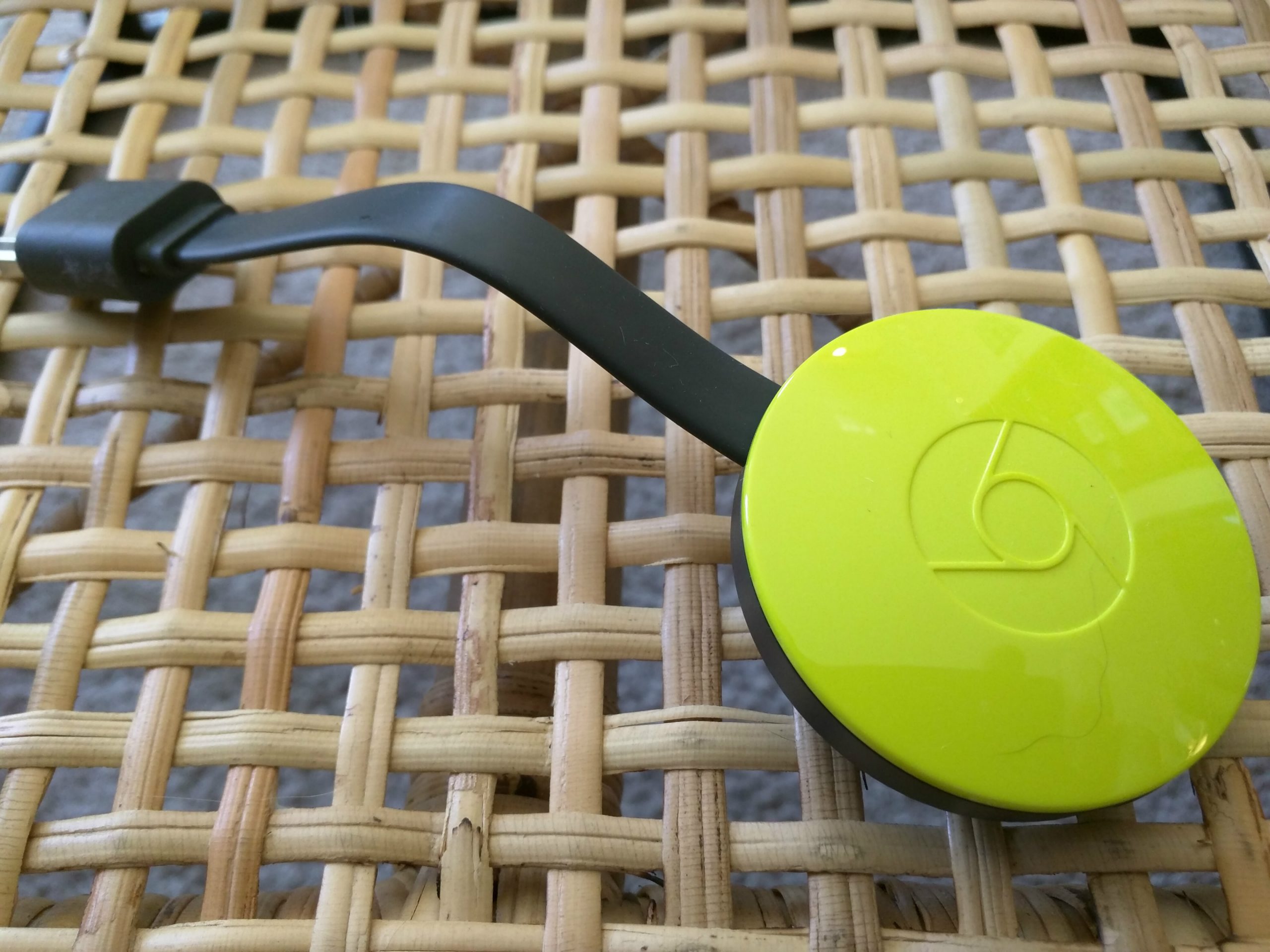
You don't need to read this review -- buy Chromecast 2015 instead
This is one of the easiest reviews to write—and the shortest, too. If you own an Android or iOS device, buy the new Chromecast. Nothing more needs to be said, but I am obliged because you do want to know why. Right?
Google opened up the streaming stick category with launch of the original Chromecast, in July 2013. Release of its successor, on Sept. 29, 2015, makes an already compelling platform better. I see two benefits that matter: WiFi AC support and the hanging dongle design. Wireless update primps the device for faster routers, like Google's own OnHub. The other is more crucial. Some people needing or wanting to plug into one of a TV's rear HDMI ports may find the original Chromecast won't fit. The new design, puck hanging from HDMI cable, solves that problem.
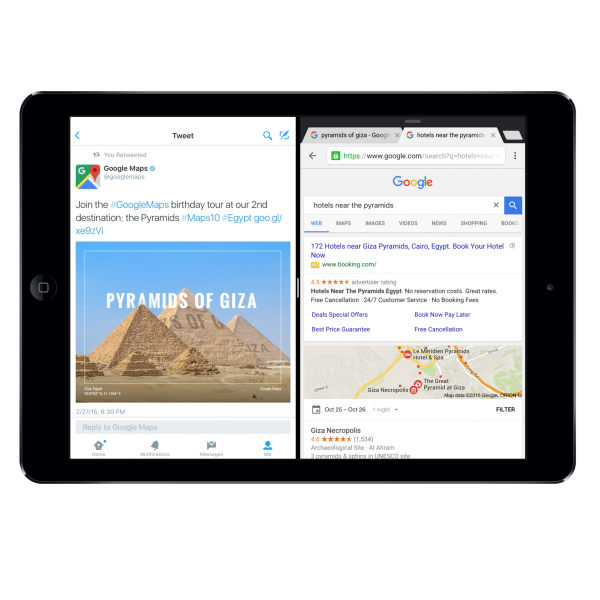
Google just made Chrome for iOS much better -- Split View and Autofill are here
As soon as I come home every day, the first thing I do is grab my iPad. My iPhone gets connected to the charger and then it is tablet time. While I use a lot of apps, the one I use most is Safari. Yes, on the device with the best apps, I spend a lot of time surfing the web.
While I am totally satisfied with Safari, I am open to trying an alternative. On both Ubuntu and Windows 10 I use Chrome, so maybe I should use Google's browser on my iPad too. Well, today, the search giant makes its browser much more attractive to iOS users. The iPad version now offers Split View for compatible devices, while all iOS devices gain Autofill.
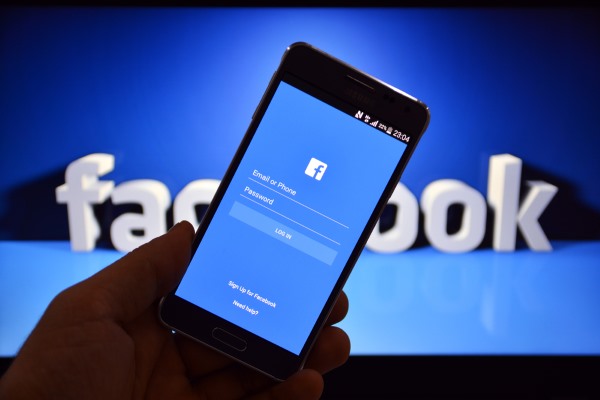
Facebook takes on Google by making searching social and personal
Facebook is much more than just a social network; for many people it is the internet. For others, it is a source of news, and this is something that Facebook is quite happy to play upon. But what a lot of people are now looking for is not just news, but the reaction to news.
This is something that Facebook is well-positioned to provide a conduit for, and now the social network is looking to take on Google by giving more accurate and personal search results -- including tailoring search results according to what is currently happening in the world.
7 Android apps that have successfully adapted Material Design
Material Design -- the new(ish) design language introduced by Google in Android Lollipop, and inspired by 'paper and ink' -- aims to provide a unified experience irrespective of device fragmentation.
This was very much needed for a mobile first world, where the market for small screen devices (read wearables) is growing at a rapid pace.
Will you pay Google $10 per month for ad-free YouTube Red? I sure as heck won't be
Cord-cutters -- people that cancel their cable or satellite TV service -- often talk of the alternatives. Netflix and Hulu are two popular streaming video services, but don't forget about YouTube. If you are open-minded, you can actually discover a lot of great content on Google's video site . PewDiePie, for example, is brilliant; give him a chance, y'all.
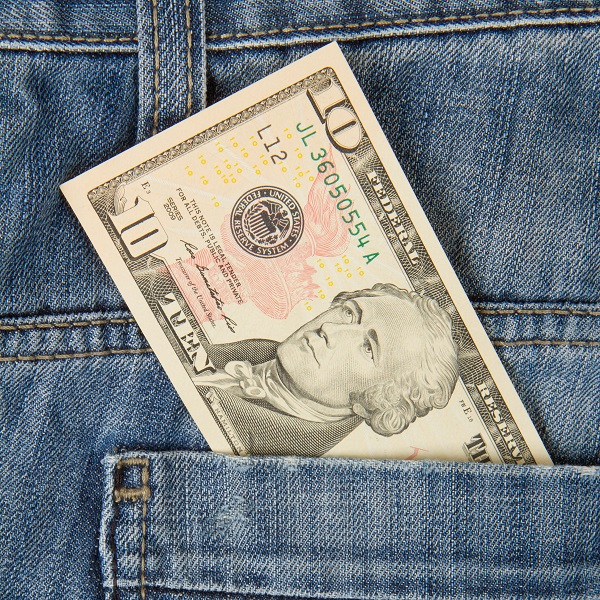
Of course, the cool thing about YouTube is that it is free. Well, it does not cost money at least. You see, you pay by viewing the advertisements before, during, and after the content. The problem? Ad-blocking is rampant, so many viewers never even see these ads. Unfortunately, Google is launching a paid option called "YouTube Red" (ugh, terrible name). I know what you are thinking -- why is it unfortunate to have choice? Well, it is a slippery slope. If it proves popular (I don't think it will be), the search-giant could start charging for more services -- maybe as the only option. Google historically offers free services through advertising. This moves makes me wonder if the search-giant's "free" business model is realistically sustainable.