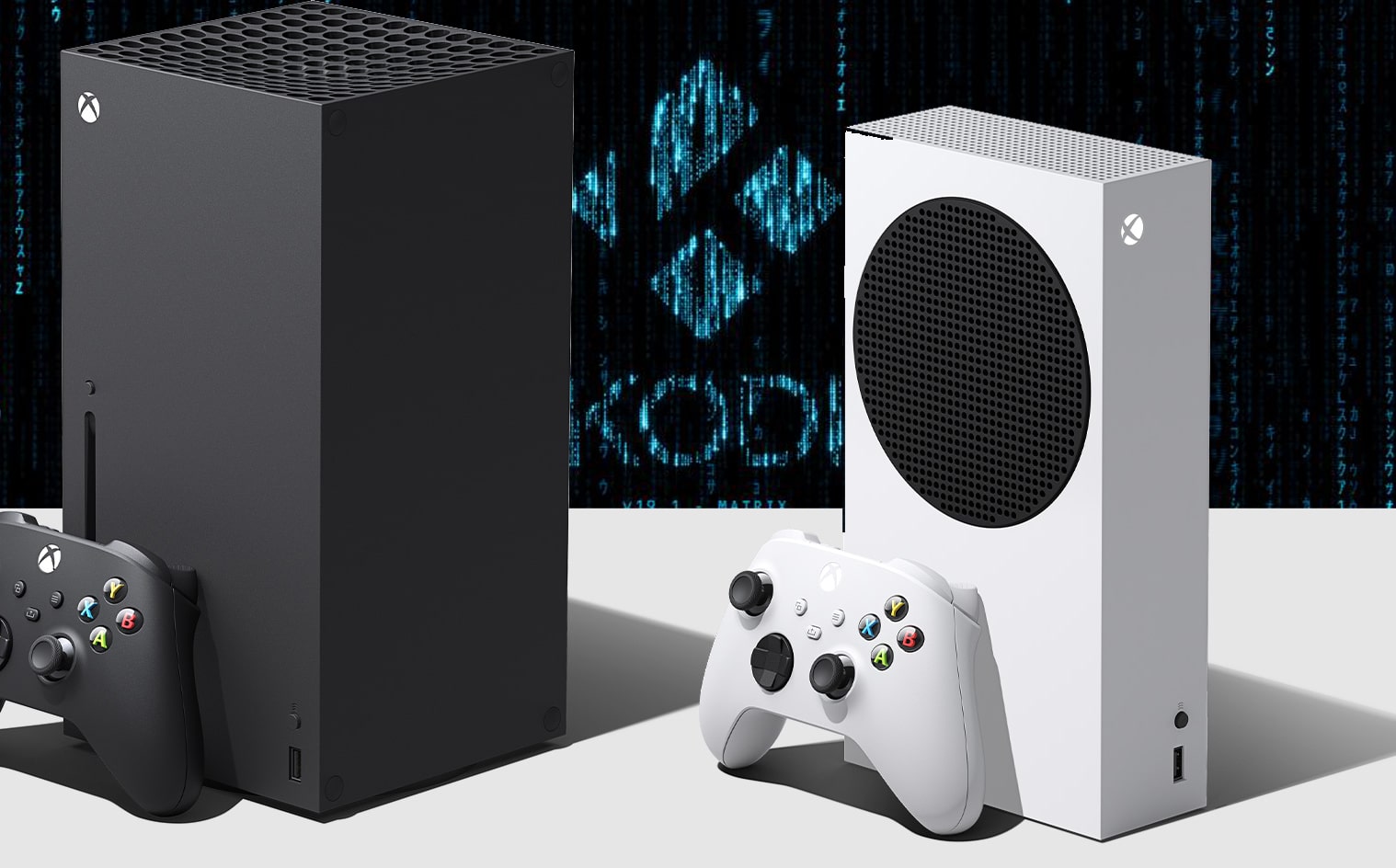
Fantastic news for Xbox users as Kodi 19 'Matrix' finally arrives for Microsoft's console
Kodi started life as XBMC (XBox Media Center) and was designed to run on Microsoft's original Xbox. The software has since then enjoyed a meteoric -- and somewhat controversial -- rise, and is now available for most platforms, including Windows, Mac, Android, and Linux.
In 2010 the team announced that it would no longer be developing for Xbox, but finally relented and reintroduced an Xbox build three years ago. However, although Kodi 19 Matrix was released on most platforms in February, a lack of testing options meant it once again wasn't available for the Xbox. With the release of Kodi 19.1 that finally changes.
Microsoft removes all Windows 10 upgrade blocks including Conexant audio driver issues
Microsoft has now resolved all known issues that were preventing people from updating Windows 10. The company had put upgrade blocks in place that stopped users with certain hardware from upgrading to Windows 10 version 2004 and 20H2.
The last two safeguards to have been removed relate to Conexant audio drivers and Conexant ISST audio drivers. This change means that the latest version of Windows 10 can now roll out to more people, just ahead of Windows 10 version 1909 reaching end of life later this month.
Microsoft withdraws AMD driver that causes INACCESSIBLE_BOOT_DEVICE error in Windows 10
Microsoft has pulled an AMD SCSI driver from Windows Update after it was found to cause boot problems for numerous people.
Reports came from many users who experienced boot problems, BSoDs, INACCESSIBLE_BOOT_DEVICE errors "bricked"systems after installing the troublesome driver. The driver -- Advanced Micro Devices, Inc. - SCSIAdapter - 9.3.0.221 -- has now been withdrawn, but anyone who has already updated will need to manually uninstall it.
Bye bye, Windows 95! Windows 10 Sun Valley update brings a host of new icons
There is a lot to look forward to in the future of Windows 10, and the not-too-distant Sun Valley update is an excellent case in point.
With the Sun Valley redesign, Microsoft is giving the operating system a much-needed visual overhaul. We already know about changes to the general look, new menu design, and even a new default font, but icons are also getting a big refresh -- including plenty of old favorites that have not changed since the days of Windows 95.
Microsoft may have cancelled Windows 10X
Microsoft has put the development of Windows 10X on hold and will not release the operating system in 2021, according to insiders. But the truth is that the company may have completely given up on producing its much-hyped Chrome OS competitor.
The news is hardly surprising; things have been very slow for Windows 10X for quite some time now, with Microsoft gradually changing its focus and seeking to lower expectations. Now it seems that the company is more interested in channelling its efforts into Windows 10 proper and the upcoming Sun Valley update.

How to force all web links to open in your default browser on Windows 10, not Microsoft Edge
It’s no secret that Microsoft wants you to use its Edge browser in Windows 10. It’s tried a lot of ways to persuade users to switch from Chrome, Firefox or other browsers over the years, including advertising Edge in Windows.
The new Edge is genuinely good now, but that doesn’t mean you have to use it if you prefer another browser, like Chrome or Firefox.

Microsoft releases Windows 10 Build 21376 with a new font for better scaling
We usually see new Windows 10 builds for the Dev Channel arriving on a Wednesday, but this week the latest Insider build has slipped a day, but it’s worth the wait.
Build 21376 comes with an updated UI font, and other cosmetic tweaks.

Get 'LinkedIn Profile Optimization For Dummies, 2nd Edition' ($16 value) FREE for a limited time
Look at your LinkedIn profile: you know it could be a little better. Too many LinkedIn users are just posting a basic resume and hoping for the offers to come flooding in, missing out on the incredible opportunity the platform offers to properly showcase their talents, products, and services to 610 million professionals in over 200 countries.
LinkedIn is way more than a resume tool -- to display your professional past and present -- it’s also your career future and personal brand. Used to its fullest extent, it helps you demonstrate the unique value and culture you provide, the skills and aspirations that make you different, to get the outcomes you truly want. But how’s it done?

Windows 10 handheld gaming PC now available for pre-order on Amazon
If you like the idea of the Nintendo Switch, but wish you could play PC games on it, then GDP WIN 3 could well be just what you’re looking for.
The handheld console runs Windows 10 Home and has Switch-like controllers on the left and right hand sides and a 1280 x 720 touchscreen that slides up to reveal to a keyboard underneath. It’s a nice piece of kit, but it comes with something that you might not be so happy about -- a high price tag.

Windows Defender bug creating thousands of files on Windows 10 systems
If you’ve found your system running unexpectedly short of storage space over the past couple of days, then Windows Defender could be to blame.
Some users report that the bug has led to hundreds of thousands and even millions of files being generated by the security software, taking up gigabytes of storage space.
Microsoft Edge Chromium-based web browser for Linux achieves Beta status
When Microsoft first announced it was bringing Edge to Linux, I was less than enthusiastic about it. In fact, I declared that I would never install the web browser on my own Linux computer. To this day, I have yet to install Edge for Linux, although my stance is softening a bit. Mozilla Firefox is feeling stagnant, while I am troubled by the FLoC situation with Google Chrome. Could Microsoft Edge for Linux be in my future?
Well, Microsoft's web browser just got one step closer to a stable release, so I might have to give it a try. You see, as of today, Edge has achieved Beta status! This means its development has progressed quite swimmingly, and the Chromium-based web browser should be totally fine to use daily. And yes, you can install Edge Beta for Linux right now.
Microsoft is ramping up efforts to forcibly remove Flash from Windows with KB4577586 update
The software blight and security nightmare that is Flash has all but died. In theory it is dead already, with support for Adobe Flash Player having drawn to an end last year and Microsoft having pushed out an update to carve it out of Windows.
But the company has realized that there are a lot of systems out there that still have the cancerous software installed, and starting next month it will ramp up its effort to kill it off once and for all. This means that more people will be receiving the KB4577586 update.

How to bypass 'Windows protected your PC' message in Windows 10
Microsoft has included various protective and security tools in Windows 10, and for the most part these are very welcome. But there are times when the operating system is a little over-zealous, and the protection becomes intrusive and restrictive. A good example is the SmartScreen filter which has been designed to safeguard your computer against potentially dangerous software downloaded from the internet.
You'll know when this kicks in as when you try to run or install a particular app, you'll see a message that reads "Windows protected your PC" and the operation is blocked. In some instances you'll be able to easily bypass the block, but this is not always the case. So what can you do? Here's how to get around SmartScreen.
Microsoft is working towards running Linux as ARM64 Hyper-V guest
Microsoft's love affair with Linux has been developing in recent years, and has now reached the stage of being a serious relationship. Such is Microsoft's commitment that the company is now actively involved in contributing to the Linux kernel.
One of the latest updates sees the company shifting its focus slightly when it comes to Hyper-V. Its virtualization tool has thus far been largely fixated with x86_64, but now there is a move towards "running Linux as ARM64 Hyper-V guest".
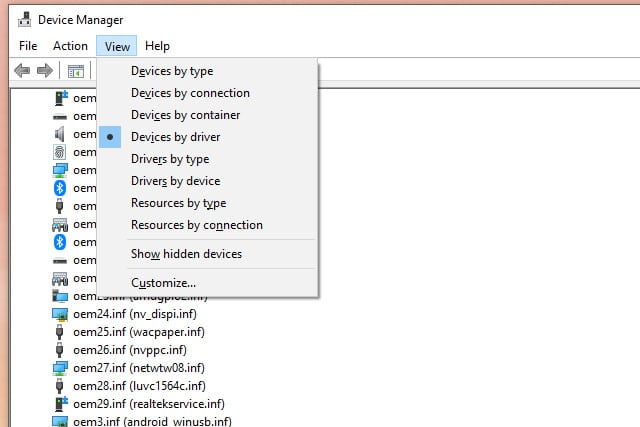
You can now find out which devices are using a particular driver in Windows 10
Drivers are essential to the smooth running of your computer, but they can also be tricky little blighters and the source of all manner of problems -- as anyone who has installed a duff update will attest. Now Microsoft is introducing an important change that will make it much easier to see which hardware is using which drivers.
The change is coming as part of an update to the Device Manager, and it's something that can currently be seen in the preview builds of the operating system. It will probably be included as part of the Windows 10 Sun Valley update that will make its way to users later in the year.