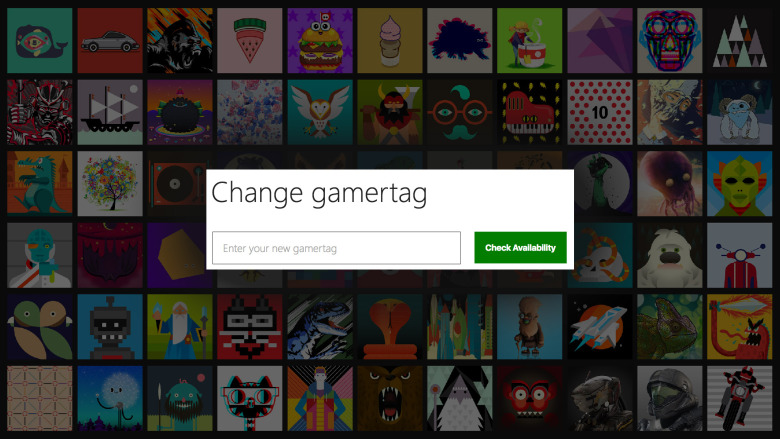
Microsoft is recycling old gamertags for Xbox customers
Many customers of Microsoft's Xbox gaming platform utilize the company's Live service so that they can play against others from the comfort of their own home. And, like any service, when you set up an account you choose a user ID, in this case, it’s a gamertag, which is what you become known by when online.
Many of these handles have been used up over the years, and some of those early ones have since become inactive for a variety of reasons. Now Microsoft is going to be opening those monikers up again to allow other customers to grab them.

Microsoft just tried to use Windows 10 to trick me into using Skype with a random account
So there I was, typing away after using a couple of coffees to make myself feel vaguely human. Up popped a notification from Skype. This was odd. I don’t use Skype because I absolutely loathe it. The app isn’t even running. Nonetheless, there it is: a notification telling me that I have been signed into my account.
While I don’t use Skype, I do have a Skype username from back in days gone by -- but this wasn't the account Windows 10 told me I had been signed into. Rather it appeared that Microsoft had created a secondary Skype account for me (gee, thanks...) based on my name and decided to randomly sign me in to foist the terrible messaging app on me. What gives?

Microsoft expands Windows Defender Advanced Threat Protection Preview to more enterprise users
Security is one of the features of Windows 10 that Microsoft has been particularly eager to highlight. It's something that's important to everyone, but especially enterprise customers. Earlier in the year the company launched a preview of Windows Defender Advanced Threat Protection, and now this is being made available to a wider audience.
The program is still in the testing phase at the moment, but Microsoft is looking for feedback from IT professionals and enterprise customers. Although this is described as a public preview, would-be participants are required to register their interest and their applications are subject to approval.

It may not be new, but Microsoft scheduling unwanted Windows 10 upgrades is still scummy behavior
I’ve been suffering with a shoulder impingement for a while, and seeing an osteopath to try and fix the problem. After today’s session, the osteopath tried to book me in for a new appointment, but the on-screen calendar was obscured by another appointment that had popped up -- this one for a Windows 10 upgrade. An upgrade that -- surprise, surprise -- the osteopath had neither asked for, nor wanted.
Not content with popping up at inconvenient times -- like during a live TV broadcast, for example -- Windows 10 upgrades are now being scheduled for a random date and time. You can cancel them but, like the best crapware, Microsoft has done its best to hide that option.

Terrorist group Al-Qaeda threatens to murder Microsoft founder Bill Gates
When Al-Qaeda destroyed two World Trade Center buildings, it felt like everything changed. Seemingly overnight, the citizens of the USA went from being fairly care-free to having to constantly look behind their collective backs. It is now 2016 and when I go to Penn Station in New York City, I still see military people with assault rifles. Sadly, this is apparently the new reality.
Now, that same terrorist group is threatening business men and women in America. It is particularly sad that a person must live in fear because of their success. One particular person being threatened is Microsoft's founder, Bill Gates.
Microsoft is working on a tool to simplify clean installations of Windows 10
While Microsoft has gone to great lengths to make it as easy as possible to upgrade from Windows 7 and Windows 8.1 to Windows 10, purists will always prefer to opt for a clean installation. For seasoned Windows users, performing a clean install of Windows 10 is easy enough, but that's not true for everyone.
Acknowledging the fact that clean installations are not a piece of cake for all, Microsoft is beavering away on a new tool to simplify the process. Windows Insiders will be able to try it out before anyone else, and give feedback to help shape the final product.
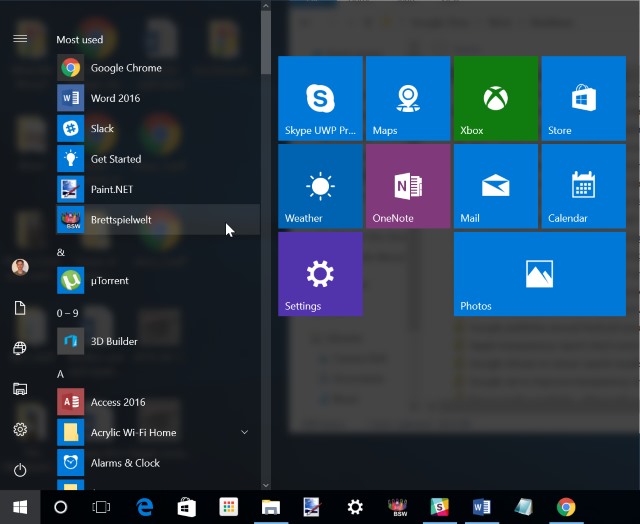
Windows 10 Anniversary Update will bring even more deceptive app ads to the Start menu
When Microsoft first introduced the idea of 'promoted apps' to the Windows 10 Start menu, it was decried by many as little more than pushing ads at users. If you found yourself among those upset by the appearance of links to apps you may have a vague interest in, things could be about to get a whole lot worse.
Later this summer Microsoft is releasing a major update to Windows 10 in the form of the Windows 10 Anniversary Update. In July the update will be released to the masses -- although Insiders have the chance to try it out in the meantime -- and Microsoft has plans for more ads; the number of spaces for 'promoted apps' in the Start menu is set to double from five to ten.
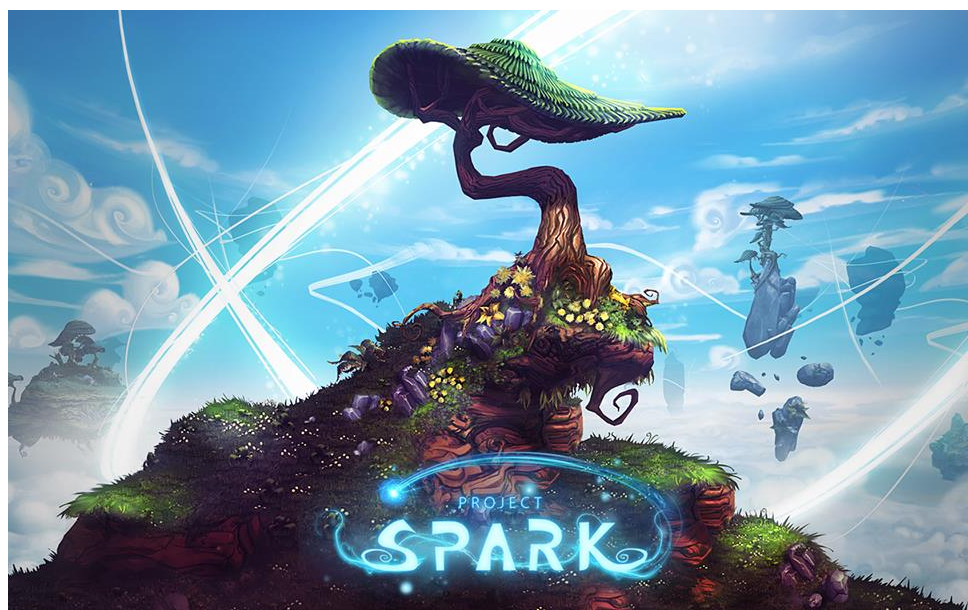
Microsoft pulls the plug on Project Spark
Out of the blue, Microsoft has announced that Project Spark is closing down. The Xbox One experiment which made it possible for just about anyone to create and publish games is to be killed off "after much consideration".
The service will be completely offline by 12 August meaning that after this date it will no longer be possible to upload or download content. Microsoft stopped development of Project Spark last year, but users had hoped that it would just be left to its own devices; this sunset announcement means that this is no longer the case.
Microsoft implements a blanket ban on computer support ads on Bing
Microsoft is following in Google's footsteps and cleaning up the ads that can be displayed on its network. After Google announced that AdWords could no longer be used to push payday loans, Microsoft has decided to ban ads for computer support services from Bing.
What's interesting here is that Microsoft has taken an incredibly hard line and issued a complete blanket ban on all technical support ads -- no exceptions. The aim is to weed out fake support ads and scams, but it will also impact on legitimate services.

Windows 10 Mobile will get native fingerprint reader support
Fingerprint sensors are all the rage these days on premium smartphones. You will not find a new high-end device launching without one. Even mid-rangers and low-end handsets are starting to offer this feature. That is, as long as they are not running Windows.
Fingerprint sensors are found on Android handsets and iPhones, but not on Windows Phone or Windows 10 Mobile devices. That is, in part, because Microsoft has not implemented support for this feature in its operating system. However, that is soon about to change.

Microsoft shows Windows 10's growth accelerating, but all is not as it seems
At the start of every month, NetMarketShare publishes the usage share for all of the desktop operating systems, including Windows 10. The operating system has been growing at a steady, if rather unexciting rate, gaining around 1 percentage point a month, including in April.
Despite Microsoft aggressively pushing Windows 10 onto as many systems as possible, the monthly trend shows growth is slowing. But hold on a minute! Microsoft today releases its own figures, and they show not only does the operating system have a much, much larger share than NetMarketShare reports, but growth is skyrocketing!
Microsoft releases Windows 10 Insider Preview Build 14342 -- here's what's new
Windows Insiders now have a new build to test, as Microsoft just released Windows 10 Insider Preview Build 14342 to Fast Ring. As always, users can expect a significant number of improvements and bug fixes to be included, but also some known issues to be present.
One of the biggest changes is related to Wi-Fi Sense. Because it has not been very popular with Windows 10 users, Microsoft is not dropping its biggest feature -- the ability to share Wi-Fi networks with contacts. Wi-Fi Sense will still be available in upcoming builds, though with limited functionality.
Microsoft brings unlocked frame rates, FreeSync and G-Sync to UWP games with Windows 10 update
Gamers can be a demanding bunch, and in many regards Windows 10 has been something of a disappointment as a gaming platform. While Microsoft has used Windows 10 to merge the worlds of PC and Xbox One gaming, Universal Windows Platform (UWP) games have been somewhat crippled by crappy frame rates.
Today this changes. Microsoft is pushing out an update that allows developers to take advantage of unlocked frame rates in UWP titles just as they can with Win32 games. In addition to ramping up frame rates, the update means that developers will also be able to take advantage of AMD's FreeSync and NVIDIA's G-Sync technologies.

Microsoft rolls out a cumulative update for Windows 10 that might cause your PC to run 'abnormally slow'
There’s a big Anniversary Update coming to Windows 10 in July and, in preparation for that, Windows Insiders have been receiving regular new builds packed with new features and improvements.
If you aren’t part of the Insider Preview program, and you’re running the standard version of Windows, there’s a cumulative update available today that will update your OS build to 10586.318. Unfortunately, some people are reporting it’s causing serious slowdowns.
Think Android security updates take too long to roll out? So do the FTC and FCC
Both the Federal Communications Commission (FCC) and Federal Trade Commission (FTC) are starting to ask the questions that Android users have been asking for years: why do updates and upgrades take so long to roll out?
If you're in possession of a flagship or recent handset, the chances are you're in line to receive timely updates for the foreseeable future. But Android's fragmentation means that older handsets quickly drop off the radar, get forgotten and remain unpatched. The FCC and the FTC both want to know why security patches are slow to hit phones, and the agencies have launched separate, but parallel, investigations.