Download the latest update to Windows 10 Build 10240
If you've installed Windows 10 Build 10240, it's possible that you're running near-RTM code. It has been suggested that it is in fact final code, but a new update from Microsoft proves otherwise.
This is not a new build so soon after the other, but a regular, run-of-the-mill update. That’s not to say it's not important -- it is a bug-fixing update which addresses some last minute issues. KB3074665 is listed as a security update, and Microsoft's Gab Aul also describes it as "a package of fixes based on reported issues in 10240".

Microsoft will offer 'Day One Experience' for Xbox app on Windows 10
The video game console wars are in full effect, with both Sony and Microsoft selling many consoles and games. Besides gaming, however, both the Xbox One and PlayStation 4 are media boxes too. Microsoft's console, however, has a very clear advantage by running Windows; it is arguably more "future proof".
Since Xbox One runs Windows, it makes it easy to interface with PCs running Windows 10. In fact, the upcoming operating system will feature an improved Xbox app offering amazing features like game streaming. Microsoft wants to be sure that users realize the potential of this app, so it is offering a 'Day One Experience' for new Windows 10 installations. Also good news? Game streaming is exiting preview. Sony should be worried.

Microsoft PhotoDNA helps websites weed out illegal child porn and abuse images
Microsoft has released its PhotoDNA tool to help tackle the problem of child abuse images online. The cloud-based tool has been used by law enforcement agencies for some time, and now it is being made available to website owners free of charge.
The spread of child porn images and sexual abuse photos online is prolific, with an estimated 720,000 illegal images uploaded each day. Rather than relying on a team of human workers to track down and remove such photos, PhotoDNA automates the process helping to protect site visitors, protecting website owners from hosting illegal content, and helping in the fight against the exploitation of children.

Microsoft confirms it will support Windows 10 for at least ten years -- for free! But questions remain
Microsoft has made a real mess out of explaining its plans for Windows 10 to the masses. I talked about the company’s inability to stop confusing the hell out of Windows 10 users three weeks ago. While the company has slowly been clearing up much of the fear, uncertainty and doubt surrounding its new OS, one big question remained. Just how long would the company be offering free updates for?
"The lifetime of the device" said Microsoft. Which, frankly, meant nothing to anyone. A PowerPoint presentation buried on Microsoft's site suggested that Window 10 users would get free upgrades only in the first 2 to 4 years. Which is hardly any time at all. Thankfully, that turns out not have been true, as today -- at long last -- Microsoft has updated its Windows lifecycle fact sheet.

Microsoft imposes Windows 10 automatic updates, whether you like it or not
In past versions of Windows, Microsoft has allowed users to configure how they want operating system updates to be delivered. Those looking for the ultimate protection configure Windows Update to automatically install them, while others may, accidentally or not, disable the feature or postpone installing any updates for a very, very long time. I have seen systems that last had updates installed years before I was asked to troubleshoot them.
With Windows 10, however, Microsoft is taking matters into its own hands, by making automatic updates mandatory. This applies to both home and business users, unless the latter group turns to dedicated tools that allow them to have more control over how updates are installed. Basically, you have to go out of your way to keep Windows 10 out of date.
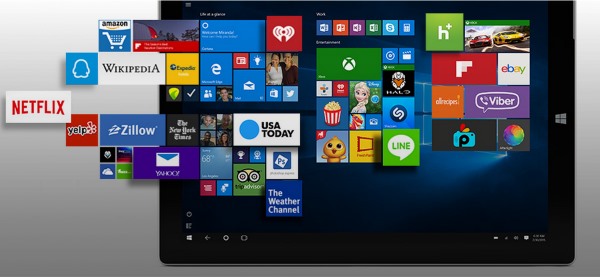
Microsoft launches universal app store for Windows 10 [Update: Actually, it's not the unified store...]
The launch of Windows 10 is as much about creating a unified Windows experience and a new ecosystem as anything else. Windows 10 for desktops/laptops and for Windows Phone are closely linked and Microsoft wanted to make life easier for developers and users alike when it comes to apps.
To this end the company has launched a web version of its app store, merging the previous Windows Store and Windows Phone Store into one repository. Pay a visit to the online store and it is now possible to browse through the selection of Windows apps and Windows Phone apps in one place. Update: Microsoft contacted BetaNews with more information; see more at the end of the article.
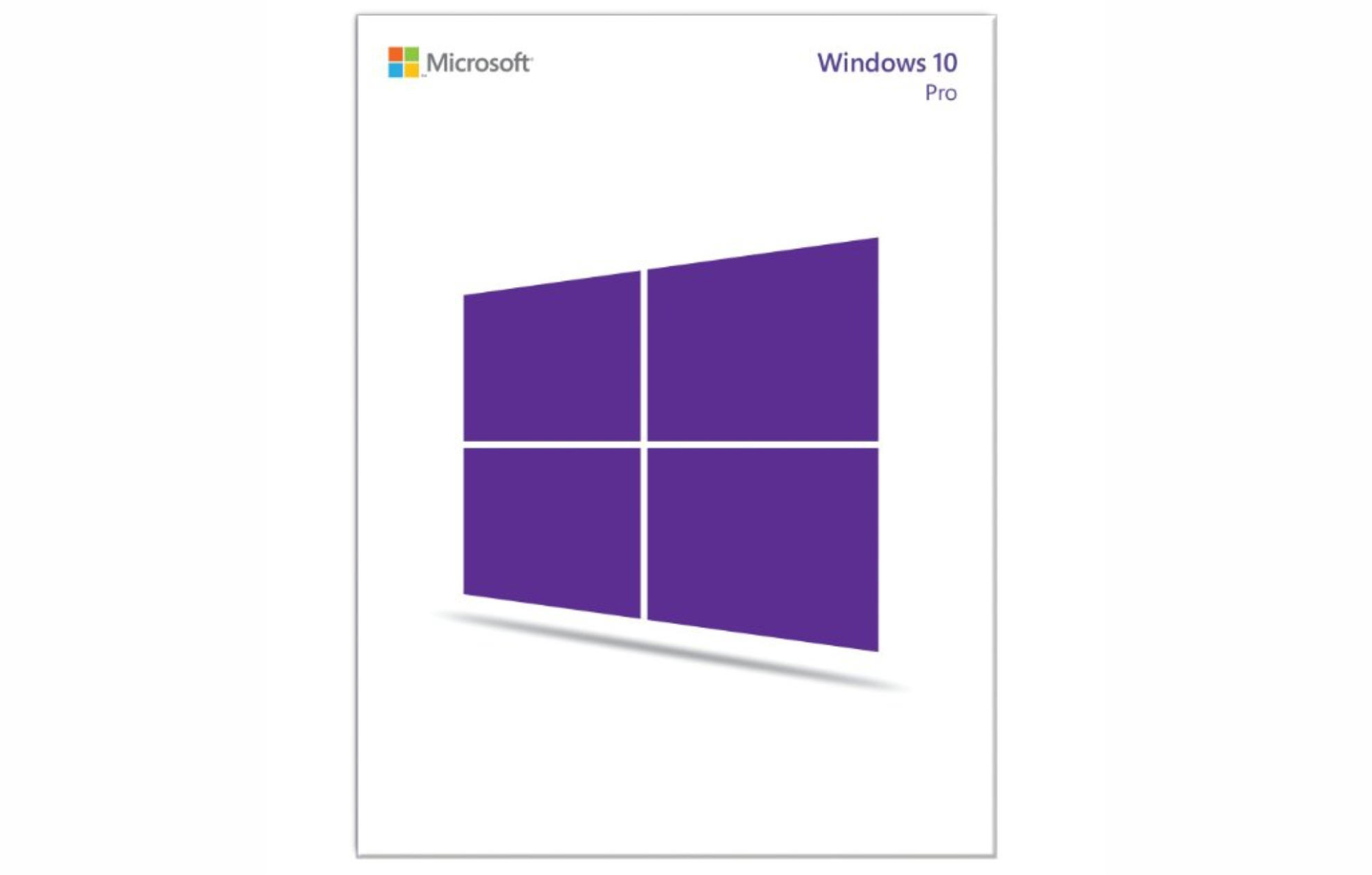
Windows 10 USB flash drives now available to pre-order on Amazon
Microsoft is set to launch Windows 10 on July 29, and if you’re running Windows 7, or later, you can already reserve your free upgrade through the Get Windows 10 app in the system tray. If you don’t have a valid Windows 7 or 8.x license (you’re running XP, for example), or you want to install Windows 10 on a new system, you’ll need to buy a copy of the OS.
The good news is Windows 10 Home and Pro are now available to pre-order on USB flash drives direct from Amazon.

Microsoft's Bing will stop you from moving to a crappy neighborhood
It is a cliche, but the three most important things to look for when buying a house are location, location and location. In other words, no matter how beautiful the house, if the location sucks, so too will the living experience. For example, if the house is in a city with a high-crime rate, next to the railroad tracks, or near an airport, you just wasted your money (unless, of course, you can't afford anywhere better). If you have children, you ideally need to find a neighborhood with a good school district too.
With all of that said, if you are looking for a new home, you have your work cut out for you. Quite frankly, what should be a fun experience ends up being a stressful chore. Don't worry, however, as Microsoft has your back. Bing is now updated to make this easier for you.

US consumers losing interest in smartphones, but Microsoft 'delights'
Despite the introduction of some impressive smartphones in the past year it appears that the market is showing signs of contracting in the US.
According to a new report from Argus Insights, following a strong holiday season, US smartphone demand in Q2 (ending June 30 2015) dropped steadily and is down 8 percent compared to June 2014. While Samsung and Apple remain the top smartphone brands, Samsung appears to have failed to woo consumers with its two new flagship devices, the Samsung Galaxy S6 and S6 Edge.
HP to ship Windows 10 PCs on July 28
In the run-up to the launch of Windows 10, there has been some confusion about whether it will be possible to buy a system running the latest OS on the big day. Dell has already made its position clear, and now HP has done the same.
If you want to pick up an HP computer running Windows 10 from a store, you'll have to wait until the beginning of August. But if you order ahead of time, systems will be ready for customers on July 28.
Microsoft no longer providing any form of security for XP
Bad news, yet again, for those Windows users stubbornly refusing to leave XP. Microsoft might have ended support for the ancient OS back in April 2014, but it was still providing the Malicious Software Removal Tool and updates to Microsoft Security Essentials, offering a modicum of security.
However, as of this week, XP users will no longer receive those updates, leaving them exposed to more threats.

Windows RT lives! 8.1 Update 3 coming in September -- here are 5 things I want from it
Is Windows RT a failure? Obviously it is. With that said, failing is not always a bad thing. Taking risks and trying new things is essential to a company's survival. Microsoft was smart to make a version of Windows for ARM processors. The problem, of course, is that ARM processors cannot run x86 software. Software availability and compatibility are Windows' greatest strengths -- consumers did not like losing this. Hell, many consumers did not even realize this when buying an RT machine, leading to returns and poor experiences.
Windows RT is not dead yet, however. Earlier today, Windows guru Gabe Aul dropped a bombshell on Twitter -- Windows 8.1 RT Update 3 will be available in September. Oh my. We knew some type of RT update was coming, but it is so exciting to get an approximate ETA. As the owner of a Surface 2 -- which I still love -- I am overwhelming elated. The problem? Aul did not share any details. Here are 5 things I am praying to get in the update. Do you think my wants are reasonable and probable?

Microsoft Edge gets a huge performance boost in Windows 10 Build 10240
So, a possible RTM build of Windows 10 has been unleashed on Windows Insiders, just two weeks before launch day, and just two days after the suspension of build availability. As we're so close to the actual release, it would have been foolish to expect any major new features or changes here, but there have been important tweaks made to Microsoft Edge.
The main reason for build 10240's release may well be to test the upgrade process that will be used by millions of people, but it's also a chance for Microsoft to show off the performance of its new operating system. One thing the company is particularly proud of is just how fast Microsoft Edge, the successor to Internet Explorer, is.

Windows 10 Insider Preview Build 10240 has a special purpose
Earlier today The Verge stated that Windows 10 has been finalized, and Build 10240 was the version of the new OS that Microsoft has selected as the final Release To Manufacturing (RTM) copy. While Microsoft has just released that very build -- after briefly suspending updates -- it has neither confirmed nor denied its RTM status. The company has made it clear however, that Insiders can expect still more builds before the full version is released to the world at large on July 29.
However, what’s interesting is that Build 10240 isn’t an ordinary release. It has the bug fixes you’d expect from a new build, and the desktop watermark has been removed, but that’s not what’s most significant about it. RTM or not, Build 10240 serves a vital purpose.
Microsoft releases Windows 10 Build 10240 to both Fast and Slow rings -- possibly RTM
Microsoft has a new build for all its beta testers. The company announces today that it is releasing Windows 10 Build 10240 to both the Fast and Slow rings. What could be the RTM version (the final version of a product released to the manufacturers), the new build brings along several minor changes and a performance boost.
Chief among those features is the watermark, or its lack thereof, to be precise. That's right, the watermark as gone, which shows how close we're getting to the full thing. In the new build, Microsoft has also further optimized its Edge browser to make it more efficient. The company claims the new browser is significantly faster than Chrome, and has published different benchmarks to show its speedy superiority.