
Six newly identified Windows vulnerabilities put Microsoft users at serious risk
Six newly discovered Windows vulnerabilities, including one rated as critical, could crash systems, allow attackers to run malicious code, or expose sensitive data. The flaws were uncovered by Check Point Research and privately reported to Microsoft under a responsible disclosure process.
One of the most notable discoveries involves what is likely the first publicly disclosed bug in a Rust-based Windows kernel component. Rust is often chosen for its ability to prevent memory errors that have historically led to security flaws

PowerToys may get a new clipboard tool called ClipPing
A proposal has been put forward to add a new clipboard tool to the PowerToys utility collection. Already available as a standalone app, ClipPing is a simple tool that provides a visual notification whenever the clipboard is used.
Although still in relatively early stages of development, both the tool itself and the suggestion of integrating it into PowerToys have been well-received. ClipPing serves at least a couple of purposes – both useful and security-focused.
Microsoft ‘rationalizes’ Windows Search settings in latest Windows 11 build
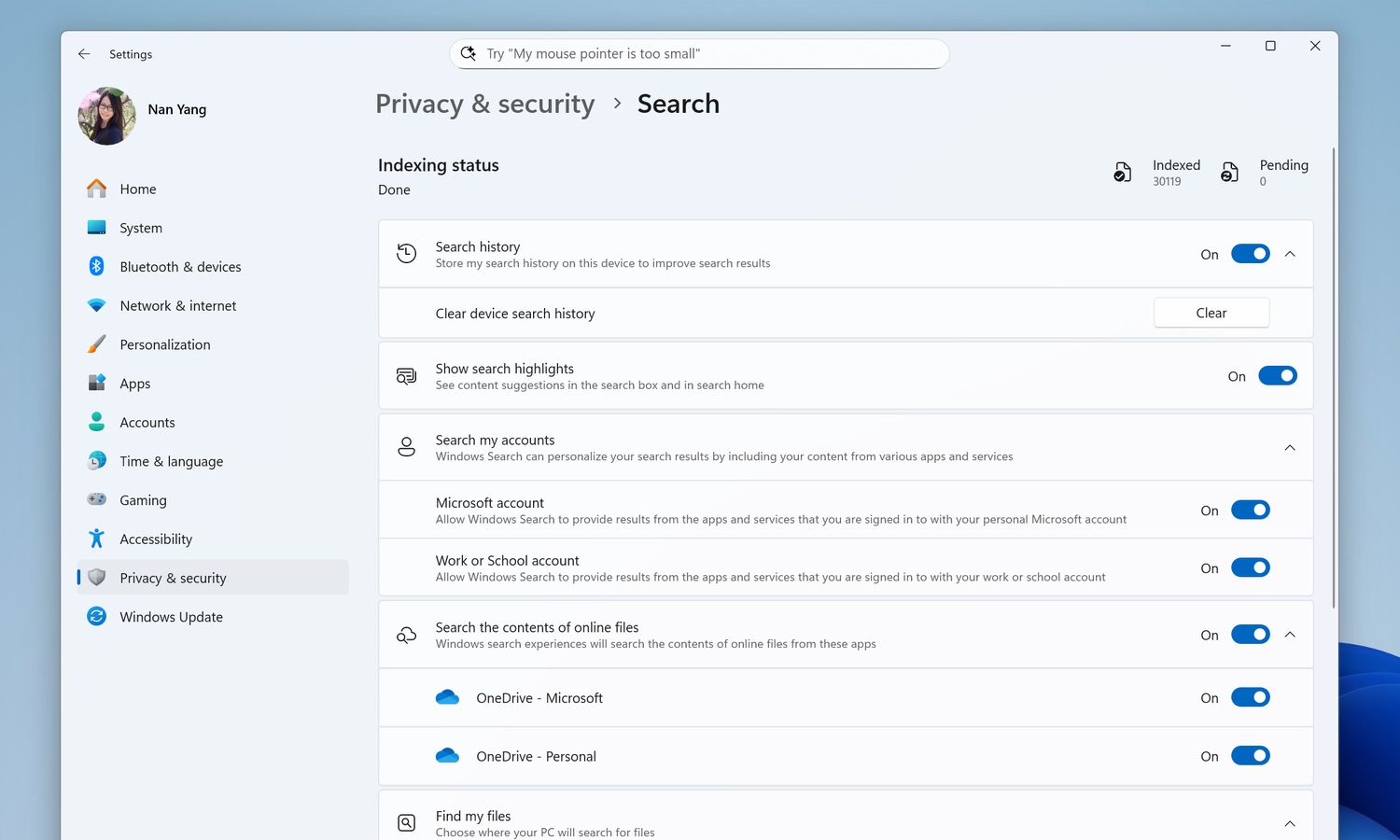
Microsoft has released Windows 11 Insider Preview Build 27919 to Windows Insiders signed up for the Canary channel. While not a release that is jam-packed with new treats, it does include important changes to Windows Search.
Describing the changes, Microsoft uses very curious language saying that it has taken steps to “rationalize and organize Windows Search settings”. What this means in practice is that things are being made more logical, with the company apparently taking time to focus on user experience a little more.
Microsoft Recall is bad at filtering sensitive information
Whenever there are privacy concerns voiced about software, they are almost always downplayed. But fears about Microsoft Recall appear to be well justified.
Announced and previewed last year, Microsoft Recall is a feature of Windows 11 which Microsoft says enables users to retrace their steps. It does this by capturing screenshots of computing activity, which can then be analyzed and searched using AI to home in on data, return to a project, and much more. But there have been lots of vocal protests about the potential for invasions of privacy.
Microsoft announces end of support for Windows 11 SE
It is not just Windows 10 that Microsoft is ready to forget – the company is adding Windows 11 SE to the list as well.
In a quiet announcement, Microsoft says that in a little over a year, Windows 11 SE will no longer be supported and will no longer receive updates of any description. But what does this mean for users, and where does it leave them?
UpDownTool lets you move from Windows 11 to Windows 10 in just 5 clicks -- without losing any data
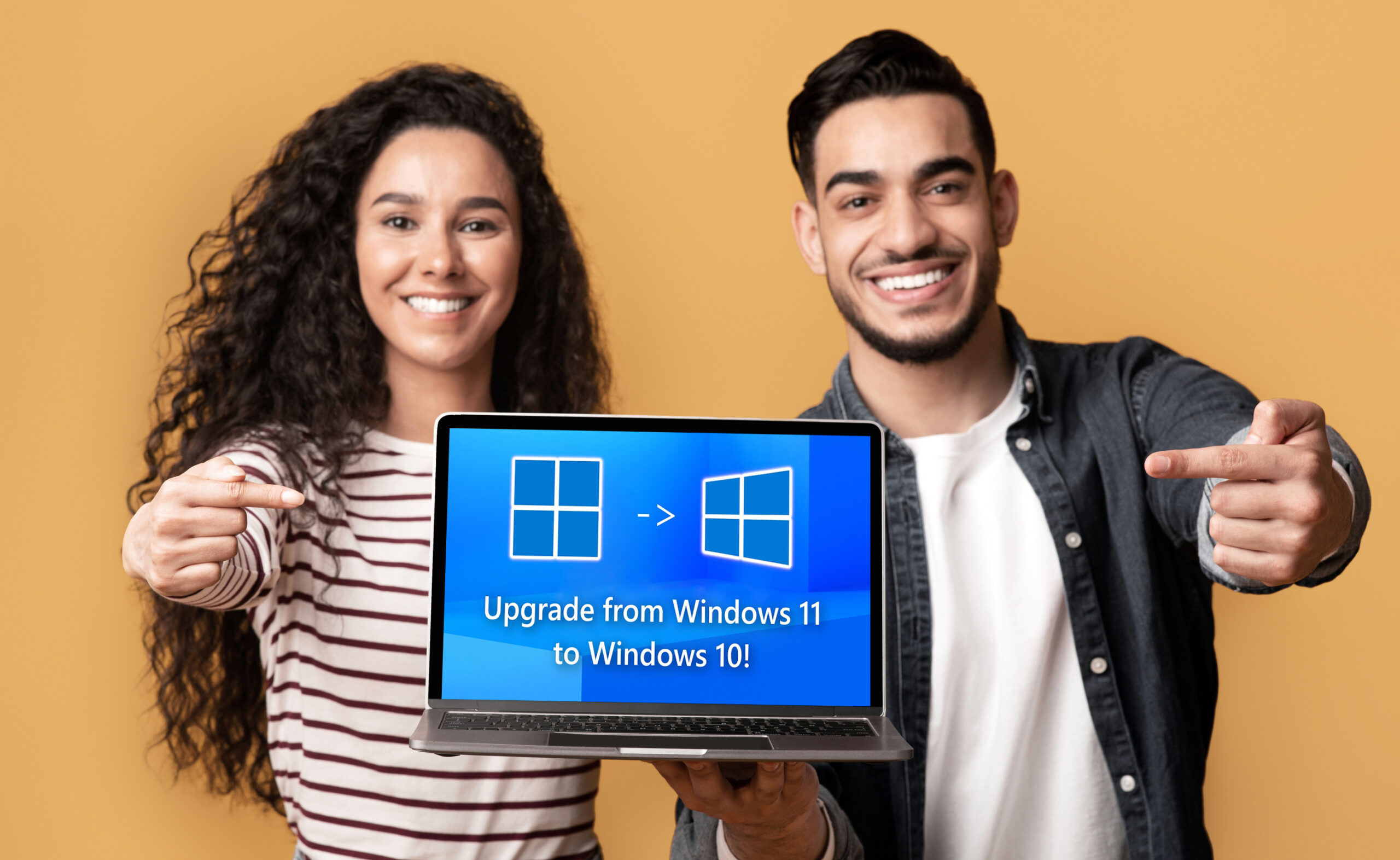
A new app called UpDownTool lets users revert from Windows 11 to Windows 10 for free, without losing any programs, files, drivers, or settings.
It's designed to provide a more flexible alternative to traditional rollback or clean install methods, which either require you to take action within a short window or wipe everything on your system.
Oreon 11 could be the Linux OS that helps you leave Microsoft Windows for good
If you are considering moving away from Windows 10 or 11 but haven’t yet found a long-term option that feels right, Oreon Linux may offer a solution worth watching.
When Oreon 10 launched back in December 2024, I declared it had arrived to replace Microsoft Windows. Built with simplicity and familiarity in mind, it bridges the gap between the ease of use people expect from Windows and the power and flexibility of Linux. Now the team behind the OS has revealed its plans for the successor, which (to the surprise of no one) will be called Oreon 11.
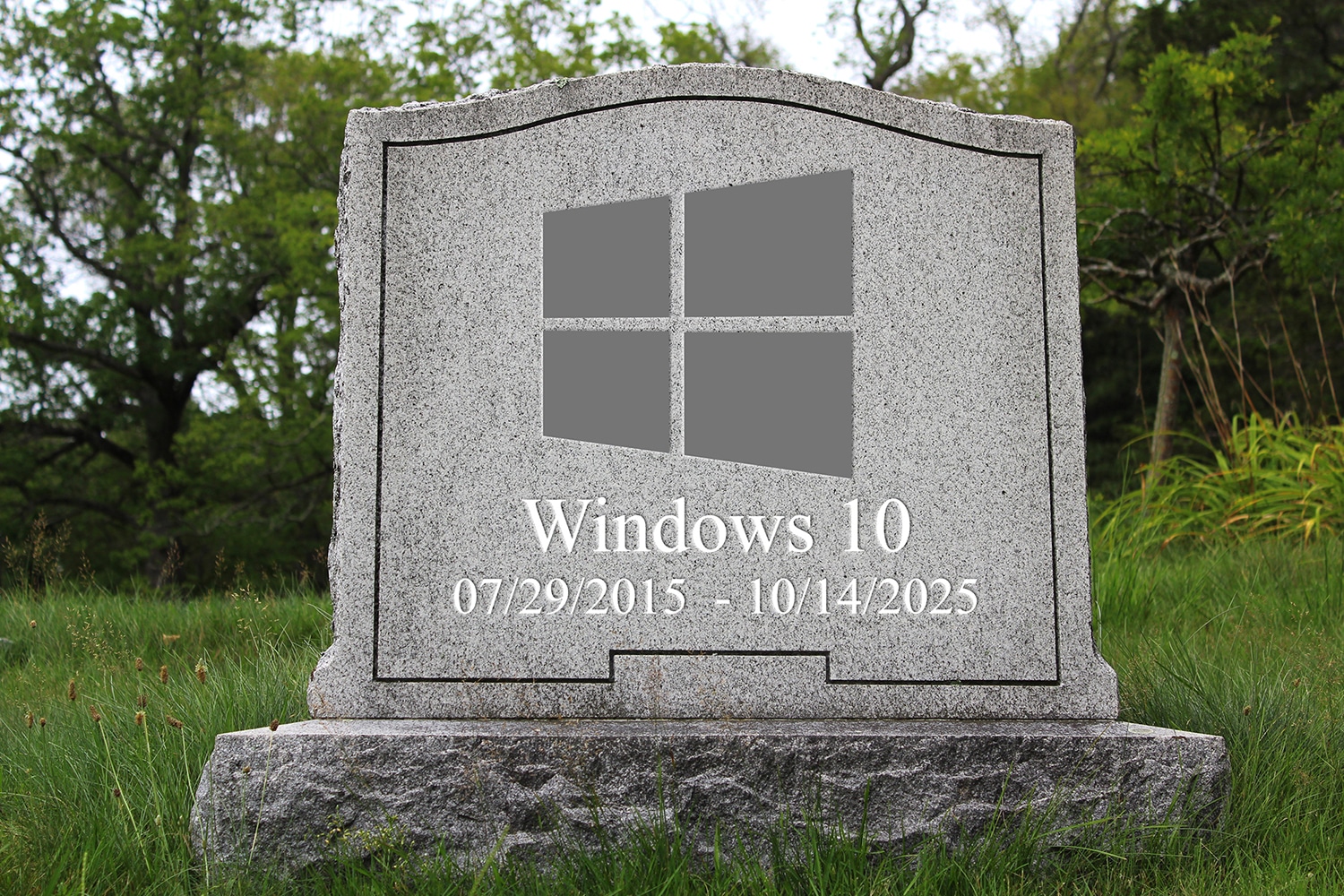
Organizations face cost and security risks as Windows 10 end-of-life deadline approaches
With support for Windows 10 ending on 14 October 2025, new research from Panasonic Toughbook highlights growing concern among organizations about the risks and challenges of migrating to Windows 11. The findings point to worries around security, software compatibility, and rising costs for those delaying the upgrade, which is something the UK government also warned about recently.
Panasonic’s whitepaper, Navigating the Shift: The Business Case for Upgrading to Windows 11, outlines how many businesses are struggling to manage the transition, especially those with large device fleets.

Business users can soon get a Surface Laptop 5G from Microsoft
Microsoft’s range of Surface devices quickly developed a following of business users, with Surface Laptop proving popular. But there were complaints about the absence of a key connectivity option; now with the Surface Laptop 5G this is being addressed.
As the name suggests, this is a 5G version of the Surface Laptop, and Microsoft says that it is “built for business”. While users will see the addition of 5G connectivity as a way to eliminate phone tethering, Microsoft is instead billing it as a way to “stay continuously connected to Microsoft 365 Copilot and other cloud tools”.
Windows Resiliency Initiative hits Windows 11 in KB5062660 update
Microsoft has released the KB5062660 preview update for Windows 11 ahead of next month’s Patch Tuesday. Being a preview update, it is optional and does not include security fixes, but it is packed with new features including the Windows Resiliency Initiative.
This initiative is something Microsoft spoke about back at Ignite 2024 and it aims to boost security and reliability. The update delivers two components of this. It sees the arrival of Quick machine recovery as well as the new Black Screen of Death.
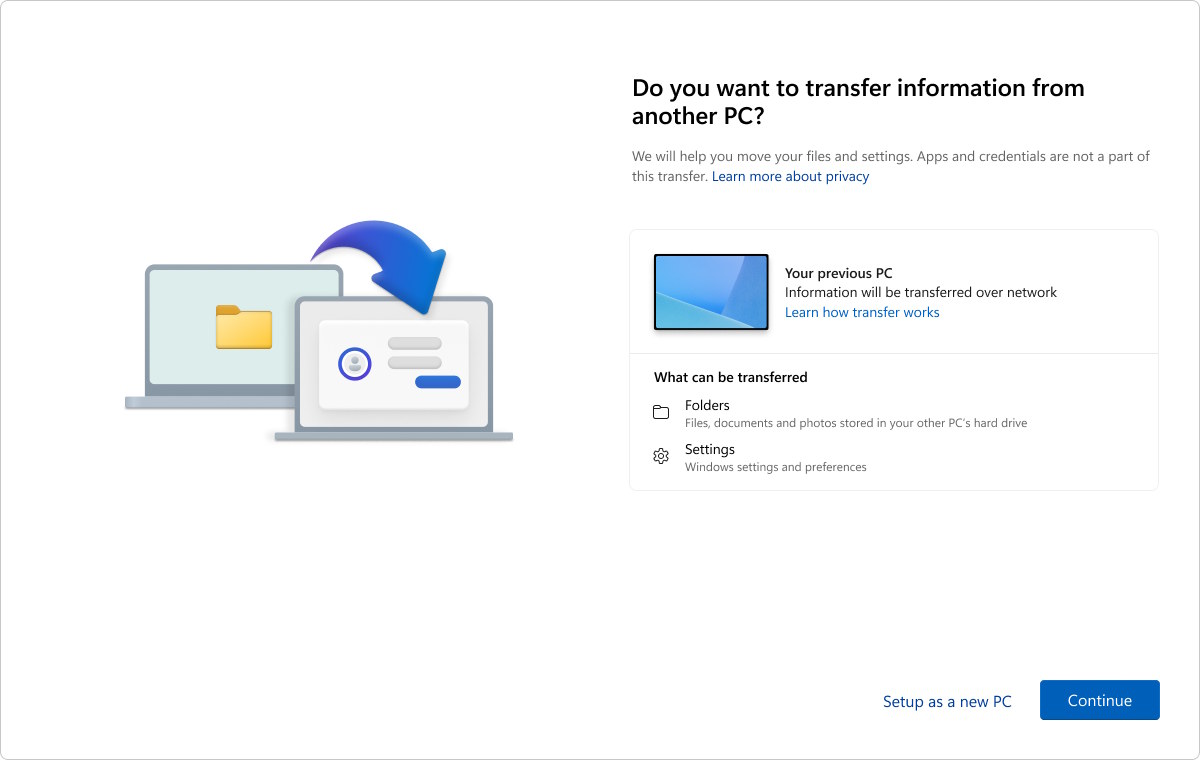
The Windows 11 transfer tool is not as impressive as Microsoft made out
So keen is Microsoft for everyone to embrace Windows 11 that it has gone as far as developing a dedicated tool to simplify the process of getting a new PC. The company has not said as much, but the data transfer tool is a clear acknowledgement of the fact that when Windows 10 support end later this year, a large proportion of users will not be able to upgrade their current system to Windows 11 because of not meeting hardware requirements.
Which means there are going to be a lot of new PCs sold from this point forward, and Microsoft has made much of being there to hold the hands of those who fear losing data as they migrate to a new computer. But it seems that the transfer tool is not as impressive as has been suggested thus far.
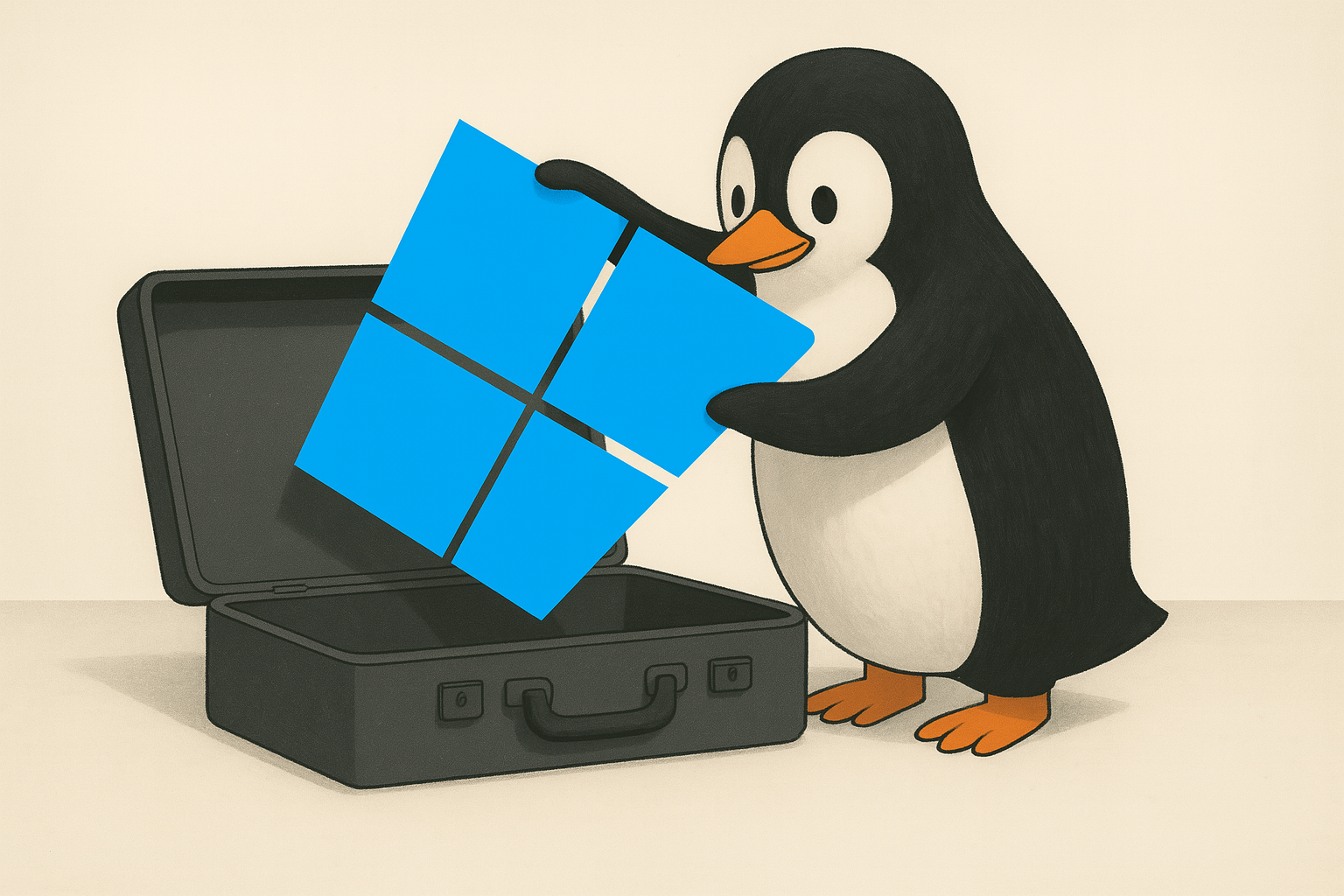
Saying no to Windows 11 just got easier -- Operese automatically transfers your Windows 10 files and settings to Linux
Microsoft is ending support for Windows 10 on October 14, 2025, leaving over 200 million devices unable to upgrade to Windows 11.
While some users may be considering buying a new computer or paying for extended support, one student developer is offering another path: switching to Linux with the help of a free migration tool called Operese.
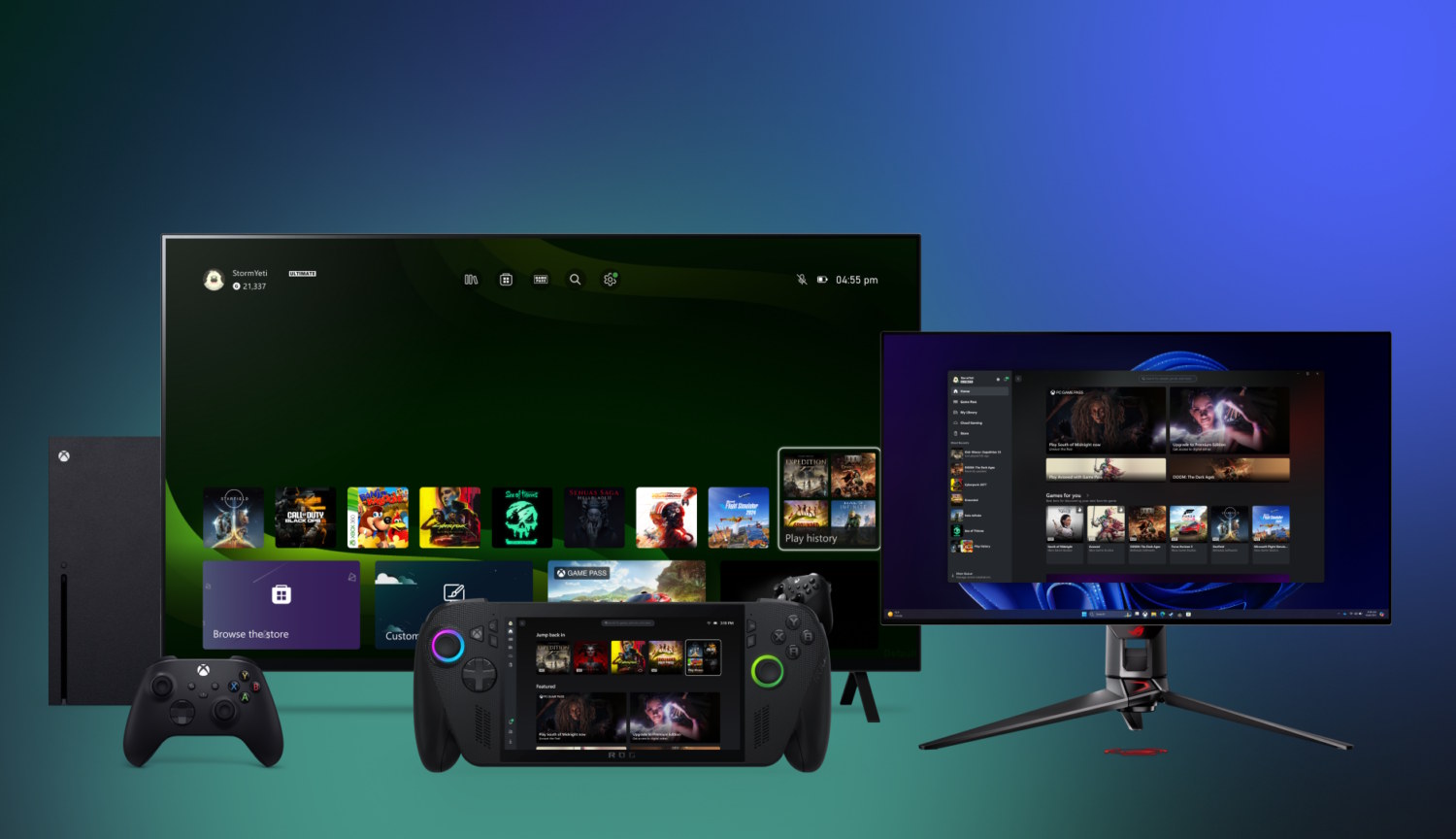
Microsoft tests unifying gaming libraries across devices
Microsoft has new options for gamers signed up to the Xbox Insider program looking for more from their gaming libraries. In addition to a cross-device play history that can be accessed from Windows and Xbox, there is also a significant update to the Xbox PC app.
Following an earlier library update, Microsoft says that it remains committed to making it “the go-to destination for your games” by adding cloud-playable console titles to the Xbox PC app.
Microsoft will use snooping telemetry to help speed up Windows 11
Windows 11 users have something of a strained relationship with telemetry, with many people viewing Microsoft’s collection of data as invasive. This has not stopped the company from gathering more and more information from users, and in the most recent Insider builds of the operating system, things are being taken up a notch.
This time around, telemetry is not only optional, but its collection is for a good cause, one that just about everyone can get onside with – improving performance. In short, Microsoft is looking to speed up Windows 11.

WhatsApp is ditching its native Windows app for a crappy web wrapper
There is some disappointing news for WhatsApp users who like to work with the desktop app. In what appears to be part of a streamlining process, Meta is dropping the UWP app in favor of a web wrapper.
There are advantages and disadvantages to this, but few people who have compared the native Windows app with the web-based version off WhatsApp can have failed to notice the performance difference. The WhatsApp UWP app has always been snappier, more responsive, and used fewer resources, so in some ways it feels like a backwards step to switch to a web wrapper.