
Google enables cloud-based image search saving for desktop
Some say Bing is the best search engine for adult-themed image searches -- I wouldn't know. What I do know, however, is that Bing is the new integrated image search for Microsoft Office -- it works very well for that. With that said, Google is what I use most often. Since it is the search engine I use for text, I just go to it for images too -- it works brilliantly.
Today, Google is improving its desktop image search with a new cloud-based saving system. This mirrors the functionality found on mobile and enables a more robust way to "save" images you want to look at later. Rather than save the files locally, they are kept in the cloud -- sort of like a bookmark.
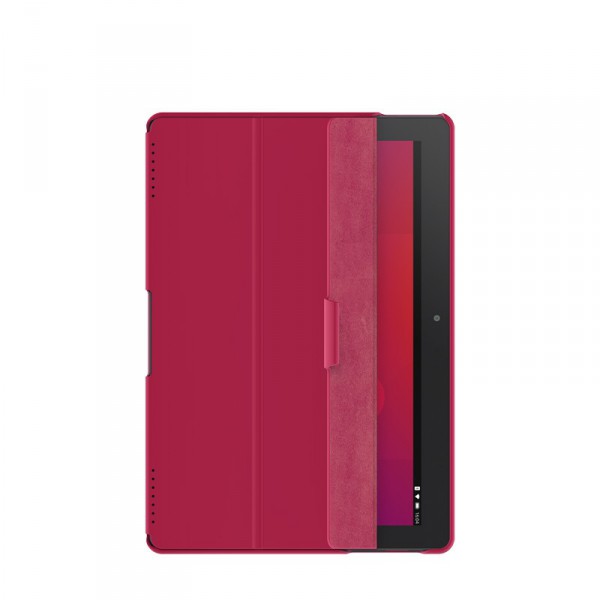
BQ Aquarius M10 Ubuntu Edition Linux tablet now available for pre-order
While Linux remains insignificant on the desktop, it is the clear king of mobile thanks to Android. While the iPhone may generate more money, there are more Android handsets being sold globally.
Unfortunately, while Android uses the Linux kernel, the devices are usually not in line with the typical experience. Outside of Nexus devices, many users have to deal with locked bootloaders and the inability to install an alternative OS. Luckily, Android is not the only mobile Linux game in town -- Ubuntu can scale beautifully from smartphone, to tablet, to desktop. Today, the first official Ubuntu tablet -- BQ Aquarius M10 -- becomes available for pre-order, giving Google a run for its money.
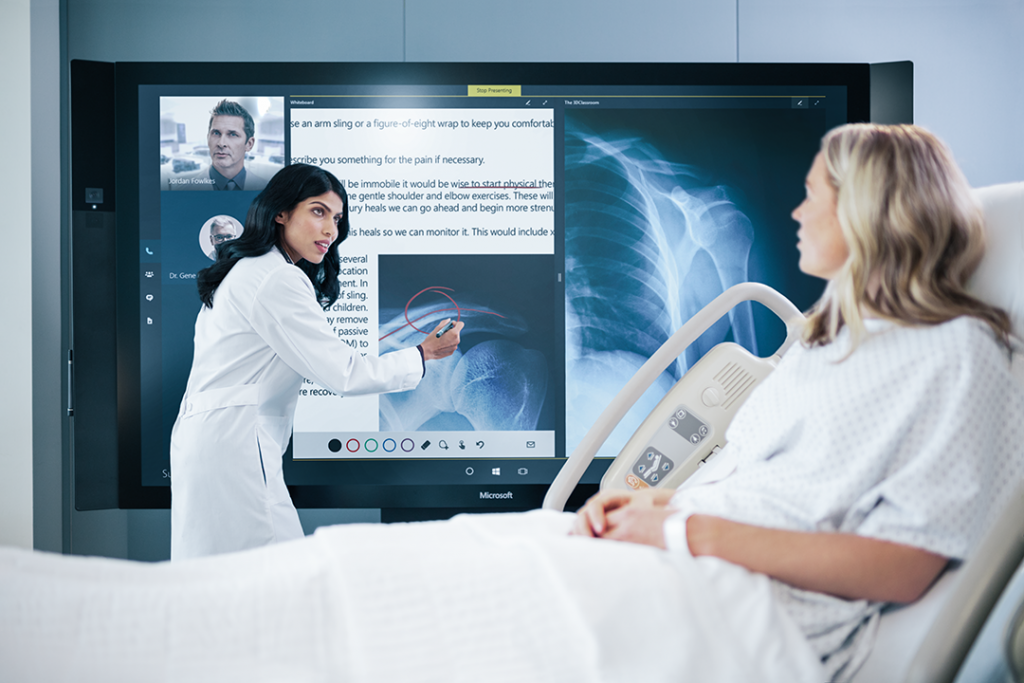
Surface Hub isn't vaporware! Microsoft starts shipping it to business customers
When a product is announced, but then never released, it is often referred to as vaporware. This can be both hardware and software. While some of this perceived vaporware fades into the annals of tech history, sometimes it becomes an actual product, thus shaking its "vaporware" moniker.
Microsoft's Surface Hub was beginning to enter into the vaporware category, and for a while, I feared it would never see release. After delays and price-hikes, Microsoft's product is finally shipping to business clients. This is particularly great news, as it is one of the company's most exciting products in years.

Microsoft releases boring Windows 10 Insider Preview Build 14295 for PC and Mobile
If you are going to use Windows, you might as well use Windows 10 -- why not? If you use Windows 10, and you are fairly tech-savvy, enrolling in Microsoft's Insider program can be quite rewarding. It allows you to get early access to beta builds for the newest version of the operating system.
While being an unpaid beta tester for a billion dollar company is not an attractive prospect for everyone, many people find value in trying new features before the general public. Today -- the same day Canonical releases a new beta of Ubuntu -- Microsoft announces Build 14295 for PC and Mobile. Unfortunately, it is quite the boring release, mostly featuring bug fixes. Yawn.

Canonical releases Ubuntu Linux 16.04 LTS 'Xenial Xerus' Final Beta
If you are a Linux desktop user, there is a good chance you have used Ubuntu at some point in your life. The distribution is one of the best, offering stability, many available packages, and an overall great user experience. Unfortunately, the last few releases have been rather ho-hum -- boring and evolutionary. Don't get me wrong, Canonical shouldn't fix what isn't broken (as Microsoft often does with Windows), but some users expect a bit more from operating system upgrades.
The upcoming 16.04 release looks to remedy this, finally delivering a meaty upgrade to Ubuntu fans. Two major changes are a much improved Unity with the ability to move the dock (woo-hoo!), and a refreshed software store. Today, Canonical releases the final beta, signaling that the true non-beta final version, due April 21, is right around the corner.

Google partners with Microsoft and other email providers to bolster Gmail encryption
If you are an email user, there is a very good chance you use Google's ubiquitous Gmail service. While there are countless other options, such as Outlook, AOL, Yahoo and more, the search giant's offering is quite popular. It is easy to see why -- it is easy to use, secure, and can double as a Google account for things such as Play access on the wildly popular Android.
Today, Google announces that it is making Gmail even more secure. With so much talk about enryption in the news nowadays, the search giant is enhancing its email service with improved TLS encryption. How is it doing this? By working with other email providers, such as Microsoft to make sure encrypted emails remain that way in transmission.
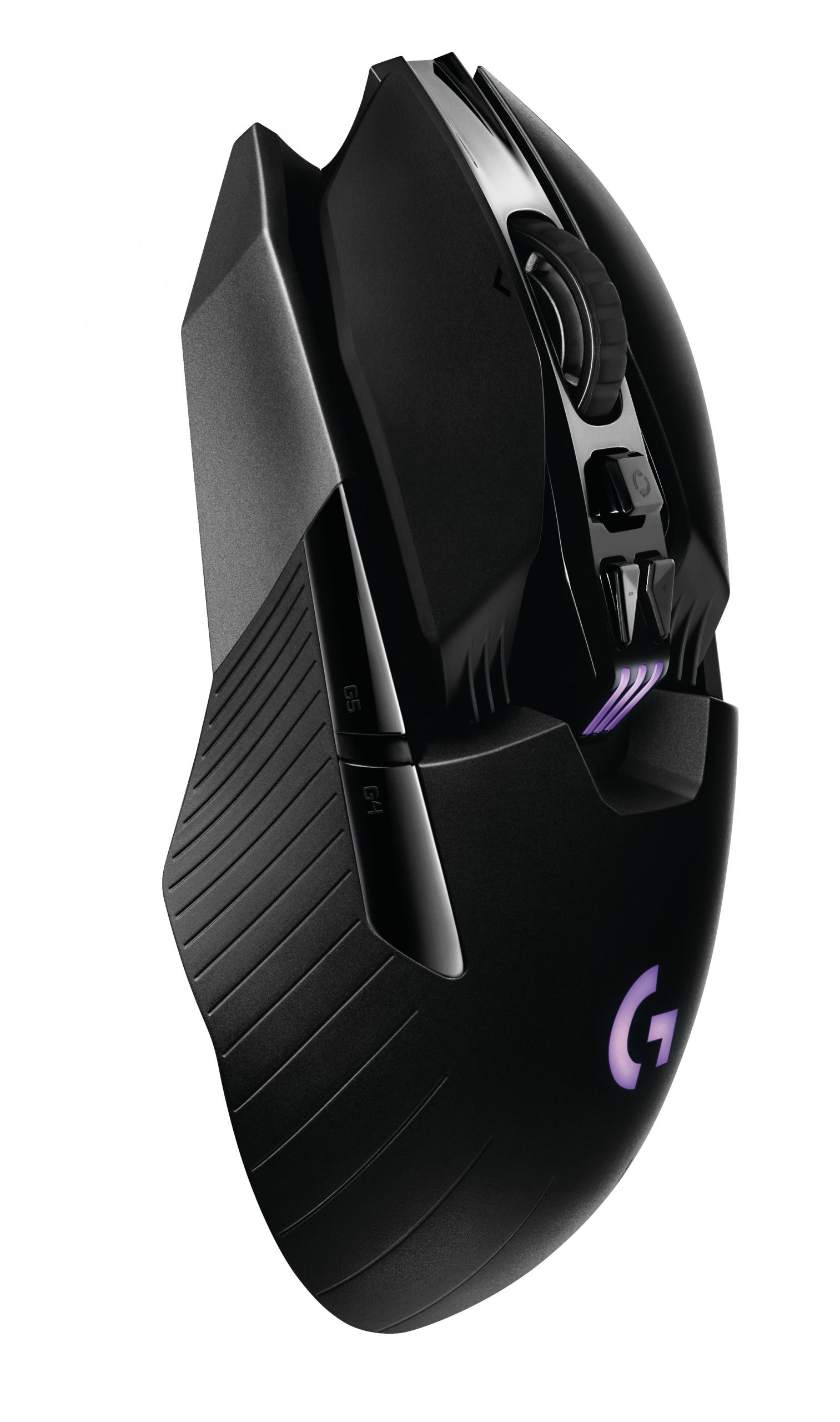
Logitech G900 Chaos Spectrum wireless gaming mouse outperforms wired mice
Wireless mice are a tricky situation. On the one hand, they eliminate unsightly wires, creating a more aesthetic desktop look. The downside, of course, is the need of batteries. Whether it is rechargeable or not, it can be a total bummer when the juice runs out. Hardcore gamers in particular just don't have time for such things -- depleted batteries can cause lost matches and other frustrations. Not to mention, wired mice can have less lag, offering better performance.
Today, Logitech announces a gaming-focused mouse. Called the G900 Chaos Spectrum, it features a selectable DPI between 200 and 12,000. While wireless gaming mice are nothing new, the company claims this model has advanced wireless technologies, offering better performance than wired mice. That is quite the bold statement -- is it realistic?

GNOME 3.20 'Delhi' Linux desktop environment is here, and it looks amazing
One of the great things about Linux-based operating systems is the ability to change the user interface by way of desktop environment. If you like Ubuntu, for instance, but don't like Unity, you can choose an alternative such as KDE, Xfce, or GNOME, to name a few.
While GNOME 3x was initially quite controversial for its abrupt design change from 2x, it has evolved into something quite remarkable -- my favorite such DE. Actually, GNOME 3 is much more than a pretty UI -- it is a design philosophy and suite of useful programs. Today, it reaches a major milestone with 3.20. It features many enhancements, such as improved Wayland support.

Star Wars: The Force Awakens Blu-ray leaks online early -- available for torrent download
The Star Wars franchise is a runaway train-like phenomenon, lasting decades and being enjoyed by several generations. When the newest such film, The Force Awakens, was announced there was a fury of media coverage and marketing cross-promotions. Quite frankly, I found myself sick of the Star Wars franchise after a while, although I did eventually see the film -- it was pretty good.
Yesterday, a rip of the Retail Blu-ray version of Star Wars: The Force Awakens apparently made its way to the seedy underbelly of the Internet. Even though the disc is not available for purchase until April 5th, pirates can start watching immediately. This is rather sad, as honest fans of the franchise must wait to spend their money, while dastardly thieves can watch now for free.

Red Hat proves open source is big business -- posts $2.05bn yearly revenue
Open source is big business. To quantify and define "big business", how about I throw out a number -- $2,000,000,000. That is a lot of zeros! But what does it represent?
It is a figure that Red Hat has surpassed for its 2015 earnings, as it just posted revenue of $2.05 billion for last year. This makes it the first-ever open source software company to ever meet or exceed $2 billion in revenue in a year.

Google kills Chrome app launcher for Microsoft Windows, Apple OS X, and Linux
During the Windows 8 era, I was very worried about that operating system -- the UI and design choices were troubling. Luckily, as a longtime Linux user, I was not tied to any Microsoft OS. Unfortunately for some consumers, Linux-based operating systems can be difficult to install and use, while Mac computers are very expensive. Chrome OS and the inexpensive Chromebooks swooped in to save the day.
For those that stuck it out with Windows, or used other desktop operating systems, Google introduced a Chrome OS-like launcher -- the unimaginatively named Chrome app launcher. It allows Windows, Mac, and Linux users to launch Chrome apps from within their OS' native UI -- it sort of felt like Chrome OS running inside of them. Today, Google kills this project.
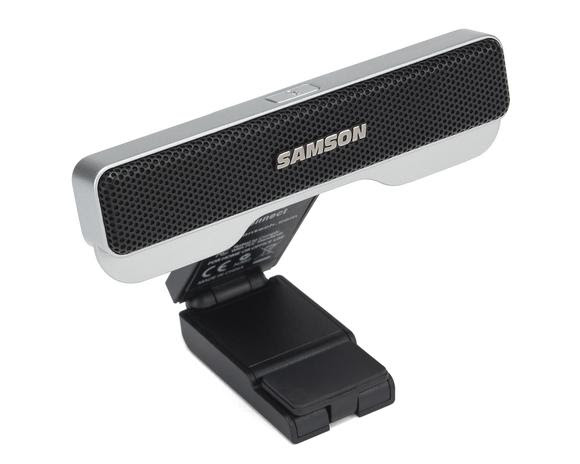
Samson launches Go Mic Connect portable laptop-focused USB microphone on Indiegogo
If you are a vlogger, podcaster, or someone who video chats while on the go, you know that a quality microphone is key. Sure, a good camera or webcam is essential, but if people can't hear you well, their interest will fade quickly.
Today, Samson announces a new laptop-focused portable microphone (it can also work with desktop monitors), called the Go Mic Connect. This should meet the needs of many on-the-go vloggers, podcasters and communicators. Unfortunately, the product is not yet publicly available, as the company is instead leveraging crowdfunding to make it a reality.
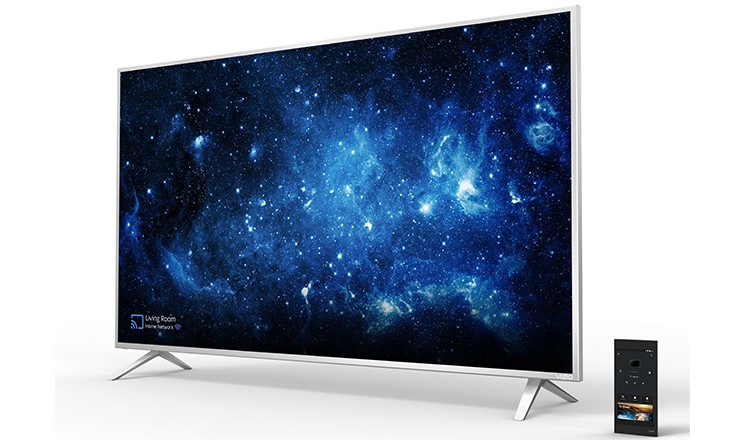
VIZIO P-series 4K TV displays have integrated 'Google Cast' technology
While smart televisions and displays are becoming more commonplace, it is becoming increasingly clear that they are not created equal. In other words, there are varying degrees of "smart", meaning some TVs have features that others don't.
I recently purchased a curved Samsung 4K display for my living room, and while it is amazing, it doesn't have a feature that I would really appreciate -- the ability to use Google Cast. Sure, I can connect a Chromecast dongle, but that is not elegant. Today, VIZIO announces its new P-series 4K displays, which have Google's technology built in. In addition, the company is integrating this casting feature into some of its speakers and soundbars.

FBI may be able to access San Bernadino iPhone without Apple's help
Unless you've been chilling under a rock, news of Apple's fight with the FBI has been everywhere. Even though the iPhone-maker is clearly on the correct side of the encryption-cracking battle, some have sided with the agency. I understand that people want to access the terrorist's phone as a way to thwart future attacks, but when we give up our rights and privacy, the terrorists win.
Today, using the excuse that it might have found a third party solution to cracking the terrorist's phone, the FBI has requested to cancel tomorrow's court appearance. A judge has officially granted the agency's request, postponing the court meeting until April 5.
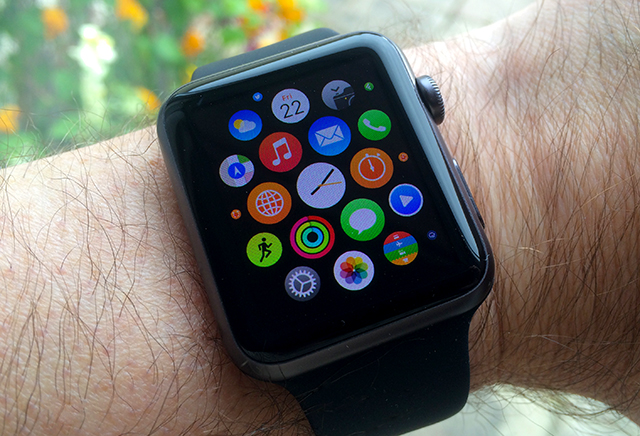
Apple Watch gets new $299 starting price and band options
Smartwatches are all the rage nowadays -- they are fun, useful, and stylish. While Apple was not the first to market with such a watch, it has created the most popular one ever. The Apple Watch, according to the company and some reports, is the best-selling smartwatch.
Today, the Apple Watch buying experience gets even better, as the starting price drops to a very low $299. In addition, Apple introduces new bands.