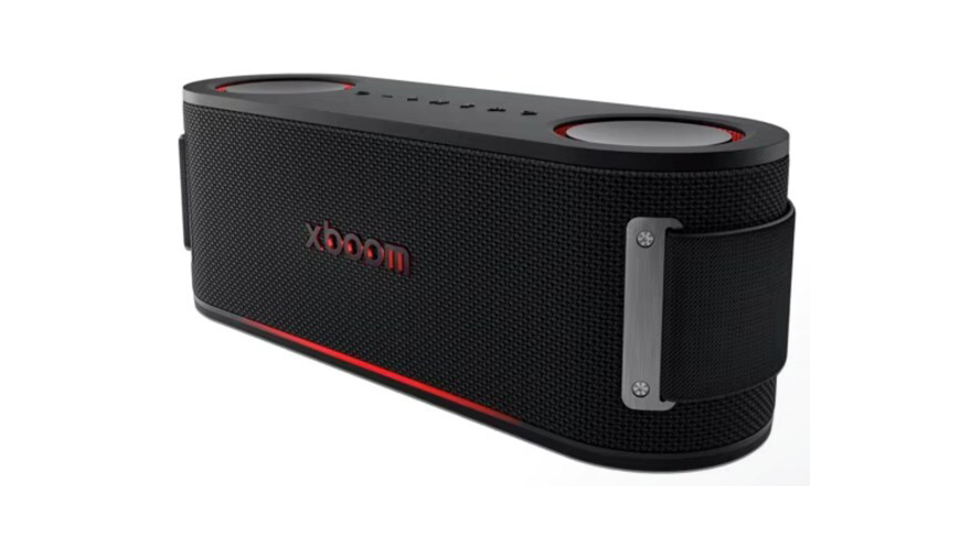
LG and will.i.am team up for xboom speakers that mix music with AI banter
will.i.am, The Black Eyed Peas rapper and producer turned entrepreneur, has teamed up with LG to create the audio device you probably didn’t have on your wishlist: a Bluetooth speaker with its own AI DJ.
The new “LG xboom by will.i.am” range comes loaded with FYI.RAiDiO, an interactive service designed to let you chat with a virtual host while your music plays.
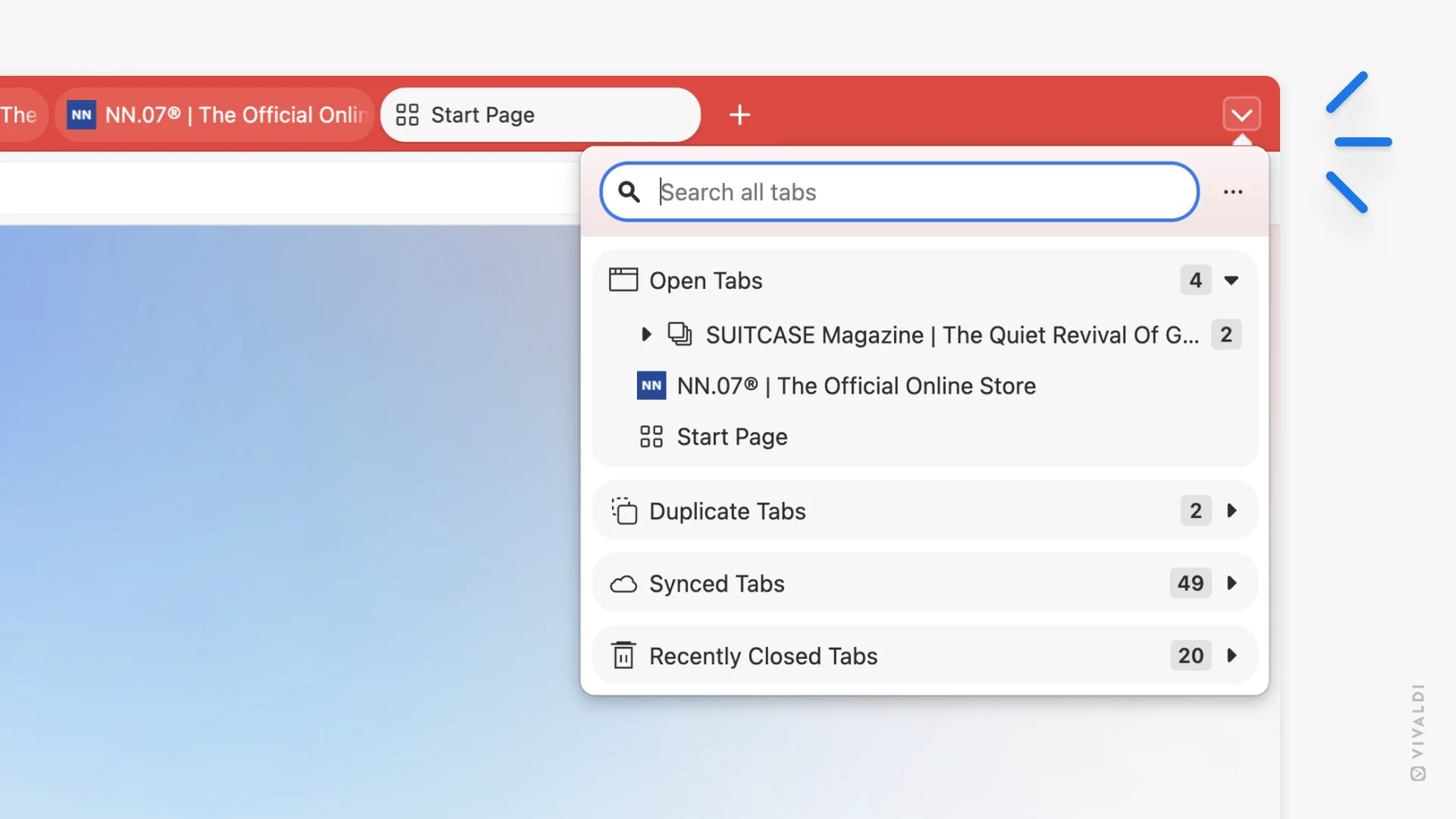
Vivaldi 7.6 arrives with a customizable tab bar and new tab management button
Vivaldi has released version 7.6 of its Chromium-based browser, introducing a customizable tab bar, a new button for managing tabs, and a number of other smaller, but welcome improvements across the interface.
The customizable tab bar allows users to decide which tools appear and where they are placed. This change makes it possible to create either a minimal interface or one with more visible controls, depending on your preference.

Tails 7.0, the privacy-focused Linux OS, arrives with Debian 13 and GNOME 48
Tails 7.0 has just arrived, offering a refreshed version of the privacy-focused operating system built on Debian 13 “Trixie” and GNOME 48 “Bengaluru.”
The OS is faster, core applications have been updated, and hardware support expanded, giving users who depend on Tails for anonymity additional tools and an overall nippier performance.

After selling out in Japan, Casio’s $429 Moflin AI pet launches in US and UK
Moflin, an AI-powered robotic pet priced at $429, has officially launched in the US and UK after selling out in Japan. The palm-sized pet is designed to provide companionship through evolving emotional interaction driven by AI.
Unlike real pets, it doesn’t require feeding (just as well as it lacks a mouth) and won’t get sick or rack up pricey vet bills.

SparkyLinux 9 'Tiamat' arrives with updated kernel and software packages
SparkyLinux 2025.09 “Tiamat” has been released, offering users a lightweight Debian-based distribution aimed at both modern and older computers. The new version is built on Debian Forky testing and provides updated packages, kernel 6.16.7, and an updated desktop environments for a faster and more configurable alternative to Windows 10.
The release introduces new ISO images of the semi-rolling line, all under the “Tiamat” codename.
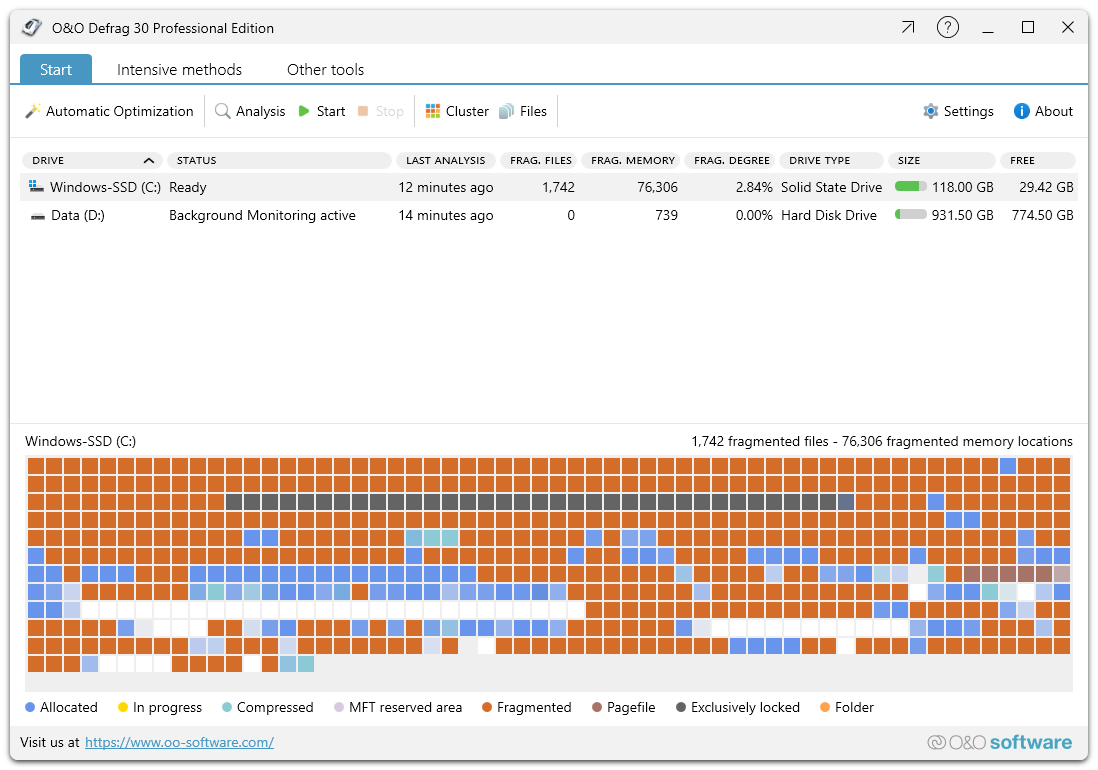
O&O Defrag 30 Pro arrives with new features for faster Windows performance
O&O Software has released O&O Defrag 30 Pro, the latest version of its premium Windows optimization software. The new iteration introduces Boot-Time Optimization and an improved IntensiveOptimize feature, along with a redesigned interface that simplifies setup and makes background optimization tasks easier to manage.
The new Boot-Time Optimization allows files to be optimized before Windows even starts for a more complete process.
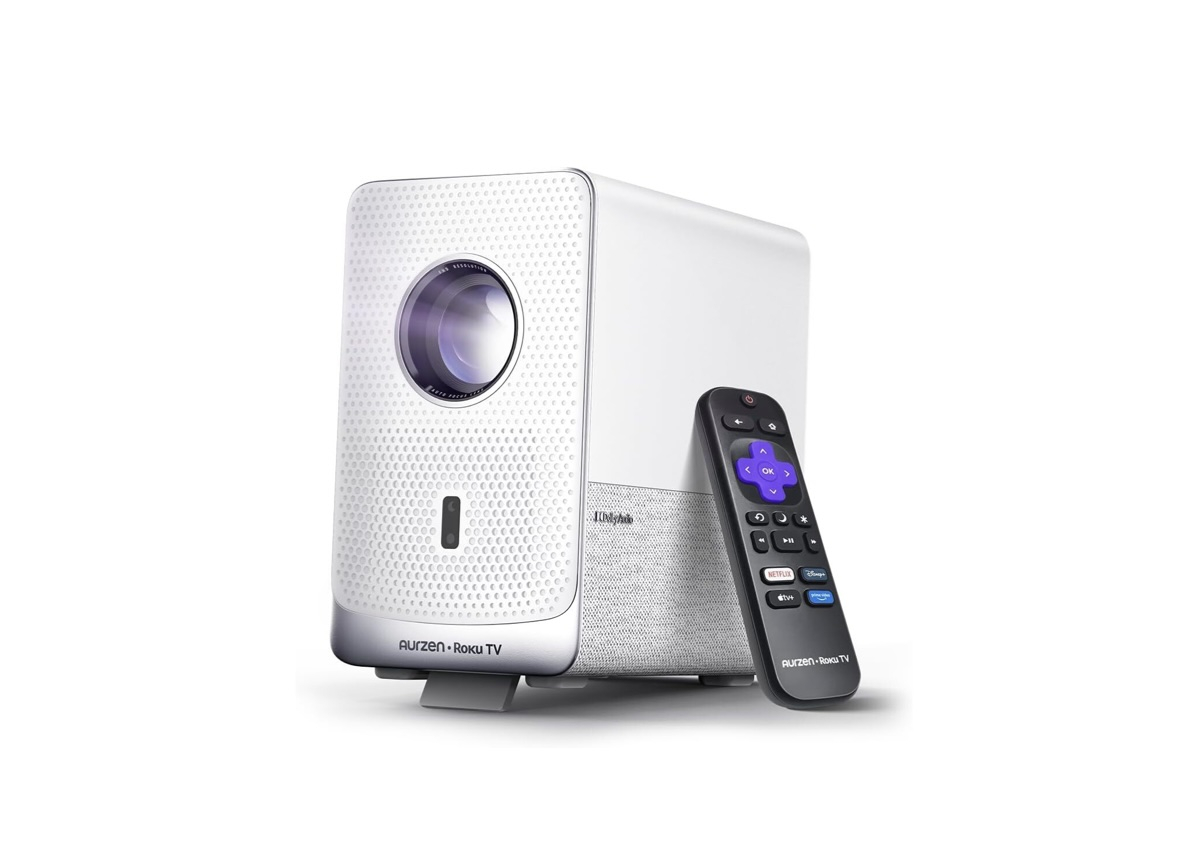
Roku introduces a portable projector designed for indoor and outdoor use
Popular streaming platform Roku has launched a new smart projector. The Aurzen Roku TV Smart Projector D1R Cube is designed for both indoor and outdoor use.
The device offers projection sizes ranging from 40 to 150 inches, making it suitable for movie nights, sports gatherings, or casual streaming sessions. Features such as auto focus and auto keystone correction are included and there’s a single Roku remote to keep controls straightforward.

MiniTool Partition Wizard 13 arrives with smarter data recovery and a clearer high-DPI display -- download it now
MiniTool has released version 13 of its free Windows partitioning solution, Partition Wizard. The new iteration introduces updates to the data recovery tools and visual improvements for users on high-DPI displays (which is most of us these days).
The software is designed for managing large hard drives and SSDs, including resizing, copying, and converting partitions.

Amazon announces Prime Big Deal Days event for October with savings on electronics and holiday gifts
Can’t wait for Black Friday? Amazon is getting in ahead of the global sales event with its own two-day Prime Big Deal Days savings bonanza on October 7 and 8. The event will be exclusive to Prime members and is timed to mark the start of the holiday shopping season. There will be discounts over a wide range of categories, including electronics and connected devices.
Members can expect savings on televisions, audio equipment, and appliances from brands including Samsung, LG, Sonos, Dyson, and Shark.
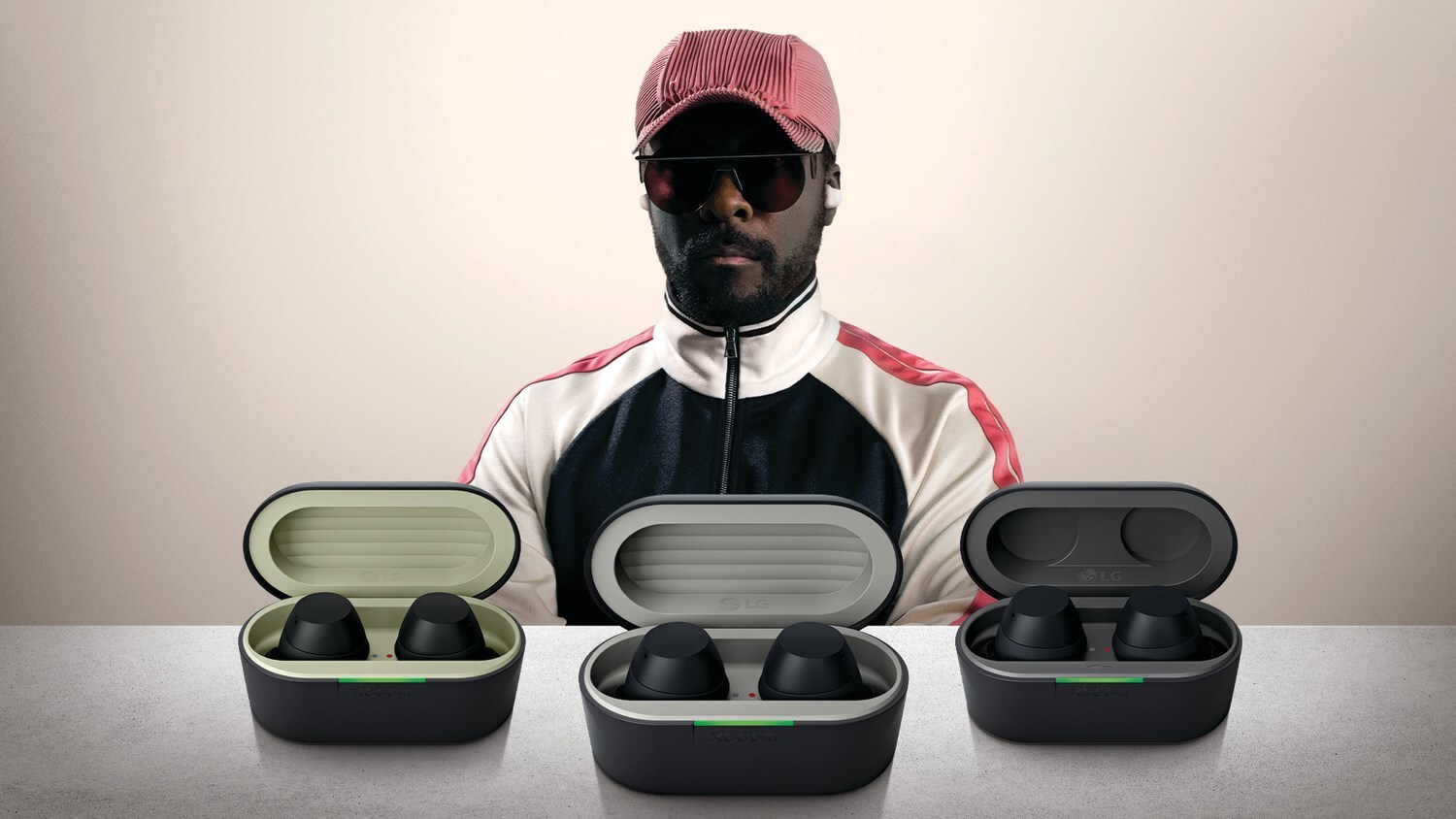
LG expands xboom Buds lineup with Buds Plus and Buds Lite tuned by will.i.am
LG has added two new models to its xboom Buds line of wireless earbuds. Alongside the original Buds, the new additions are Buds Plus and Buds Lite (no relation to the beer).
Built around lightweight graphene drivers, the entire xboom Buds range is designed to produce clear, detailed sound with strong bass and minimal distortion.

Parents struggle to keep pace as teens face rising risks from cyberbullying and deepfakes
McAfee has released new research on kids’ online safety, showing that cyberbullying and AI-manipulated content are the issues parents worry about the most. The study found that more than one in five children have already faced online threats, with risks rising during middle school years and peaking around the age of 13.
The survey reveals just how widespread these experiences have become. Cyberbullying and harassment were reported by 43 percent of parents whose children had been targeted, with girls affected at higher rates than boys.
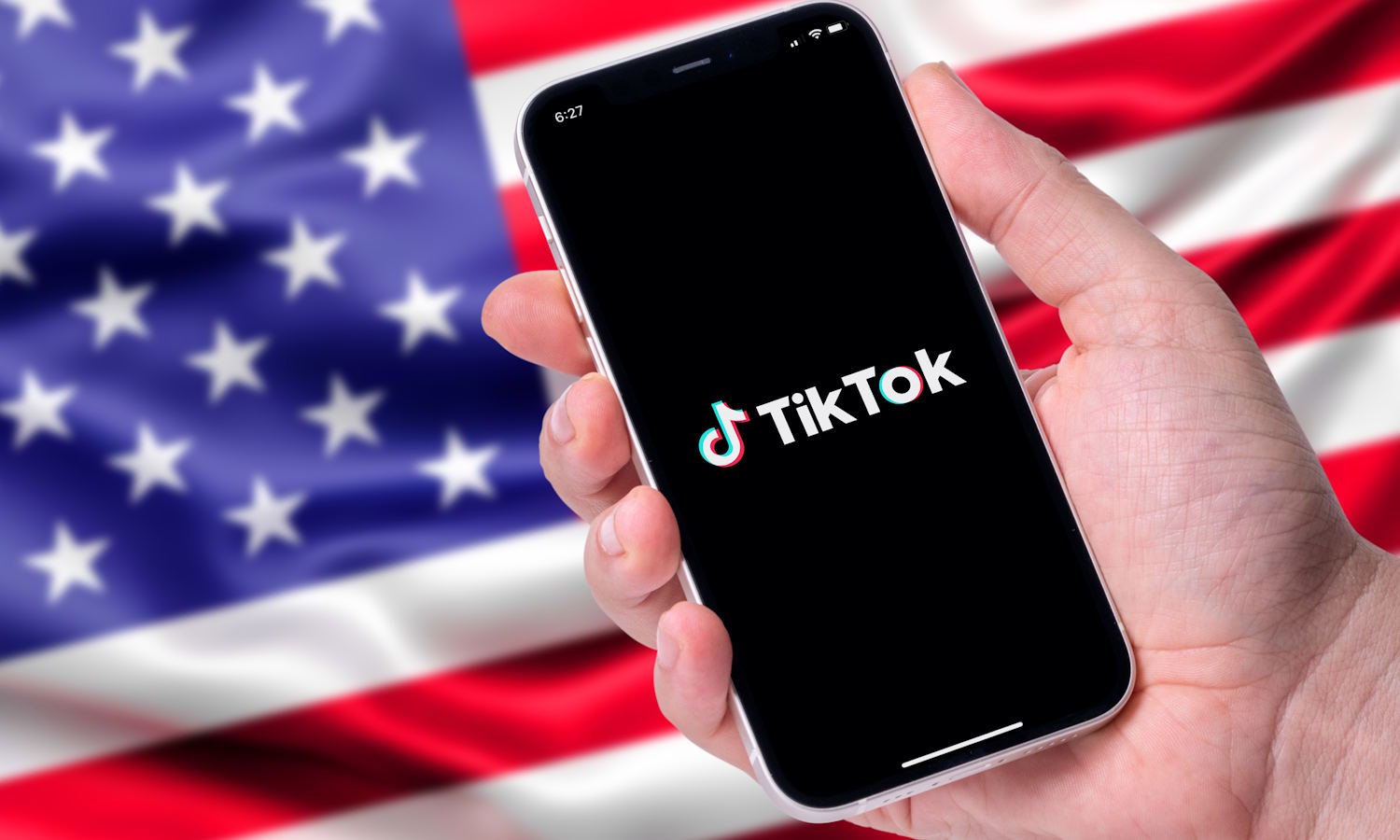
US government says 'framework' for TikTok ownership deal has been agreed with China
Washington and Beijing may be moving closer to resolving the long-running dispute over TikTok. US Treasury Secretary Scott Bessent said a "framework" agreement has been reached in trade talks with China in Madrid.
This could open the door for American ownership of TikTok's US operations, with final approval expected from both leaders later this week.

Business leaders fear Gen Z employees may leak company secrets for likes and lols
PasswordManager.com has released a new survey looking at how business leaders view Gen Z employees (those born around the mid-to-late 1990s through the early 2010s), especially when it comes to the handling of sensitive company information.
The results reveal that many bosses are worried about the younger generation, with nearly half of respondents believing they could leak secrets for social media attention.

HitPaw launches FotorPea 5 and VikPea 5, bringing AI smarts to its photo and video editors
HitPaw has rolled out major updates to FotorPea and VikPea. The updated photo editing tool, FotorPea 5.0.0, introduces a new feature called AI Replace, which lets users modify images with plain text instructions. This can be used to switch backgrounds, adjust hairstyles or clothing, make corrections directly within selected areas, and so on.
The face restoration system has been tweaked in this new release, with the CodeFormer model producing details closer to natural facial features.

Forget Tiny11, Nano11 takes Windows 11 debloating to the next level
Fans of debloating Windows now have another tool to experiment with. NTDEV, the developer behind the well known Tiny11 project, has created Nano11 Builder, a PowerShell script that hacks Microsoft’s operating system down even further.
While Tiny11 already produced a lighter and more flexible alternative to the full-fat Windows 11 install, Nano11 takes things to the extreme by automating the creation of an installer image that is a fraction of the original size.