
Watch Microsoft's new Surface launch event today -- live
Microsoft is holding an online launch event today, September 22, when it’s expected to unveil a number of new Surface devices, including tablets and laptops. It’s even rumored to be set to unveil a new Surface Duo 2.
Of course, there will be a heavy focus on Windows 11, as the new devices will come with that OS.
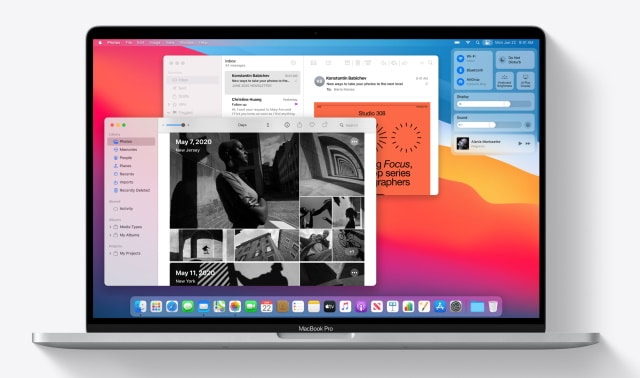
macOS has an unpatched Finder vulnerability that hackers can use to run arbitrary commands
Apple makes much of the security of its products, but vulnerabilities are certainly not unknown. SSD Secure Disclosure has revealed details of a zero-day flaw affecting Finder in macOS. It can be exploited to run arbitrary commands without displaying any messages, prompts or warnings.
The vulnerability was discovered by independent security researcher Park Minchan, and it is present in macOS Big Sur and earlier. The flaw relates to the way macOS processes .inetloc (internet location) files and Apple has made a poor, easily circumvented attempt to fix it in the most recent version of its Mac operating system.

Lithuanian government warns consumers not to buy new Chinese phones and to throw out old ones ASAP
The Defence Ministry of Lithuania has issued a warning that people should stop buying phones from China and should "get rid of those already purchased as fast as reasonably possible".
The extraordinary advice comes after a government report found that handsets produced by Xiaomi and Huawei include a feature to detect and censor certain words and phrases. On the blacklist are terms such as "free Tibet", "long live Taiwan independence" or "democracy movement", and while the censoring functionality was disabled for the European market, there is the potential for it to be remotely activated at any time.

SIEM, SOAR and their role in improving cloud security [Q&A]
It's increasingly common for enterprise systems to be in the cloud rather than in-house, but that throws up a whole range of new challenges when it comes to securing them.
We spoke to Dario Forte, vice president and general manager, security orchestration, at cloud management specialist Sumo Logic to find out more about what's involved in cloud security and how automation can help.
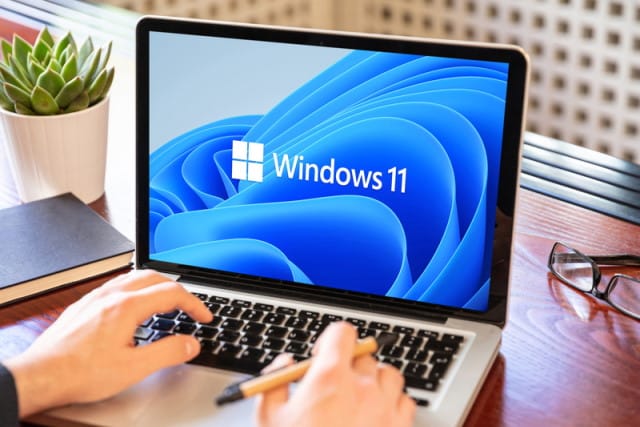
Microsoft may not block installing Windows 11 on PCs that do not meet minimum requirements
The issue of Windows 11's hardware requirements has reared its head once again, just after Microsoft publicly released an updated version of its PC Health Check compatibility checker. For people with computers that do not meet the minimum requirements, there may be some good news from the last twist in the mixed messaging from Microsoft.
While it was looking rather like installing Windows 11 on incompatible hardware was going to be blocked, now it appears that Microsoft is going to let people go ahead with the installation -- with a caveat. The installation can only proceed on systems that do not meet minimum requirements if users agree to a statement acknowledging the fact that any damage caused by installing Windows 11 on such hardware is not covered by the manufacturer's warranty,
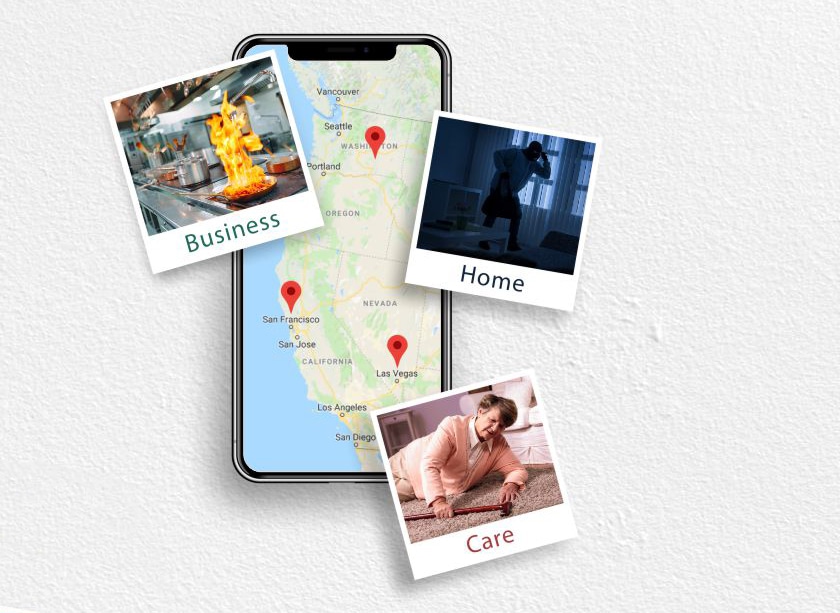
Home security service Home8 is currently down, blames AWS [Update: Back up now]
These days a lot of us have home security systems to one degree or another. You may simply control your locks and perhaps a light; or you may be a little more invested in the technology, adding motion sensors, cameras, leak sensors and other little toys.
The thing you need most with all of this is an operational system keeping an eye on everything when you can’t. You rely on this for protection for yourself, your family and your property.

Pirate filesharing blog RLSLOG shuts down
Releaselog -- also known simply as RLSLOG -- was for many years the place people went to find out about the latest pirated movies, music, games and software.
It launched in 2006 and took a 'release blog' format that told visitors everything that could wish to know about the latest pirated content, including who released it, the quality, and more. It also provided handy links so that people could download the releases.
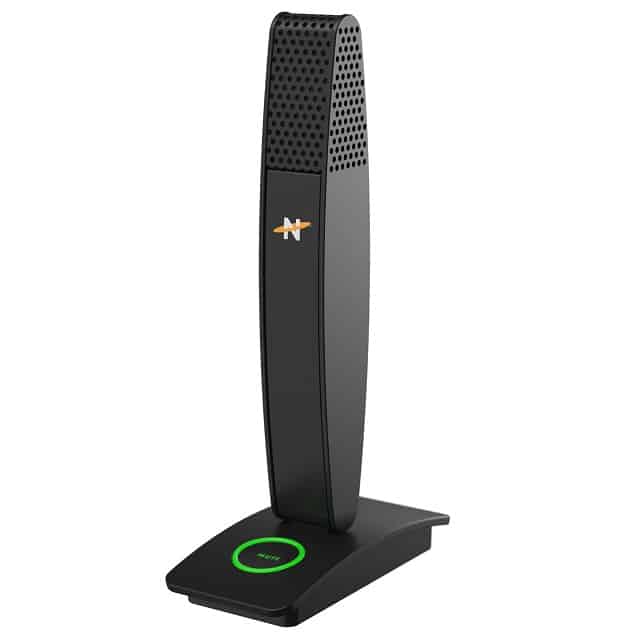
Turtle Beach unveils Skyline USB mic from Neat Microphones
If you want to be a world-famous YouTube creator or Twitch streamer, you have to have a great personality and a way to stand out in the crowd. For most people, it will never become more than a hobby -- getting rich from these platforms is rarified air.
With all of that said, and with personality and gimmick aside, you really need good hardware too. For instance, if I discover an interesting streamer on Twitch, I won't bother subscribing if it's difficult to hear them speak -- a good microphone is essential. And no, quality gear doesn't have to break the bank. For instance, today, Turtle Beach unveils the latest product from its Neat Microphones subsidiary. Called "Skyline," it is an affordable USB mic with an elegant design.

Use AI to beat the bad guys
As we enter the back half of 2021 there are two top cybersecurity headlines, and they’re both sobering. One, even large organizations now suffer cyberattacks as a near-daily fact of life -- not just mid-sized businesses with resource-strapped SOCs (Security Operations Centers), which historically felt the most pressure.
Two, prevention-forward defense strategies no longer inspire confidence. Malicious, innovative use of AI to find and exploit fruitful attack vectors sees to that. AI has rendered many old go-to defenses less effective, namely firewalls and SIEM (security information and event management) solutions. The third headline, however, is cause for optimism. AI works for cyber defense, too. In the current environment, if you are not leveraging AI to defend your organization, it isn’t optimally defended. Period. I see AI as our greatest ally to create a secure future.

The fall back-to-school tech most worth your money in 2021
The past year or two have been chaotic for parents and students alike due to the COVID-19 pandemic. Transitioning from traditional, in-person learning to a hybrid or fully remote learning environment proved challenging for many students.
As we enter the latter half of 2021 and begin a new school year, it’s critical to see this moment as a fresh start -- and with a fresh start comes new technology! Students will need the latest and greatest tech to get them through the school year. Whether it’s a new pair of headphones or a snazzy new laptop, consider the six items listed below during your back-to-school shopping experience.

Amazon unveils new Kindle Paperwhite and Kindle Paperwhite Signature Edition e-readers
For years I was against the idea of e-readers, preferring to read actual books. When I did eventually make the switch though I was instantly converted, and these days my Kindle Paperwhite is a constant companion, traveling with me everywhere. Its days may be coming to an end soon though.
Not because I’m planning to start reading 'dead tree' books again, but because Amazon today announces two stunning new Paperwhites.

Cybersecurity 'ripple events' lead to 26x greater losses
A new report by the Cyentia Institute, sponsored by risk management company RiskRecon has analyzed over 800 cyber incidents and their impact on multiple downstream organizations.
It finds that multi-party loss events that impact thousands of downstream organizations, otherwise known as 'ripple events', can result in 26x larger financial losses than traditional single-party incidents.

Education sector sees more security incidents and longer fix times
A new report from NTT Application Security shows that last year the education sector saw 408 publicly-disclosed school incidents, including student and staff data breaches, ransomware and other malware outbreaks, phishing attacks and other social engineering scams, plus a wide variety of other incidents.
This is 18 percent more incidents than were publicly-disclosed during the previous calendar year and equates to more than two incidents a day. The sector also has lower remediation rates and a higher than average time to fix.
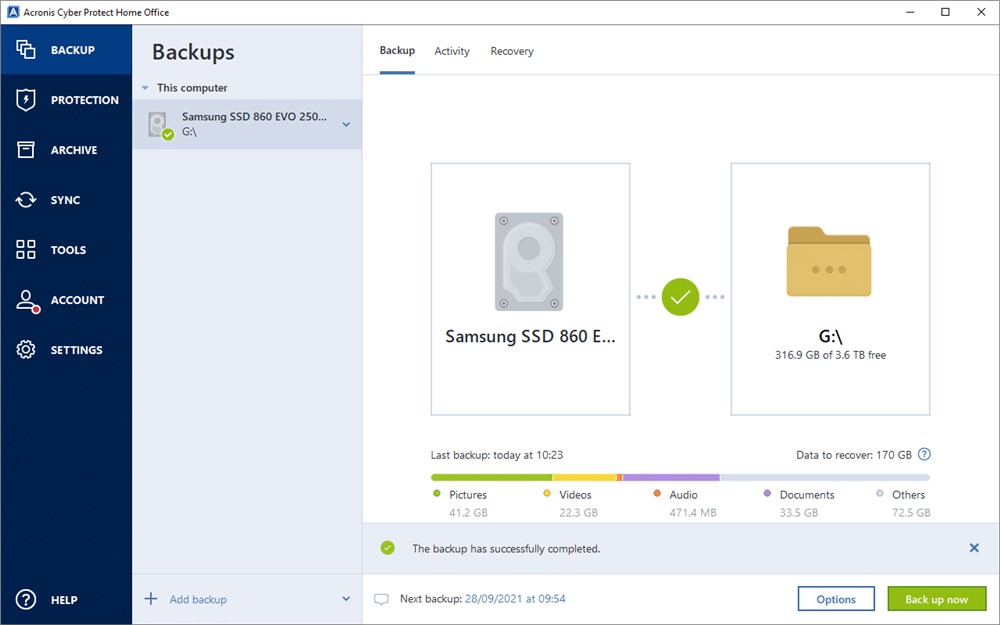
Acronis Cyber Protect Home Office 2022 is now available and we have Essentials for 20% less with our fabulous deal!
Acronis True Image is no more. Actually, that’s not strictly true. Acronis True Image has changed its name to one that more accurately reflects the features it offers in 2021. Please welcome on to the stage, Acronis Cyber Protect Home Office 26.0 for Windows and Mac.
As major unveilings go, it’s a bit of a damp squib. Aside from the name and bump up to version 26.0, there’s no major changes from its previous incarnation, Acronis True Image 2021. But what there is still impresses: a comprehensive backup suite augmented with extensive protection against a range of online threats from malware to ransomware.

Ubuntu Linux 14.04 and 16.04 each get a decade of support from Canonical
If you are a home Linux desktop user, there is a good chance you like living on the bleeding edge. When a new version of a Linux distribution is released, you may find yourself upgrading immediately. After all, if something breaks, you can just reinstall the OS or move back to the previous version. This is particularly easy if you store your data on a secondary drive and you can format your boot drive without worry.
For business users, however, constantly upgrading to the latest and greatest often isn't feasible. Instead, an organization may want to install a Linux distro and just have it work -- with several years of official support. For instance, Ubuntu 14.04 (Trusty Tahr) and 16.04 (Xenial Xerus) are pretty dated, as they were released in 2014 and 2016 respectively. Age aside, they are rock solid from a stability standpoint. Despite newer versions of Ubuntu being available, some organizations simply don't have the resources to upgrade. Plus, why fix what isn't broken?