
How to manually trigger your reserved Windows 10 upgrade
If you reserved a Windows 10 upgrade, you were probably expecting it to appear this morning. For many people that was the case, but not for all. There are ways around this problem of course -- you can use the free tool Microsoft released today in order to update your PC whenever you like.
However, if you reserved the update, then you probably just want to get your upgrade through that. And rightly so. Fortunately, there’s a simple little trick you can use.
New digital consent initiative to give users control of personal data
As more and more of our data gets stored in digital format, keeping it secure becomes a bigger challenge. One possible solution is User Managed Access (UMA) which gives a web user a unified control point for authorizing who and what can get access to their online personal data.
The UMA standard has already received support from major organizations such as Philips and the New Zealand government. Access management company ForgeRock along with a number of open-source technology companies and experts, is announcing a new digital consent and privacy initiative to help accelerate developer adoption of UMA.

Dmail brings self-destructing emails to Gmail
Following the release of the Undo Send option last month, Gmail users can now also delete sent emails.
Through a new Chrome extension called Dmail, users will be able to use a self-destruct option, which deletes sent mails after a stipulated period of time.

How to create a bootable Windows 10 USB drive
Microsoft has officially introduced Windows 10, making the new operating system available as a free upgrade, in the first year, to Windows 7 and Windows 8.1 users. Those who cannot take advantage of this deal will have to purchase Windows 10, which is now offered on USB drives, on top of DVDs and digital downloads.
Bootable USB drives are a better option than DVDs, as they can be used on the vast majority of devices in use today, including slim ultrabooks which do not have optical drives. They are also much faster, so the time it takes to install Windows 10 is significantly lower, and pocketable, allowing you to easily carry one wherever you need. If you do not have a bootable Windows 10 USB drive, this detailed how-to guide takes you through all the steps involved in creating your own flash installation media.
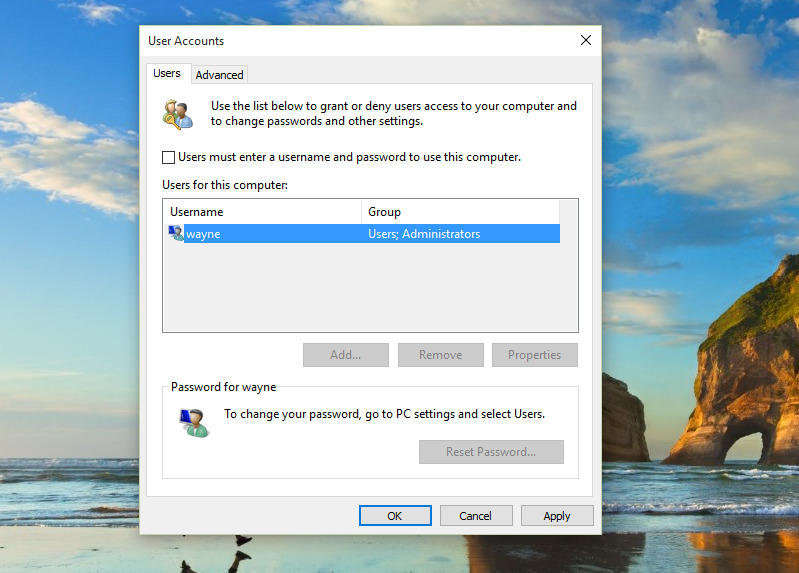
Automate login and bypass the lock screen in Windows 10
Like Windows 8.x, Windows 10 has been designed with security in mind and requires you to log in before you can start using it. That’s fine, and sensible, but if you’re the only person using your PC, and you’re confident that no one will be able to use it without your permission, or break in to your home and steal it, you might want to skip this stage.
The process of doing so is the same as in Windows 8, and is very simple without the need for registry hacks or complicated trickery.

IObit unveils first beta of Advanced SystemCare 9
IObit has released the first public beta of IObit Advanced SystemCare 9, its flagship all-in-one PC cleanup, maintenance and security suite.
Improvements include a new "Speed Up" module, which checks your system for surplus startup programs, unwanted apps, dubious Windows settings, and anything else which might be slowing you down.
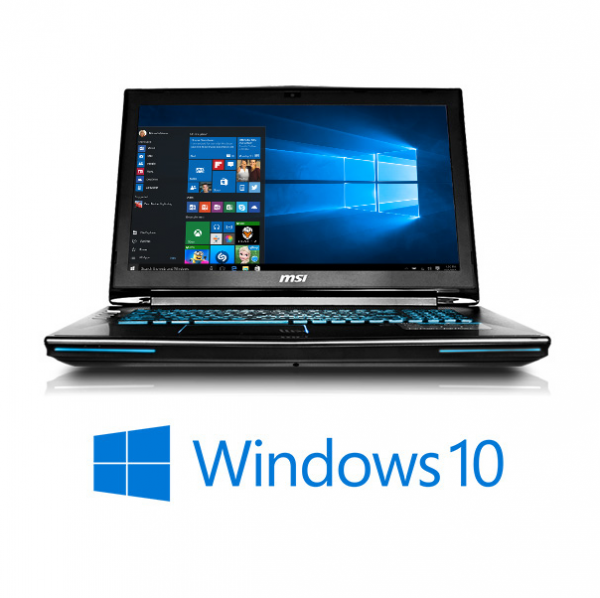
MSI now shipping hardcore Windows 10 gaming laptops
Today is the day! Windows 10, baby -- woo! Expect to hear lots of announcements from PC manufacturers regarding new computers running Microsoft's new operating system. Yesterday, for example, Acer announced an entire line of Windows 10 computers for home and education.
What about hardcore gamers though? Windows 10 ushers in the DirectX 12 era for PC gaming, so surely some consumers will want hardcore gaming machines. Not to worry; today, MSI announces all-new gaming laptops featuring high-end specs and Nvidia graphics. Will you open your wallet to MSI?
How to download Windows 10 and create your own installation USB flash drive or DVD
Windows 10 has launched in 190 countries, and if you reserved your copy you should be able to upgrade to it today, or soon afterwards. Microsoft will be notifying users in waves when their upgrade is ready to be installed.
However, for some people the wait may be long, and others have reported problems with the automatic installation. Fortunately, if you’re keen to get the upgrade started, Microsoft has released a tool that will let you download Windows 10 and create your own installation media on either a USB flash drive or DVD.

Acer announces Windows 10 back-to-school computers
Microsoft's Windows 10 launches tomorrow, so naturally it is the topic du jour. Chatter about the operating system will likely dominate the tech news for many days and weeks after too. You know what? Good. It is a damn good operating system -- the best version of Windows ever -- and it deserves the attention.
While Windows 10 is a free upgrade for many Windows 7 and 8.x users, many others are still on XP and Vista machines. Rather than pay for a Windows 10 license, you should probably buy a new computer instead. I understand the economy is still bad, but new machines are surprisingly affordable. Today, one of my favorite value-focused manufacturers, Acer, announces a new line of Windows 10 computers. While the focus is on "back-to-school", these machines are great for non-students too. The best part? You can buy some of them starting tomorrow.

Internal training documents reveal how Facebook tackles diversity, bias, and discrimination
Workforce diversity is something that has been brought into sharp focus in recent months as companies such as Amazon, Microsoft, and Facebook reveal the make-up of their staff. White, middleclass, male employees dominate the world of technology, and this is certainly the case at Facebook -- even if a redesigned icon was an attempt to bring women to the fore.
Now the social network is embarking on something of a PR campaign, desperate to prove that it is doing everything it can to develop as diverse a workplace as possible. Today Facebook publishes sections of its employee training program that aims to eradicate the 'unconscious bias' that leads to -- in Facebook's words -- 'black sounding names' getting fewer callbacks than 'white sounding names'.
Facebook told to allow the use of fake names
Facebook comes in for a lot of criticism, but one thing that managed to rub a lot of people up the wrong way is its real names policy. For some time the social network has required its users to reveal their real name rather than allowing for the adoption of pseudonyms. This has upset many, including musicians and the drag community.
Now a German watchdog has told Facebook that its ban on fake names is not permitted. The Hamburg Data Protection Authority said that the social network could not force users to replace pseudonyms with real names, nor could it ask to see official identification.
Obama administration rules out pardoning Edward Snowden
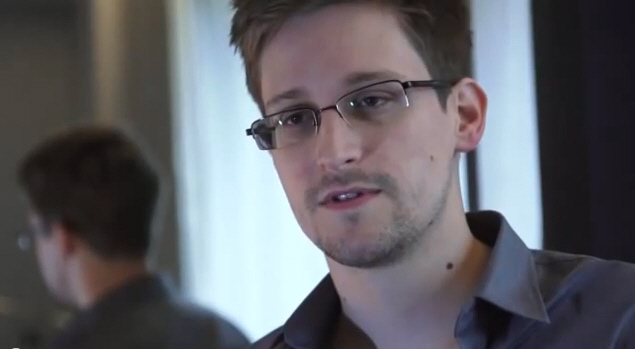
The US government will continue to pursue Edward Snowden with a view to prosecuting him on espionage charges. The White House has rejected calls to pardon for Snowden who has been hailed as both a hero and a traitor for spilling the beans about NSA surveillance programs. The US government has sought to bring him to trial for compromising national security.
A We Are The People petition was signed by nearly 168,000 people who felt rather differently about the former NSA worker. "Edward Snowden is a national hero and should be immediately issued a full, free, and absolute pardon for any crimes he has committed or may have committed related to blowing the whistle on secret NSA surveillance programs".

Will you upgrade to Windows 10?
Microsoft officially launches its newest operating system tomorrow. OEMs like Acer, Lenovo, and Dell are shipping computers loaded with Windows 10, while some of you can claim free upgrades now. But will you? We want to know, as perhaps do other readers considering whether or not to make a go.
To be brutally honest, I seriously considered using headline: "Will you upgrade to Windows Death?" Because: if Windows 10 doesn't succeed it will be the last viable version given the success of Android or iOS; shipments of both mobile platforms either match or exceed Windows computers; and Microsoft's advancing cloud strategy signals the end of Windows as we have come to know it, as the operating system evolves and updates in a manner more like Chrome OS than the big release delivered every few years. Then there is the criticism, much of it in BetaNews comments, that makes upgrading to Windows 10 seem like Death.
Pakistan bans BlackBerry services
Pakistan has decided to ban Blackberry’s Enterprise Services and its Internet and messaging service, the media reported on Monday.
Telecom operators in the country have been instructed by the Pakistan Telecommunication Authority (PTA) to shut down Blackberry services by December.

Open Threat Exchange brings a community approach to fighting attacks
Combating cyber threats effectively means having fast access to information about the latest attacks so that you can respond quickly.
Security management company AlienVault is taking a community approach to this with the launch of an updated version of its Open Threat Exchange (OTX), based on social sharing technology.