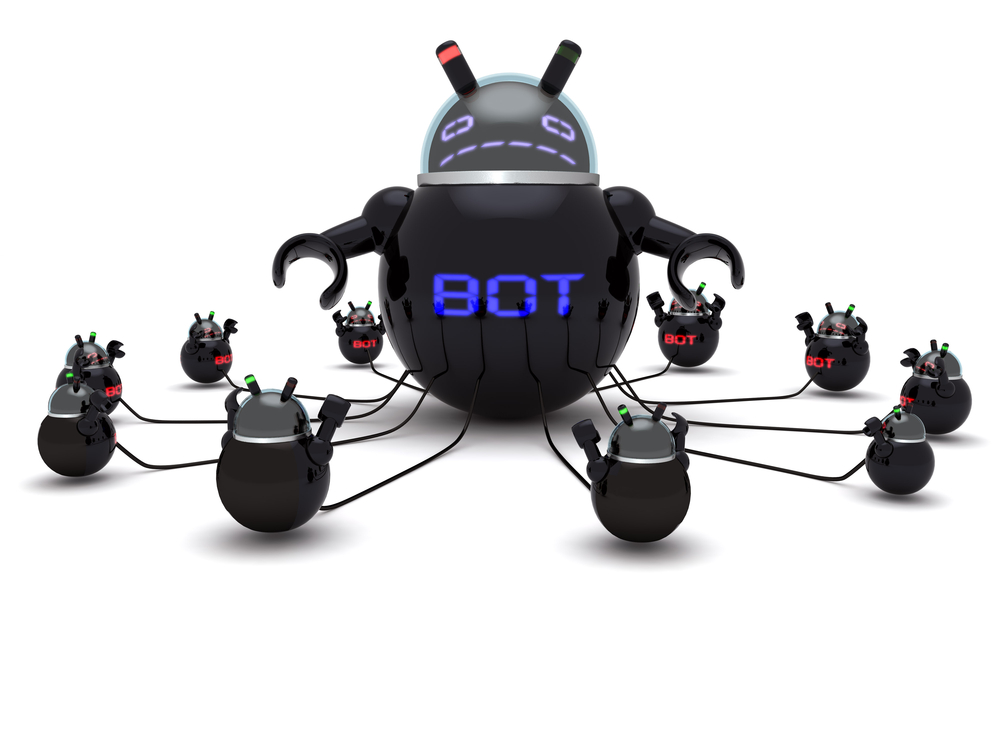
Bots generate more internet traffic than humans
According to a new survey from cloud security provider Distil Networks humans accounted for only 40.9 percent of web traffic in 2014 with the remainder accounted for by bots.
This compares with 50.8 percent human traffic in 2013, however the good news is that 'bad bot' traffic is down from 24.22 percent to 22.78. The rise in good bot traffic that makes up the difference is thought to be from more aggressive indexing by Bing and new search engines in 2014.

How to make 4K videos run smoothly in Google Chrome
Even though my Internet connection is fast and my computer is up to the task, whenever I play 4K videos in Google Chrome -- usually on YouTube -- playback stutters heavily, forcing me to opt for a lesser quality for a seamless experience. Switching to another browser, like Safari, will solve the problem, but this is hardly a fix that I can live with.
Fortunately, Google is working on a solution, introducing an experimental option in Chrome that will make 4K videos finally run as they should -- smoothly, that is. Here is what you need to know.
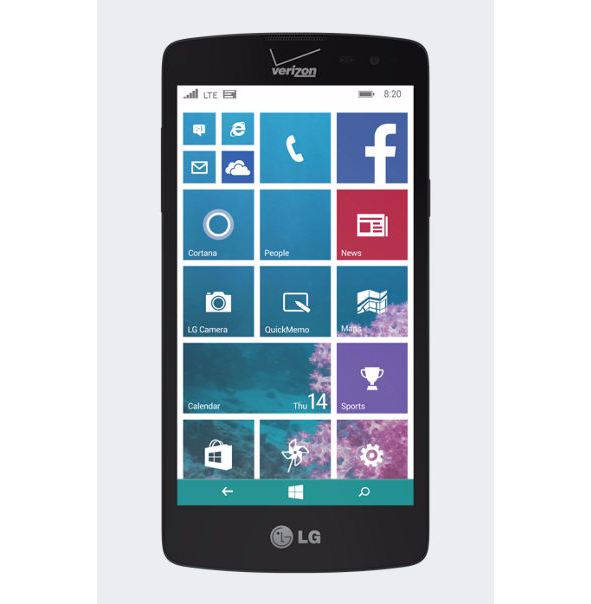
Verizon's latest Windows Phone is the uninspiring LG Lancet
There is an obvious trend in the Windows Phone market of offering more and more affordable smartphones. That is because most users of the tiled operating system gravitate towards low-end devices come purchase time. So, naturally, when Verizon decided to finally include a new Windows Phone in its portfolio, big red did not stray from this path.
Verizon's first Windows Phone since the launch of HTC One (M8) for Windows, nearly nine months ago, is the LG-branded Lancet, which can be had for as little as $19.99 on a two-year contract. And it is not just cheap in this trim, but off-contract too.

Leading academics call for greater transparency about Google's Right To Be Forgotten
Just yesterday Google revealed that it rejects most Right To Be Forgotten requests it receives. In publishing yet another transparency report, the search giant will have hoped to have put to bed any questions that users and critics may have had. While the report may have satisfied some, it did not go anywhere near far enough for one group of academics.
A total of 80 university professors, law experts and technology professionals have written an open letter to Google demanding greater transparency. The letter calls upon the company to reveal more about how Right To Be Forgotten requests are handled so that the public is aware of the control that is being exerted over "readily accessible information".

Take up to 10 times more photos and videos on your phone with FotoFox
No matter how much storage your phone has, it’s easily filled, especially if you’re always taking photos and videos.
FotoFox is a free iOS/Android app which compresses images and videos as they’re shot, reducing quality but cutting their size by up to 90 percent, and still giving you access to the originals when necessary.

Google stops developers and Mac users installing unofficial Chrome extensions
Google is extending its block on unofficial Chrome extensions to the developer channel and Mac users. The move is a continuation of the decision taken last year that forced people using the stable and beta channels of the Windows version of the browser to stick with official extensions.
It is a decision which aims to stop people from installing malicious add-ons; Google has previously been criticized for failing to clear out junk quickly enough. With immediate effect, those on the developer channel will have to install extensions from the Store, and the policy will be applied to the Mac version of Chrome in a few weeks. All is not lost for anyone who wants to install unofficial extensions, though.
More than 1,000 companies join IBM in the battle against cybercrime
Last month IBM launched its X-Force Exchange opening up access to threat intelligence data to help in the fight against cybercrime.
With 80 percent of cyber attacks now coming from organized gangs it's important that the good guys get organized too. IBM has announced today that more than 1,000 organizations across 16 industries are participating in the new threat intelligence community.
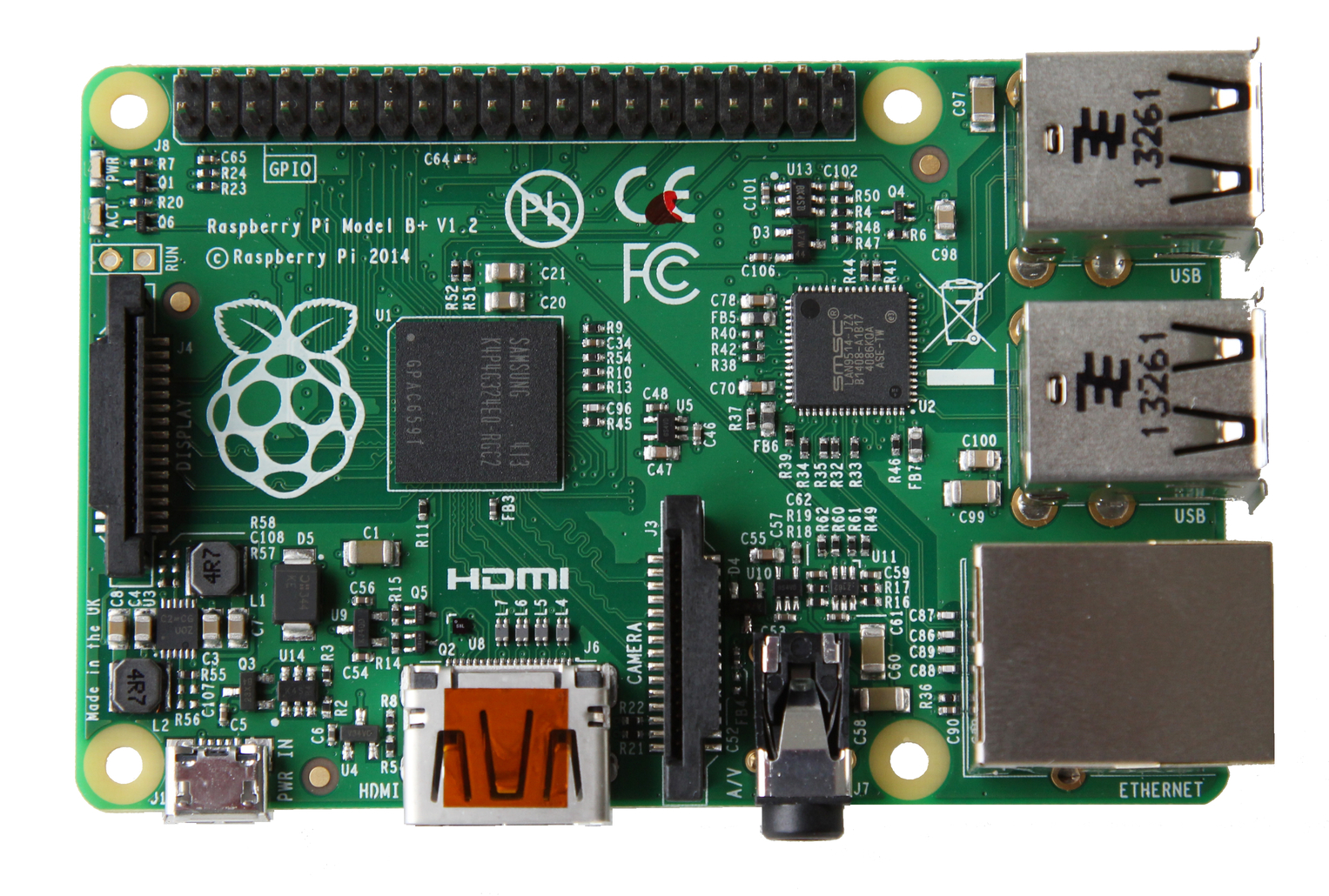
Raspberry Pi Model B+ gets a massive price cut -- now even more affordable
All models of the Raspberry Pi have always been very affordable -- that’s a big part of the appeal. When the B+ launched 10 months ago it was priced at $35 dollars -- which was the same as the regular B model, despite improvements which include additional USB 2.0 ports, lower power consumption, and better audio.
However, three months ago the Raspberry Pi 2 arrived, and that was also priced at $35. Suddenly, the B+ seemed like a bad deal in comparison. But not anymore.
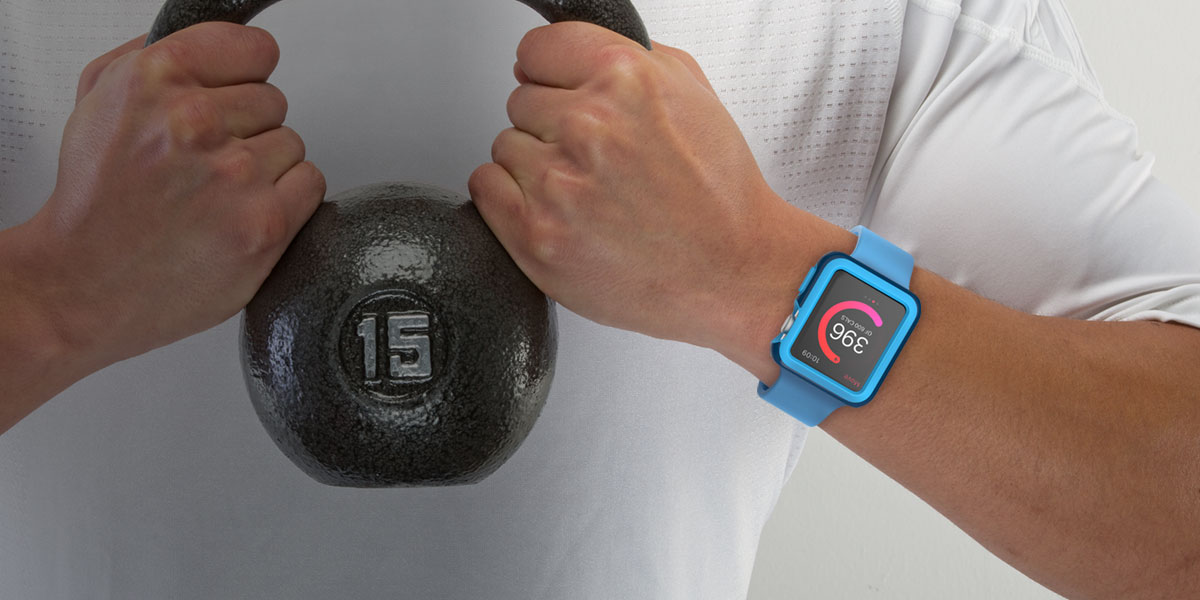
Worried about damaging your Apple Watch? Get a case for it!
Our smartphones might need protection, as their displays can be scratched by keys in our bags and pockets. We might also drop them in a moment of inadvertency, or we might slip whilst texting and go down, bringing the expensive device down with us.
But what about a smartwatch? Does the smart wearable device which has no contact with car keys and has close to zero chance of falling to the ground need protection?

Zombies, Run! gets a massive update, goes free-to-play
I’m a huge fan of Zombies, Run! and whenever I hit the treadmill (or, less frequently, the streets) the exercise app is always with me, turning a boring run into an action-packed journey through the zombie apocalypse.
I’ve been eagerly awaiting Season 4 of Zombies, Run! for ages now, and today is the day it arrives, bringing with it not only 40 new missions, but also some big improvements, including an important pricing change -- it’s now free to play.

The Kickstarter paradox
Among the great business innovations of the Internet era are Kickstarter and the many similar crowdfunding sites like IndieGoGo. You know how these work: someone wants to introduce a new gizmo or make a film but can only do so if you and I pay in advance with our only rewards being a possible discount on the gizmo or DVD. Oh, and a t-shirt. Never before was there a way to get people -- sometimes thousands of people -- to pay for stuff not only before it was built but often before the inventors even knew how to build it. From the Pebble smart watch to Veronica Mars, crowdfunding success stories are legion and crowdfunding failures quickly forgotten. I’ve been thinking a lot about crowdfunding because my boys are talking about doing a campaign this summer and I have even considered doing one myself. But it’s hardly a no-brainer, because a failed campaign can ruin your day and damage your career.
From the outside looking-in a typical Kickstarter or IndieGoGo campaign is based on the creator (in this case someone like me, not God) having a good idea but no money. If the campaign is successful this creator not only gets money to do his or her project, they get validation that there’s actually a market -- that it’s a business worth doing. About 80 percent of crowdfunding campaigns come about this way.

Comic Seer is a one-stop comic viewer and manager
Viewing comics can be easy. Really, really easy. If you have a CBZ file, say, rename it to ZIP, open it in Explorer, and browse the images it contains -- simple.
That works well for occasional viewing, but if you’re a big comic fan, or just want the best reading experience, it’s worth installing a specialist tool like the free Comic Seer.

Ultra HD Blu-ray 4K is coming -- will consumers care?
I am a huge proponent of pushing the limits. The moment you say something is good enough, you have officially lost your way. When DVD was released, I remember being blown away by the quality and convenience, but many friends and family said VHS was good enough. The fools!
Fast forward to 2015, and VHS is long dead, but so too is physical media. Yes, some maniacs still buy DVD and Blu-ray discs, but we all know that streaming is the future. Apparently, no one told this to the Blu-ray Disc Association, as today, it announces the completion of the Ultra HD specification. In other words, 4K Blu-rays are coming. While some consumers may be interested in buying UHD optical discs, the reality is, no one wants to re-buy their movie collection for the 100th time. Am I right, folks?
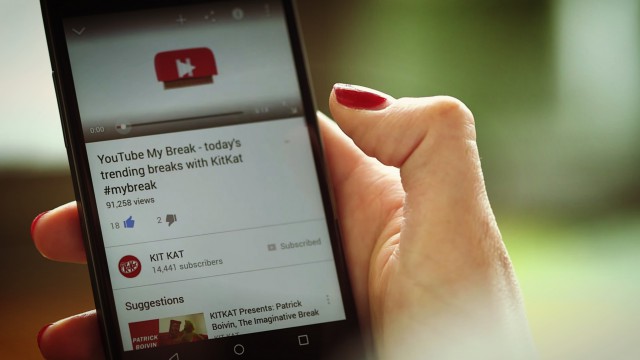
Sorry, Americans, there are no 'YouTube My Break' Kit Kats for you
YouTube and Kit Kat lovers across the pond have reason to gloat. Unless imported—and there is a legal settlement prohibiting such practice—"YouTube My Break" campaign chocolate bars will not be coming to these shores. Yesterday, Google and Nestlé announced the branding collaboration, which replaces the Kit Kat logo with "YouTube break" on 600,000 wrappers.
"Hershey does license the rights to Kit Kat in the U.S.," a company spokesperson tells BetaNews. "At this point in time Kit Kat U.S. is not participating". That's okay, because I look at the UK campaign and wonder: "Why now?" In 2013, Hershey joined the Nestlé-Google collaboration that put the green Android robot on Kit Kat bar wrappers when the mobile operating system of the same name shipped. That tie-in I understand.

Windows 10 editions revealed!
A common complaint of both Windows promoters and detractors is the overwhelming number of versions, or editions, on the market. The sheer number of SKUs can be maddening, and quite frankly, confusing for consumers.
Many people -- myself included -- had hoped Microsoft would do away with all of the editions, and only have one. Admittedly, having one edition was a pipe-dream, but with all the good moves the company is making lately, I thought two or three editions was realistic. Unfortunately, Microsoft has announced the upcoming editions of Windows 10 and there are a lot. In fact, the number of editions have increased from Windows 8!