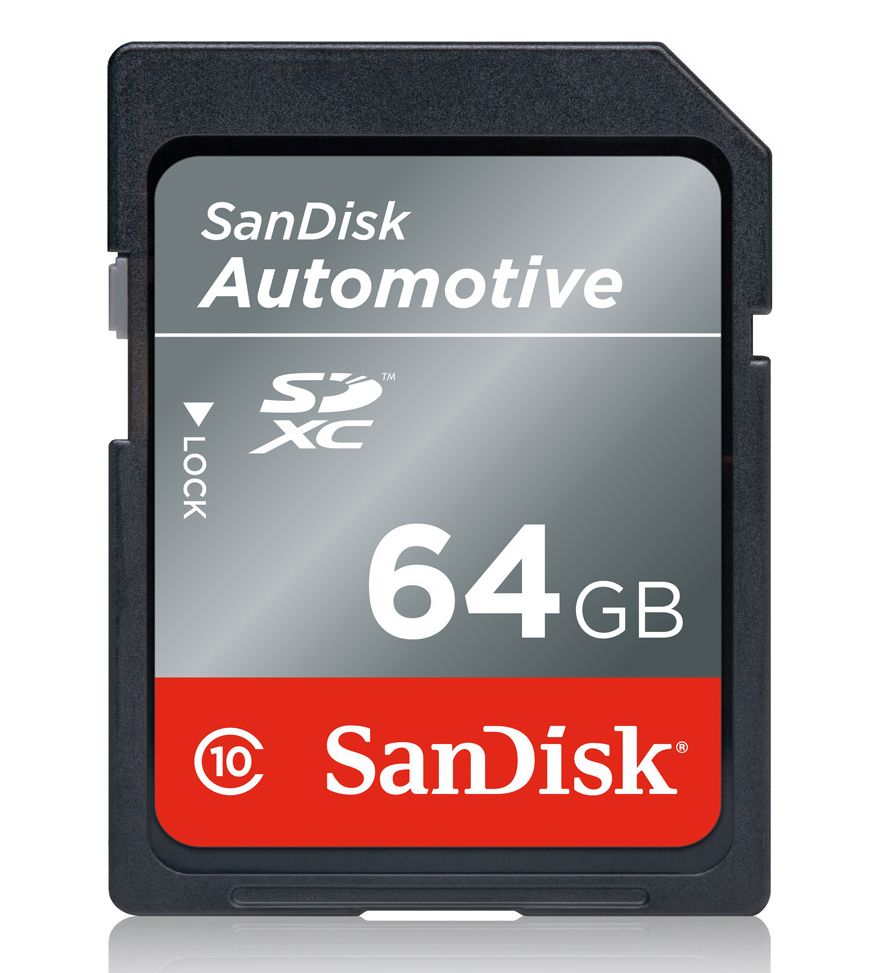
SanDisk announces 'automotive grade' flash storage for your car
As more and more concerns about distracted driving are popping up in the media, it feels like more and more products are being developed that can cause said distraction. Texting and driving for instance, is a very dangerous behavior, but I see it happening all the time. Surely no message is more important than your life or someone else's.
With all of that said, technology does not have to be a distraction in the car. Actually, if implemented correctly, technology should enhance the focus of drivers and lead to fewer fatalities and accidents. Today, SanDisk announces new storage products designed specifically for your car. The company calls the products "automotive grade", but what does that really mean?
How the cloud boosts business security
One of the most interesting aspects of the "Cloud Computing in 2015" infographic produced by QuoteColo is this: 94 percent of business managers state that security has improved after adopting cloud applications.
While reading this stat on an infographic is comforting, we want to explore the statistic more to discover why and how cloud applications have made businesses more secure. But before we can get into why cloud applications have made businesses more secure, we need to talk about the false illusion of porous cloud security.
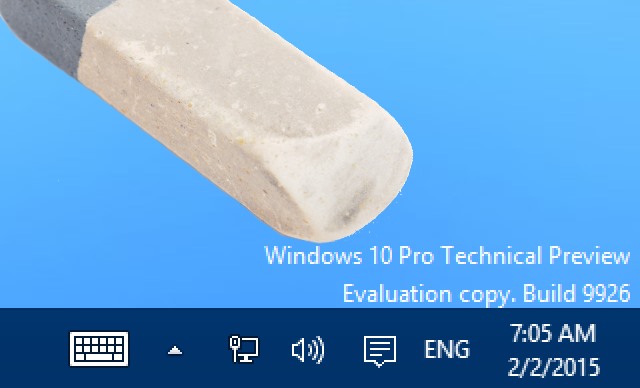
How to remove the build number watermark from Windows 10's desktop
Hundreds of thousands of people around the world are currently running Windows 10 Technical Preview ahead of the official launch. While it's fun to try out a pre-release of the upcoming operating system it does mean having to put up with a few problems here and there, as well as the occasional niggle.
One thing that irks many Technical Preview users is the fact that the current build number is emblazoned on the desktop. It doesn’t really get in the way, but it looks kind of ugly. If you'd like to get rid of this unsightly watermark, there's no need to tinker with the registry or hack files by hand -- there's a nifty tool that will take care of it for you.

IBM announces new cloud-based identity protection
Many of the things we do online require an ID and password, but typically whilst this makes things easier for the site it doesn't always do a lot to protect the user, who may be revealing more information than they need.
For example you may have to reveal your full date of birth and address to a video streaming service in order to verify your age and region, running a risk that the information may fall into the wrong hands.

6 technologies featured at CES that could disrupt businesses in 2015
Every year in Las Vegas, the Consumer Electronics Show (CES) is the ultimate place to see what’s new in technology. CES showcases new innovative and next generation technologies -- It’s a global platform for innovation where cutting edge technologies are revealed to the world. And this year’s show didn’t disappoint. Smart homes, ever advanced wearable devices, wireless home entertainment systems and even personally owned drones all had top billing at the show.
However, whilst the gadget geeks there were clearly bursting with excitement, the network administrators/IT Professionals/IT Managers I’ve spoken to seem to be scared witless as reality dawns on the practicalities of all of this. Issues such as bandwidth hogging, security vulnerabilities and the headache of ensuring compliance were the main areas of concern voiced to me at the show. Here follows the six technologies emerging from CES with the most potential to disrupt the business and network:
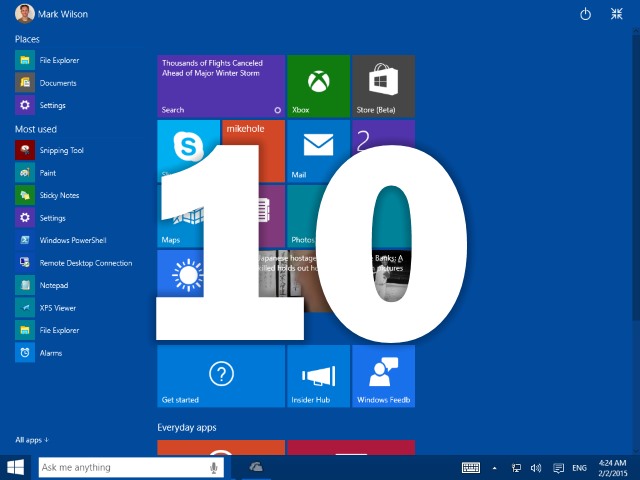
The ease of upgrading to Windows 10 all but guarantees its success
People don’t like change. Well, people don't like change for the sake of change -- if it ain't broke, don't fix it, and all that. But people also don’t like things to stay the same. People are fickle buggers, when you come to think of it, and this is one of the reasons Windows 8 proved to be such a disaster. Windows 10, on the other hand, is almost guaranteed to be a runaway success.
Uptake of the preview builds has already been impressive, but the ease with which it's going to be possible to make the upgrade -- be it from Windows 7 to Windows 10, or from a preview build to the RTM release -- is going to be key to the operating system's success. Why? As well as being fickle, people are suckers for 'easy'; Microsoft has made upgrading to Windows 10 RTM as easy as possible.
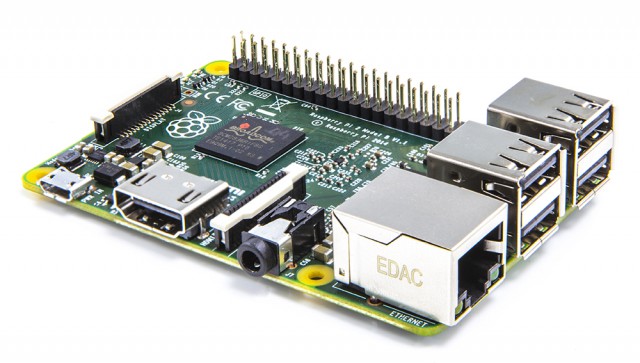
Raspberry Pi 2 arrives -- will run Windows 10!
The original Raspberry Pi Model B launched back in 2012, and got a big update in the form of the B+ last year. However, the core of the device -- the Broadcom BCM2835 application processor -- has stayed the same in all that time.
Given how much technology changes and improves in just the space of a single year, the Raspberry Pi was long overdue for a processor refresh, and today the Foundation launches the new and improved Raspberry Pi 2.

UK supermarkets need to be ready for the next wave of IT change
From farm to fork, there is no doubting that technology plays an integral role in the way supermarket chains interact with their suppliers, partners and customers. Since the first, secure, online purchase 20 years ago, retailers have come a long way in their use of technology to provide an efficient service and meet the ever increasing demands and expectations of their customers.
Today’s shopper expects to be able to use a number of mediums to interact with a retailer and make a purchase decision -- be it browse in-store or online, make a "click and collect" order to pick up at their convenience or have their weekly shop delivered to their home. All of this needs to happen seamlessly, with any breaks in the chain or inability to interact with a retailer subject to immediate criticism via social media channels or emails. It is therefore imperative that any new technology application or upgrade is set up for success with seamless integration and operation from the start. For, despite the opportunities which can be realized through technology, it can also give supermarkets nowhere to hide if it all goes wrong.
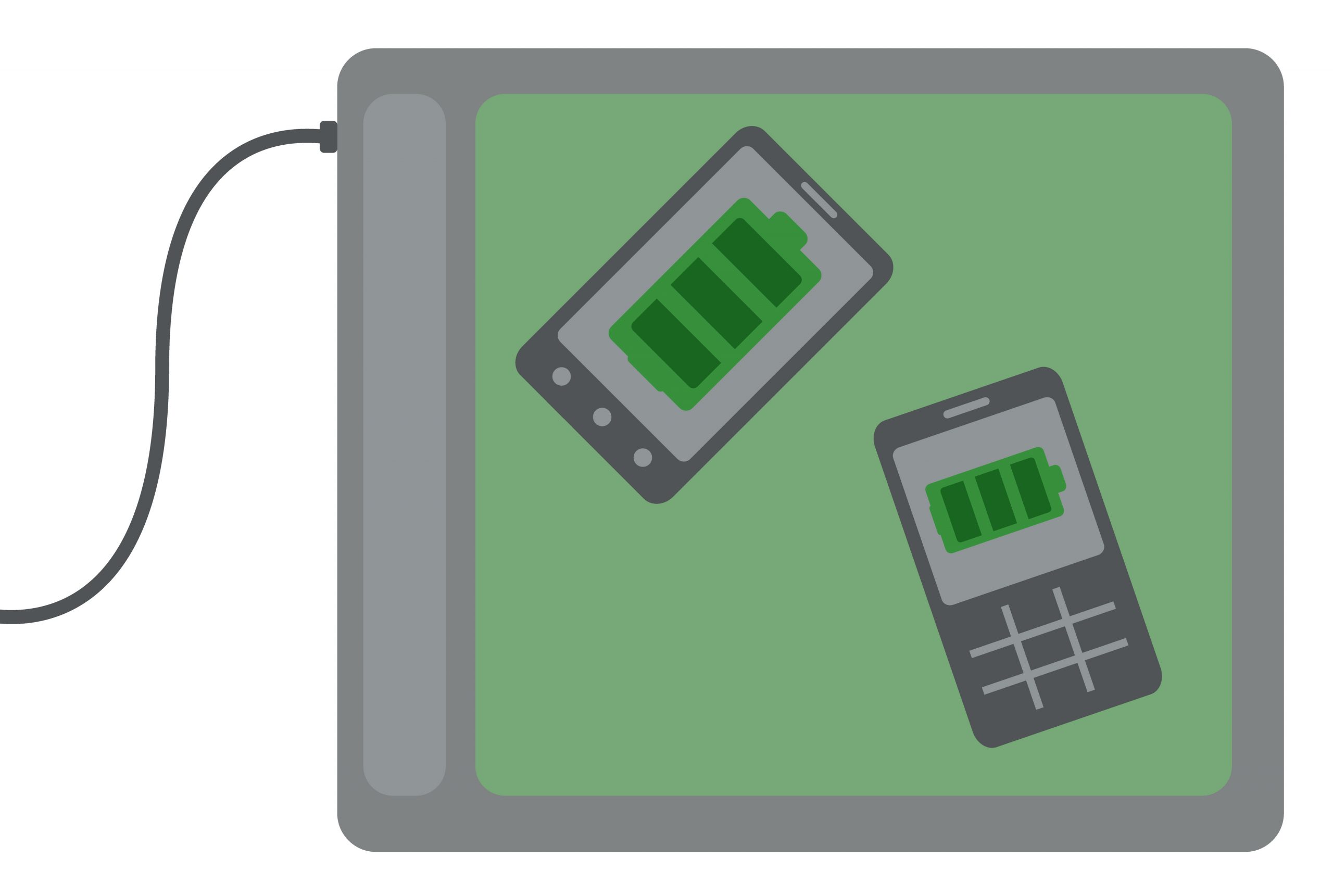
The future of wire-free charging
At fliCharge we believe 2015 will be an important and instrumental year in the ongoing development and deployment of wire-free charging. According to MarketsandMarkets Research, the total wireless charging market is expected to grow by over 60 percent (CAGR) per year reaching over $13 billion by 2020. To reach these levels we believe infrastructure markets will be key market drivers for wire-free technologies in the future.
In recent years competing wire-free technologies have caused confusion and in some cases disappointment in the market place with consumers or companies looking to include wire-free charging in their products. Cost and safety issues, as well as performance limitations, have led to a delay in wide spread deployment in the market. Based on our research, consumers want more than just a fancy, expensive phone charger. People are looking for a wire-free solution that is highly efficient, cost effective and interoperable for charging multiple devices be it at home, in cars or at school or the office.
This is why Windows 10 will be essential for your business
Microsoft’s worldwide release of Windows 10 gets underway later this year and with it thousands of businesses and those in the enterprise will be on tenterhooks to see if it manages to fulfill all the promise that the company is throwing behind it.
Windows 10 is a lot more than just the return of the Start menu and it could transform your business in a number of different ways.

Obama's proposed overseas earnings tax could hit Microsoft, Google and Apple hard
It is common practice for companies to take steps to reduce their tax bills. One common technique is to channel money through overseas branches, taking advantage of countries that require payment of little or no taxes. If the President's plans to pull in taxes from multinational companies' overseas earning, the likes of Amazon, Apple, Google and Microsoft could be facing hefty bills.
While the proposed 14 percent tax rate is far lower than the usual 35 percent, it could still top up US coffers by up to $238 billion. In addition to a one off tax payment on money currently held overseas, Obama is looking to slap a 19 percent corporation tax on earnings moving forward.

Hate NFL football? Here are 5 nerdy things to do instead of watching Super Bowl
Today's the day; Super Bowl Sunday is officially here. The game should be exciting, as the Patriots are rather hated outside of New England. Why? The "DeflateGate" controversy has many NFL fans considering the team to be cheaters. Actually, the team has been caught cheating in the past -- and penalized for it -- but in this case, the footballs have not been 100 percent proven to be intentionally deflated. Still, even though the accusations are only alleged, many think it is serendipitous for the Seahawks to win, as it would right a wrong.
Even with this interesting back story, not everyone likes football. You know what? That's OK -- different strokes for different folks as they say. If you are a computer nerd who wants to do something other than watch the Super Bowl today, here are 5 things you should do instead.

Warning -- Microsoft's new iOS Outlook app is insecure
After buying Acompli late last year, Microsoft didn’t take long to rebrand the mobile email app as Outlook and launch Android and iOS versions. But it seems that in the rush to get the app out of the door, Microsoft failed to ensure that it was suitably secure.
In fact, IBM developer René Winkelmeyer suggests that enterprise users stop using the app immediately. He was shocked to discover a trio of security issues in the mobile version of Outlook. Perhaps the most worrying discovery is that users' personal credentials are stored in the cloud -- username and password included.

Is it cord-cutting, or just cheating?
Anywhere from two to three times a week, Cox sends offers to join Flex Watch, which would add $19.99 to my $59.99 Internet service. The cable company guarantees the price for 12 months—no contract—and would provide HD set-top box with access to local networks and some premium, subscription channels. Last year's offer: HBO and Starz. Last month's adds Encore. This week, Cox sweetens by tempting with Cinemax and Flix for just $5 more.
The HD box and local channel access doesn't tempt the slightest. Cox would have to rewire our setup to enable access from the living room, but I'm a believer in the "If it ain't broke don't fix it" approach to networking. I've got 120Mbps Internet pumping down to the bedroom, where there is no TV, and don't want to risk mucking up what we've got. But I am tempted to pay $19.99, or $24.99, for the subscription channels and stream to the tellie content in their apps—which I find offer better benefits. But does that cross the line? Is it still cord-cutting?
Windows 8.1's market share remains utter rubbish
Last month, web analytics firm NetMarketShare released its usual batch of monthly desktop operating system usage share figures, and it showed Windows 8.x tumbling dramatically. The figure made little sense, and a day later the firm released revised data which showed the tiled OS still shedding a large chunk of share, but not quite as badly.
In December’s revised figures NetMarketShare had the OS falling 5.13 percentage points for a total share of 13.52 percent, placing it back way below Windows XP. This meant January’s figures were always going to be interesting. Surely the tiled OS would rally wouldn’t it? But of course this is Windows 8.x, Microsoft’s least successful operating system in recent memory, so no. Its usage share remains utterly rubbish.