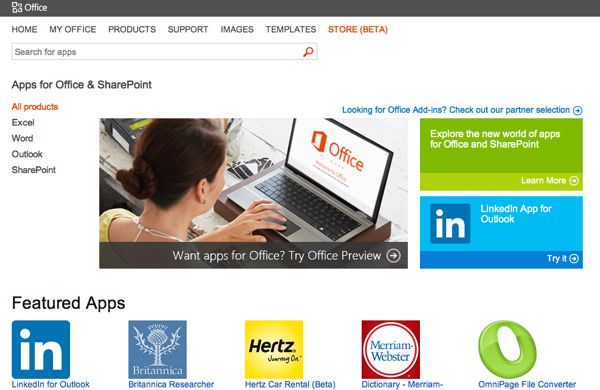
Microsoft loves its stores: launches the Office Store
The Office Store, Microsoft’s integrated product into Office 2013 is open. Office's new web apps come from the Office Store, where you can purchase add-ins or install free tools. The program became available this week to users with a Microsoft account and a preview version of Office, SharePoint or Exchange. For developers, the store presents a new and large opportunity to increase their income through sales.
Building the Office StoreFrom a user’s standpoint a lot of time is spent using the Microsoft Office suite. That is spending time reading through email, writing reports, analyzing data, preparing sales figures or sharing proposals with others team. There are many critical tools and many critical information sources live on the web or in applications outside of Office. So part of the idea behind the Office Store is so users could integrate different elements of the web with the internal elements of Office and SharePoint.
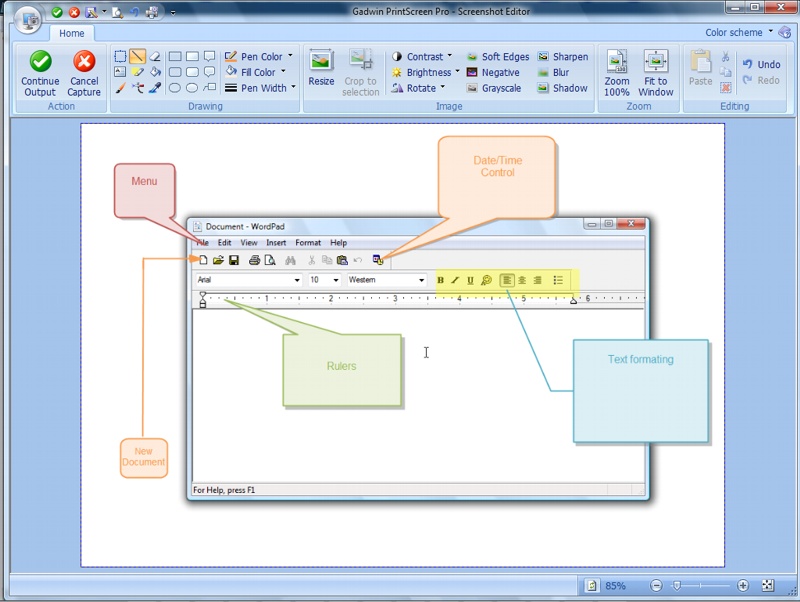
Gadwin PrintScreen: just quick, easy and configurable screen captures
As screen capturing power goes, there’s no doubt that the standard Windows PrintScreen function is horribly basic. But some third-party capture tools head in the other direction, weighing you down with a host of overcomplicated options which you’ll probably never use at all.
If your needs are more straightforward, then, you might prefer something like Gadwin PrintScreen, which provides a good set of basic screengrab functions, yet always remains relatively lightweight and easy to use.

A look at Windows Server 2012 and its toolset
Hyper-V, Microsoft’s answer to VMware, a virtual machine system has been around since Server 2008. And earlier versions of Microsoft virtual machines have been around since Server 2003, so the software is not new. But Microsoft’s latest version which comes out with Windows 8 as Server 2012 will introduce new features to Microsoft's server operating system.
Microsoft came into the virtual machine system market late, and VMware has been the dominant company running the software for about 10 years. But Microsoft is making tremendous strides in trying to catch up. So when Server 2008 was released, you could set up various virtual machines in the system and run different programs simultaneously, never affecting the host computer. A virtual machine is software that mimics an operating system, thereby allowing a “computer” to run inside a computer. So you can have Vista running in an XP system, and neither operating system will interfere with the other.
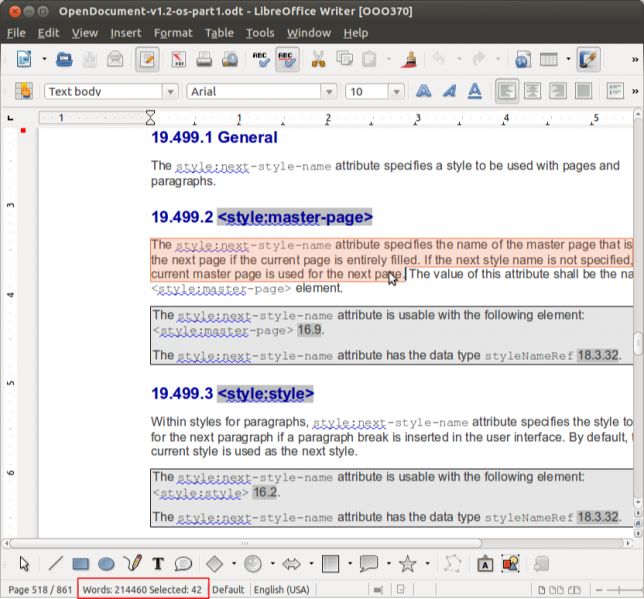
LibreOffice 3.6 debuts a stack of major new features
The Document Foundation has announced the release of LibreOffice 3.6, a major upgrade which introduces a host of important and very welcome new features.
If document sharing is top of your priority list, for instance, you'll appreciate the suite's new ability to import Corel Draw files. Regular DOCX and CSV import has been significantly improved, PDF export now supports watermarks, and major performance enhancements mean importing many file types is now substantially faster.
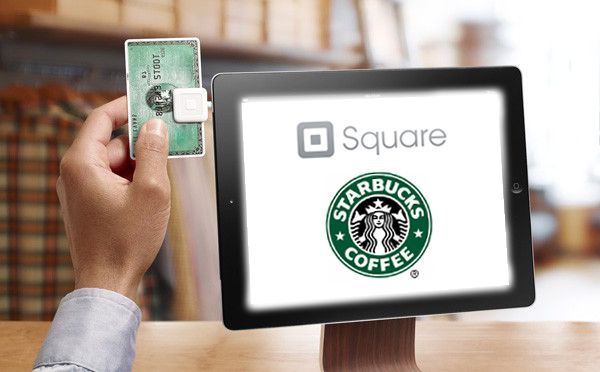
Square forges major mobile payment partnership with Starbucks
Starbucks Coffee Company and mobile payments startup Square on Wednesday announced a broad interconnected partnership which includes Starbucks investing $25 million in Square as part of the startup’s Series D financing round, Starbucks chairman, president and CEO Howard Schultz joining Square’s Board of Directors, and Square's mobile payments and credit transaction platform being used in U.S. Starbucks stores.
Starbucks customers will be able to use Square's "Pay with Square" mobile app, available on both Android and iPhone, at U.S. Starbucks stores later this fall, and find nearby Starbucks locations within Square Directory. Square will also take on the processing of Starbucks U.S. credit and debit card transactions.

SharePoint 'Apps' - a missed opportunity?
Almost everyone who uses a computer or mobile device these days is familiar with apps and app stores. Back in the day, computers used to have "programs," and it was even once seen as fairly progressive to venture out onto the web and download something for yourself. No longer is this the case. Users are happy using app stores, and such mechanisms are almost expected on any new platform.
Microsoft was fairly slow to the app game. It never really had a successful phone platform with which to experiment in the way Apple did. Steps have now been taken in Redmond though, and the Windows 8 app store is expected to play a big role in the day to day use of the new operating system. SharePoint 2013, recently previewed by Microsoft and currently in the hands of excited enterprise testers the world over, now also has its own app store. However I can’t help but think, in its current guise, it is a missed opportunity.
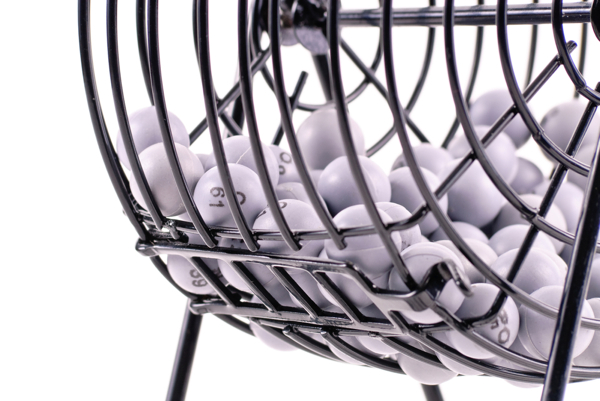
Real-money gambling arrives on Facebook
Although online gambling is essentially illegal in most US states, in the UK it’s both very popular and well-regulated. Facebook has been in discussion with a number of UK-based operators about introducing real-money games to the social network since last summer, and the first of what will likely become a deluge of gambling apps has finally arrived on the site. The new game, from UK-based Gamesys, is called Bingo and Slots Friendzy and will allow British users aged 18 and over (and in possession of a credit card) to play for real cash prizes while chatting with friends. As is the case with most online gambling games in the UK, this one comes with a big cash incentive for new players. Deposit £10 to get £30 to wager.
Commenting on the launch, Facebook’s Head of EMEA Gaming Partnerships, Julien Codorniou, said, "People love playing new types of games with their friends on Facebook and real money gaming is a popular leisure activity in the UK. We’re delighted to be working with Gamesys to enable them to offer their games on Facebook so that people can enjoy playing more games with their friends."
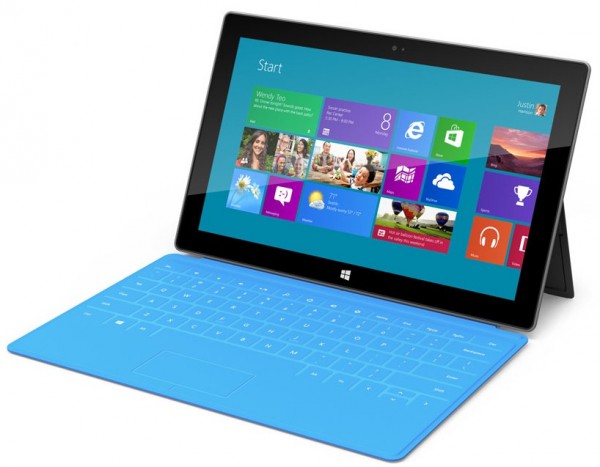
Microsoft makes its own hardware and software rules, and that’s a good thing
Acer CEO JT Wang has been quoted as saying Microsoft's Surface could have a negative impact on the Windows ecosystem, frustrate OEMs, and potentially have far-flung negative consequences. Why is there a problem when Microsoft wants to set a standard in both hardware and software? Windows Phone, Surface, and Signature represent a generational shift in Microsoft’s thinking related to operating systems, hardware, and the intended software experience. This is the Microsoft that should surface (no pun intended) from every interaction with one of their products, and who’s to say that’s not a good thing?
When Microsoft announced Surface, I immediately saw great potential for people like me who need advanced software to perform real tasks that require an intensive use of resources. But at the same time, Microsoft Surface gave a glimpse of what’s to come: Microsoft can actually make hardware to its own specifications and design. It is an approach that has been slowly coming to the front with Microsoft which began three years ago, before the debut of the first Windows Phone. Working closely with HTC, Microsoft could make sure the hardware performed in such a way that its software looked better.
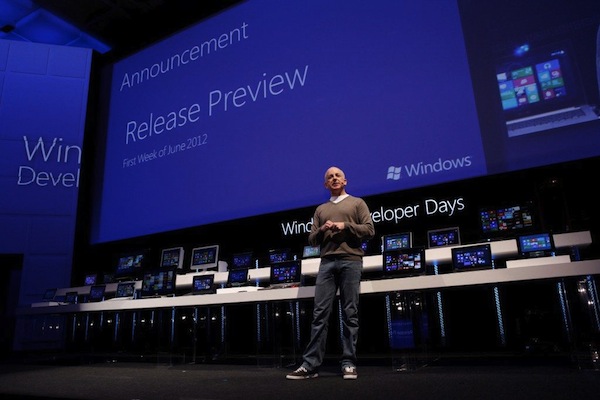
If you don't like the direction Microsoft is taking Windows 8, tough luck, Team Sinofsky knows they have you
Choice. It’s something that all free people crave. We want the right to choose, whether it’s what we eat, where we live or how we arrange our furniture. Generally speaking, we don’t like being told what to do. Nor do we like it when some impersonal agency imposes its will upon our freedoms.
Case in point: Microsoft’s decision to force users to boot to the Windows 8 Start Screen. Instead of giving us the option (choice) of going directly to the desktop, Microsoft divisional president Steven Sinofsky and friends are saying it’s “their way or the highway”. Any attempts to deviate from their approved usage model will not be tolerated, and if you try to code around us, we’ll shut you down. Period.
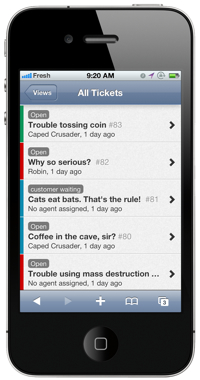
Freshdesk's cloud helpdesk SaaS launches as HTML5 web app
Cloud-based customer service startup Freshdesk on Tuesday announced the availability of the HTML5-based mobile app version of its helpdesk solution called FreshMobile. Like Salesforce's recently launched Desk.com mobile support solution, FreshMobile hooks up with the Freshdesk CRM system and lets agents resolve customer queries from any mobile device.
The idea behind FreshMobile is that it makes mobile support possible while working within the constraints of a mobile device. Freshdesk agents can create, save and reuse canned response templates for replying to tickets from their mobile device. The application also introduces a feature called "Solution Suggest," which uses previous activity to learn the most likely course of action on a given support ticket.
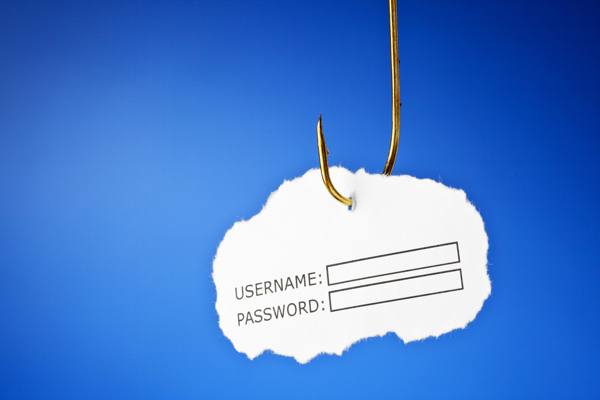
Corporate America is ripe for phishing
A new survey released Tuesday by the Chantilly, Virginia-based security and anti-spam company PhishMe has a lot to say about filtering phishing attack emails in the corporate environment. PhishMe conducted a survey at this year's Black Hat hacker conference in Las Vegas, July 24th to the 26th. PhishMe surved 250 security professionals, of whom more than two thirds (69 percent), have said they encounter phishing messages that get past anti-spam filters at least a few times a week. Nearly a quarter of those surveyed say they see multiple phishing emails daily in their corporate network users' mailboxes.
"Phishing" is the name given to a form of an email attack that uses social engineering tactics to lull the recipient into a false sense of security in order for them to click links within the email. The email can have links that look like they go to real sites, but are in fact redirecting Unicode Urls that don't show up properly in most email clients still. The point of these emails is to gather user information though man-in-the-middle style attacks, or to get the user to malicious websites that can execute malicious code, installing viruses or rootkits on a system. A more targeted form of this type of attack is called "Spear Phishing", an email attack in which the phishing emails are targeted to a specific person or group of people, usually people within an organization that shares a common set of information.
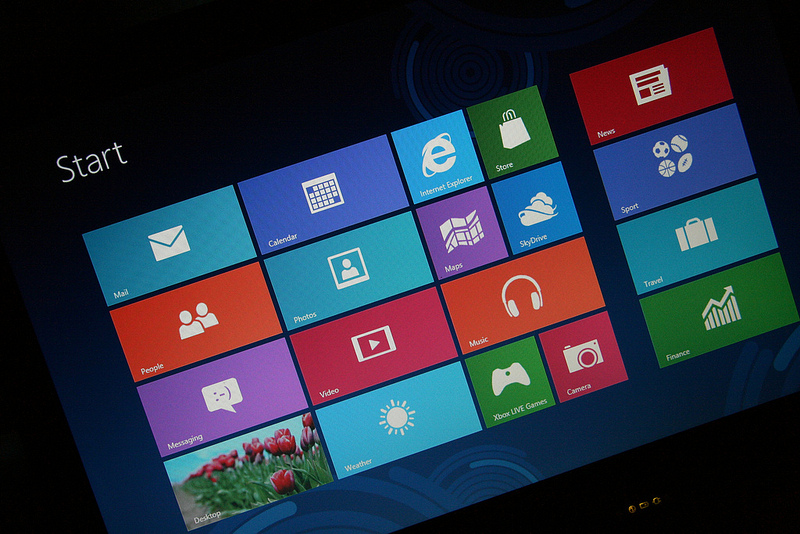
Prepare your computer for Windows 8
October 26. That will be the release date for Windows 8. The cost of the upgrade will be $39.99. So what do you have to do to get ready for Windows 8?
First, you can upgrade from Windows 7; but you can also upgrade from XP or Vista. But that is not enough. I have covered four of the most pressing questions and answers in Four things you REALLY need to know about Windows 8 upgrades about a month ago, and while it was certainly helpful for many users, it did not address how to check and prepare your system for the actual update.
Roundup – 22 updates and new downloads to kick off August
The end of July and the beginning of August have seen the release of a number of important apps and updates. If you’ve found it hard to keep to speed with what has been going on in the world of software, this roundup is here to help. SoftMaker FreeOffice 1.0.3340 is a free alternative to Microsoft’s office suite that is capable of producing Office compatible documents as well as PDFs. The news that Windows 8 has been released to manufacturers has rekindled interest in all things Metro, and Immersive Explorer 0.1.1 Alpha extends the look and feel of the Windows 8 Start menu into a fledgling replacement for Windows Explorer. If you’re more interested in storing your documents in the cloud, Google Drive 1.3.3209 has been updated, providing you with access to several gigabytes of free online storage and the ability to sync with your computer. While you’re online, you may well visit Facebook from time to time, and Facebook Messenger for Windows 2.1.4590.0 is a handy free tool that can be used to chat with contacts, monitor status updates and more all from a neat sidebar on your desktop.
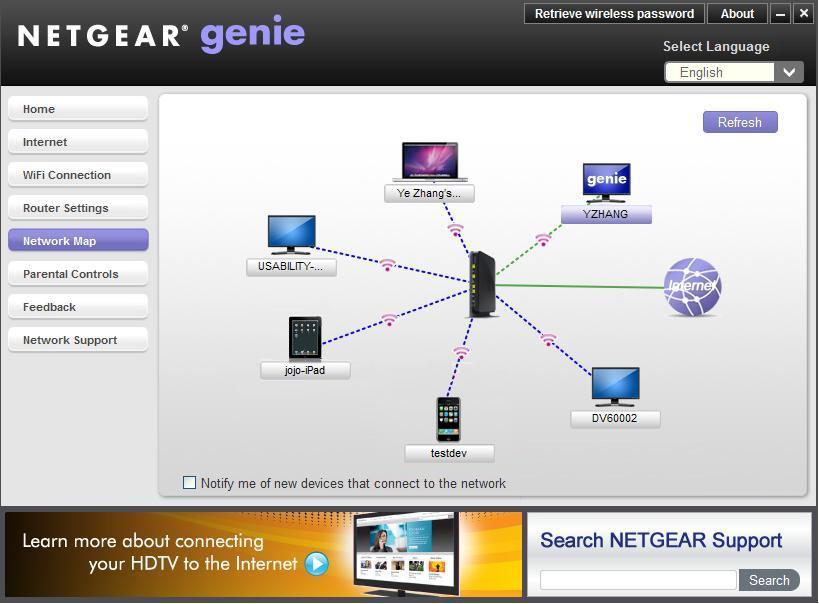
Regardless of whether you have a Netgear router or not NETGEAR Genie 2.2.26.50 can be used to take care of it. NETGEAR Genie 2.0.25 (mobile version) is always available so you can use your Android or iOS mobile to perform tasks such as controlling your media and running speed tests. To make your life online easier, you need a decent web browser, and Opera 12.01 FINAL and Opera 12.01 FINAL 64-bit have both been released, with improved performance and better HTML5 support. If you’re more of a Google fans, Google Chrome 21 FINAL and Google Chrome 21 Portable provide you with everything you need including an all-new API for high-quality video and audio communication.
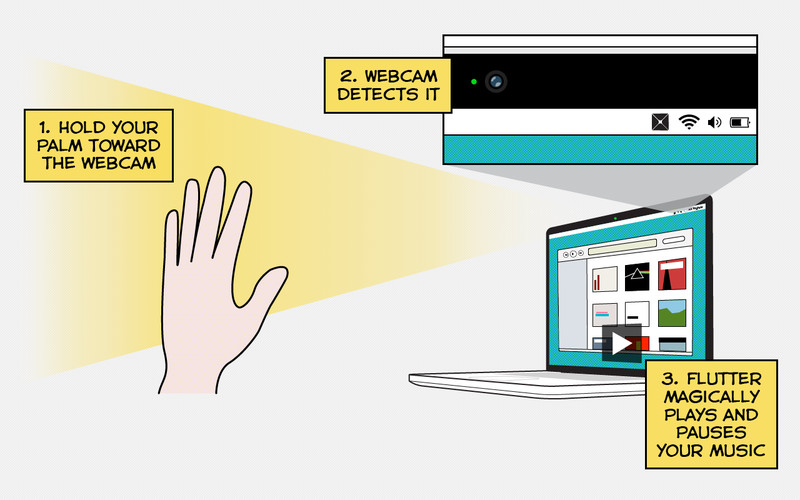
Flutter gives you (basic) gesture control of media via your webcam
Gestures are where it's at these days, with the Kinect add-on for Xbox 360 and the motion controls of the Wii allowing for direct interaction with games and other software. Even mobile devices such as Android and iOS phones and tablets are making greater use of gestures rather than just for menus and buttons. Touchscreen displays for Mac and PC make gesture interfaces possible in Windows and OS X, but Flutter enables you to use your webcam to interact using gestures.
As you can tell from the version number (currently 0.1.185), this is a very early version of the software and things are a little limited at the moment – but that’s not to say that it is not still worth taking a look at. At the moment, Flutter can be used to control your media player, enabling you to use basic hand gestures to start and pause music or video playback.

YouTube app disappears from latest iOS 6 beta, Apple says license has 'ended'
Apple's divorce from Google is nearly complete: say goodbye to the native YouTube app. The change came within iOS 6 Beta 4 which released to testers on Monday. The reasons for the move are unclear: little was said other than the license to carry YouTube in iOS had expired.

Monday's news follows Apple's decision to dump Google Maps in favor of its own in-house solution. As competition heated up in the smartphone sector and Google's Android gained more market share, the two companies have begun to distance themselves from one another.