
Apple's dock connector update may trigger refresh of entire product line
While the focus on Apple's next big thing has surrounded the likely release of the iPhone 5 next month, the Cupertino, Calif. company's decision to change the dock connector may affect its entire product line, a new report claims.
Rene Ritchie at iMore says sources told the publication that the entire iOS device lineup will receive a refresh when the iPhone 5 launches, rumored to occur on September 12. The report claims that date will see a refreshed iPad, new iPod nano and iPod touches, the iPhone 5, and even the debut of the 7-inch iPad.
The Nexus 7's biggest problem is Google
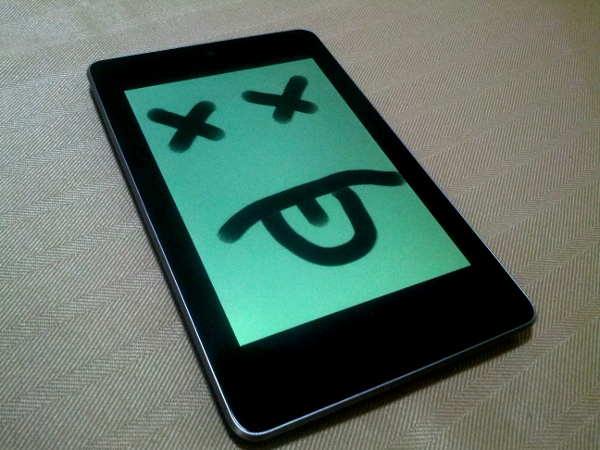
We've heard a handful of complaints about Google's Nexus 7 screen dimming and flickering, but they pale in comparison to this story from New York tech industry professional Ed Zitron, who is currently dwelling in Nexus 7 support hell.
I was really excited about the Nexus 7, for just two hundred dollars I could get a device that I could sling in my bag, play with, enjoy mindlessly and then put away --a nicety, a frivolity, something enjoyable and cheap that I wouldn’t worry about.
Siri's little sister Nina just came out to play, wants to show you her API
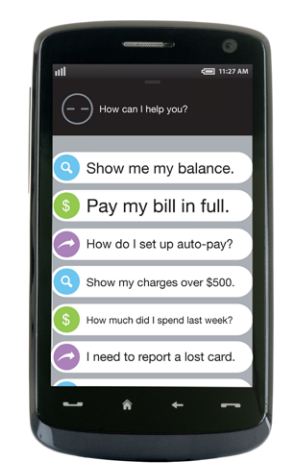
Nuance Communications, Inc., the company known for Dragon Naturally Speaking dictation software, the Swype virtual keyboard, and T9 text completion has just announced its very own digital mobile assistant platform named Nina.
Nuance, who also contributed behind the scenes to Apple's Siri, is taking a different approach with Nina. Nina will be released as a global speech-based virtual assistant for both iOS and Android mobile apps, and will also come with a Virtual Assistant SDK.

Slices for Twitter - best Twitter app today?
If there is one thing that’s typical of Twitter, it's the long, long, long list of tweets that shows each of your Twitter friends' er…tweets. Slices for Twitter by OneLouder Apps is designed to make your Twitter experience better by adding "Twitter Content Discovery." Simply put, it provides improved functionality over the official Twitter app.
Slices for Twitter comes with five major features: Twitter Directory, Live Events, Timeline Slicer, Bookmarks and Mobile-to-Web.
New .NET Framework Cleanup tool adds Windows 8, .NET 4.5 support
Back in July, Microsoft engineer Aaron Stebner released a new version of his .NET Framework Setup Verification tool, a handy troubleshooting utility which can quickly tell you whether a particular .NET edition is installed and set up correctly.
And Stebner has followed up this up with an upgrade of his companion program, the .NET Framework Cleanup Tool. As the name suggests, this can fully remove a specified edition of .NET from your PC – files, folders, Registry entries, everything – and the new edition works with both .NET Framework 4.5 and Windows 8.

What Google could do with their $43 Billion in the bank
According to Google's recent earnings report, the Mountain View search company has $43 billion in cash reserves. I'm no business expert, but that number seems unreasonably high and I think Google should use some of that money. Some have said that Google has run out of ideas, so to alleviate the situation here are a few ideas:
Sprint Nextel Corporation, Cost: $13 Billion
Sprint isn't the smallest of the four main carriers in the U.S. but it would still be a great way for Google to get its foot in the door. Just imagine what Google could do with a carrier, Android phones could be subsidized into oblivion, phones would at last be updated, no more bloatware, full Google Voice integration, and if Google really wanted to do no evil then every phone they sold would be unlocked. There is also this to consider, Sprint carries the iPhone, so Google and Apple would be in an interesting situation, but Google could play this to their advantage, as they say “know thine enemy.”
Windows 8 deserves a chance
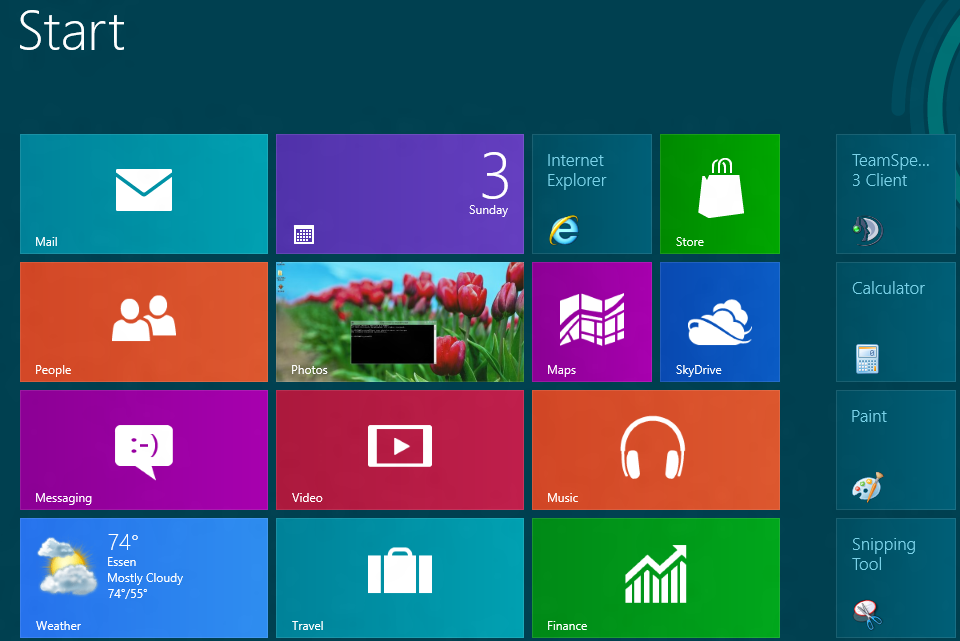
When I set up my first Windows 8 system back when Microsoft released the Developer Preview, I was somewhat irritated by the removal of core operating system features like the Start menu that I had been using for over a decade in different versions of Windows. Even more alien was the new startpage that Microsoft had added to the operating system which felt like a new interface that had nothing to do with the desktop and the way Windows used to be.
I too believed at this point that Microsoft was making a huge mistake, that it was betting big on touch and that touch-enabled devices would become the de facto standard in computing. While I believed that they got it right for the mobile computing market, I could not see myself using a touchscreen on my desktop PC. Sure, the startpage and Charms menu did support mouse and keyboard as well, but it somehow felt like something that Microsoft added on top of the native controls.
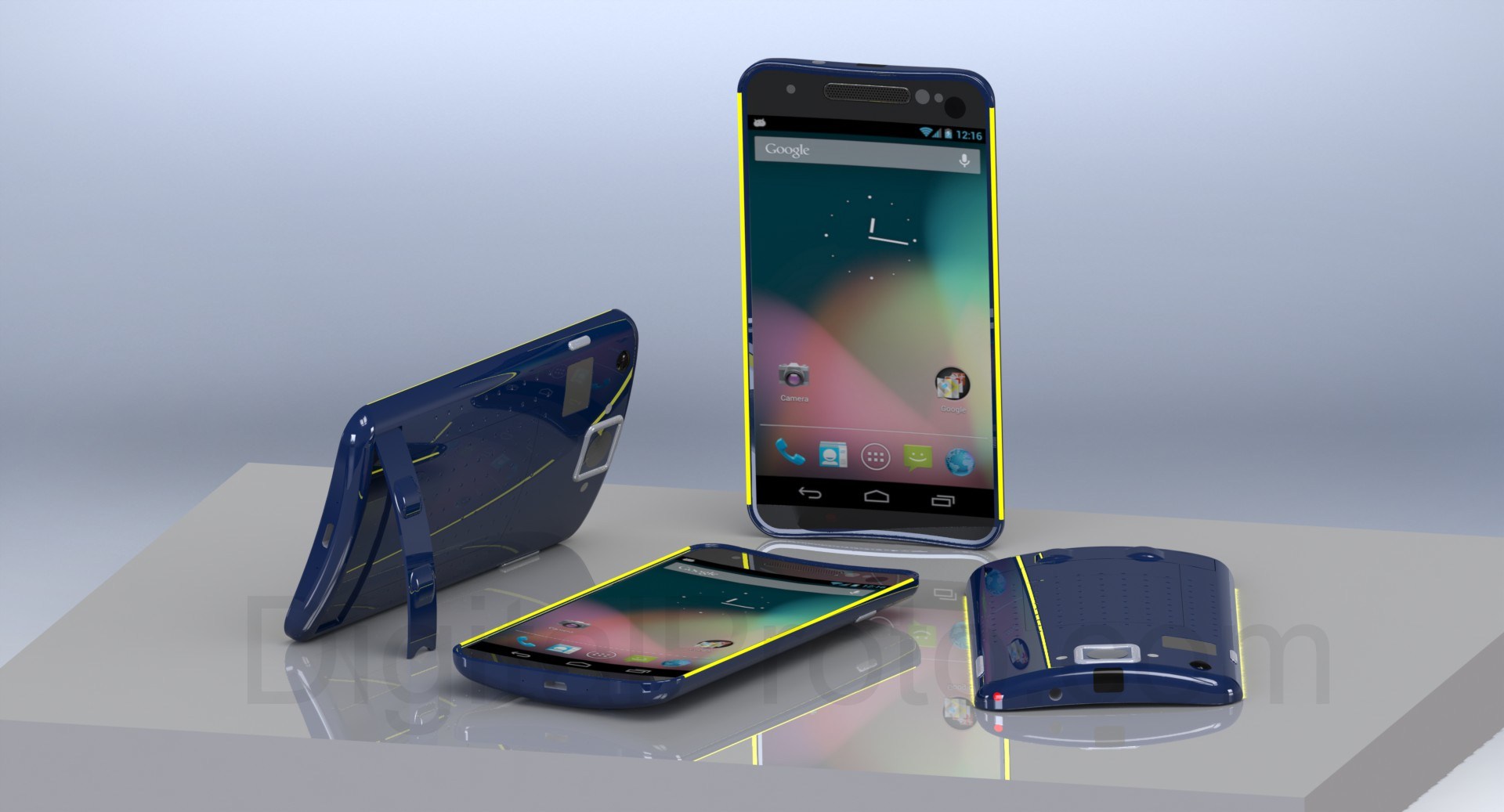
Man designs new smartphone while watching the Olympics
What you're looking at is the Nexus D, a concept design created by patent-holding mechanical engineer and BetaNews reader Dorian Lust.
Lust is a Galaxy Nexus user and fan, and instead of idly talking about the features he'd want in the next version of the Galaxy Nexus, he designed it for himself...while watching the Olympics on television.

Android Jelly Bean is running on the TouchPad, but I still love webOS
Thursday it was announced that an unofficial port of Android 4.1 Jelly Bean CyanogenMod 10 custom ROM was available for the discontinued webOS powered HP TouchPad, with a big early thanks to XDA-Developers forum member and Android developer James Sullins, aka jcsullins.
Though it's discontinued, and mostly a niche device, the HP TouchPad is no slouch in the hardware world. It sports a 9.7 inch, 1024 x 768 pixel display, a 1.2 GHz Qualcomm Snapdragon dual-core processor, has 1GB of RAM, and 16GB to 32GB of storage. It is still a very solid tablet.
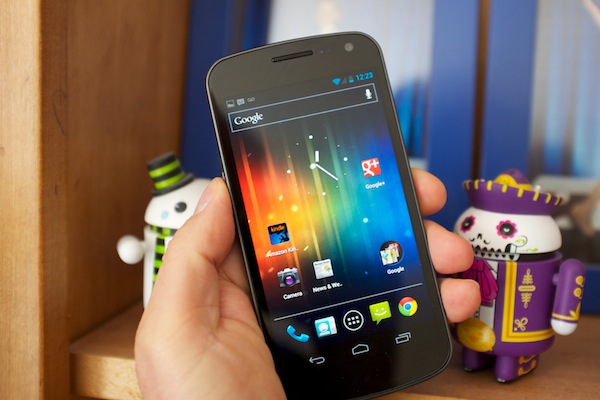
Who's taking care of my Galaxy Nexus update?
At the moment, the Samsung Galaxy Nexus is the only Android smartphone that can be experienced the way Google wants. Of course, there were previous Nexus iterations like the Nexus S and Nexus One, but with the Galaxy Nexus, Google got it right. Well, right enough that I recently bought one.
Your first days with any new device are the honeymoon. There’s the initial joy of opening the package and peeling off the plastic sheets on both sides and looking inside the box for accessories. Then, the battery is in its rightful place, the back cover is on, and at a touch of the power button the SAMOLED displays "Google." Things get interesting, the Android 4.0 Ice Cream Sandwich animation pops up, I run through the initial set up and bang, I am now using my new shiny Galaxy Nexus.
AT&T lays out plans to switch off 2G networks
National wireless carrier AT&T plans to move completely past 2G wireless connectivity by 2017, a recent 10-Q filing with the United States Securities and Exchange Commission revealed.
Due to the impending 'spectrum crisis' that has been slowly edging toward wireless providers for the last three years, AT&T plans to eventually shutter its 2G network, and redeploy it for use on next-gen mobile broadband networks.
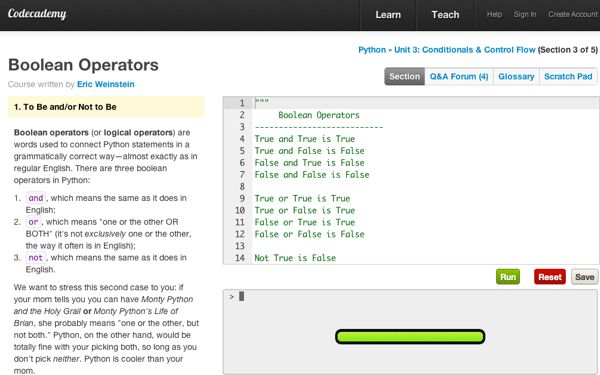
CodeAcademy adds Python to the list of languages you can learn for free
CodeAcademy, the free site for learning how to code, has just added the Python programming language to its tutorial platform.
CodeAcademy made a big impression on the Web back in August of 2011 when its cofounders, two graduates of the y-combinator startup training camp, Zach Sims and Ryan Bubinski, announced the service on the ycombinator Hacker News forum. Since then, the site has seen extensive growth, and it currently offers a few hundred exercises in HTML, CSS, JavaScript and jQuery.
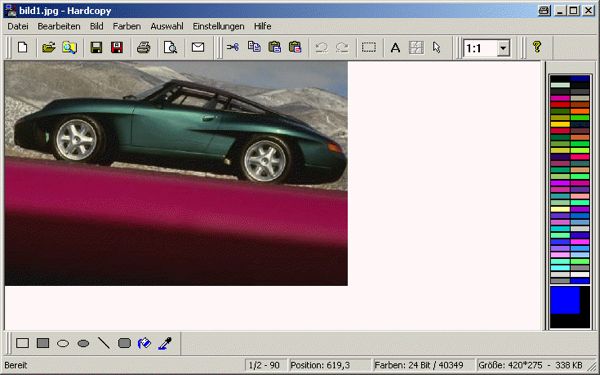
Hardcopy lets you print out your desktop or program window with a single click
While it’s true the simplest apps are often the best, you invariably find yourself torn over loving their simplicity while yearning for additional functionality. Imagine, then, an app that can fill a void you didn’t know existed – the need to quickly print out your entire desktop or an active window to paper – while providing all those extra features you don’t yet realize you want?
You can stop imagining, because that app exists. It’s been around for over a decade, benefits from frequent updates (it’s fully Windows 8 compatible, for instance) and – most pleasing of all – is completely free.
What's in a name? Metro becomes a bad word at Microsoft
Microsoft isn't known for its ability in picking catchy names, so it was somewhat shocking when the Redmond, Wash. company began referring to its clean, typography-first interface as "Metro". It was beautifully simple, and just seemed to fit.
Not anymore.
Android leads, iOS follows, Windows Phone shows surprising growth
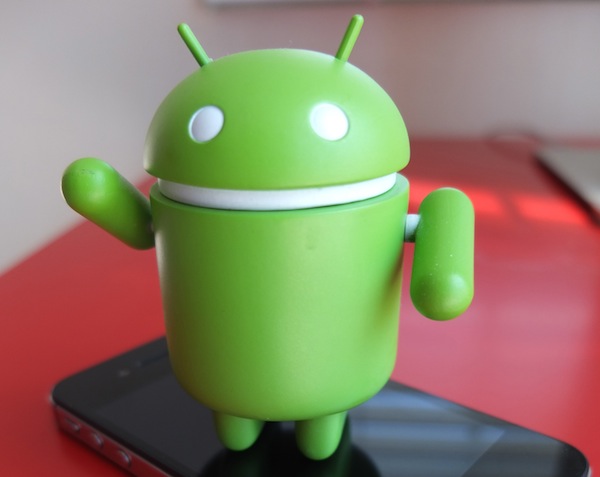
Canalys released its latest report on the state of the smartphone market based on shipments in Q2 2012, and the results provided by the estimates are going to stir some emotions among Android and iOS fans. Android dominates the market with iOS following its lead, but not from up close.
Android, Google’s smartphone operating system, shipped in 107.8 million devices in Q2 2012, a 100.10 percent increase over Q2 2011 when Android smartphone shipments reached 51.2 million units. Shipments have more than doubled year over year, and at the same time the share in shipments increased as well. In Q2 2011, Android shipments accounted for 47.6 percent of the smartphone market, and in Q2 2012 they have grown to 68.1 percent which is a 43.06 percent increase over the same period last year.