
Mozilla Firefox 57 unveils new speedy Quantum browsing engine, revamps user interface
Mozilla has placed Firefox 57.0 on its servers for download, ahead of its official release tomorrow. Also due imminently is Firefox for Android 57.0. The new release sees the debut of Mozilla’s next-generation browsing engine, Quantum.
The new engine is paired with a major user-interface revamp boasting a more modern, pared-down look, plus feature highlights include improved Address Bar and redesigned new tab page. In addition there are major changes (with potentially significant consequences) to the browser’s extension support.

Opera 49 adds editable elements to its screen capture tool, rolls out VR headset support
Opera Software has unveiled Opera 49, the latest version of its Chromium-powered browser for Windows, Mac and Linux.
Opera 49’s headline new feature is a major update to its new snapshot tool, with editing features, a selfie mode and support for emoji. Elsewhere, the VR headset support previewed in the Developer release has also been included, along with a new 'easy setup' button offering convenient access to key settings.

TorMoil flaw leaks IP addresses of Mac and Linux Tor users
If you're using Tor, you're almost certainly doing so because you're looking for privacy and anonymity. But a newly discovered critical vulnerability has been revealed in the Mac and Linux versions of the browser that means IP addresses may be leaked.
The bug was discovered by security firm We Are Segment and was reported to Tor. While a proper patch is yet to be created, a fix has been released, and Tor users are strongly advised to install it.
Google rolls out Chrome Cleanup to help secure its web browser
With so much time now spent online, and with so many cloud-based tools now in use every day, we're all spending more time than ever in our web browsers. To ensure that this is as secure an experience as possible, Google is rolling out a trio of important changes to Chrome -- for Windows users, at least.
At the heart of these changes is Chrome Cleanup. This feature detects unwanted software that might be bundled with downloads, and provides help with removing it -- but Mac and Linux users miss out.
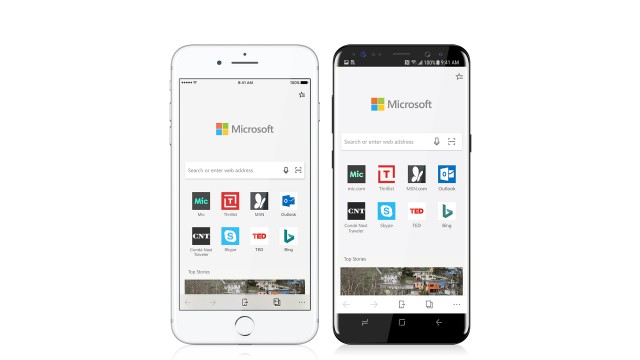
Microsoft Edge coming to Android and iOS
Microsoft today addresses one of the biggest shortcomings of its Edge browser, announcing its upcoming availability on the two biggest mobile platforms: Android and iOS.
Microsoft says that support for Android and iOS is "one of the most common requests" that it has received from Edge users on Windows 10. By making it available across multiple platforms, the software giant is making its browser a viable option in this space for folks who use a mix of devices.

Mozilla announces extended end-of-life support for Firefox under Windows XP and Vista
Mozilla has revealed that support for its Firefox web browser on Windows XP and Vista is coming to an end.
The organization had previously announced that anyone using these old versions of Microsoft's operating system would be moved to the Firefox Extended Support Release (ESR). This meant that support would be offered until "at least" September this year. Now the final kill date has been revealed -- and it's later than expected.
Microsoft explains why Edge has so few extensions a year down the line
It's now a little more than a year since Microsoft first brought extensions to Edge. After so long you would expect the selection of addons to be overwhelming -- but that's far from being the case. In all, there are only 70-odd Edge extensions available, and Microsoft has been moved to explain why.
In a blog post, the company almost apologetically explains that it is "building a thoughtfully curated ecosystem," citing concern over quality and a fear of diminishing the user experience. What some might describe as "slow," Microsoft refers to as a "purposefully metered approach" to new extensions, and you probably shouldn't expect things to speed up a great deal any time soon.

Firefox 56 unveils improved preferences, paves the way for Firefox Quantum
Mozilla has released Firefox 56, with Firefox for Android 56.0 due imminently. Firefox 56’s chief highlight is the rollout of Firefox Screenshots to all users. The built-in tool for capturing, saving and sharing screenshots from the browser was made available to a subset of users with the previous release.
The announcement comes with news of Firefox 57, which has been billed by Mozilla as "our biggest release of the year." It will unveil portions of a new next-generation browser engine as well as a major design refresh to fit in better with modern operating systems.
Opera 48 unveils pop-up search and conversion tools, Snapshot screen-capture utility
Opera Software has unveiled Opera 48 for Windows, Mac and Linux. After the last feature-light release, version 48 adds a number of interesting new features as well as improvements.
Chief among these is a new pop-up search tool, which also doubles as currency, unit and time zone converter. Opera also adds a new screenshot capture tool for web pages, plus widens its bookmark-importing tool to support Edge and Yandex browsers.
Safari has more security vulnerabilities than all other major browsers combined
Apple's Safari has more security vulnerabilities than Google Chrome, Mozilla Firefox, Microsoft Edge and Internet Explorer combined, according to a new report from Google's Project Zero.
Using an automated testing tool called Domato, Project Zero's Ivan Fratric analyzed the most popular desktop browsers and discovered two security vulnerabilities in Chrome, four in Firefox and Internet Explorer, six in Edge and 17 in Safari.

SafeBrowse Chrome extension found to be secretly mining for cryptocurrency
Recently it was discovered that the Pirate Bay had embedded a JavaScript cryptocurrency miner into the footer of its homepage, and now a popular Chrome extension has been found engaging in similar activity.
The SafeBrowse extension purports to block popup ads and skip ad pages that appear before downloads, but in fact it was secretly running a Coin Hive mining tool in the background. With over 140,000 users, SafeBrowse -- which has now been removed from the Chrome Web Store -- was quietly making an income for its developers through clandestine use of CPU time.
Adblock Browser 2.0 for iOS adds Ghost Mode for the ultimate in anonymous private web browsing
Adblock Plus is about more than just its eponymous software -- the company also produces Adblock Browser. Now version 2.0 of the secure, private mobile web browser has been released for iOS and it introduces a wealth of new features.
Key among these new features is Ghost Mode which makes it easy to slip into anonymous web browsing mode whenever privacy is of the utmost importance. As the name of the browser implies, there is also an integrated ad-blocker, but it does not end there -- this is an update that the company has been working on for more than a year.

Google Chrome will stop trusting older Symantec certificates
Chrome will stop trusting any security certificates issued by Symantec, Google has confirmed.
In a blog post, Chrome Security's Devon O’Brien, Ryan Sleevi and Andrew Whalley say that certificates from the security firm will be "distrusted," starting with version Chrome 66. This affects all certificates issued before June 1, 2016.

Criminals hijack browsers to mine cryptocurrency
Cyber criminals supplementing their income by mining cryptocurrencies like Bitcoin is nothing new. Usually this has been done by installing malware or PUPs on the machines of unsuspecting users.
But now researchers at ESET have discovered a new method of mining cryptocurrencies, which can be done directly within your web browser, using JavaScript. This gives attackers the potential to reach a greater number of victims, by infecting websites, rather than by targeting individual machines.

Opera Mini for iOS isn't dead after all -- the developers were just waiting for iPhone 8
Earlier this year, I was shocked to learn that development of Opera for iOS was effectively dead. No, this was not just a rumor -- an Opera employee told me publicly on Twitter. And so, we here at BetaNews reported the unfortunate news. Luckily, the report of the browser's demise was short-lived -- the company later told me the employee was misinformed. I was dubious, so I took a wait-and-see approach to see just how alive development truly was.
Well, today, Opera supplied proof that its popular Mini browser is alive and kicking -- a new version! Apparently the company was just waiting for the iPhone 8 before updating the web browser. In a blog post highlighting the upcoming release of a new iPhone, the company shares that the user interface has been refreshed. For instance, there is more use of the "Opera red" color and trending news stories have been bumped to the top of the start page. New features have been added too, such as an enhanced search bar that can scan QR codes.