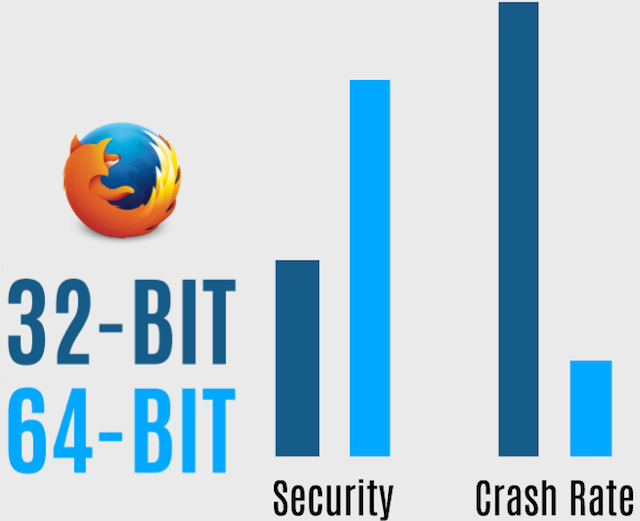
Mozilla finally offering 64-bit Firefox to Windows users by default
Consumer 64-bit processors have been around for a long time now -- AMD began selling the Athlon 64, for instance, way back in 2003. Windows XP Professional x64 Edition was released by Microsoft in 2005. I was an early adopter at the time, buying that first-ever Athlon 64 and later running that aforementioned version of Windows.
I say all of that because I am shocked that in 2017 it is considered news if a company starts offering a 64-bit version of its Windows software by default. Well, folks, that is exactly what is happening today. Mozilla will now serve 64-bit Firefox by default to 64-bit Windows users when downloading from the web. In other words, if the user agent reports a 64-bit version of Windows, the webpage will offer 64-bit Firefox first. Users of 32-bit Windows will, of course, still be served the 32-bit Firefox variant.

Firefox 55 unveils performance improvements and new features aplenty
Mozilla has unveiled one of the biggest updates to Firefox yet with its release of Firefox 55.0 for Windows, Mac and Linux. Firefox for Android 55.0 is also due imminently.
Firefox 55’s many highlights include instant restoration of browsing sessions with a large number of tabs, the ability to reposition the sidebar and a feature for grabbing screenshots of web pages direct from the browser itself.
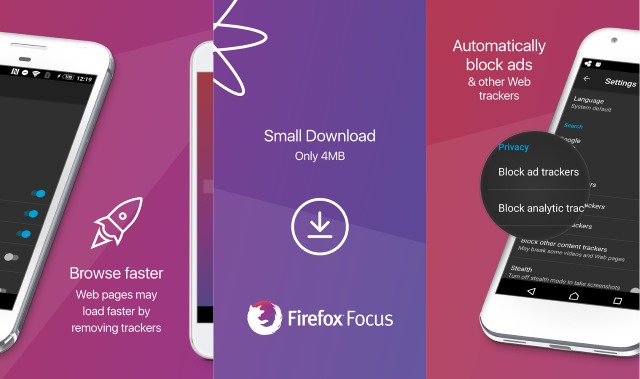
Mozilla launches Firefox Focus, a privacy-focused web browser for Android
Late last year Mozilla launched a private browser for iOS called Firefox Focus. Now the browser arrives on Android bringing the same privacy-focused internet experience to users of Google's mobile operating system.
When Mozilla talks about being privacy-focused, it does not just mean using Private Browsing. Firefox Focus is a completely separate browser which blocks trackers, analytics and ads, and also wipes your browsing history with a single tap. As well as improving privacy, Focus also speeds up web browsing and reduces data usage.
Mozilla's WebExtensions APIs allow for cross-browser extensions in Chrome, Opera, Firefox and Edge
Creating add-ons for multiple web browsers can be a nightmare for developers, but Mozilla wants to simplify things. By introducing WebExtensions APIs it is going to become much easier to make extensions that work in multiple web browsers with only minor changes.
Based on HTML, CSS, and JavaScript, the aim is to further standardize the APIs to make it even easier to share extensions between browsers. Mozilla is now pushing the technology in the hope that it will gain momentum and a growing following.

Mozilla Firefox web browser may no longer be supported on your Linux computer
Firefox is a wonderful open source web browser. As a result, it comes pre-loaded on many Linux-based operating systems, such as Ubuntu and Fedora. Yeah, some people choose to install Chromium or Chrome instead, but Mozilla's offering remains a staple in the Linux community.
Unfortunately, it has been revealed that the Firefox web browser will no longer be compatible with some computers running a Linux-based operating system. You see, Mozilla has dropped support for certain Intel and AMD processors.
Firefox 53 unveils new themes, adds reading time estimate to Reader Mode
Mozilla has released Firefox 53.0 for Windows, Mac and Linux, with Firefox for Android 53.0 due imminently.
Firefox 53 unveils a number of design tweaks, starting with two new -- and built-in -- compact themes, which users can access via about:addons > Appearance. There’s also enhanced graphics stability for Windows users while Mac users can enjoy smaller update files going forward.
Mozilla ditches Aurora release channels for Firefox; new and beta code will hit users faster
Mozilla has announced plans to eliminate one of its release channels for not only Firefox but also Thunderbird and SeaMonkey. Starting today, the Aurora release channel will no longer be updated, and the Developer Edition of the web browser will be based on the Beta build.
The change is part of a drive to streamline the release process, and to make sure that stable new features make their way out to not only developers, but also normal users faster than before. Mozilla says: "Developer Edition users will maintain their Developer Edition themes, tools, and preferences, will keep their existing profile, and should not experience any disruption."
How to download old versions of Firefox
Downloading the latest version of Firefox for your PC is simple. Point your browser at the site, click "Free Download" and you’ll automatically get the latest version that matches your PC.
If you regularly need to download another build, though, life gets more complicated. You have to follow an "other platform" link, maybe select a 32 or 64-bit version, or follow yet another link to work your way through a list of languages.
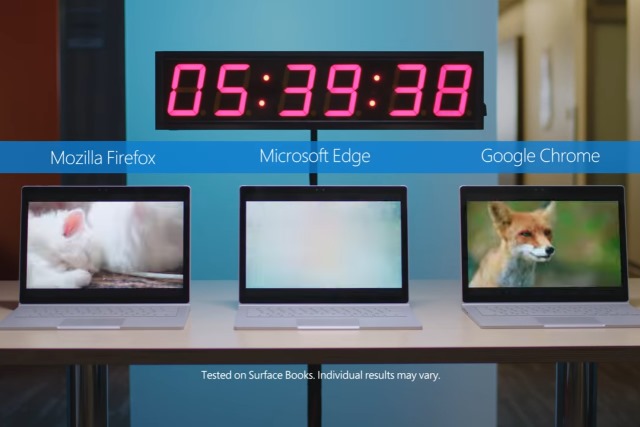
Microsoft shows off Edge's battery usage improvements in Windows 10 Creators Update
The war over which web browser offers the best battery life to laptop users has been waging for some time. Chrome, Firefox and Microsoft Edge have all been battling it out, and with the release of Windows 10 Creators Update, Microsoft thinks it's time to show off the improvements that have been made to its browser.
In Microsoft's own tests -- involving streaming video on a Surface Book -- Edge lasted for over three hours longer than Chrome, and nearly five hours longer than Firefox. These are figures that will almost certainly be disputed in further tests by Mozilla and Google, but for now, Microsoft is giving Edge its moment in the spotlight at the top of the performance pile: 77 percent longer battery life than Mozilla Firefox, and 35 percent longer than Google Chrome.

Firefox for Linux is now Netflix compatible
Relying on a Linux distribution as your full time operating system can be great -- until it isn't. While there are many quality packages and applications that are compatible with the open source kernel, every once in awhile you will run into something that simply isn't available. When this happens, it can be very frustrating.
For a while, Netflix was not available for traditional Linux-based operating systems, meaning users were unable to enjoy the popular streaming service without booting into Windows. This was due to the company's reliance on Microsoft Silverlight. Since then, Netflix adopted HTML5, and it made Google Chrome and Chromium for Linux capable of playing the videos. Unfortunately, Firefox -- the open source browser choice for many Linux users -- was not compatible. Today this changes, however, as Mozilla's offering is now compatible with Netflix!
Firefox 52 lets you send tabs to other synced devices, ups the security ante
Mozilla has released Firefox 52.0 for Windows, Mac and Linux, with Firefox for Android 52.0 due imminently.
Firefox 52 now supports syncing tabs to specific devices, makes various improvements to the Downloads button and introduces a raft of security, developer and other enhancements. It’s also the final release for Windows XP and Vista users.
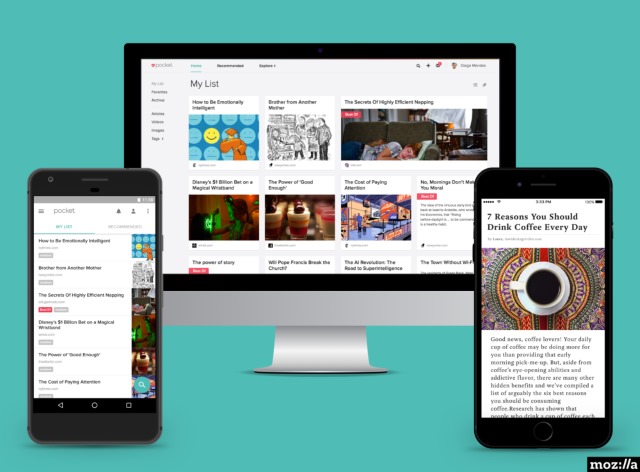
Mozilla acquires Pocket developer Read It Later for undisclosed sum
Mozilla Corporation has loosened its purse strings and splashed an undisclosed sum of money on buying Read It Later, the company behind web service and browser plugin Pocket.
Described as the company's "first strategic acquisition", Mozilla's purchase of Pocket is part of a drive to promote the discoverability and accessibility of online content. Read It Later will clearly benefit from Mozilla's acquisition, and the Firefox producer says that the developer will also help to accelerate its Context Graph initiative.
Firefox 51 delivers a mix of security, performance and reliability tweaks, implements FLAC audio support
Mozilla has released Firefox 51.0 for Windows, Mac and Linux, with Firefox for Android 51.0 due imminently. There are no standout features in this release -- the closest thing to a headline addition is the inclusion of FLAC support.
Elsewhere, Firefox 41 focuses on tweaks and enhancements that add up to a reasonable update. These include improved performance via the new e10s multi-process system, security warnings when logging into insecure sites, and more reliable syncing of bookmarks.

Mozilla rebrands with clever new logo and open source design principles
Mozilla is a very important organization for the open web. While Firefox's share of usage has not been lighting the world on fire lately, Mozilla is much more than just a web browser developer. It often fights for the rights of web users. Since it is a not-for-profit organization, you can be fairly confident that its intentions are pure.
Today, the organization announces a massive rebrand, including a partially crowd-sourced new logo. The logo is quite brilliant, as it is both pretty and sensical -- it incorporates the :// used in web addresses. While the clever logo is the star of the show, it is hardly the only new aspect. Mozilla is using open source design principles as well for things like colors, images, and fonts. In fact, the all new "Zilla" font is free to use by all.
Firefox Focus for iOS promises to tighten privacy while browsing
Mozilla has unveiled Firefox Focus 2.0, a brand new privacy conscious web browser for iPad, iPhone and iPod touch. Despite the version number, this is the first public release of the app.
The app aims to counteract two increasingly prevalent trends in web browsing: one, a lack of privacy, as users find their web activities tracking across multiple devices, and two, an increasingly cluttered web space where adverts jostle for attention and overwhelm basic content.