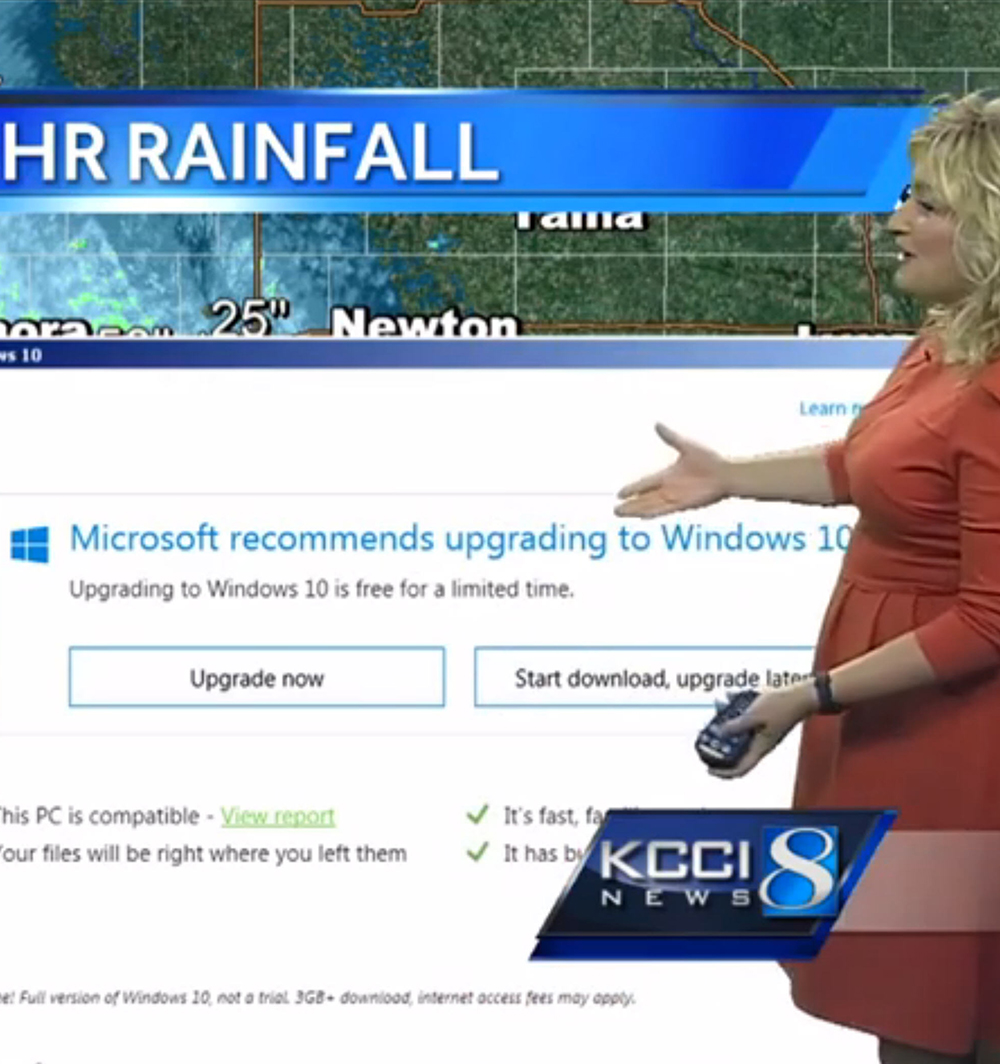
Windows 10 interrupts a live TV broadcast with an unwanted upgrade
Ever since Microsoft made Windows 10 a recommended update there have been numerous reports of the new operating system installing itself without user consent, and without much warning.
Microsoft has always played down this behavior, but an example of how the OS pushes upgrades on unsuspecting users was earlier today shown live on TV during a weather forecast.
Microsoft makes Xamarin SDKs for Android, iOS and Mac open source
Microsoft's embracing of the open source movement grows ever tighter, and today the company announced that its Xamarin SDKs (available for Android, iOS and Mac) will be open sourced. It's not long since Microsoft bought Xamarin, and just weeks later the SDKs are being opened up.
Announced at the Xamarin Evolve 2016 event, the move sees Microsoft trying to encourage mobile developers. The company says it has already made great strides in this area: "we helped nearly 3.5 times more developers get started building great apps with Xamarin than ever in our history as a company".
Google antitrust: Getty Images files complaint against search giant for image scraping and piracy promotion
Google is already embroiled in one antitrust case in Europe where the company stands accused of abusing Android's dominance. Now photo agency Getty Images is accusing Google of promoting piracy and engaging in anticompetitive behavior by 'scraping' images from third party sites.
In a familiar-sounding complaint, Getty Images also says that Google skews search results in favor of its own services -- such as Google Images. The photo agency says that this directly impacts upon rival services, but perhaps the big charge is that a change made to Google Images provided access to copyrighted material and "promoted piracy, resulting in widespread copyright infringement".

Why Microsoft remains 'committed' to Windows 10 Mobile
Windows 10 Mobile does not have much of a future. With two very disappointing quarters for Lumia sales, a market share of around one percent, poor vendor support, and no mention of it at Build 2016, this much is clear. You would expect Microsoft to pull the plug any minute now, but the software giant seems to be doing just the opposite.
In an internal email, Terry Myerson is encouraging "certain partners" to continue to pour their resources into the platform. Microsoft's EVP of Windows and Devices Group says that the company is still "committed" to Windows 10 Mobile, claiming that development of its "next generation products" is well underway. It sounds unbelievable, but that is just what you should expect Microsoft to say.
Windows 10 Insider Preview Build 14332 for PC and Mobile now available in the Fast ring
The past two Windows 10 Insider Preview releases -- Builds 14316 and 14328 -- have been packed with new features and notable changes.
The very latest Fast ring release, Build 14332, marks the start of the Bug Bash, in which Windows Insiders will be set quests to help Microsoft eradicate problems and fix flaws in the OS in preparation for the big Anniversary Update out in July. However, the new build is not only about fixes, there are some new features and improvements too.

This dude won the Microsoft Open Source Challenge, and you didn't
The future of computing is open source -- the writing is on the wall. Major companies like Apple, Microsoft, and Google are embracing this software ideology, and more and more consumers are expecting it.
Of course, for open source to continue its ascent, we will need students to be knowledgeable about it. Microsoft had this in mind when it announced its Open Source Challenge for students, and now we have four official winners. The top champion is a dude named Akond Rahman -- yeah, that is his smiling face to the right -- and he is now $5,000 richer. Better than the money, he has ultimate bragging rights in the open source community. Jealous?

Microsoft's Handoff-like feature makes an appearance in Windows 10 Build 14328
Apple users will be familiar with Handoff. This feature lets you start working on one Apple device -- be it a Mac, iPad or iPhone -- and then pick up where you left off on another, provided the devices are within Bluetooth range of each other.
At Build 2016, Microsoft talked about its plans to introduce a Handoff-style feature to Windows 10, codename Project Rome, and the first glimpse of this has appeared in the latest build for Windows Insiders.

Free Microsoft OneDrive storage will be slashed to just 5GB in July -- here's what you need to know
In November last year, Microsoft announced that it would be cutting back on the amount of free storage offered to OneDrive users, taking the base storage figure from 15GB to 5GB, and discontinuing the 15GB camera roll storage bonus. Office 365 Home, Personal, and University users were also informed that they would no longer get unlimited storage, and some paid tiers were to be removed too.
After an outcry from outraged OneDrive users, Microsoft backtracked and permitted users with 15GB of OneDrive space to keep their base storage quota and camera roll bonus, even after the changes rolled out, but only provided they acted before January 31 2016. If you didn’t take action before then, you’ve probably been wondering exactly when you were going to lose your storage. Well, now we know.
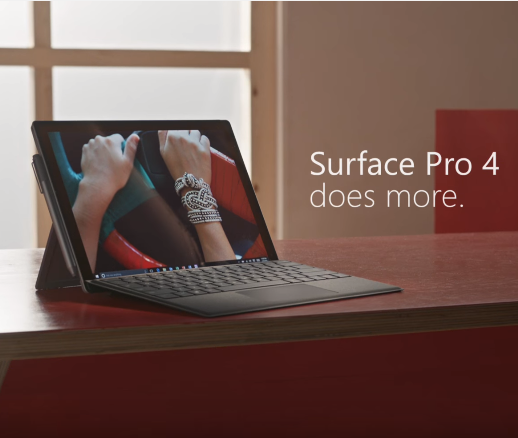
Microsoft showcases Windows 10, Surface Book, and Surface Pro 4 in new videos
Microsoft's Surface line of computers have been rather wonderful, although its latest machines have been plagued with problems. For the most part, issues for both the Surface Book and Surface Pro 4 have been fixed through updates, but like a game of whack-a-mole, more pop up as others are smashed down.
Despite these issues, Microsoft is highlighting the good aspects of its latest Surface devices -- plus Windows 10 -- in a series of new video advertisements. Over on YouTube, you can see all eight videos, as seen below.

New Windows 10 updates causing massive problems for some users
One of the big changes Microsoft introduced in Windows 10 was mandatory updates. It’s easy to see why the software giant believed this was a good idea -- reducing the number of unpatched systems is great news for everyone -- but it does mean when a bad update is released by Microsoft, everyone installs it.
Case in point is two new updates released this month that have created problems for some users.
Windows 10 Anniversary Update is shaping up to be something really special
Windows 10 has been the subject of a lot of criticism since it launched, including quite a lot from me. But at the same time, Microsoft reports that the latest version of its operating system is installed on a staggering quarter of a billion devices. The company must be doing something right. Where Windows 10 succeeds -- particularly for Windows Insiders -- is that it is constantly evolving.
Windows 10 Insider Preview Build 14328 is the latest build out of the door and it shows great signs of improvement. It might be a little early to call it, but if this massive update is anything to go by, the summer release of Windows 10 Anniversary Edition (or Windows 10 Anniversary Update) could be the real turning point for Windows 10 when it manages to win over the doubters and jump to justified -- rather than forced -- dominance. Build 14328 is a big update, and there's a lot to love.
Microsoft reveals all about Windows 10's Linux subsystem
The arrival of Bash in Windows 10 took many people by surprise, but it opens up a number of opportunities including the ability to run GUI Linux apps. But it's about much more than just that. Microsoft wants people who are confused about the arrival of (deep breath...) Bash on Ubuntu on Windows to know of the potential, and has produced an explainer about the Windows Subsystem for Linux.
Microsoft's Deepu Thomas says that the subsystem was created by the Microsoft Windows Kernel team, and goes on to explain that this is much more than an interpretation layer or virtual machine. In fact, the Windows Subsystem for Linux was born from work carried out years ago for the NT kernel that was meant to bring POSIX and OS/2 support.
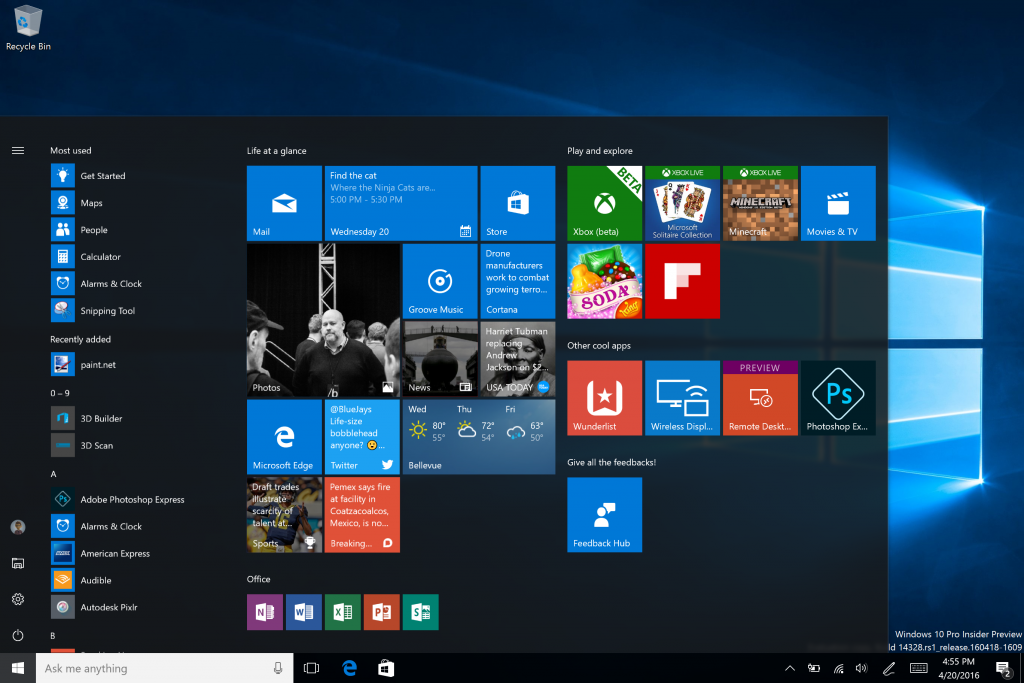
Windows 10 Insider Preview Build 14328 introduces an improved Start menu, and loads of exciting new features
It’s been a couple of weeks since Windows Insiders on the Fast ring got a new build of Windows 10 for PC. A PCI bug prevented a promising build from being released sooner, but the problem has been fixed, and so today Build 14328 arrives for both PC and Mobile.
The past few Windows 10 Fast ring releases have debuted some great new features, and Build 14328 is no different, introducing, among other features, Windows Ink, a wealth of Cortana improvements, and a new Start experience.
Weak Lumia sales prove Microsoft should put an end to Windows 10 Mobile
It is hard to take Windows 10 Mobile seriously when Microsoft announces sales of just 2.3 million Lumias in a whole quarter. If you ever thought that the platform can actually be competitive in today's market, now is the time to wake up. This year, smartphones sales are expected to reach 1.5 billion units. If Microsoft manages to move 10 million Lumias in 2016, Windows 10 Mobile's market share would likely be around the one percent mark.
Microsoft is not the only Windows Phone/Windows 10 Mobile vendor, but it is the largest by far. It sells about 90 percent of the smartphones running the tiled operating system, so its performance has a major impact on the platform's popularity.
Even Microsoft's biggest fan doesn't want Windows 10 Mobile
Windows Phone has been dead for some time now. I knew it. The world knew it. Dogs knew it. The only people that were seemingly unaware were those that pledged allegiance to Microsoft. You know who they are -- those men and women that some call "fanboys".
Even the journalism community has them. Folks like Paul Thurrott and Mary Jo Foley are unapologetic fans of Microsoft. While Thurrott has long since abandoned the horrific Windows Phone platform, Foley has been one of the few holdouts. Today, she announces that she -- Microsoft's biggest fan -- is choosing the Linux-based Android instead. If this doesn't signal the death of Windows Phone/Windows 10 Mobile, I don't know what does.