
US tech giants and the (untaxed) billions in offshore accounts
A recently released report by advocacy group Citizens for Tax Justice has revealed the staggering amount of money being held in offshore accounts by US technology firms.
Offshore Shell Games 2015 discloses that almost 72 percent of businesses listed on the Fortune 500 operated tax haven subsidiaries as of the end of last year.
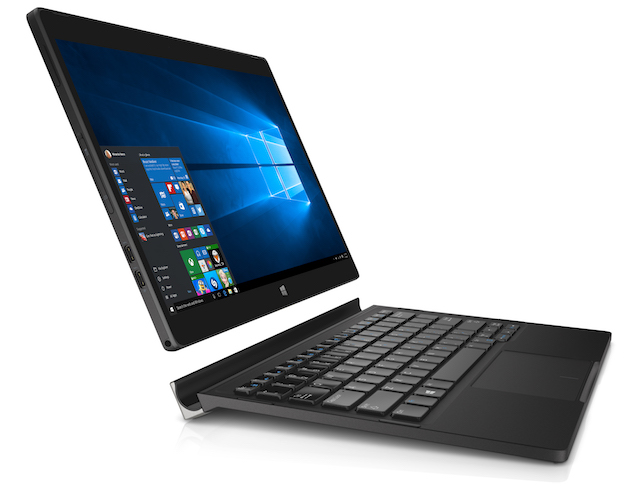
Dell unveils Surface Pro 4-like XPS 12, new premium ultrabooks
Hybrid devices have started to gain traction in 2015, with IDC estimating that shipments will grow by 86.5 percent year-over-year to reach 14.7 million units. That is in no small part due to increased competition in this space, and it will only heat up thanks to Microsoft's new Surface Pro 4, which goes on sale in late-October. Vendors in the high-end segment will have to step up their game.
With the new XPS 12, Dell has come up with a hybrid device which may successfully compete with devices like Surface Pro 4. With a price-tag that starts at $999, however, it better be good.

The Wall Street Journal and why 'rebooting Microsoft Office' is not an option
Call it the "curse of runaway success". Over the past 20+ years, Microsoft's Office suite has grown from a laughable also-ran in a market dominated by Lotus 123 and WordPerfect to become the dominant productivity platform for both personal and professional computing. Along the way, it has picked up a plethora of sophisticated features and obscure developer plumbing that makes it one of the most complex code bases ever deployed on a PC -- second, perhaps, only to the Microsoft Windows operating system upon which it runs.
No question, the Office of today is an incredibly intricate bit of software. So when casual users, like the Wall Street Journal’s Geoffrey A. Fowler, call on Microsoft to "reboot office" -- ostensibly to make it easier to use in a particular workflow context (e.g. collaboration) -- they demonstrate a fundamental misunderstanding of just what Office is and how difficult it would be to make any wholesale changes to the product.
Malware targeting Microsoft Outlook Web App is after your password
A newly discovered malware targets Microsoft’s Outlook Web App, the company’s web-based email client. The news was unveiled by security firm Cybereason, which said the advanced persistent threat (APT) can enable patient attackers to steal an organization’s email passwords over time.
By using this approach, the hackers managed to collect and retain ownership over a large set of credentials, allowing them to maintain persistent control over the organization’s environment, Cybereason says.
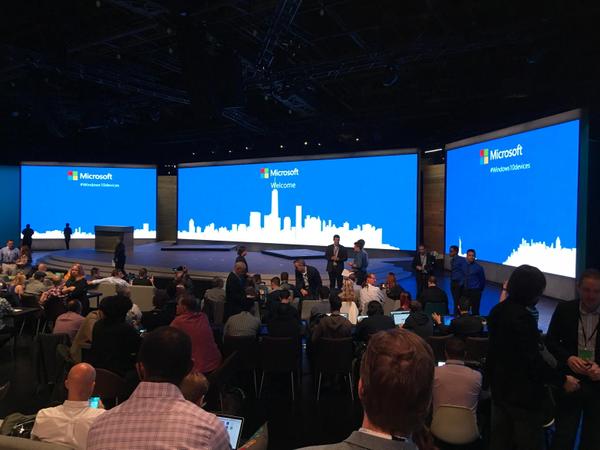
Everything you need to know about Microsoft's Windows 10 hardware event
Microsoft's Windows 10 hardware event has been an impressive tour de force, as we have seen the company reveal a significant number of exciting new products. The focus has been on Surface and Lumia devices, but we have also seen Band and HoloLens pushed into the spotlight. And we cannot forget about the news surrounding Windows 10.
Since it can be hard to keep track of everything that Microsoft has talked about, we have crammed everything you need to know about its Windows 10 hardware event into a single article.
Windows 10 sees people ditching IE -- but Chrome wins out, not Edge
Launching a new web browser was always going to be a risk. Microsoft used Windows 10 as a launch pad for Edge, shedding the shackles of Internet Explorer in a bid to take on the likes of Chrome and Firefox.
Sadly for Microsoft, new figures show that Edge is failing to make inroads into Google's and Mozilla's market shares. Analysis performed by Quantcast shows that in the US just 12 percent of Windows 10 users are using Edge, while Chrome is sitting pretty with a greater than 70 percent share.
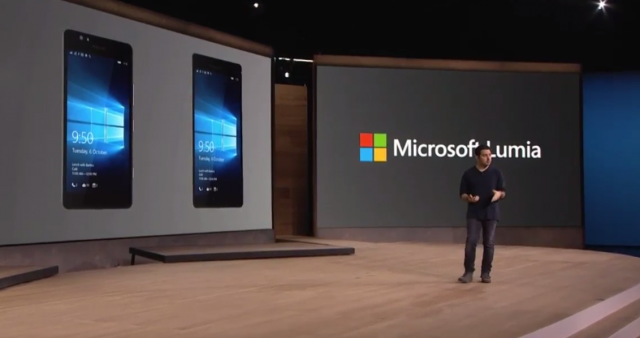
Windows 10 Mobile to launch in December
The next phase of the Windows 10 rollout will happen in December. We already know that the latest version of Microsoft's operating system is installed on millions of desktops and laptops, but the mobile version has been dragging its heels.
With the announcement of the Lumia 950 and Lumia 950 XL which have Windows 10 Mobile pre-installed, owners of other devices have been left wondering when the upgrade will make it to their handset. Originally slated for a November launch, Microsoft has revealed on Facebook that the rollout will start in December.
Microsoft's Windows 10 hardware event disappoints
"Where’s the beef?" That iconic phrase from the annals of advertising yore is just one of the thoughts that come to mind after viewing the recent Windows 10 "Hardware Event" in New York. Microsoft had an opportunity to really "wow" the industry with something new and innovative. Instead, it served up a re-hash of technologies and trends that have been old news for months now:
Surface Pro 4 -- Evolutionary rather than revolutionary, which is a good thing if you’re hawking BMWs and want to keep last year’s customers from feeling cheated, but not so great if you’re trying to showcase true innovation. Performance bump? Modest. Weight reduction? Negligible. Fanless? Only on the lowest-end model, and even then you save very little on weight.
The Surface Book hinge is not a good look
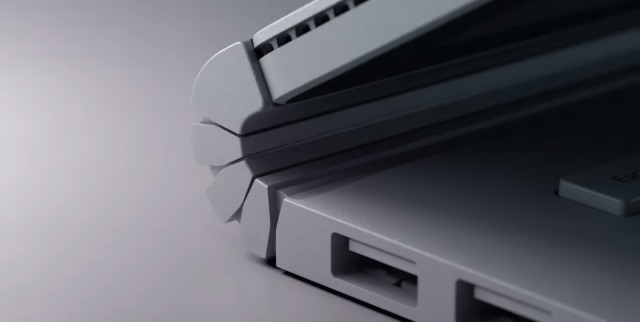
The newly-announced Surface Book feels like it's something I should love. I'm a big Surface Pro fan and I still use my first gen Pro as my daily driver. But there's just something about the Surface Book that grates. The price is not in any way attractive, but there's something else that's rather ugly: the hinge.
The Surface Book's hinge is something that Microsoft seems quite pleased with. Proud of, even. Microsoft calls it a 'dynamic fulcrum hinge', but it looks like a cross between a caterpillar track and a rubberized bendy drinking straw. For what is described as a 'meticulously crafted' device and 'the ultimate laptop', it's not a good look -- and it could be a serious problem.
Microsoft's insane Surface Book price means it will be left on the shelf
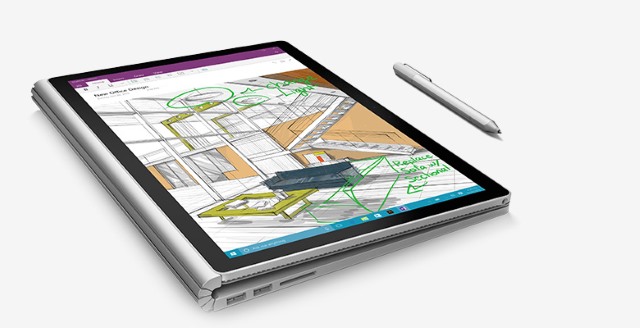
At today's event in New York, Microsoft put on an impressive show. We were -- ironically -- expecting some surprises, and the announcement of the Surface Book meant we weren't disappointed; this is, after all, "the ultimate laptop". The looks are striking. The specs are impressive. The price tag is... eye-watering.
In a way, we should have expected some expensive hardware to be revealed today. With its Surface Pro range, Microsoft showed that it is not afraid to push up the price, but the Surface Book takes things a step further. $1,499 is the starting price. Make a few tweaks to the specs and you could find yourself relieved of a buttock-clenching $2,699. Is there any way to justify this price?
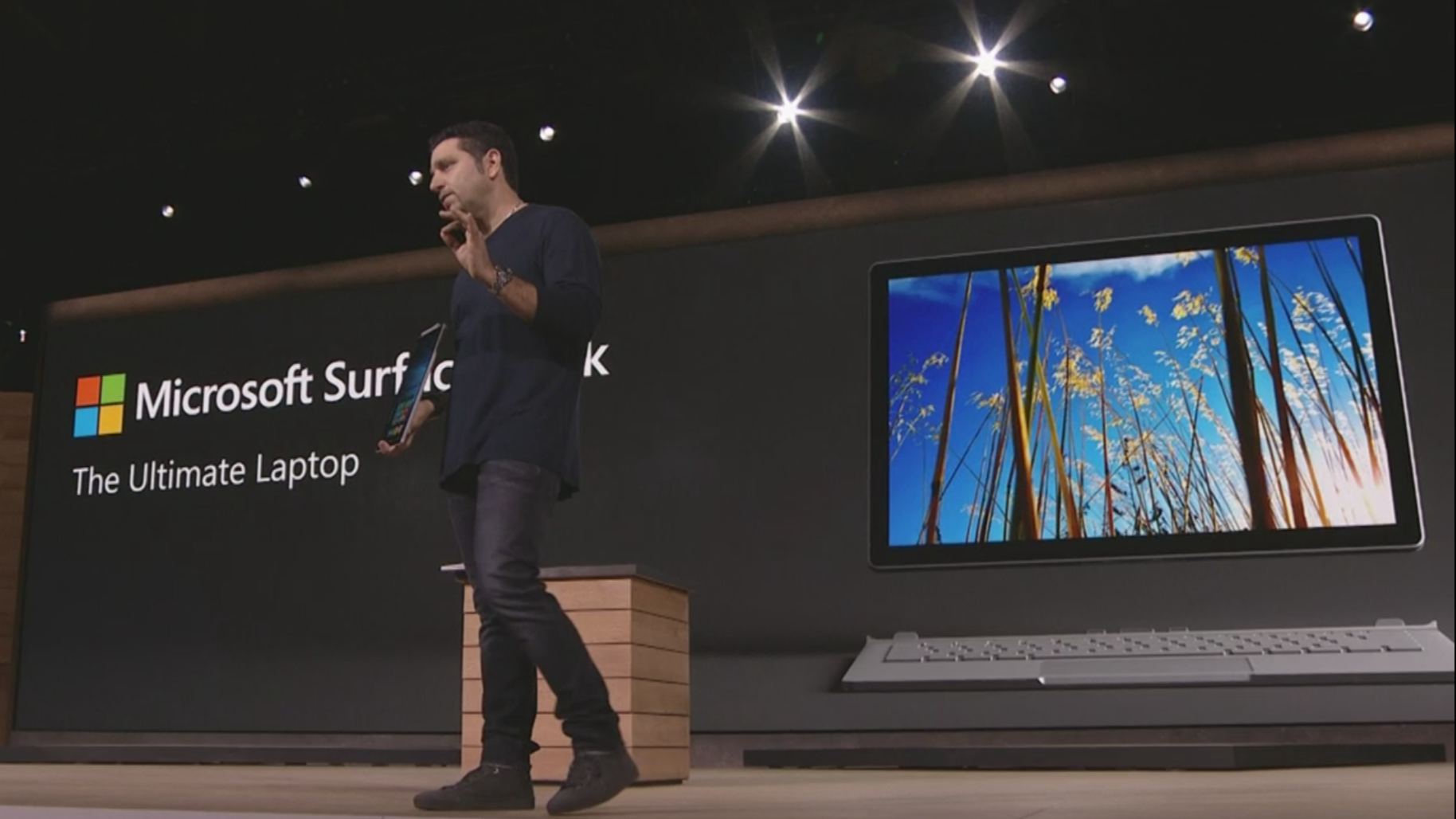
Microsoft is back!
That grinding against wood and dirt you hear is the sound of Steve Jobs rolling over in his grave. Microsoft is back! And badass! Today's Surface event in New York City outclasses Apple by every measure that matters: Aspiration, innovation, presentation, and promotional marketing. Microsoft proves that it can build end-to-end solutions—hardware, software, and services—as good as, and better than, the company cofounded by Jobs. Even more importantly: Present the new wares well. Today's event was exceptional.
But there is a shadow looming in the brightness that will matter to some Microsoft customers and not to others: Cost. Surface Book, for all its seeming greatness, is a budget-busting laptop for the majority of potential buyers. The low-cost config, at $1,499, comes with 6th-gen Intel Core i5 processor, 8GB RAM, and 128GB storage. To get the discreet graphics demoed today, with i7 chip, 8GB memory, and 256 SSD, you will spend $2,099. Doubling RAM and storage raises the price to $2,699.
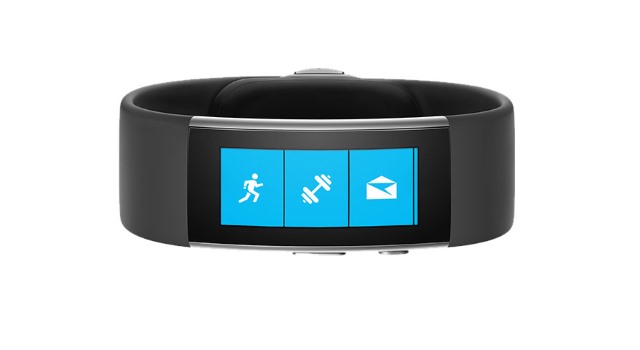
The new Microsoft Band is (much) better-looking and has two-day battery life
Microsoft appears to have learned from its mistakes. Its first wearable, the Microsoft Band was a cheap and cheerful affair -- although there wasn’t really all that much to be cheerful about in all honesty. Today the company unveiled the second edition of the Band, and the look is in line with the leaked images from a couple of weeks ago.
With the latest version of the Band, Microsoft has gone back to the drawing board and come up with a design that is sleek and stylish, and features a curved screen. The health and fitness tracker is nicely rounded, and the curved display is strengthened with Gorilla Glass 3. There are now no fewer than 11 built in sensors, including a new barometer for measuring altitude.
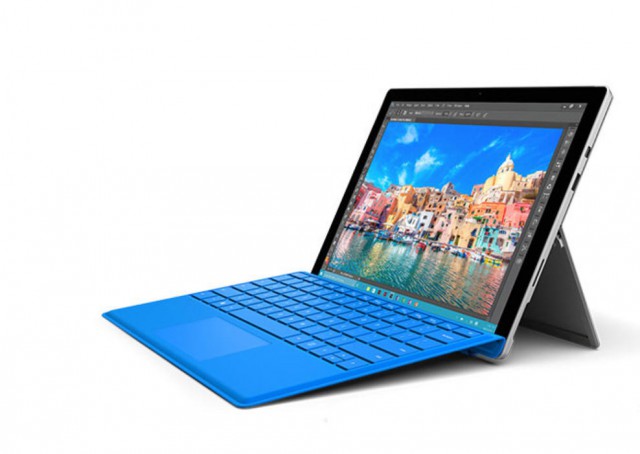
Microsoft unveils Surface Pro 4, but will you want it?
Today, at Microsoft's New York City event, the software giant announced the Surface Pro 4. It features Skylake processors, a slightly larger screen, plus options for 16GB of RAM and 1TB of storage. It’s a great follow up to Surface Pro 3, and offers everything you could possibly want, including Windows 10 Pro, naturally.
The new device is just 8.4 mm thin, and features an impressive looking 12.3-inch PixelSense display. It’s powered by 6th Generation Intel Core m, Core i5, and Core i7 processors. There’s better battery life and more powerful graphics processing. It should finally be able to output 4K at 60 Hz. But… don’t get too excited. There’s one very, very good reason why you probably won’t want to buy it.
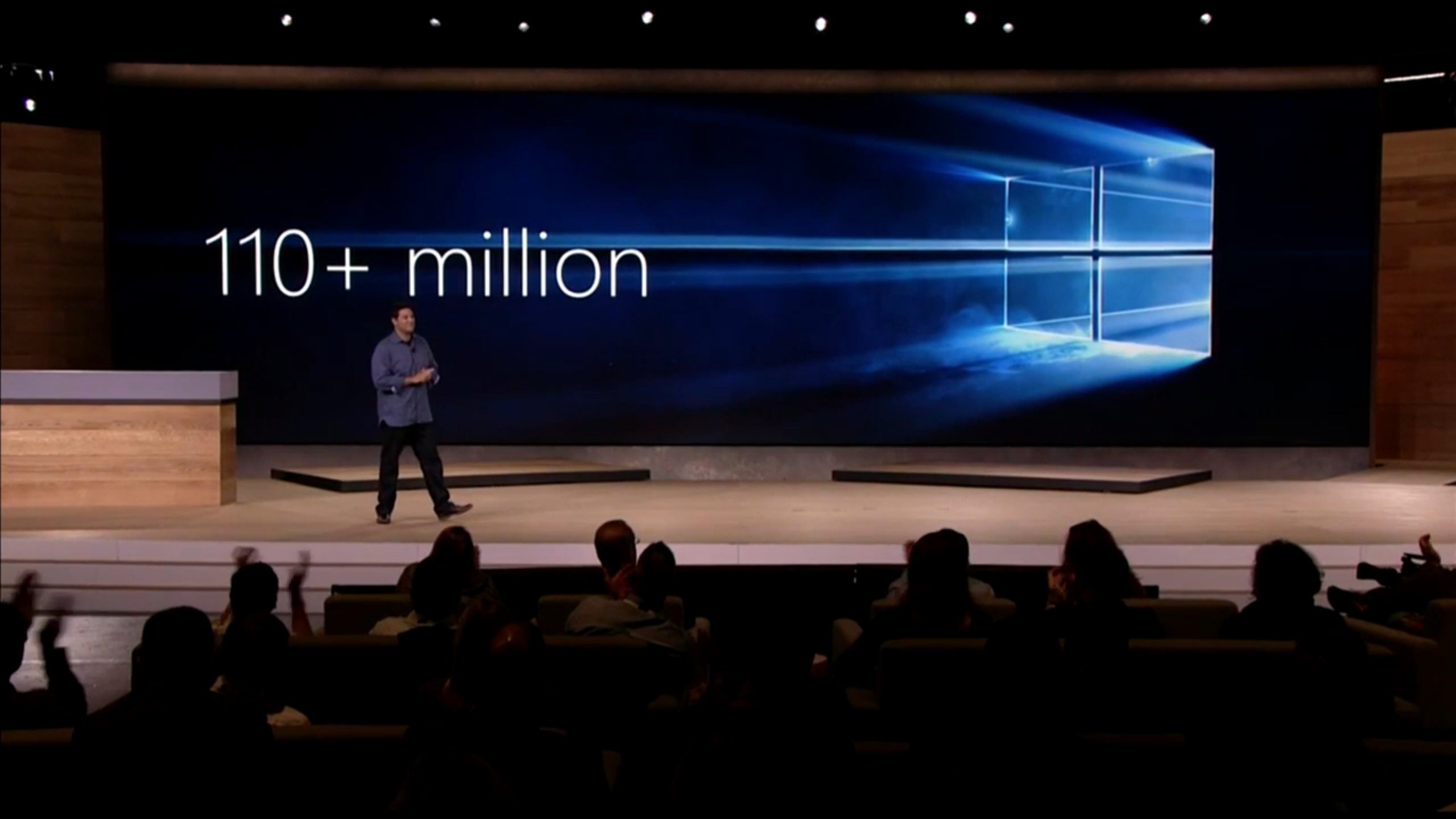
Windows 10 now on 110 million devices
Microsoft has been releasing regular updates concerning Windows 10 adoption. At the end of August, Yusuf Mehdi, Corporate Vice President of Marketing for Windows and Devices, shared the news on Twitter that Windows 10 was on 75 million devices. At the end of last month, Microsoft By The Numbers said that number had increased to over 100 million.
Today, at its new Microsoft devices event in New York City, Terry Myerson, Microsoft's EVP of Windows and Devices Group, provided the newest update, announcing that the new OS is now on over 110 million devices.
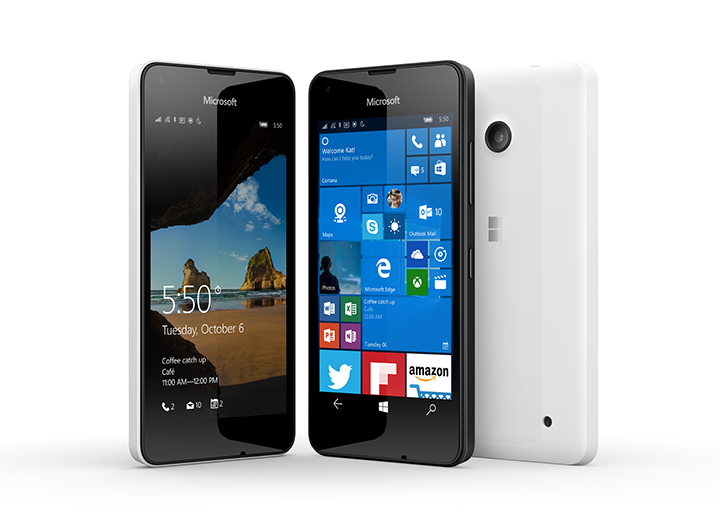
Microsoft reveals new Windows 10 Mobile flagships: Lumia 950 and Lumia 950 XL
Microsoft's new Windows 10 Mobile flagships are not the best-kept secrets in the world, as the software giant itself has accidentally revealed the official presentation photos and some of the more-important specifications on its UK online store before the big launch. Today we get to see the big picture, however, as Microsoft officially announces Lumia 950 and Lumia 950 XL.
Lumia 950 is Microsoft's answer to popular flagships like Apple iPhone 6s and Samsung Galaxy S6, while Lumia 950 XL serves as the company's flagship phablet, taking the fight to Apple's iPhone 6s Plus, LG's G4 and Samsung's Galaxy S6 edge Plus and Galaxy Note 5, just to name a few of the most-important players in this segment. Here is what you need to know about the new Windows 10 Mobile ambassadors.