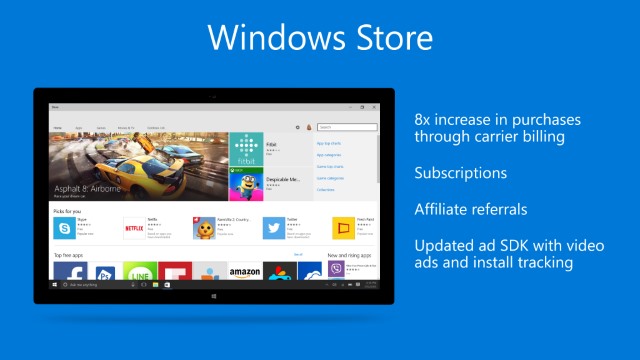
Project Westminster is Microsoft's attempt to boost Windows 10 app numbers
What do you do if you need to encourage developers to produce more apps for your platform? Make it much, much simpler of course. This is the problem Microsoft has faced for some time now, and in a bid to address the issue it hopes Project Westminster is the answer. With the launch of Windows 10 looming, there's never been a better time to be seen addressing the so-called app-gap.
We learned a little about Project Westminster at Build 2015 earlier in the year -- it basically makes it easy to convert existing web apps into Universal Windows Apps that can run on phones, tablets, and computers. Microsoft is also pushing other projects -- Astoria, Islandwood, and Centennial -- for converting Android and iOS apps, as well as traditional Windows applications into universal apps. Is it enough?
Microsoft to shed over 7,000 jobs in revamp of phone business
Just over a week on from Microsoft's announcement that it was getting out of the display advertising business with the loss of 1,200 jobs, the company's CEO is wielding his ax again.
This time up to 7,800 jobs are set to go in the company's phone hardware business as it says that the future prospects for the segment are, "...below original expectations".

Wi-Fi Sense in Windows 10 could result in privacy and security problems
Windows 10 is about to arrive and with it comes a host of new features, like Cortana. There's also Wi-Fi Sense which is designed to allow a Windows Phone to connect automatically to any open network it knows about, and even accept the terms of use automatically. It's a nod towards convenience, and that's something Microsoft needs in its Windows 8x replacement.
Security firm AVG, makers of very good anti-virus software, both free and paid, see the inherent problems with this, and there are several.

Blame confused consumers for Xbox Music rebranding
Microsoft recently rebranded its music service from Xbox Music to Groove Music, and the reason is pretty simple: consumer confusion.
In a tweet earlier this week, Microsoft’s corporate VP for operating systems Joe Belfiore said "Lots of people were saying 'I don’t have an Xbox, why would I use Xbox Music?'".
Windows 10 Mobile Insider Preview Build 10149 hits Slow Ring
Builds of the desktop version of Windows 10 have been released at an accelerated pace in recent weeks, but Windows 10 Mobile users have had far fewer updates to install. A couple of weeks ago, build 10149 was made available to Insiders on the Fast Ring and today it makes its way to the Slow Ring.
Build 10149 has been deemed stable enough to make its way to a larger audience. New features to look forward to include Microsoft Edge, Cortana improvements, updated apps, and plenty of bug fixes.
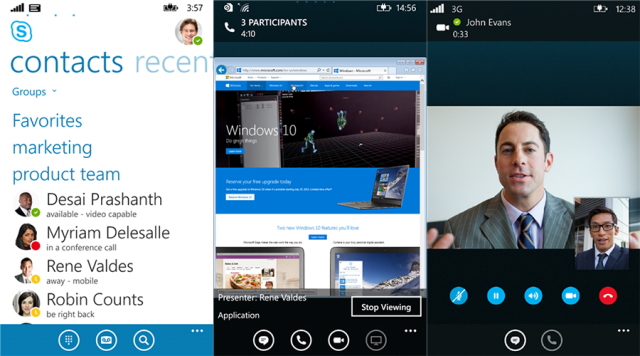
Skype for Business debuts on Windows Phone
Skype for Business is Microsoft's new enterprise communication tool, serving as a replacement for Lync in the software giant's business-oriented lineup. It was officially released in April, with new features and improvements coming from its predecessor, but is only now available on Windows Phone.
Windows Phone is actually the first major mobile platform which offers a Skype for Business app, with Android and iOS still having the old Lync 2013 client in their respective app stores. The transition from Lync 2013 to Skype for Business, on Windows Phone, is accompanied by new features.
Bing Maps gets major redesign, available now in preview
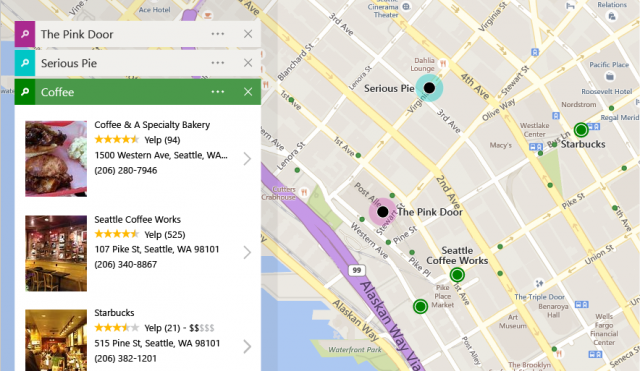
Whenever I use Bing Maps I get the sense that Microsoft has long conceded that its service will never be as popular as Google Maps. Otherwise it would look more visually appealing -- not as if it is a low-priority product -- and frequently gain new, powerful features. With Windows 10 on the horizon -- and Bing a key part of the experience -- not having Bing Maps ready for an influx of new users feels like a missed opportunity.
However, Microsoft is actively working on a major redesign for Bing Maps, which might put it back on consumers' radar. "Users want a map experience that is fast and easy to use, and makes the most of the visually rich data that maps can bring to life", says the team behind the service. And with lots of changes, it certainly looks promising.
Object Theory to create mixed reality apps for Microsoft HoloLens ecosystem
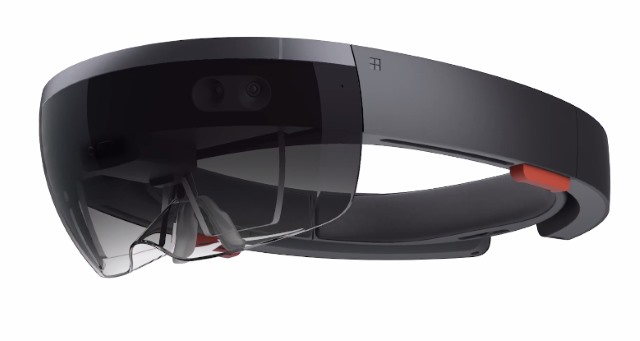
Microsoft's take on virtual reality, HoloLens, caused waves of excitement when it was announced a few months ago. Today, a new company founded by a former member of the Microsoft HoloLens Studios team launches to start feeding the ecosystem with a range of apps it is describing not as virtual reality, or even augmented reality, but mixed reality.
Michael Hoffman's Object Theory has been set up with the aim of helping other organizations to build apps that take advantage of what HoloLens can offer. We've already seen how HoloLens can run Windows apps in 3D, and a recent demonstration of Minecraft at E3 thrilled gamers. Object Theory wants to ensure that there is a range of impressive apps on launch day.
Windows 10 Insider Preview Build 10162 arrives on the Slow ring
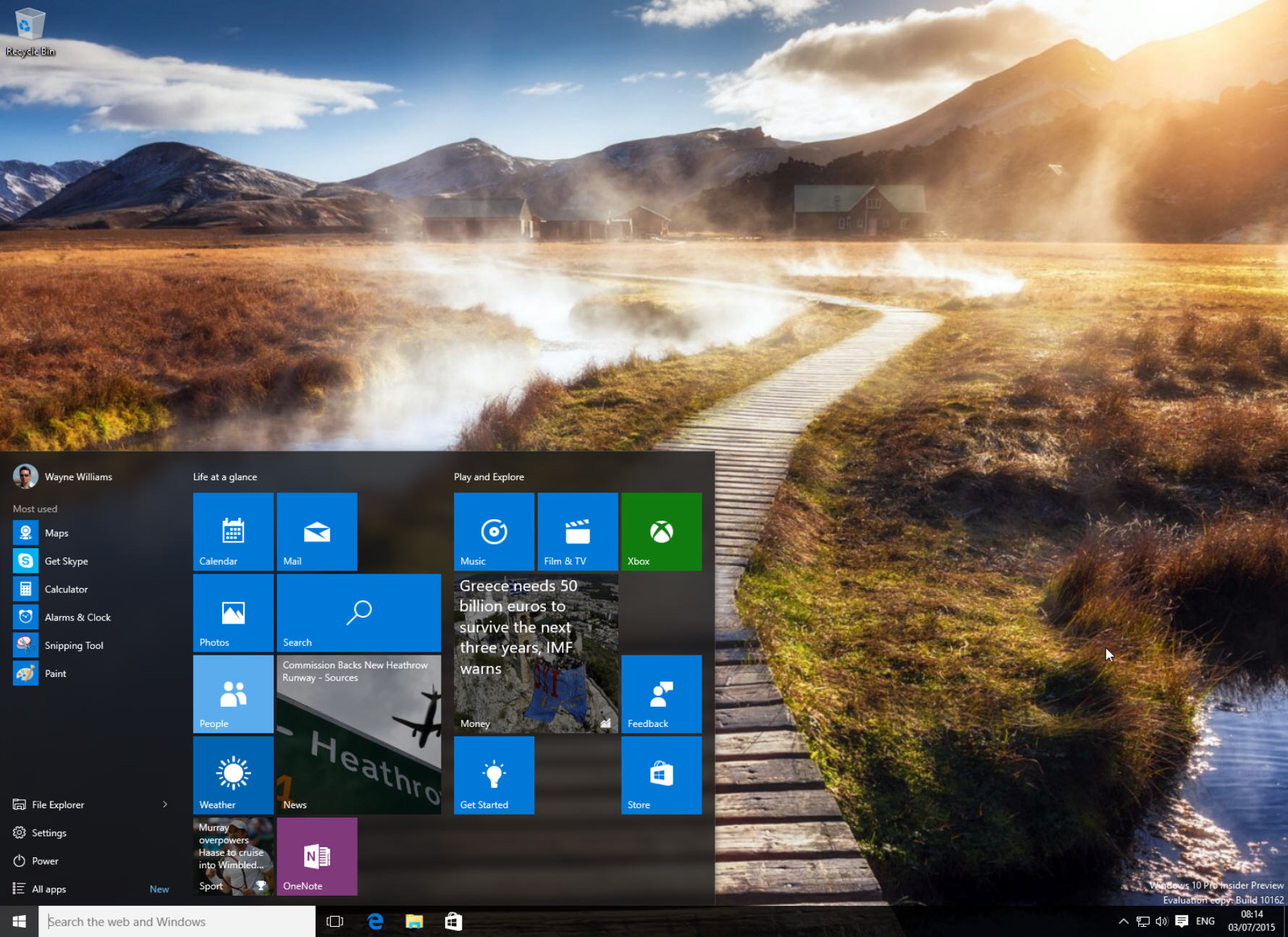
Windows 10 Build 10162 was released to Fast ring Insiders five days ago, the third new build to appear in a week. A day later, and Microsoft released ISOs of it, so anyone could install the new version, although there was still no official release to Slow ring Insiders.
Thankfully, Microsoft has deemed the latest build to be stable enough for all, and finally pushed out the update to those Insiders who prefer to receive stable builds.
Microsoft gets its Groove back -- rebrands Xbox Music
As one of the few (at least it feels that way) people who subscribes to Xbox Music, I have a real love/hate relationship with the service. On Windows 8.1 and 10, it is absolutely glorious. Finding music is easy and it integrates very well with the operating system. On iOS and Android? Not so much. On Google's operating system in particular, the songs skip, making a satisfying listening experience impossible. There is no iPad-optimized version at all. Sigh.
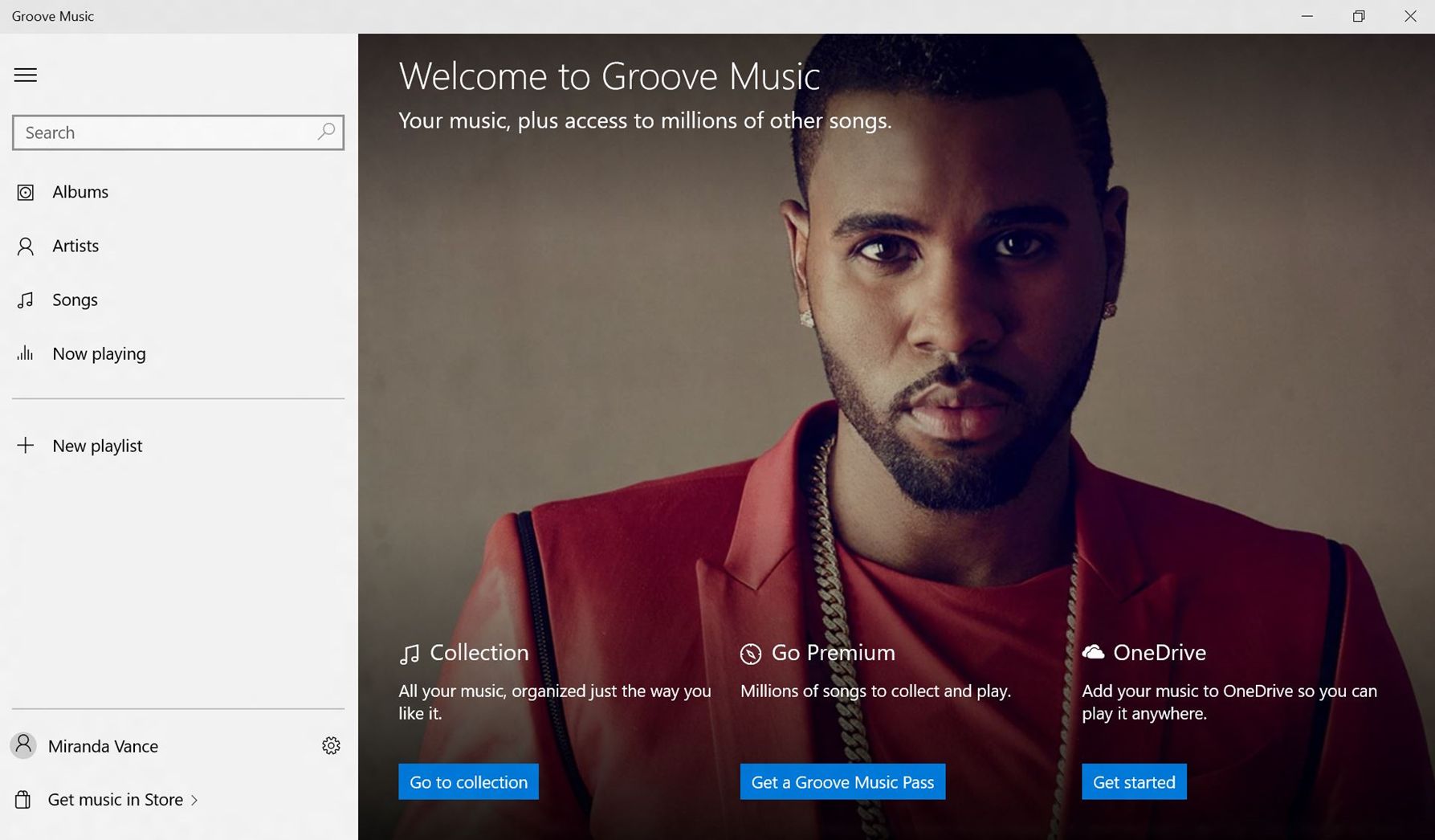
Today, Microsoft is rebranding Xbox Music to Groove (not to be confused with Microsoft Office Groove). While I find the name to be an improvement, many Xbox fans will likely dislike the new name. Hell, I don't care what it is called, as long as it works well. One thing is for sure, a new name will not solve the usability woes. However, I am hopeful that a new brand means a renewed interest in developing the service for the better.
Report suggests Samsung is more reputable than Google, Microsoft and Apple
A company's reputation can make or break it. No matter how good the product, a poor perception of the brand can negatively impact it. Sony, for example, is still recovering from its numerous blunders, such as installing rootkits on Windows machines and having its PlayStation network hacked. The company was not particularly open about both situations at first, leading many people -- myself included -- to be hesitant to trust it.
Samsung, however, seems to be the darling of the tech sector lately. Its smartphones and tablets are wildly popular, despite pundits constantly looking for it to fail. Guess what? According to a new study, the company is more reputable than Google, Microsoft and Apple. The study looked at "social responsibility, innovation, product and services excellence, and creating a great workplace environment".
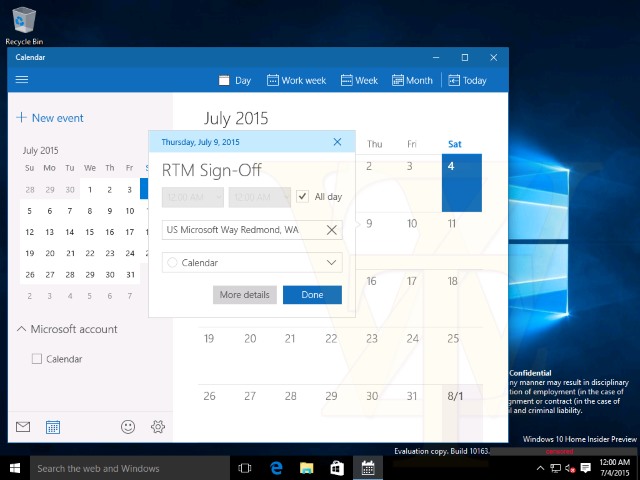
First Windows 10 RTM candidate is build 10176
With just over three weeks until the launch of Windows 10, preview builds are still popping out left, right, and center -- some more official than others. Microsoft is beavering away on the final build which will start to roll out on 29 July, and it seems that the RTM version could be signed off as early as this week.
Build tracking site BuildFeed shows that Windows 10 Build 10176 from the th1 branch (a reference to threshold, Windows 10's codename) is now being tested as a release candidate. With a full build string of 10.0.10176.16384.th1.150705-0552, the appearance of this version ties in neatly with a rumor that RTM might be reached this week -- perhaps as early as Thursday.
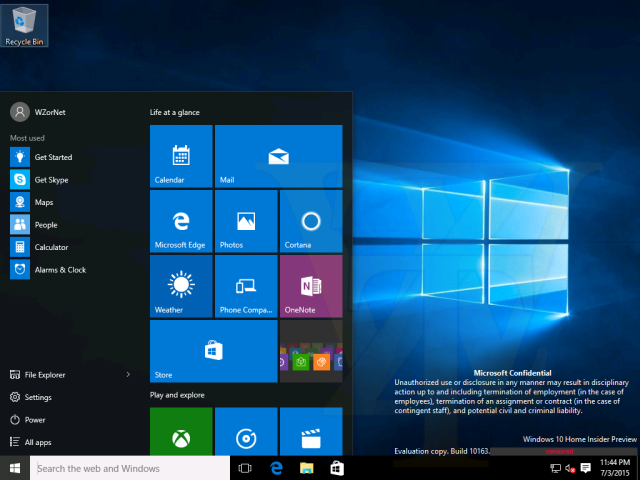
Windows 10 build 10163 screenshots leak online
With Windows 10 set to debut at the end of the month, Microsoft is busy making the final tweaks to its new operating system before it gets into consumers' hands. Just last week Insiders received three new builds, seemingly close to the finished product. Behind closed doors, Microsoft is actively working on fine-tuning the experience further.
We got word of Windows 10 build 10163 late last week, when its release notes leaked online. There are lots of bug fixes and known issues listed, as one might expect from a non-final release, and no new major features. And now we have some leaked screenshots to go along with the release notes.
Having problems activating Windows 10? You're not alone
Microsoft has been busy over the last seven days, pumping out no fewer than three new builds of Windows 10 to Insiders. Hot on the heels of build 10158 came build 10159, followed swiftly by build 10162.
As these are previews, problems are to be expected, and some users are having trouble activating their copies of the operating system. Despite the fact Microsoft is giving away Windows 10 free of charge, activation is still required and it seems the company has a few kinks to iron out before launch day on July 29. So what's the deal?

Microsoft announces Minecraft: Windows 10 Edition Beta
When Microsoft bought Minecraft-maker Mojang for a boatload of money, many people -- myself included -- were perplexed by the move. Don't get me wrong, it is a wildly popular game which has much value, but it didn't seem to fit with the company's goals. HoloLens, however, made the world collectively understand the Minecraft purchase and vision.
Today, on this United States Independence Day, Microsoft makes a huge announcement regarding the blocky game. Timed to coincide with the July 29th new operating system launch, comes Minecraft: Windows 10 Edition Beta. Holy macaroni, the 29th will be like Christmas in July!