
Microsoft's Twitter account hacked
Jerry Lee Lewis famously sang "there's a whole lotta shakin goin on". Lately, it feels like there is a whole lot of hacking going on. While the world is still reeling from the Target hack, it seems that Microsoft and Twitter have unwillingly joined the retailer as victims.
Today, one of Microsoft's Twitter accounts, @MSFTnews was infiltrated by The Syrian Electronic Army -- a group that claims to be supporters of Syrian president Bashar al-Assad. But who is at fault, Microsoft or Twitter?

Google fixes a thousand bugs in FFmpeg
Google is a technology juggernaut. Barely a day goes by without the company making some sort of news. After all, it has its fingers in so many things -- search, ads, software. Most recently, the company drew the ire of the technology community by integrating Google+ with Gmail.
However, not all news from the search giant is Google+ sadness. Today, the company announces that it has been working to improve FFmpeg -- a cross-platform multimedia library and program solution. In fact, Google has fixed a massive one thousand bugs.

Target hack actually affects 70 million -- phone numbers, email addresses and more stolen
When I bought my iPad Air at Target on December 13, 2013, it was supposed to be a happy moment. People that know me, know that I am extremely frugal. The old adage is that a fool and his money are easily parted. Well, I am certainly no fool in this regard. With that said, Target had a really good deal on the tablet and and I uncharacteristically decided to treat myself for Christmas. I took my new Apple device home and I was in heaven -- until I heard about the Target breach.
Truth be told, I wasn't too worried, as I paid for it with a credit card and not a debit card. In other words, my money was safe as long as I paid attention to my credit card bill for any oddities. While Target initially said 40 million people were affected, and that is a lot, I accepted it as something that happens and didn't hold any grudges with the retailer. The hack was acknowledged on December 19th and I have shopped there since. However, my forgiveness and understanding may be short lived. Today, Target announces that it wasn't 40 million customers affected -- it was 70 million! Not only that, but more types of information was stolen than originally reported.
Snapchat finally says 'sorry' -- do you accept the apology?
Sharing things about yourself, whether information or photos, is a very personal thing. However, to share those things with an internet entity is not only personal, but potentially scary too. After all, you typically have to put trust into a faceless company. When you build a trust-relationship with a firm like Google, Facebook or Snapchat, you take a leap of faith -- hoping that not only are they are honest, but competent too. After all, a company with honest intentions, but lacking security is just as dangerous as a dishonest one.
Snapchat is particularly worrying because not only is it a relatively new service, but it is designed to keep images private. Once privacy is circumvented and users lose trust, it can be devastating. While the service can be used for clean things, let's be honest here -- many use it to share pictures of their weewees and hoohas. Nobody wants their body parts or usernames to be traced back to them. Sadly, that is exactly what happened, as a bug in the "Find Friends" feature allowed hackers to tie usernames to phone numbers. While Snapchat acknowledged the bug, it didn't apologize -- until now.
WWE to launch 24/7 streaming network -- available for iOS, Android, Roku and more
When I was a young boy in the 80s, wrestling was all the rage, thanks to wrestlers like Hulk Hogan, Macho Man Randy Savage and Captain Lou Albano. There were action figures and countless other merchandise. Yes, wrestling outcomes are prearranged, so some people call it fake, but to children that really doesn't matter.
Sadly, one of my first lessons in wealth inequality was because of WWE wrestling (then WWF) and Pay-Per-View. When the big events would be shown on pay-TV, some kids in school could afford to watch it, while others couldn't; I was the latter. The wealthy children would taunt us the next day by recalling the dazzling moments that they witnessed. Today, that is about to change, as the WWE announces a 24/7 streaming network for a paltry $9.99 per month.

CentOS joins the Red Hat family -- Fedora gets a step-brother
Red Hat Enterprise Linux is a wonderful operating system for commercial users. However, there is one major downside to it -- it costs money. Luckily, Red Hat provides the source code to the open-source community. This enables groups to use the code to build their own free distributions, such as CentOS. While these distributions are just as functional as RHEL, they lack support from Red Hat.
Even though the existence of CentOS can potentially take money from Red Hat's pockets, there never seemed to be any resentment or animosity. In fact, just yesterday, Red Hat surprised the Linux community and announced that it will sponsor that distribution going forward. In other words, CentOS is now owned by Red Hat Inc -- the father has officially adopted its illegitimate baby and Fedora has a new step-brother.
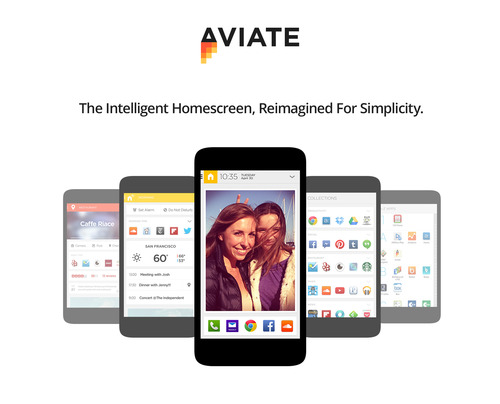
Yahoo buys Android launcher Aviate
For many people, one of the great things about Android is the ability to customize. While iOS offers the ability to change your wallpaper, customization pretty much stops there. Google's mobile operating system is quite different, since it permits the installation of different launchers. If you aren't familiar, a launcher is essentially the UI. In other words, a user can change not only the look of their device, but how they interface with it too. Many manufacturers ship devices with their own launchers, rather than the stock variant. Luckily, if the consumer dislikes the one that comes with their Android device, they can download a different one such as Nova or Apex; two very popular launchers.
However a relatively new launcher has been taking the Android community by storm -- Aviate. Part of the allure of this launcher is that it is invite-only. However, once invited, the user can then invite five people. This allowed Aviate to spread virally; after all, people desire what they can't have. Apparently, Marissa Mayer did not want to wait for an invite. The Yahoo CEO had the company buy Aviate outright. Does this signal a future Yahoo smartphone?
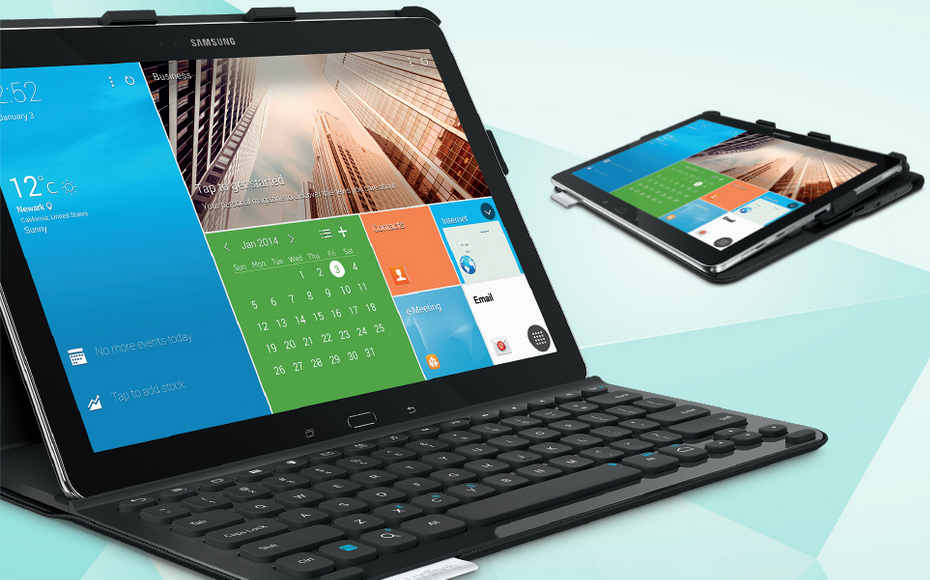
Logitech PRO -- a BlueTooth keyboard case for the 12.2-inch Samsung PRO tablets
Retrofitting tablets with keyboard cases is nothing new. Since the advent of the iPad, users have been trying to use Apple's device as a laptop replacement. For the most part, it can work perfectly -- as long as you get the right keyboard case.
Logitech is one of my favorite companies and it has been making quality iPad accessories for years. I am currently loving the Logitech Ultrathin Keyboard Folio case for the iPad Air. As great as that setup is, I have longed for a larger screen and wider keyboard. Well, Samsung delivered the bigger screen with the TabPRO and NotePRO tablets and now Logitech delivers the wider keyboard with the Logitech PRO.
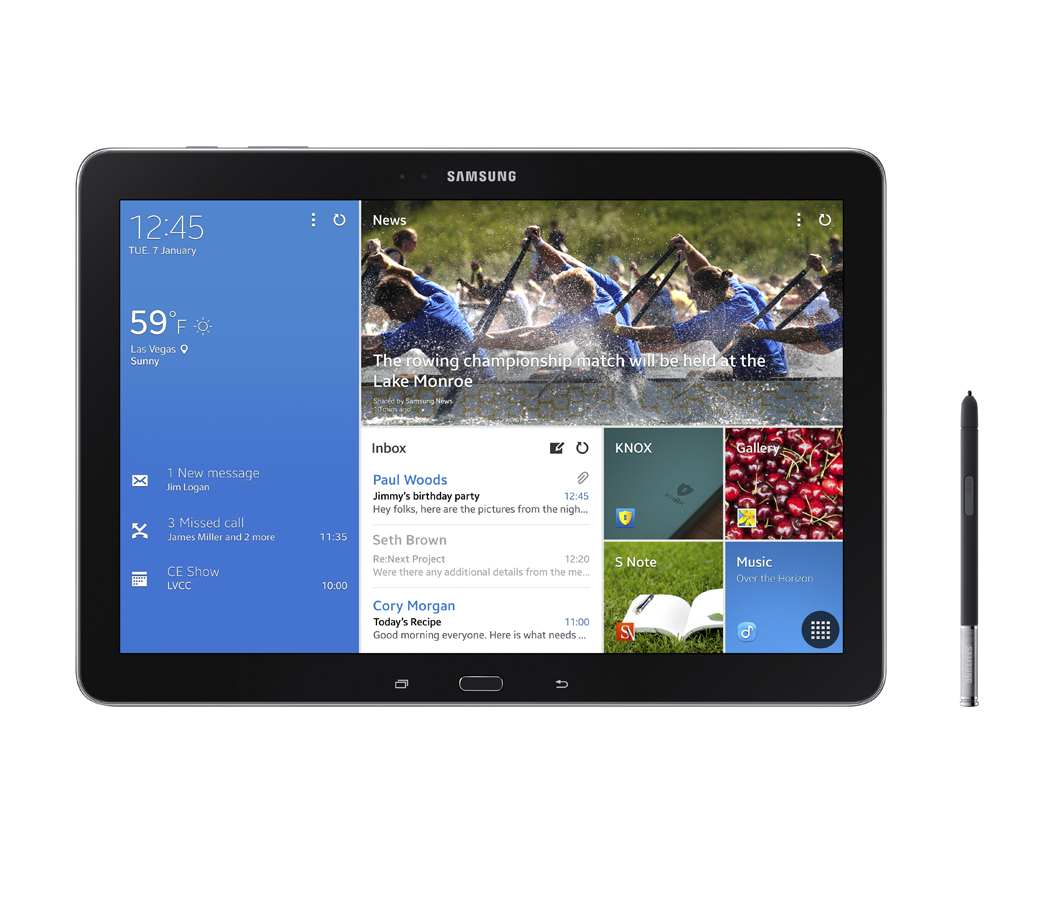
Samsung Galaxy Pro tablets are 12.2-inches of fondle-friendly productivity
When it comes to tablets (and other things), size matters. After all, a tablet, like other computers, is a tool. If you go to Sears for a screwdriver, you will find tiny ones for eyeglasses and enormous ones for automotive and lord knows what. In other words, you buy the tool that meets your needs. Much the way that different-sized screwdrivers have different purposes, so do tablets.
For instance, if you want to create content, a larger tablet like an iPad Air or Surface 2 would be ideal. Conversely, if you only want to consume media, maybe you can get by with a Nexus 7. But what if you need your tablet for serious business? Like, multiple-windows-open-simultaneously type business? The bigger the better then, right? Well, Samsung announces that it wants to meet the unmet needs of these users, with the Samsung Galaxy NotePRO and TabPRO -- 12.2 inches of fondle-friendly productivity.
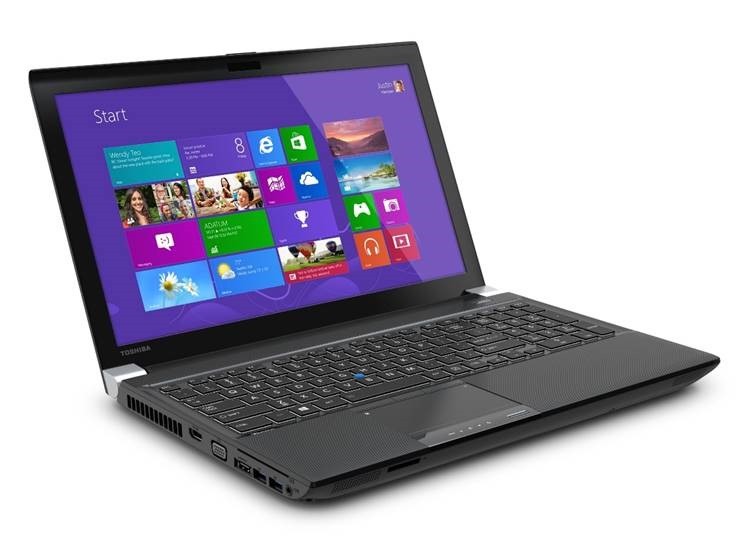
Toshiba unveils first-ever 4K laptops -- but do consumers actually need them?
I have been enjoying a 32-inch Dell 4K monitor for a few weeks now; testing it for an upcoming review. First things first, yes 4K is awesome -- no, it is godly. However, there is not much 4K content out there. All movies in that format which I watched, were on YouTube. Watching frolicking puppies in glorious 4K is fun, but it will not likely spur sales.
While 4K is great on a large 32-inch monitor, do consumers or professionals really need or want it on a small 15-inch laptop screen? Toshiba seems to think so. But do you? Read on and tell me.
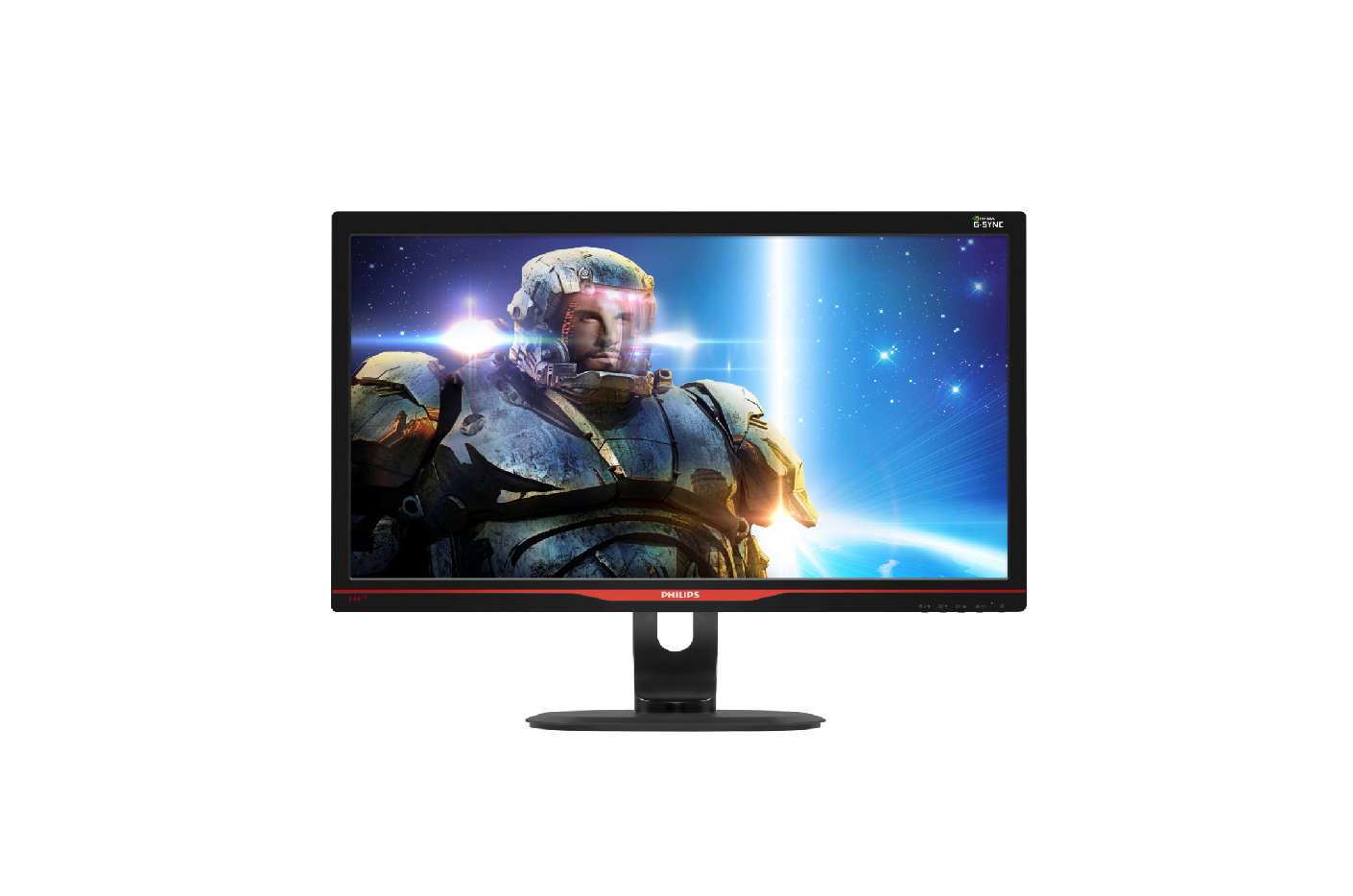
Philips unveils 27-inch hardcore gaming monitor with Nvidia G-Sync
When it comes to PC gaming, hardcore enthusiasts will do anything to get an edge. Extremely high-end graphics cards can cost thousands of dollars. The custom computers built by these gamers can rival the price of a nice used car. They will even buy dedicated sound cards and Ethernet cards to offload minimal CPU cycles just to squeeze out a tad more performance. In other words, money drives performance in PC gaming -- you must pay to play. However, once you build the ultimate gaming PC, with a top of the line mouse and keyboard and all the newest games, what is left to buy? A monitor of course.
A monitor's specs can vary from one to another and for many users, most screens will be "good enough". However, for the hardcore PC gamer, there is never "good enough", only the best. While 4K monitors are all the rage lately, they are not ideal for gaming, as performance takes a massive hit when driving such a resolution. Until 4K gaming becomes the norm, gamers must look elsewhere. Philips has an interim solution with its new 27-inch hardcore gaming monitor. What makes this monitor so special? Read on...
Music download sales decrease for the first time ever
Music is my favorite hobby. Actually, calling it a "hobby" is probably a gross understatement. Whenever possible, I listen to music; before bed, while I write, in the car -- everywhere. When I think back to how much money I spent on music over the last few decades, it is actually depressing. Surely, I could have started an IRA instead and been on my way to retirement; no, I wouldn't trade my memories of listening to and buying music in record stores for anything.
However, the state of buying music has had its ups and downs over the last decade and a half. File-sharing services like Napster and BitTorrent sites have made music piracy easy. Ultimately, the music industry paid the price with a decline in CD sales. Many people blame the industry for its own woes, due to obscenely high CD prices in the late 90's and early 00's. However, all has not been lost -- there has been a digital-download purchase renaissance happening since the launch of Apple's iTunes in 2003. Year after year, sales of downloadable online music has increased -- until now. In 2013, online music sales have decreased for the first time ever. Oh noes!
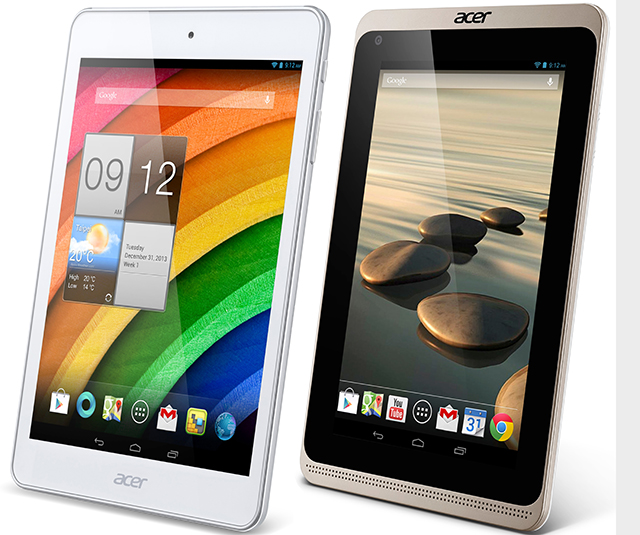
Acer unveils a pair of small and affordable Android tablets -- Iconia A1 and B1
When Apple released the iPad, it was a game-changer. The 9.7-inch form factor became the effective and default industry tablet size. In other words, a tablet was that size because the iPad was, and it wasn't challenged. However, Google disrupted this thinking and released the Nexus 7 in 2012. Not only did the 7-inch tablet become wildly popular, but it created the belief that a small tablet was usable and desired. Heck, even Apple jumped on the smaller-tablet bandwagon with iPad Mini.
Sadly, the small Android tablet market that was carved out by the Nexus 7 has become littered with trash. You see, many manufacturers have made the small tablet form factor synonymous with both low cost and low-quality. Today, Acer announces two small tablets that are inexpensive, but definitely not trash -- the Iconia A1 and B1.
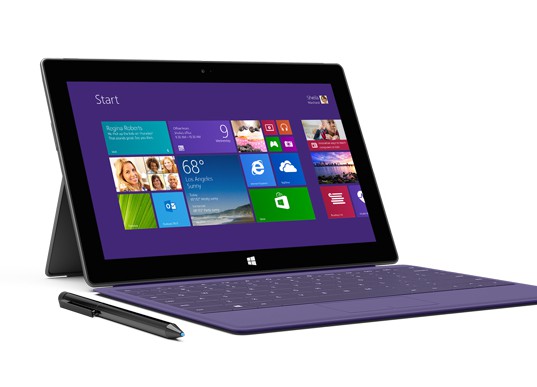
Microsoft quietly upgrades the Surface Pro 2
Computers are constantly being upgraded at a furious pace. It seems like as soon as you buy one, a new model is ready to make your purchase obsolete. Quite frankly, you may almost prefer not to know about the new models and upgrades -- in other words, ignorance is bliss.
If only there was a company that would upgrade its product, but not tell anyone, then no one would get that bad feeling. Guess what? That company is Microsoft, the time is now and the product is the Surface Pro 2.
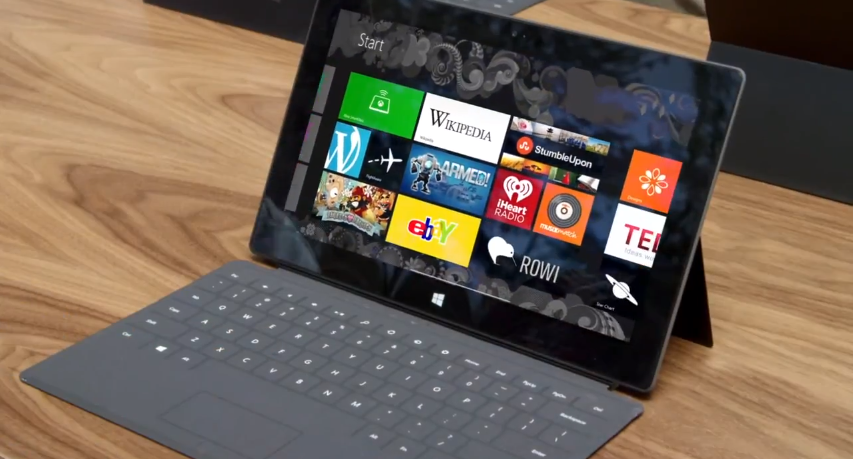
Surface RT is $299 at Best Buy -- now is the time to pull the trigger
Since the release of the first iPad, consumers have been trying to use tablets as PC replacements. They retrofit them with keyboards trying to make them laptop-like. It's hard to blame them -- after all, the battery life of most tablets is very attractive.
Sadly, most tablets have proven to be companion devices to the PC, rather than a replacement. Luckily, Microsoft released the Surface line of tablets, which melds fun and productivity into a true PC replacement. This is because, well...it sort of is a PC. Today, the 32GB RT variant is being sold for a super-low $299 -- will you buy it?