



pi GPT turns your Raspberry Pi into an AI-managed device
Anyone creating projects on a Raspberry Pi can now link their devices directly to ChatGPT via a new tool from noBGP called pi GPT. The integration lets users vibe code, build and manage software on their own devices without relying on cloud services.
Instead of preparing network settings, handling ports, or moving between multiple consoles, pi GPT users can work inside ChatGPT and direct tasks to a Raspberry Pi on a desk or in a workshop. The platform connects Pi devices through noBGP’s deterministic networking system, which delivers consistent routing, private links, and predictable behavior across different environments.

Kingston launches Dual Portable SSD for cable-free storage
Kingston has introduced a new Dual Portable SSD with both USB Type A and USB Type C connectors in one unit. The aim is to provide users with cable free solution to file transfers and backup across different devices.
The Dual Portable SSD resembles a long flash drive -- it's 71.85mm in length and just over 21mm wide -- with a compact metal and plastic casing. It plugs directly into either connector type, removing the need for adapters.

FiiO launches new Jade Audio headphones and BR15 receiver for budget hi-fi fans
FiiO is adding three new products to its entry level audio line -- the Jade Audio JT7 and JT3 headphones and the BR15 desktop Bluetooth receiver, giving listeners a way to explore hi fi sound without blowing the budget.
The JT7 (pictured above) is an open back planar magnetic model developed in house by FiiO. It uses a 95 by 86 mm planar driver supported by a push pull magnetic layout. The structure places high density magnets on both sides of the diaphragm for a more even drive.
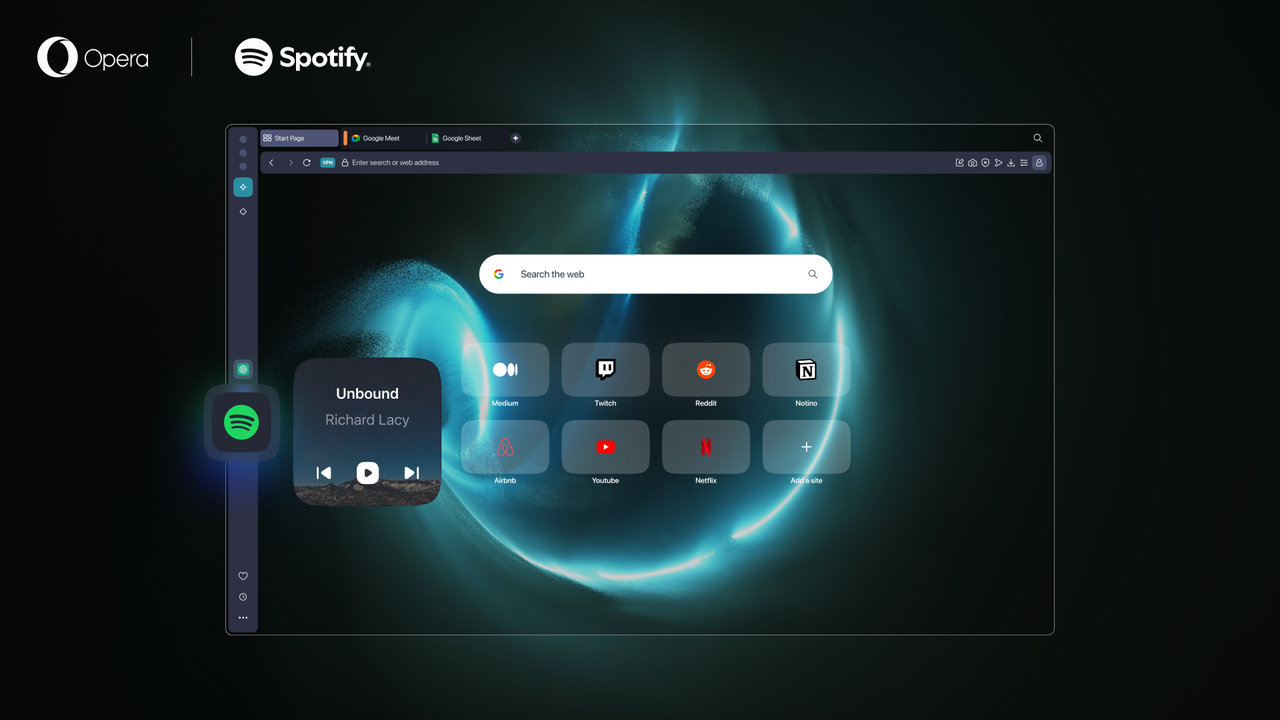
Opera and Spotify team up on new Sonic Theme for Opera One
Opera has added a new way for users to enjoy music inside its desktop browser, introducing a theme that reacts to whatever's playing through the built in Music Player. The feature was made in conjunction with Spotify and turns the browser’s Start page into an animated display that moves in sync with streaming audio.
The Sonic Theme is available in Opera One and uses shader based effects to create a pattern that moves with the playing track. The theme is intended to resemble sound waves passing through a thin layer of sand. When music starts, the animation breaks into small particles that move across the screen in real time.
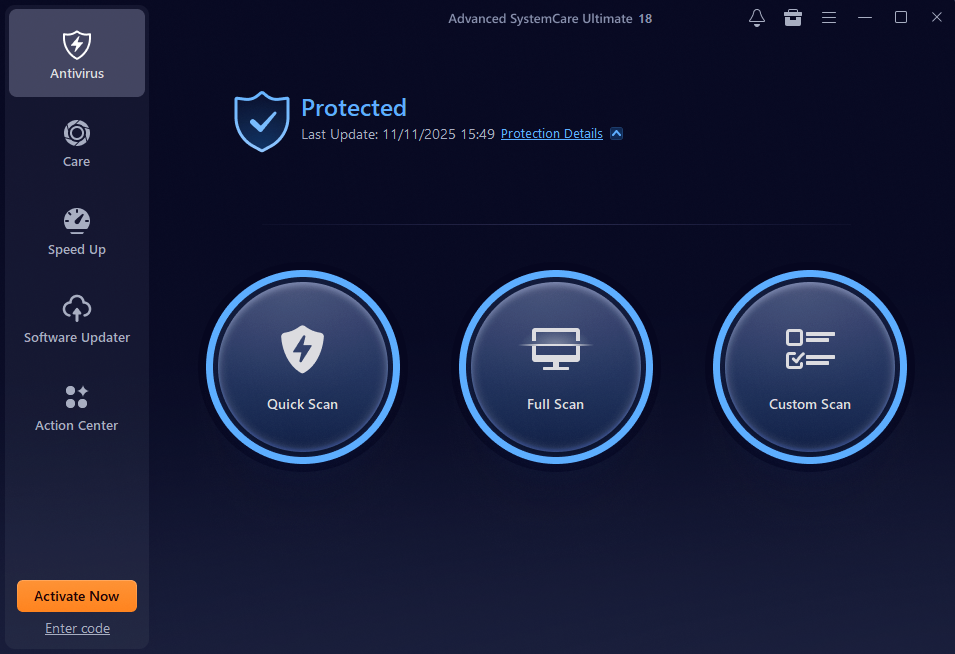
Advanced SystemCare Ultimate 18 launches with Safe Folder and wider malware protection
IObit released Advanced SystemCare 19 back in October, and it's now launching Advanced SystemCare Ultimate 18. The version numbers may look out of order, but that's because the two products are actually quite different. While Advanced SystemCare 19 focuses on cleanup and performance, Advanced SystemCare Ultimate 18 includes full antivirus protection.
The biggest addition to the new software is Safe Folder, a feature that allows users to place sensitive files behind a protective barrier. This folder blocks unauthorized access, which includes potential ransomware attempts. The antivirus database has also been expanded and targets a broader mix of malware to reduce the number of threats that reach a system.

Say goodbye to Microsoft Windows 11 and hello to Nitrux Linux 5
Windows 11 remains familiar territory for many users, but it continues to frustrate those dealing with sluggish performance and high system demands on older machines. Frequent updates often fix some problems while introducing others, leaving users searching for an alternative. For those ready to move away from Windows, there's Nitrux Linux 5.
After a long wait, the latest version of the Debian-based Linux distribution has arrived, bringing with it a wealth of changes and improvements. Top of the list is the Hyprland desktop which replaces KDE Plasma.
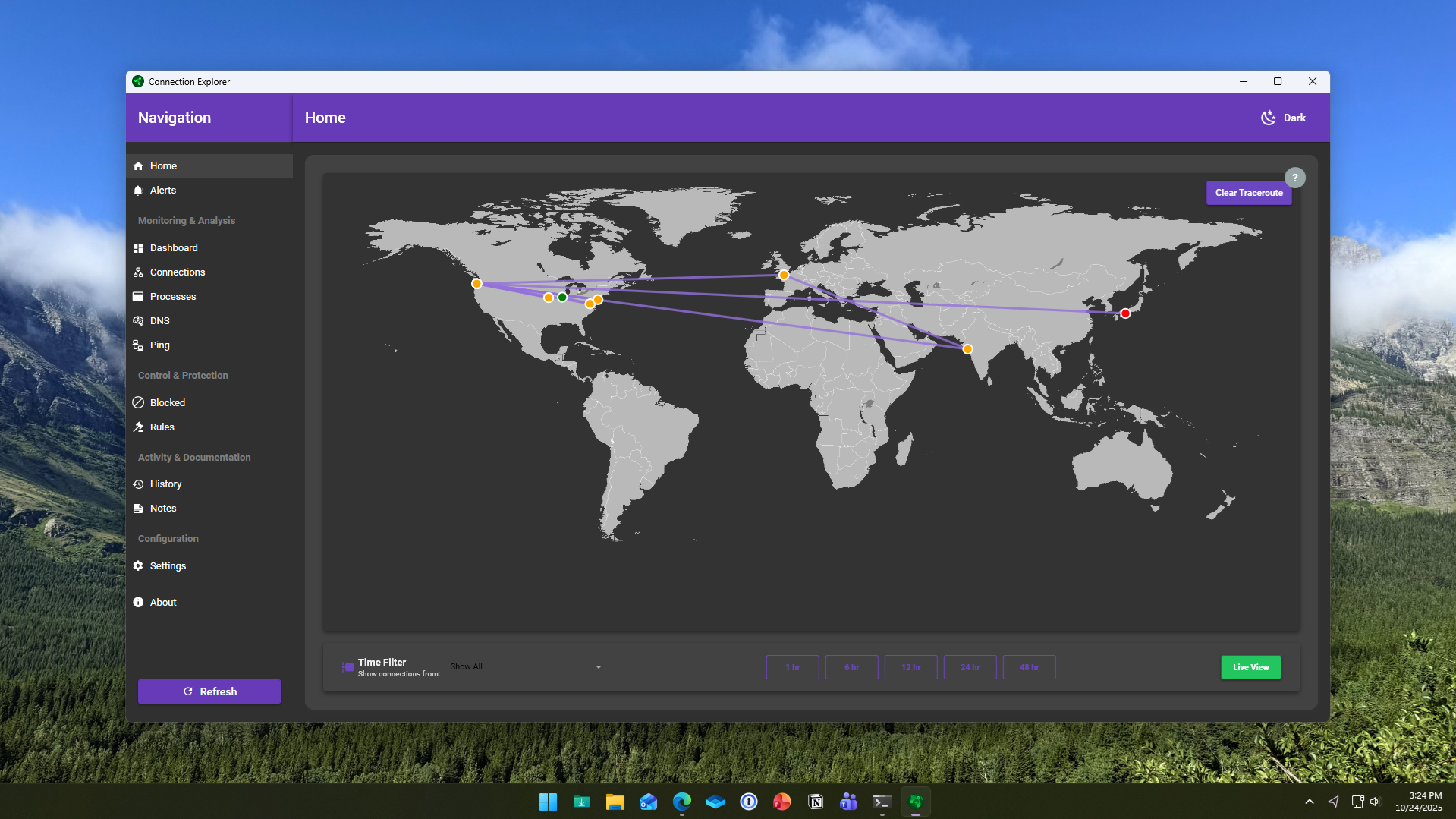
Connection Explorer shows where your PC is sending data in real time
Stardock has launched a new application for Windows called Connection Explorer, a beta tool designed to reveal and visualize every network connection made by a PC. Aimed at improving data transparency, it allows users to monitor, understand, and control how their devices communicate online.
The software maps out every connection a computer makes, transforming complex background activity into a readable visual interface. Stardock says the goal is to give users direct insight into how data flows between their systems and the internet, removing the guesswork from identifying unfamiliar or unwanted activity.
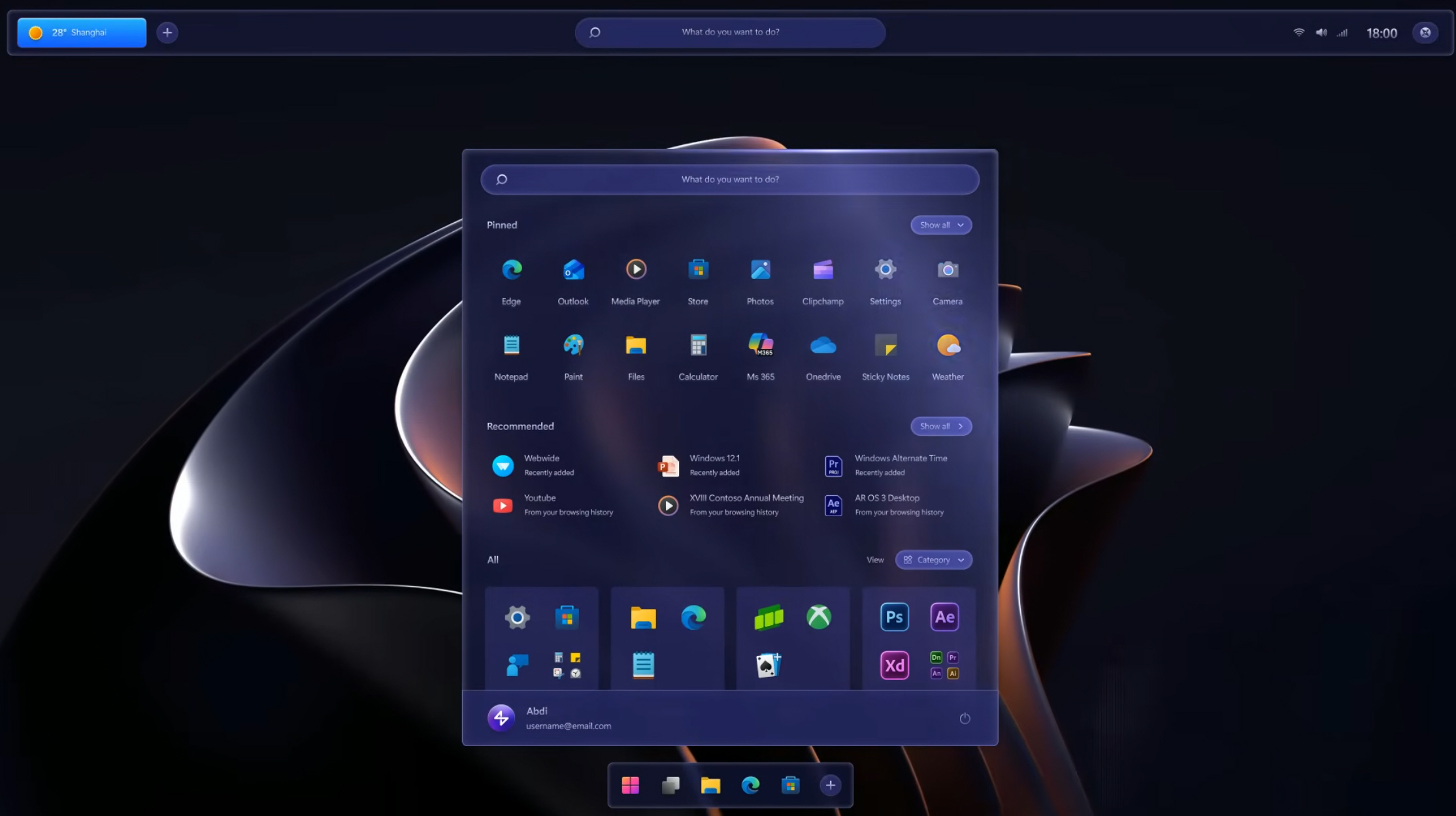
New year, new Microsoft OS -- the stunning Windows 26 is everything Windows 12 should be
Every so often, we get hints about Windows 12, but Microsoft has yet to announce it. Now that the tech giant is only officially supporting one Windows OS, perhaps that will change.
But as 2025 draws to a close, and with a new year on the horizon, it’s time to look forward to fresh beginnings and groundbreaking innovations. It’s time for a new Microsoft operating system. Let me introduce you to Windows 26.
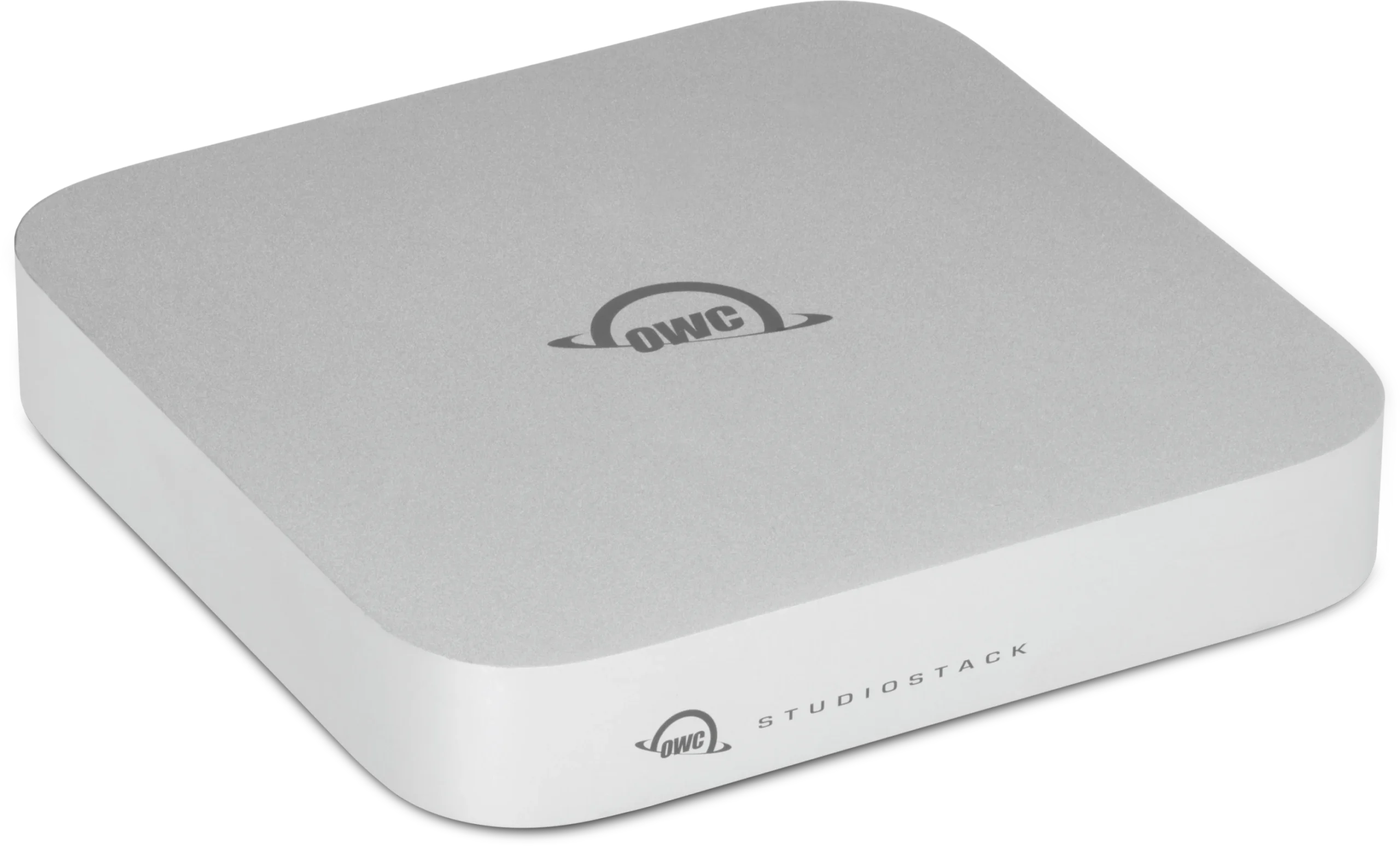
OWC expands Thunderbolt 5 range with StudioStack and Mercury Helios 5S
Other World Computing has added two new products to its Thunderbolt 5 lineup with the launch of the OWC Mercury Helios 5S and OWC StudioStack. Both devices are designed to provide professionals with faster data transfer, expanded connectivity, and flexible upgrade options across Mac and PC.
SEE ALSO: OWC's latest portable SSD offers up to 8TB in a palm-sized design

Avast launches Scam Guardian for smartphones and tablets
Avast has introduced Scam Guardian and Scam Guardian Pro for mobile devices, expanding its AI-driven scam protection from desktop to smartphones and tablets. The new tools, part of Avast Mobile Security and Avast Premium Mobile Security, aim to address the rising wave of scam and social engineering attacks on mobile platforms.
Avast, part of Gen, said that over 80 percent of mobile threats blocked by Gen Threat Labs this year were scams. In fact, on average, four mobile scam attempts are stopped every second. Scam Guardian and its Pro version extend Avast's existing protection ecosystem to mobile users on Android and iOS.
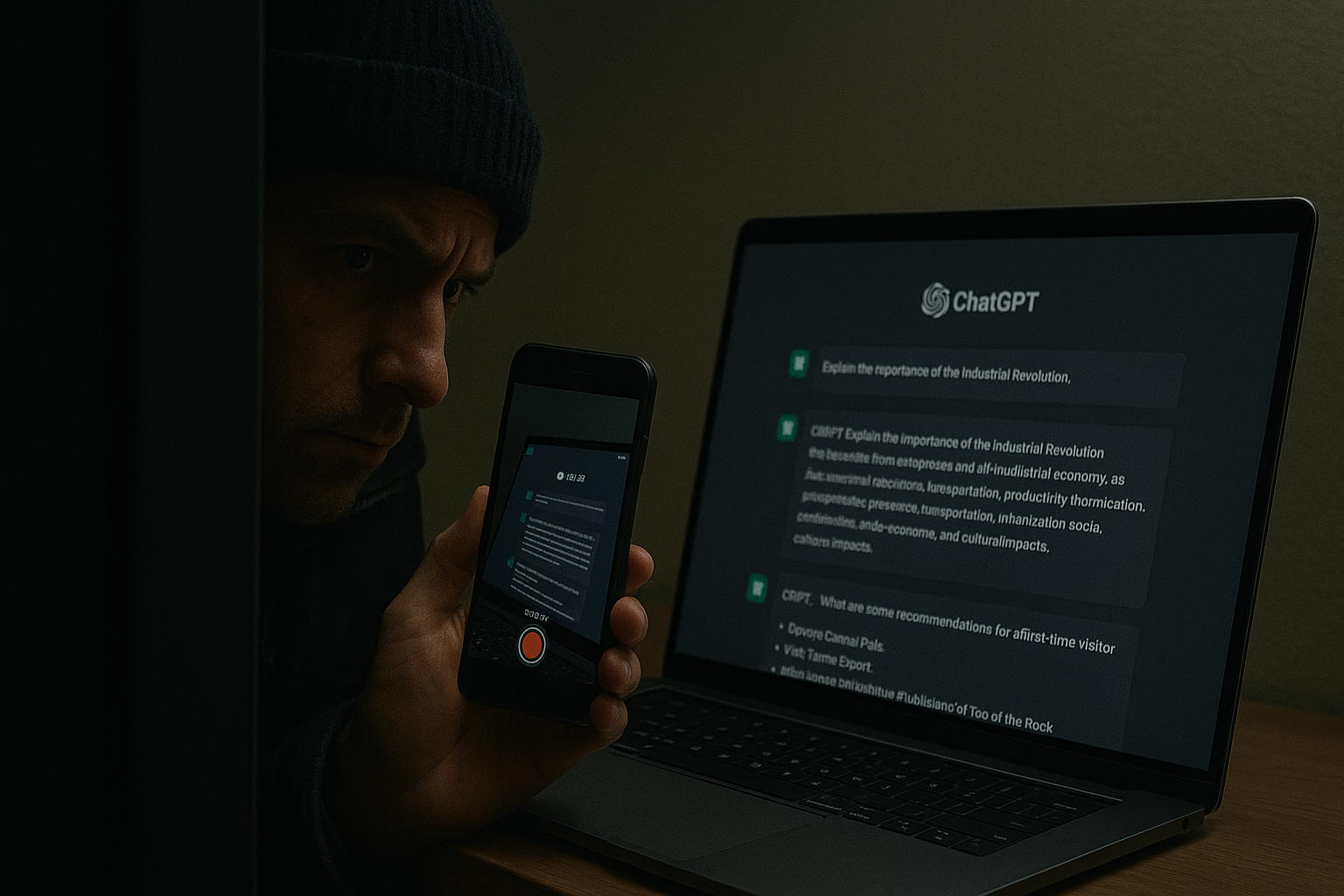
Your company might be secretly recording your ChatGPT conversations -- here's why
A new compliance report shows a sharp rise in financial institutions capturing ChatGPT communications. Global Relay’s Communication Capture Trends Report 2025 found a 3,000 percent increase in the number of firms recording ChatGPT data compared with a year ago.
The report analyzed data from more than 12,000 financial institutions and over 200 communication channels to see how firms are adapting to changing workforces and the introduction of new communication tools.

The AI Paradox: GitLab finds faster coding is slowing teams down
GitLab has published new findings highlighting what it calls the “AI Paradox,” whereby artificial intelligence is speeding up coding but introducing new productivity barriers as a result. The company’s 2025 Global DevSecOps Report, conducted with The Harris Poll, surveyed 3,266 professionals working in software development, IT operations, and security. The results suggest that while teams deploy faster than ever, they are losing time to inefficiencies that AI alone cannot fix.
According to the study, DevSecOps professionals lose about seven hours per week to inefficient processes. The main causes include fragmented toolchains and collaboration gaps between teams.

MX Linux 25 'Infinity' arrives with a cleaner look and easier installation
MX Linux 25 “Infinity” has been released and offers a major update for the Debian-based distribution known for stability and usability. The cooperative project between the antiX and former MEPIS communities offers editions based on Xfce, KDE Plasma, and Fluxbox desktops and is built on Debian 13 “Trixie” with MX’s repositories included.
All core releases now include systemd by default, a shift from the project’s long history with sysVinit. Any users who prefer the older initialization system can still download alternative sysVinit editions. The developers say this change improves compatibility with modern Debian packages and simplifies maintenance going forward.

SomniPods 3 AI-powered earbuds aim to improve sleep quality through monitoring and sound control
Fitnexa has announced SomniPods 3 ultra-light earbuds developed for sleep use. They combine active noise canceling, sleep tracking, and app-based analysis to help users monitor and adjust their sleep patterns.
SomniPods 3 features a dual-microphone hybrid active noise canceling system designed to reduce external noise by up to 42dB in Fitnexa-tested conditions. The feedforward and feedback microphones detect and counter background sounds through reverse sound waves, cutting disturbances from snoring or low-frequency hums.
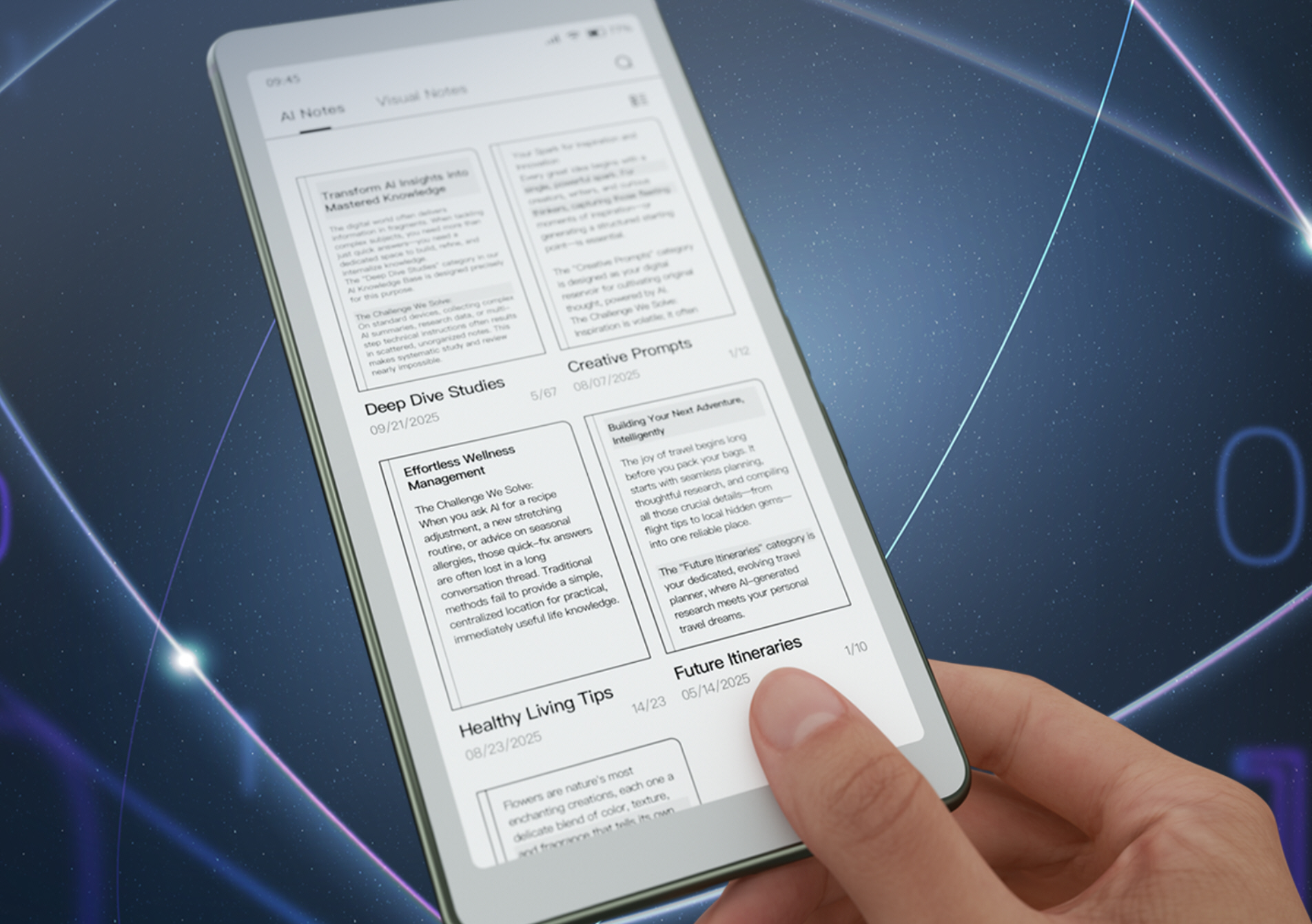
AiPaper Reader is an AI E Ink device for focused reading
Viwoods has introduced the AiPaper Reader, a 138g Android 16-powered e-reader that adds on-page AI assistance. The compact device lets readers verify terms, translate passages, or summarize figures directly within text. Viwoods thinks this will be of particular use to professional and academic users who read for long stretches or while traveling.
AiPaper Reader keeps answers beside the text rather than diverting users to another app or browser. Its 6.13-inch 300ppi E Ink Carta 1300 display features a low-reflectance layer and adjustable front light for comfortable reading in different environments.



