
Kaspersky launches new security solution for small businesses
Security issues affect smaller businesses just as much as big ones, but they're often less equipped to deal with them due to limited resources.
Today Kaspersky Lab is releasing the latest version of its Kaspersky Small Office Security, built specifically for businesses with fewer than 25 employees. It's aimed at providing world-class protection and easy use without the need for specialized IT skills.

Opera 29 gains tab sync across devices, customizable keyboard shortcuts
Opera 29 FINAL has been released for Windows, Mac, Linux, and Android, bringing major improvements for those who like to browse across a range of devices with the ability to sync tabs between mobile and desktop platforms.
Version 29 also adds support for customizable keyboard shortcuts as well as a new indicator tool to help pinpoint which browser tab audio is being played from. The update also includes some useful minor tweaks too.
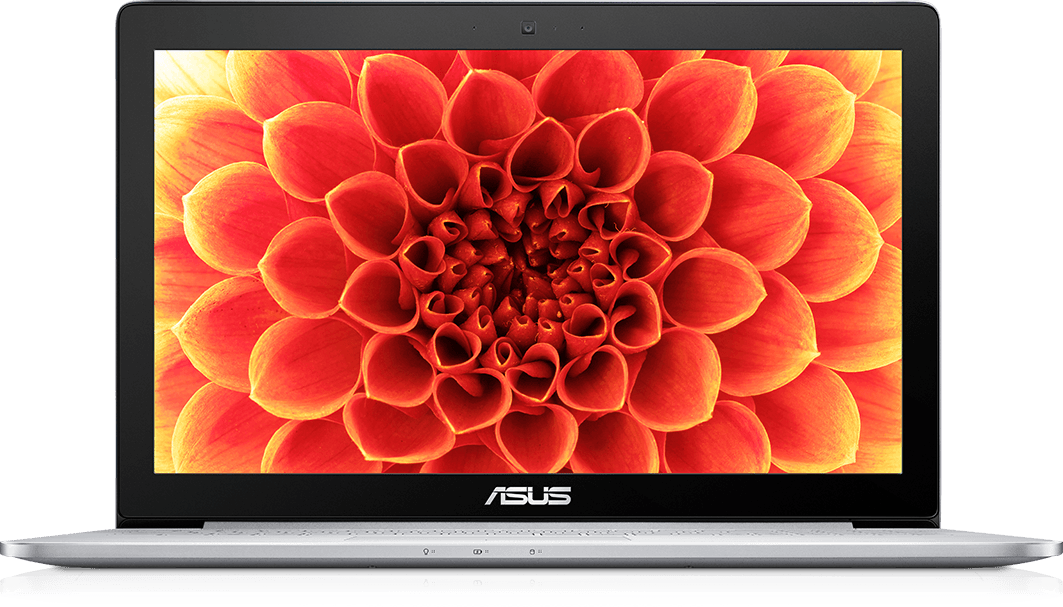
ASUS introduces the 15-inch ZenBook Pro UX501 high-end ultrabook
If you want a high-end 15-inch Windows laptop that is light and visually attractive you will most certainly not be spoilt for choice. PC makers are focusing on the smaller segments, which usually means a display size of around 13-inches. Sure, you can always grab a 15-inch MacBook Pro with Retina display and slap Windows on it, but that is not the same thing.
Fortunately, ASUS continues to include a 15-inch high-end option in its ZenBook lineup, as it just introduced ZenBook Pro UX501. It packs all the right features a buyer in this segment is looking for: ultra-high resolution screen, fast processor, lots of RAM, insanely fast SSD, dedicated graphics and a big battery, all in a package that is not much bigger and heavier than Apple's offering. What is not to like?

Create, convert, encrypt, annotate, and watermark PDFs with PDF-Pro
If you need to work with PDFs then you’ve probably built up a whole library of tools to help out: a viewer, a creator, maybe a conversion tool, something else to split or merge files, and the list goes on.
EPapyrus PDF-Pro tries to replace all of these -- and a whole lot more -- with a single free (for personal use, $49 otherwise) package.

Mobile messaging study reveals the need for tailored solutions
Mobile engagement specialist OpenMarket has released the results of a study, commissioned from IDC, into the business impact of mobile messaging.
The study looks at how mobile messaging is being used across a number of key industries including automotive, education, financial services, healthcare and utilities. It shows that many companies have failed to adopt holistic mobile messaging with 62 percent having at least two messaging platforms deployed, and 78.5 percent with more than one active initiative.
How small businesses can boost Facebook engagement
If you have a small business, and that business doesn’t have its own Facebook page, then you’re doing your business wrong.
Come on, people’s pets have Facebook fan pages, and your business doesn’t. Many will agree that having a fan page is essential to your business, but with basically everyone on there, the rules have changed.
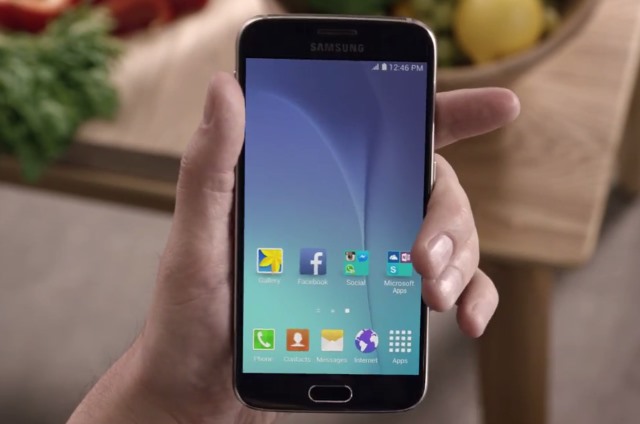
Samsung Galaxy S6 edge has the best smartphone camera
For many of us, smartphones have replaced dedicated cameras. And it is easy to understand why. But if there is one area where DSLRs and the like still shine, picture quality is definitely it. That said, smartphones are getting better and better each year, with today's flagships leading the charge.
Not all flagships are created equal though. Some are better than others in this regard, packing useful hardware features like optical image stabilization (OIS), which helps in low-light and video recording, and software to match, featuring clever algorithms that offer the right balance between image quality and noise. And if you are looking for the best all-around camera, that can take great photos and videos, apparently nothing can match Samsung's Galaxy S6 edge.

Free service combines cloud data integration and backup
With the wide choice of cloud services available it can be all too easy for business data to become fragmented with different parts of the organization using different services.
Database connectivity solutions provider Devart has announced the release of Skyvia 3.0, a free online service that can integrate cloud data from different sources and in this latest version provide cloud backup too.

AWS shows cloud is NOT a high-margin business
Last week Amazon.com was the first of the large cloud service companies other than Rackspace to finally break out revenue and expenses for its cloud operation. The market was cheered by news that Amazon Web Services (AWS) last quarter made an operating profit of $265 million with an operating profit margin of 19.6 percent. AWS, which many thought was running at break-even or possibly at a loss, turns out to be for Amazon a $5 billion business generating a third of the company’s total profits. That’s good, right? Not if it establishes a benchmark for typical-to-good cloud service provider performance. In fact it suggests that some companies -- IBM especially -- are going to have a very difficult time finding success in the cloud.
First let’s look at the Amazon numbers and define a couple terms. The company announced total AWS sales, operating profit, and operating profit margins for the last four quarters. Sales are, well, sales, while operating profit is supposed to be sales minus all expenses except interest and taxes (called EBIT -- Earnings Before Interest and Taxes). Amazon does pay interest on debt, though it pays very little in taxes. Since tax rates, especially, vary a lot from country to country, EBIT is used to help normalize operating results for comparing one multinational business with another.

Synfig Studio's 2D animation suite hits version 1.0
After more than 18 months of intense development, open source 2D animation tool Synfig Studio has at last hit version 1.0.
The release brings a pile of professional features, including a complete bone system with automatic shape deformation, a new cutout tool, a dynamics converter with automatic friction effects, a bitmap painting engine, initial support for bitmap frame-by-frame animation, and more.
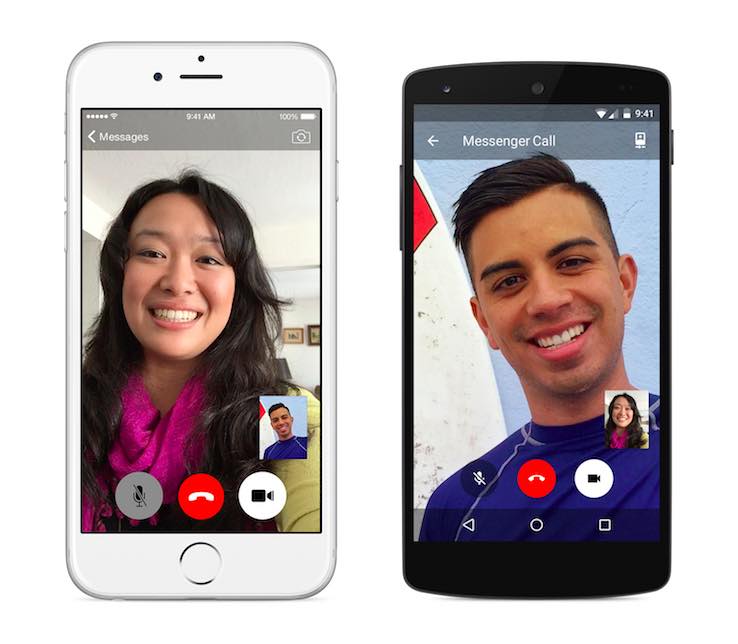
Watch out Microsoft, Facebook releases free video calling feature in Messenger mobile
Facebook’s Messenger app has over 600 million users. Facebook-owned WhatsApp has over 800 million monthly active users. One would wonder why the social juggernaut maintains two instant messaging clients. The company has started to answer this question. While WhatsApp remains a standalone IM, Facebook is aggressively growing its Messenger app. Recently, the company opened the app to developers, and added the ability to easily transfer money to friends, and today, the company is introducing free video calls.
The video calling option has been one of the most anticipated features in Messenger's mobile apps. For those who can recall, Facebook introduced the video calling feature in its Messenger web app in 2011. The company had then partnered with Microsoft to use Skype technology to facilitate the video calling. Things changed in 2013 when Facebook dumped Skype’s technology -- which required users to install an additional plug-in -- for its homegrown video calling features that didn’t require users to download and install any extras.
Apple Fiscal Q2 2015 by the numbers: Profit rises 33% to $13.6B
If there be ghosts, Tim Cook should expect sleepless nights ahead. Surely Steve Jobs can't stand to be so overshadowed by his successor, who takes Apple where the cofounder couldn't: Massive earnings and margins. Today, after the closing bell, the company reported yet another ridiculously blow-out quarter, largely lifted by iPhone. If the smartphone market ever collapses, Apple Armageddon will follow. In the present, momentum is unstoppable.
Some perspective: Apple's net income was more than two-and-half times Microsoft's during the same time period (calendar Q1 2015) -- and 3.8 times that of Google. To reiterate, those comparisons are put-in-the-bank profits, not revenues. By the numbers: $58 billion in sales, $13.6 billion net income, and $2.33 earnings per share. Wall Street consensus was $56 billion revenue and $2.16 EPS. Year over year, revenue rose 26.6 percent and net sales by 33 percent.

LG Watch Urbane now available from Google for people stuck in the past
Wristwatches aren't cool anymore, although wrist-worn wearables are. What I mean to say is, a traditional wristwatch for telling time is an outdated technology mostly reserved for the AARP crowd. Sure, some people, myself sometimes included, wear them as a fashion accessory (like jewelry), but smartphones have rendered dedicated timepieces obsolete.
It is for this reason that I find it curious that people desire a wrist-worn wearable smartwatch to look like their grandpa's watch. Why can't it look like an all-new thing? It's reminiscent of when some companies designed CD players to look like old-time radios or when Chrysler released the godawful PT Cruiser. If you are stuck in the past, the LG Watch Urbane may be just for you; it is an Android Wear smartwatch that doesn't look like one.
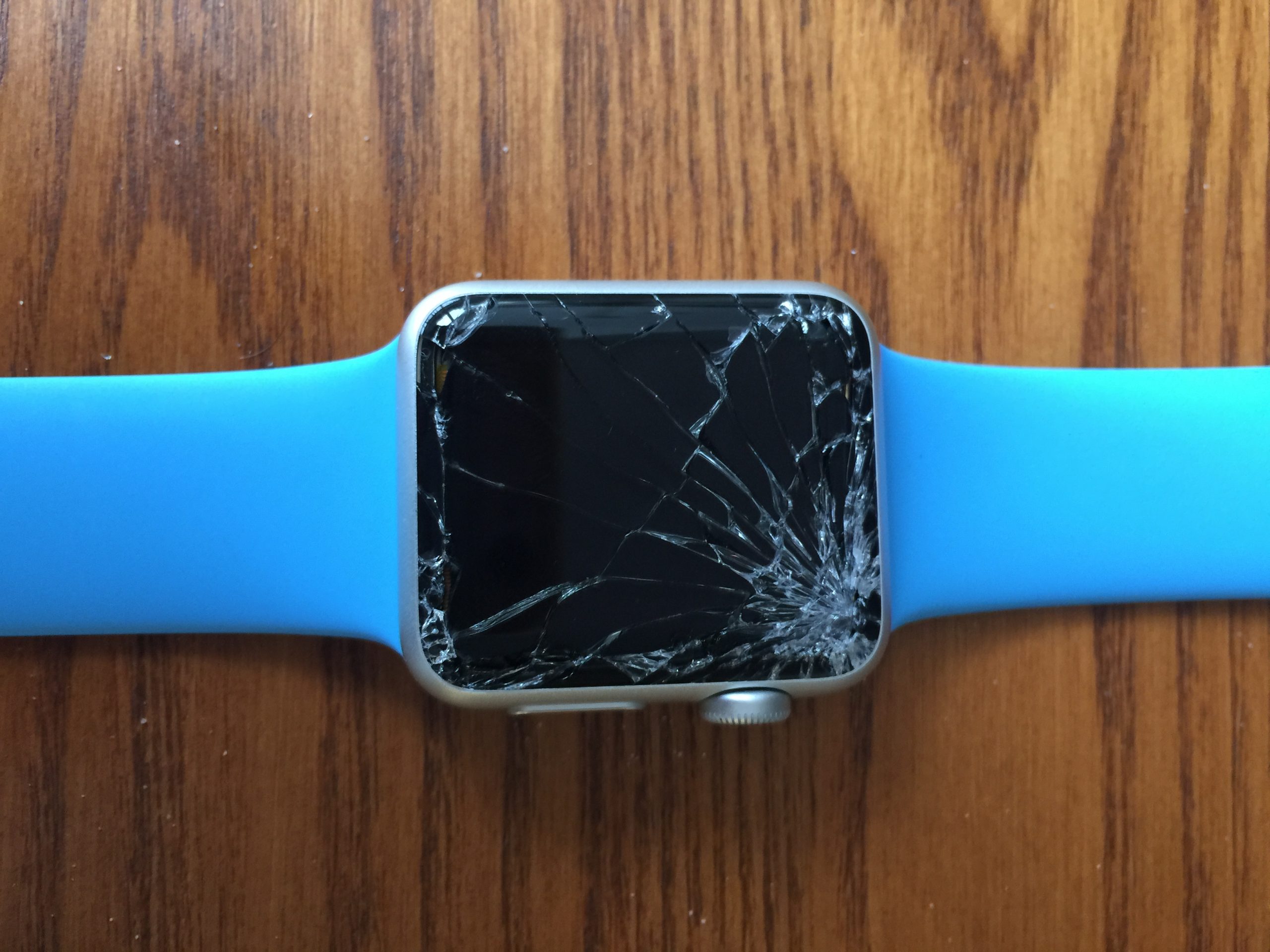
'Normal use' shatters Apple Watch
Saturday afternoon, new Apple Watch owner Ken Lecomte posted a frightening photo to Google+: His device with shattered screen. The spider-spray pattern is eerily familiar -- one seen so many times -- like an iPhone clumsily dropped to floor or pavement. The fruit-logo company boasts about the gadget being a wrist computer, but should it be as easily breakable as the other that customers carry?
We wanted to find out. BetaNews proactively contacted Lecomte for his full story and additional photos, which in part authenticate the breakage. His claim is serious: That the strap came undone as he pulled hands from pocket, flinging the smartwatch to destruction. BetaNews takes allegations like this seriously, which is why rather than repost or reshare his photo, as others have done, we contacted the alleged victim, who wants to prevent others from meeting the same fate. His local Apple Store quoted $229 to fix the $349 Sport watch.

Microsoft offers free Skype calls in Nepal, Facebook donates $2 million
The terrible repercussions of the earthquake in Nepal and the aftershocks continue to be felt. With thousands of people yet to be accounted for, Google and Facebook have already launched services to help connect with people in the affected areas.
Now Microsoft has entered the fray, offering free Skype calls to both landlines and mobiles in Nepal. Starting immediately, Skype users can make calls from within Nepal, or place them to the country regardless of whether they have any credit.