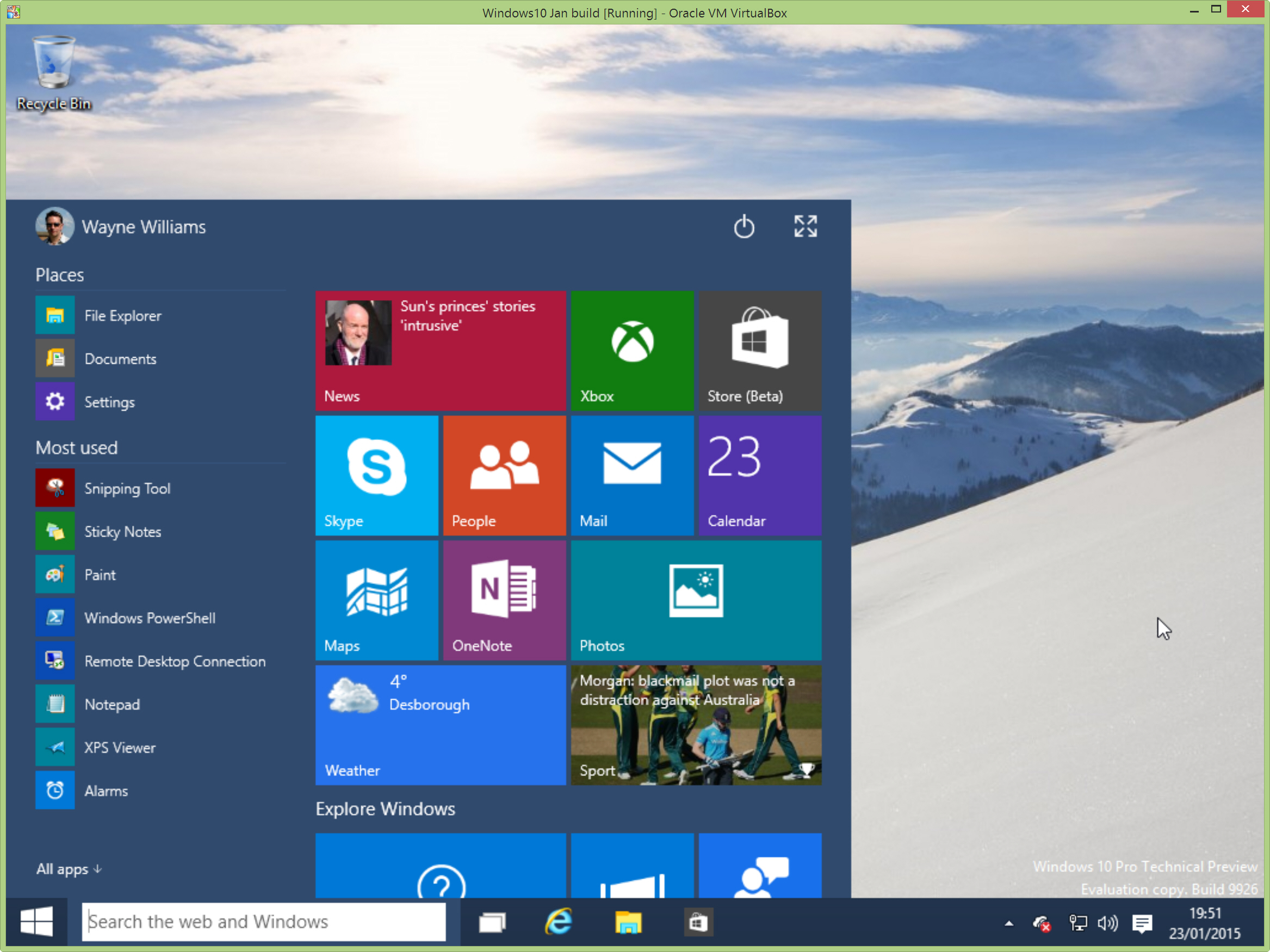
How to install Windows 10 January Build (9926) on Oracle VirtualBox
Microsoft has just released the latest build of Windows 10. New features and changes include a more polished Start menu, Cortana on the desktop, new Settings, Photos, Maps and Xbox apps, and the ability to connect to wireless audio and video. As with the previous builds, this is a very early version of the OS, so you wouldn’t be advised to run it as your main operating system, and while you could set it to dual boot, running it in a virtualized environment is probably a more sensible idea.
The process is very simple -- all you need is a copy of Oracle VM VirtualBox and a Windows 10 Technical Preview ISO. Microsoft updated the latter earlier today.

Xbox app now available in Windows 10 build 9926 -- Gamers, download now!
The technology world is still recovering from the epic Windows 10 event. Yes, Microsoft not only hit a home run, but a grand slam with its announcement. The excitement usually reserved for the likes of Google and Apple nowadays, was thrust upon Microsoft; deservingly so. New operating system, Office, HoloLens, Surface Hub -- holy cow, it was one great thing after another.
With that said, gamers were far more excited about the announced Xbox app for Windows. Yes, you can do the things that you'd expect, such as manage your profile and view activity feeds, but there are even more exciting features too.

Bill and Melinda Gates' annual letter says smartphones and mobile banking are key to the future
Bill Gates is more readily associated with philanthropy than technology these days, but that’s not to say he doesn’t still have more than a passing interest in the world of tech. In their annual letter, Bill and Melinda Gates look 15 years into the future, envisioning a world in which the life in poor countries has improved dramatically.
Technological advancements are key to this vision, and the Gates refer to the importance of mobile banking, cheaper tablets and smartphones, as well as improvements to crops and vaccines. It's 15 years since the Bill & Melinda Gates Foundation was created, and the couple are making a bet that "the lives of people in poor countries will improve faster in the next 15 years than at any other time in history".
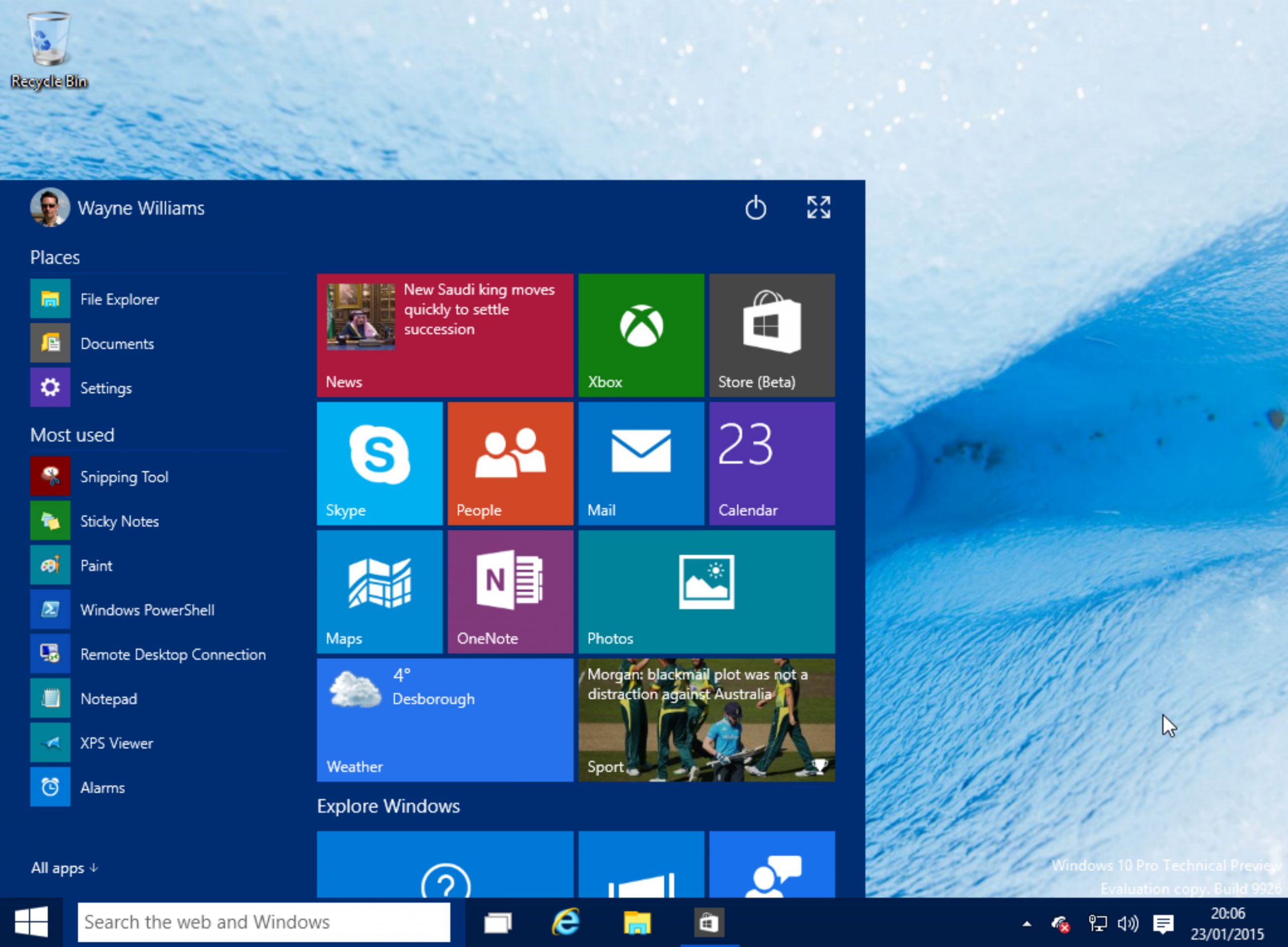
Windows 10 Build 9926 out NOW -- New features include Cortana, Xbox app, improved Start menu and more
Talk about unexpected. After showing off Windows 10 on Wednesday, Microsoft disappointed a legion of dedicated testers by announcing the next build wouldn’t be available until next week.
Turns out that’s not the case at all -- it’s available to download, and start using right now. The "January Build" as it’s being called (Build 9926 for those who like version numbers), is being pushed out to Windows Insiders on both the "Fast" and "Slow" rings, and is also available in ISO form. While not everything demoed at the Windows 10 briefing is available in the new build, it does come with Cortana on the desktop, a more polished Start menu, a new Settings app, and the ability to connect to wireless audio and video. There’s also new Photos and Maps apps, a new Xbox app, and Windows Store Beta.

Inside 'Easy Disk Drive Repair' malware with VB Decompiler
If you regularly download brand new programs from unknown developers then there’s an above-average chance you’ll find some malware. Antivirus software won’t necessarily pick up on the very latest threats, and so you’ll need further tools and strategies to identify potential dangers.
We recently wrote about "Easy Disk Drive Repair", and explained how we realised this promising-looking program was actually a trojan which turned off UAC and modified browser files. We used fairly simple and straightforward techniques, but if you want to get really technical, there’s a way to find out much more about how the program works.
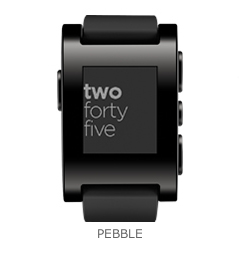
Pebble puts smartwatches to emergency work with first-responders
The words "first responders" came to the forefront in the aftermath of the September 11th terrorist attacks. However, it really just describes the medical, fire and police people who rush to the scene of any problem, hoping to save lives and property. These men and women need every advantage they can get, and modern technology continues to aid them in their work.
You may think of the smartwatch as something that displays the time and messages for you, but it can be a lot more in some cases. Pebble, the former darling of Kickstarter, is now helping these folks out by bringing the CommandWear app to its platform.
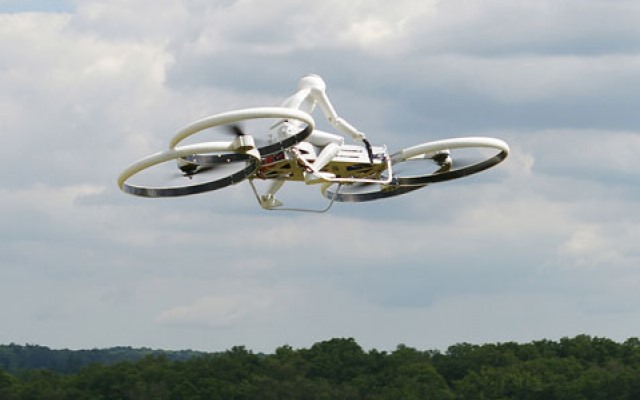
Drones for Good -- transporting transplant organs, detecting landmines, and wiping out fog
The humble drone has something of a poor reputation. If it's not seen as a tool for surveillance, then it's a silly toy for those with too much time on their hands to strap a GoPro to and record aerial footage. More recently Amazon has trialled fast deliveries by drone, but a new competition aims to show the incredible things than can be achieved with the unmanned devices.
Drones for Good is an international competition which offers a prize of $1 million for the best and most innovative use of drones. The competition was announced at the Government Summit 2014, hosted by the United Arab Emirates, and has attracted interest from around the world, with entrants from dozens of countries. The list of semi-finalists includes some incredible ideas for how drones could be used to make the world a better place.

Best Windows 8 apps this week
One-hundred and fifteen in a series. Welcome to this week's overview of the best apps and games released for Windows 8 in the past seven days.
Microsoft revealed this week how it envisions the future of Windows and in particular Windows 8's successor Windows 10. You can check out a video summary here, read why Mihaita is sold on Windows 10 and what Wayne thinks about Microsoft's presentation.
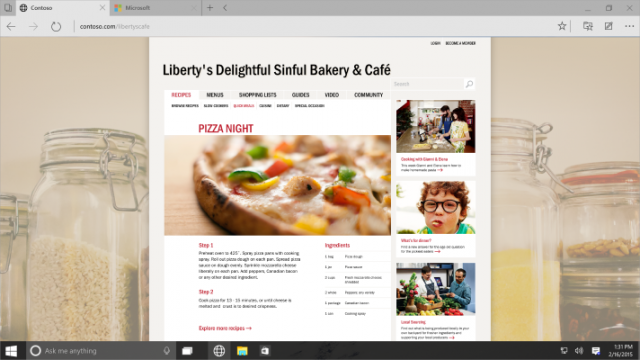
Cross-platform support is key to Spartan's success
Microsoft revealed earlier this week that Windows 10 will ship with a new browser, known as Spartan. The venerable Internet Explorer will still be around for enterprise duty and certain sites, but the new kid on the block is the one Microsoft wants you to embrace. However, when it is Google's Chrome or Mozilla's Firefox that you have to leave behind, convincing you to jump ship is not going to be easy.
Spartan is clearly no Internet Explorer. It is designed from the ground up as a modern browser, that works well across multiple form factors. It will be found on all PCs, smartphones and tablets that ship with or are upgraded to Windows 10, which means that it, at least, will be readily available to test. But does it have what it takes to pass the test, and become your new favorite browser?

The social media threats to watch for in 2015
The increased popularity of social media, for business as well as personal use, has opened up a new avenue of attack for cyber criminals.
Risk management company ZeroFOX has produced a list of the top social media attacks to look out for this year.

When cybersecurity makes the difference in protecting life
We can always learn from the public and nonprofit sectors. Many times these organizations must work virtual information technology miracles, without the means available to the enterprise sector. In fact, some of their IT security lessons are particularly important, given how nomadic data has become in the age of the "cloud".
One such standout organization is Lawyers Without Borders (LWOB), a nonprofit based in New Haven, Connecticut. LWOB marshals together hundreds of volunteer lawyers from the world’s most prestigious firms to work on cases worldwide. These legal pros offer their varied services pro bono, in the interest of supporting the rule of law, economic development, conflict resolution, and the promotion of peace.
IBM's reorg-from-Hell launches next week
IBM’s big layoff-cum-reorganization called Project Chrome kicks-off next week when 26 percent of IBM employees will get calls from their managers followed by thick envelopes on their doorsteps. By the end of February all 26 percent will be gone. I’m told this has been in the planning for months and I first heard about it back in November. This biggest reorganization in IBM history is going to be a nightmare for everyone and at first I expected it to be a failure for IBM management, too. But then I thought further and I think I’ve figured it out…
I don’t think IBM management actually cares. More on this later.

Get more from your CPU with ParkControl
Windows power plans seem simple, at least in theory. Launch the Power Options applet, then select "High performance" on desktops for maximum CPU speed, "Power saver" on mobile systems to optimise for energy use, or "Balanced" for somewhere in between.
That’s most how it works, too, but Windows also has a hidden setting which can fine tune the results, maybe saving more energy or further improving system speeds.
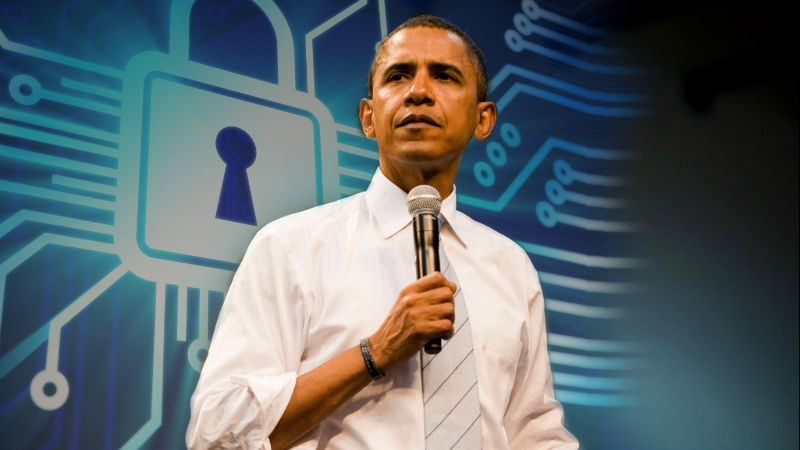
The effect Obama's new cyber laws will have on UK firms
President Barack Obama made clear in his State of the Union address earlier this week that he intends to push through new legislation aimed at tightening corporate cyber security standards across the US. Just as the US’s Sarbanes Oxley Act of 2002, designed to improve the accuracy and reliability of corporate disclosures in the wake of the Enron scandal, effectively forced companies wanting to partner or do business with US corporations to comply with its rulings, so Obama’s proposed cyber laws are likely to have a global ripple effect across businesses outside America. Companies based in countries like the UK will need to tighten their own cyber security if they expect to do business with American firms which might otherwise see them as a weak link and potential vulnerability in their communications and data networks.
In his address to the nation on Tuesday (January 20th 2015), Obama said: "I urge this Congress to finally pass the legislation we need to better meet the evolving threat of cyber-attacks, combat identity theft, and protect our children’s information. That should be a bipartisan effort. If we don’t act, we’ll leave our nation and our economy vulnerable".
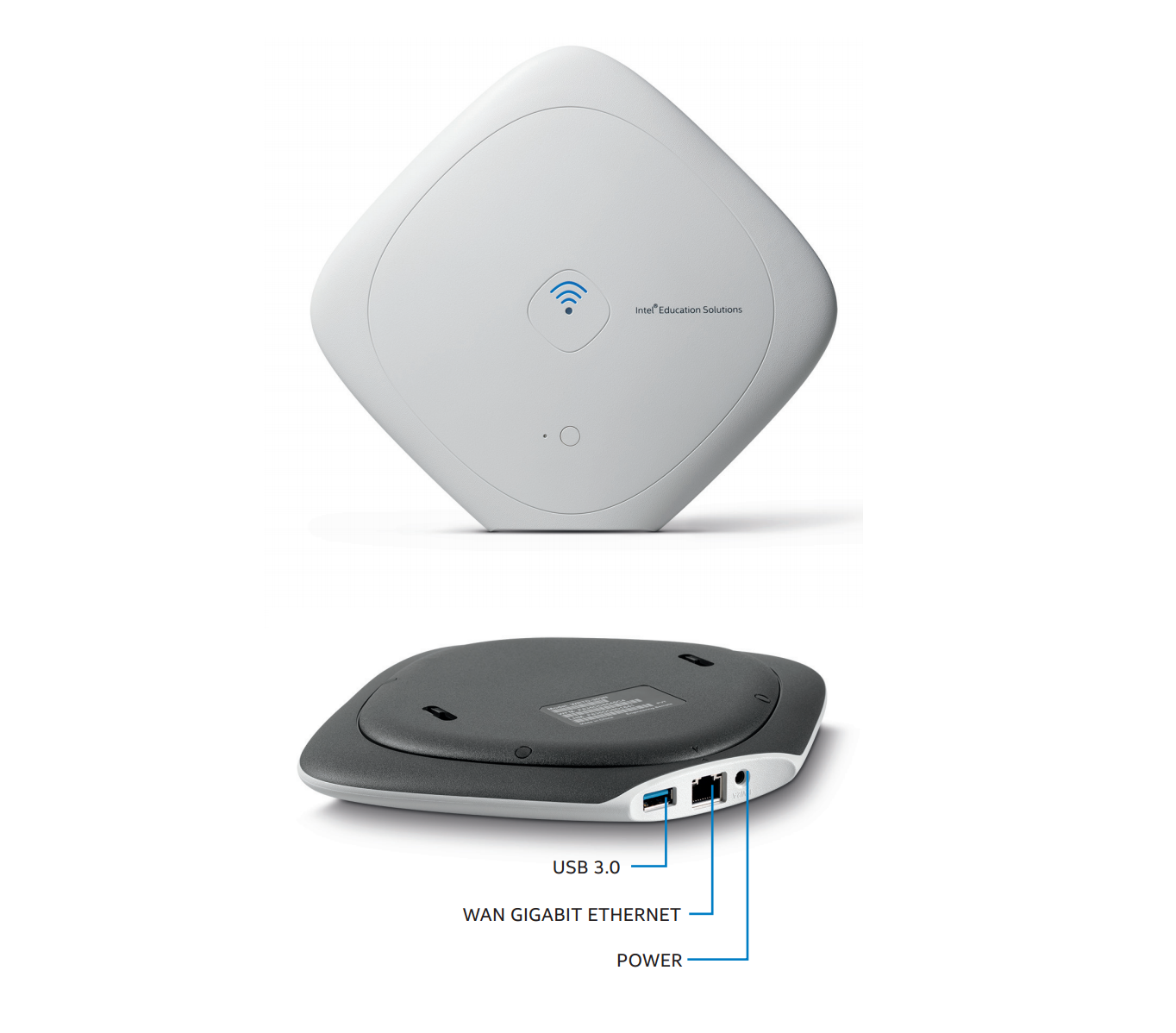
Intel Education Content Access Point is an Ubuntu Linux-powered digital content tool
Sometimes a product comes along, that makes so much sense, that you wonder how no one thought of it before. For example, the Snuggie. I mean come on, a blanket with sleeves? Genius! Let us not forget about the George Foreman Grill; that thing makes some damn tasty turkey burgers.
From a technology perspective, however, Intel has a new product for education that is so damn awesome, I'm not sure why it never existed before. The company's Education Content Access Point will provide content to devices even when there is little to no Internet access or electricity. Sounds awesome right? Yep. Best of all? It is powered by Linux!