
6 tips to increase company security post-Heartbleed from LastPass CEO, Joe Siegrist
Heartbleed was a security nightmare that caught the technology world unaware and unprepared. There was a good deal of panicking in the immediate aftermath, but looking back a month down the line there is a lot to learn from what happened. But perhaps the most important thing is what happens moving forward.
Post-Heartbleed, Joe Siegrist, CEO for LastPass has a series of tips for companies to help protect data and improve privacy.
Level3 is without peer, now what to do?
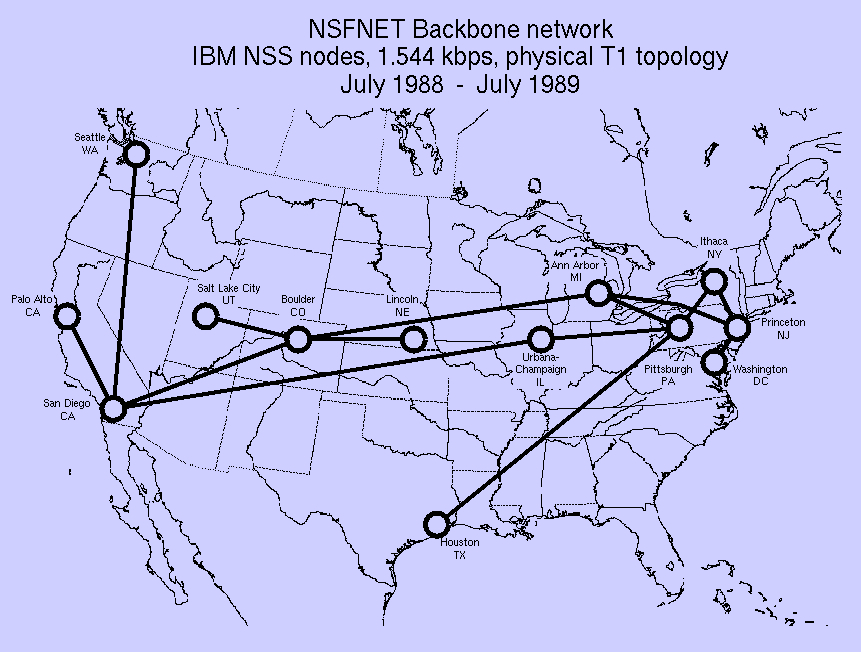
There’s a peering crisis apparently happening right now among American Internet Service Providers (ISPs) and backbone providers according to a blog post this week from backbone company Level3 that I am sure many of you have read. The gist of it is that six major ISPs of the 51 that peer with Level3 have maxed-out their interconnections and are refusing to do the hardware upgrades required to support the current level of traffic. The result is that packets are being dropped, porn videos are stuttering, and customers are being ill-served. I know exactly what’s going on here and also how to fix it, pronto.
The problem is real and Level3′s explanation is pretty much on target. It’s about money and American business, because this is a peculiarly American problem. Five of the six unnamed ISPs are American and -- given that Level3 also said they are the ones that typically get the lowest scores for customer service (no surprise there, eh?) we can guess at least some of the names. According to the American Customer Satisfaction Index’s 2013 report (the latest available with a new one due any day now) the worst ISPs in America are -- from worst to less bad but still lousy -- Comcast, Time Warner Cable, CenturyLink, Charter Communications, AT&T U-verse, Cox Communications, and Verizon FiOS. That’s seven companies and since Level3 says only five are creating this peering problem then two in there are off-the-hook but still not the best at what they do.
Microsoft is a robot whisperer -- with help from Lego, Surface and Windows Phone
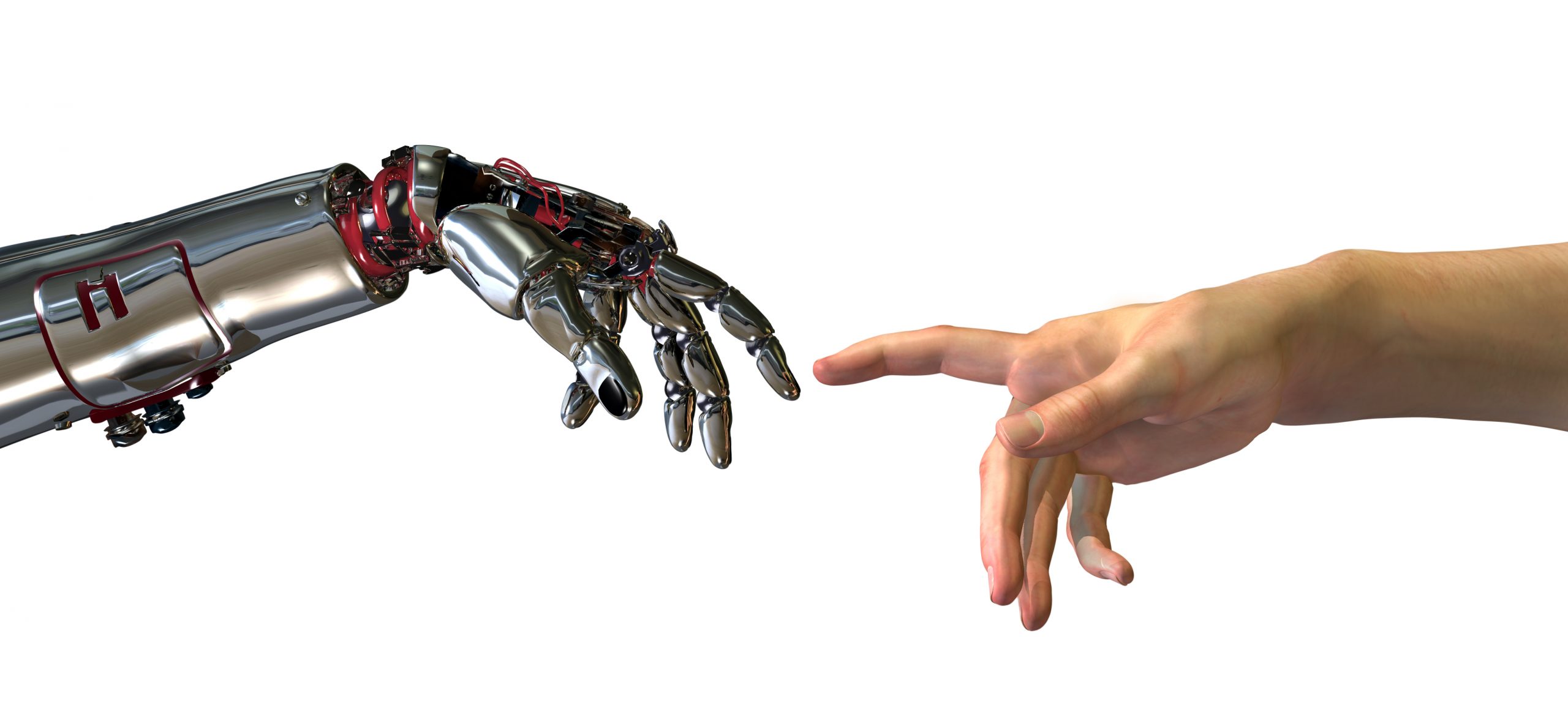
Robots are pretty darn cool. For many years, humans have dreamed of a future where robots can do their work and chores, leaving more time for leisure. Unfortunately, many science-fiction books and movies predict that robots will eventually become self aware and kill us all. I don't believe in such ominous predictions, however. No, I think those fictional stories are simply the byproduct of fear of change.
Instead, robots should be a fun use of science and engineering. With that said, Microsoft recently tapped the Xbox Team for the Build for Good LEGO MINDSTORMS Robo Competition. Using three LEGO Mindstorm robots, five Windows Phones, and a Surface Pro, they created a rather epic Zoo Tycoon presentation.
Is it time to 'Reset the Net'?
A new campaign called "Reset the Net" has been gaining ground in recent days, with major privacy pressure groups coming out in full support of its mission.
More than 30 of the groups, including Fight for the Future, Demand Progress, Reddit, Free Press and the Libertarian Party, have set June 5 as the day to "Reset the Net" by deploying new privacy tools and enhanced security solutions.
Say, Google, save Chromebook from Intel while you still can
PC manufacturers' priorities baffle me. For years I bitched about OEMs shipping laptops with low-resolution screens -- even Apple. Sony is, or was, the exception but offering the feature for a price premium. My first 13.3-inch notebook with HD resolution (1600 by 900) was a VAIO. In 2006! Apple only followed the Japanese company six years later. The screen is the gateway to your computer, so why do so many OEMs ship cheap displays? For Macs and many Windows PCs, panels are brighter, if not higher-res, today. But not Chromebooks, even as prices push against the $299 threshold and pop above it.
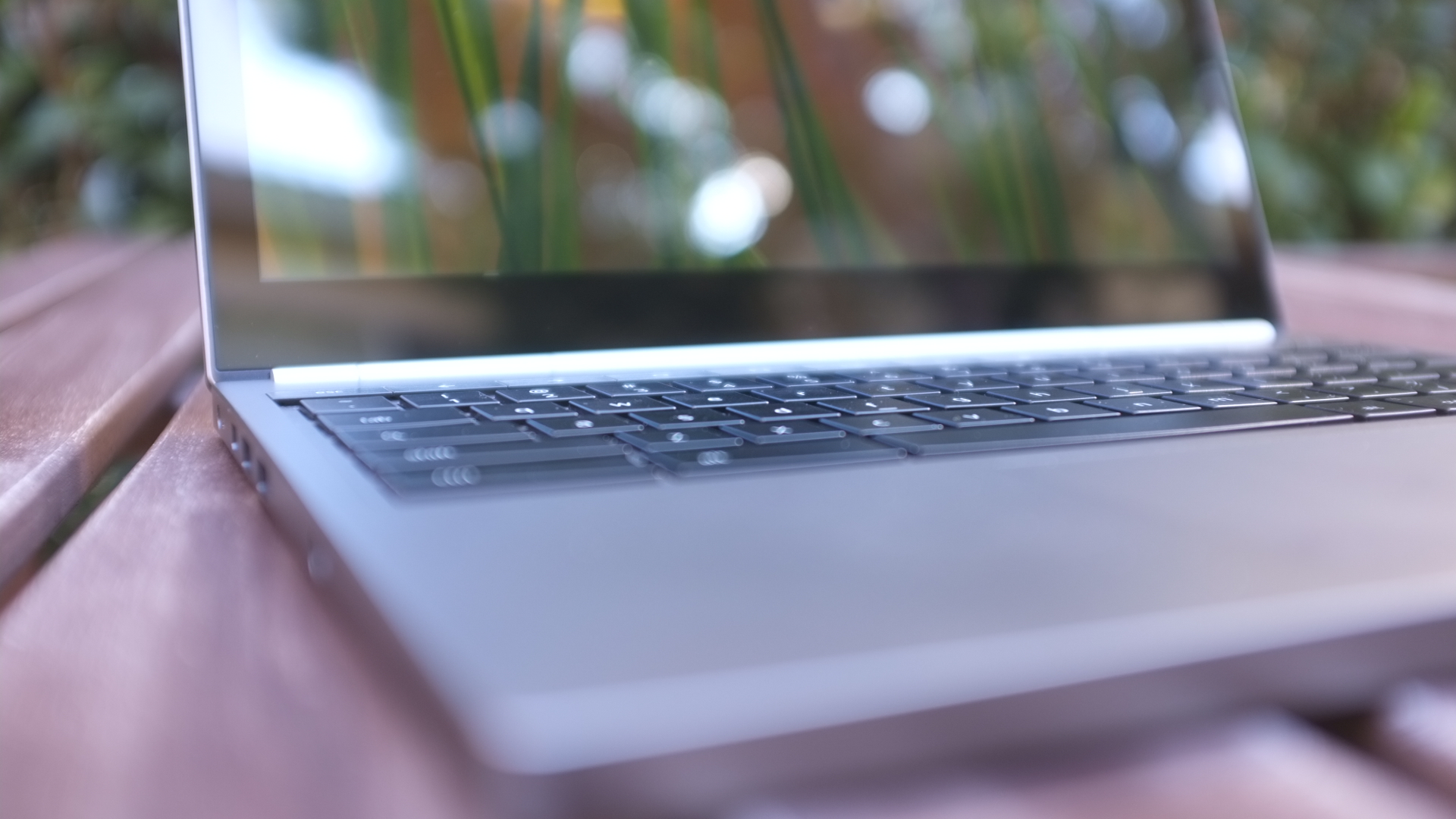
Yesterday's Intel-Google event was an eye opener, or perhaps eye-strainer for anyone looking for Chromebooks with better screens. During the Q&A, PC execs dodged a couple questions about the displays, the majority of which are 1366 x 768 resolution and dim 200-nit brightness. Resolution matters less when panels are bright and deliver consistent color and contrast from wide viewing angles. Chromebooks consistently ship with the best keyboards on any laptop for any price, and the trackpads are exceptional, too. The displays suck. Only two models are good enough. Most newer models change nothing.
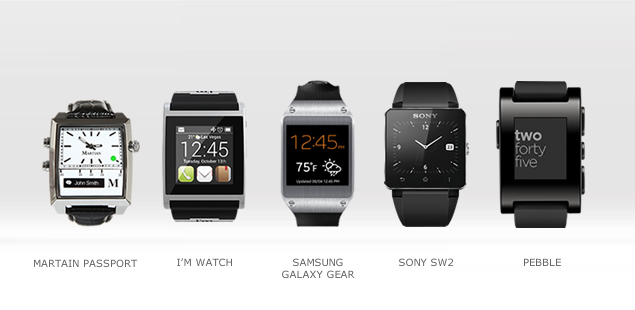
Smartwatches are not so smart after all -- the top problems users consistently face
Love them or hate them, wearables are the future. Although right now the technology seems mostly limited to smartwatches. Take a look at Amazon’s new wearable tech store, and it’s clear watches (and fitness bands) are by far the most popular type of wearable being developed and sold at the moment.
However, just because a growing number of smartwatches are available to buy now, doesn’t mean they’re ready for the big time. In fact, a new report from Fixya suggests quite the opposite, with the popular product Q&A service highlighting consistent problems across all of the smartwatch brands.
Symantec: Antivirus software is 'dead' and only catches 45% of cyberattacks
Symantec has declared antivirus software "dead" as it finally gets ready to take the fight to the new breed of cyber security threats that are plaguing companies across the globe.
Brian Dye, Symantec senior VP for information security, told the Wall Street Journal that antivirus is no longer a "moneymaker in any way" for Symantec or any other firm and that technology is being developed that will limit the effect future cyber attacks have.
Microsoft, McAfee and more join forces to promote security with World Password Day
Security is fun! Security is sexy! In fact, passwords get so many hearts pounding that World Password Day had to be dreamed up just to create an outlet for the outpouring of emotion associated with them. This may be stretching things a little, but today really is World Password Day, a global movement involving McAfee, Microsoft, Dell, Acer, Lenovo and numerous other big names to educate the world about... passwords! I jest a little, but this is a day with a serious message -- we are all incredibly reliant on passwords, but too many of them are just not strong enough.
Head on over to the website and you'll find all manner of tools designed to stress the importance of strong passwords, and to promote good practices. Things get off to a fairly gentle start with a typing game in which you're invited to type common passwords and blast them out of the sky. There are also tools and tips from each of the companies involved in the project. Microsoft has a password checker that will test the strength of your password, McAfee (now nothing to do with John McAfee!) has a Heartbleed vulnerability checker, while Dell has the handy tip that one shouldn’t type one's password into the username field.

FreeRIP: not just a CD ripper
It’s a tough world for CD rippers. Windows Media Player already handles most basic ripping needs all on its own, so developers really need to layer on the extras if they want to attract attention.
It can still be done, though, with a little work -- and FreeRIP is a good example.
TuneIn updates platform, aims to be the Twitter of music
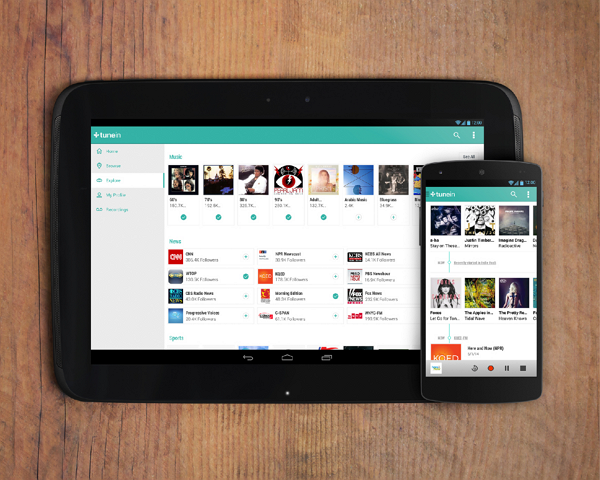
TuneIn Radio is one of the hottest music services right now, allowing customers to listen to both terrestrial and internet-based stations. Now the company is implementing a radical upgrade to the way it works.
The service is trying to become more social, a bit like a Twitter for music fans. "TuneIn will connect millions of listeners and broadcasters from all over the globe with new features including a personalized live feed, profile pages, and the ability to share content with the Echo feature", states the company.

Overlooked testing conditions that affect mobile app quality and performance
Building a mobile app is difficult -- it takes a lot of time, money, and some luck. Success not only depends on the content and functionality of the app, but also on how your app performs on real devices under real user conditions. Tools and SDKs for mobile app development have improved these last few years, but often the development and testing process misses the rigor and attention to detail that is required to give your app a fighting chance.
First and foremost, you cannot rely solely on post-launch crash reporting and monitoring tools. In the web world, companies learnt the hard way that bugs that caused sites to crash or payments to fail ultimately led to unsatisfied customers and lost revenue opportunities. As a result, a culture of pre-release testing is now ingrained in web development. So why shouldn’t the same apply for mobile and apps?
iOS 7 security flaw leaves email attachments vulnerable
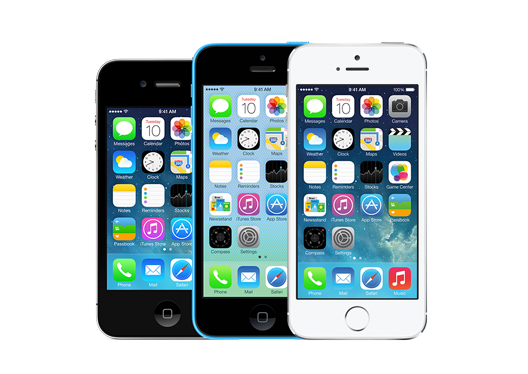
A glaring bug in Apple’s iOS 7 mobile operating system has resulted in every email attachment on iPhones and iPads being left completely unencrypted, according to new disclosures.
According to the official support documentation provided by Apple, iOS provides data protection on all devices that offer hardware encryption -- specifically the iPhone 3GS and later, all iPads, and the third-generation iPod touch and later.

Samsung Galaxy S5 gets down to business
Businesses want to have a certain level of control over the smartphones their employees bring into work environments. This means vendors which cater to these kind of needs, through dedicated management tools and software designed to isolate personal and work content, are more likely to get on their good side, and grab significant enterprise market share in the process.
South Korean maker Samsung offers a BYOD-friendly solution that is meant for its top Android devices. Called Knox, it received two major revisions, the most-recent of which was unveiled at MWC 2014 in February, since its introduction more than a year ago. It has been made available for devices like the Galaxy S4 and Galaxy Note 3. And, today, Samsung announced Knox (albeit in its latest iteration, version 2.0) also greets the Galaxy S5.

JPEG Saver: the ultimate in slideshow screensavers?
Windows has included a basic slideshow-type screensaver for many years, and it’s always been very easy to set up. Choose a source folder, maybe a display speed, and that’s it: your PC will begin showing your digital photos whenever the screensaver kicks in.
While this works just fine, it’s a little -- okay, extremely -- limited. But there is an alternative. The free JPEG Saver can also be set up in a flash to display a quick and easy slideshow. But it can also customize what happens next in just about any way you like.

The force is still (too) strong with Android, iOS in the smartphone market
Any efforts to break the Android and iOS duopoly in the smartphone market appear to be for naught as the pair continues to take the lion's share of shipments and sales. Even third place occupant Windows Phone struggles to gain significant territory, despite higher unit volumes.
A new report from ABI Research shows Android, iOS, and Windows Phone shipments grew in Q1 2014, compared to the same period from 2013. Despite this increase, Apple's platform lost share quarter-over-quarter, dropping from 11 percent to 10 percent. Meanwhile, Android and Windows Phone's shares grew, sequentially, to 44 percent from 39 percent, and to 3 percent from 2 percent, respectively. The numbers are lower than what the likes of IDC report because ABI Research's data combines smartphone and phone shipments.