



AI is set to reshape software development in 2026
In order to thrive in 2026 developers will need to align human creativity with AI, delivering software that is not only faster and smarter, but also more transparent, more intuitive, and more human-centered than ever before.
This is the conclusion of the latest software development trends report from Infragistics. It looks at how AI-driven intelligence, predictive UX, adaptive design systems, and ethical data governance will define the next era of digital innovation and what technology leaders can do to prepare.

Enterprises collect more unstructured data and pay more to manage it
A new report from Komprise shows that 85 percent of IT and data storage leaders are projecting an increase in data storage spend in 2026, while 74 percent are storing more than 5PB of unstructured data, a 57 percent increase over 2024.
To cope with these rising data volumes and outsized spending, enterprise IT infrastructure teams are looking to implement unstructured data classification. Survey respondents rank this as the top strategy to discreetly understand data for storage optimization, data governance, ransomware defense, security and AI curation needs. In parallel, classifying and tagging unstructured data is the top challenge in preparing unstructured data for AI.

Apple and Google are working together to simplify moving between iOS and Android
Google and Apple each have their own ecosystems, and they are understandably keen for people to remain within them. But the reality is that people who start off with an Android handset may one day decide that they want to jump into the world of iPhone; conversely it is far from unknown for iPhone users to take the decision to embrace Android.
Making the switch from one mobile platform to another is not impossible, but it can be something of an arduous task. The lack of compatibility or interoperability between iOS and Android has meant that moving data between different types of device is a time-consuming and frustrating process. But new collaboration between Apple and Google means that things should start to become a good deal simpler.
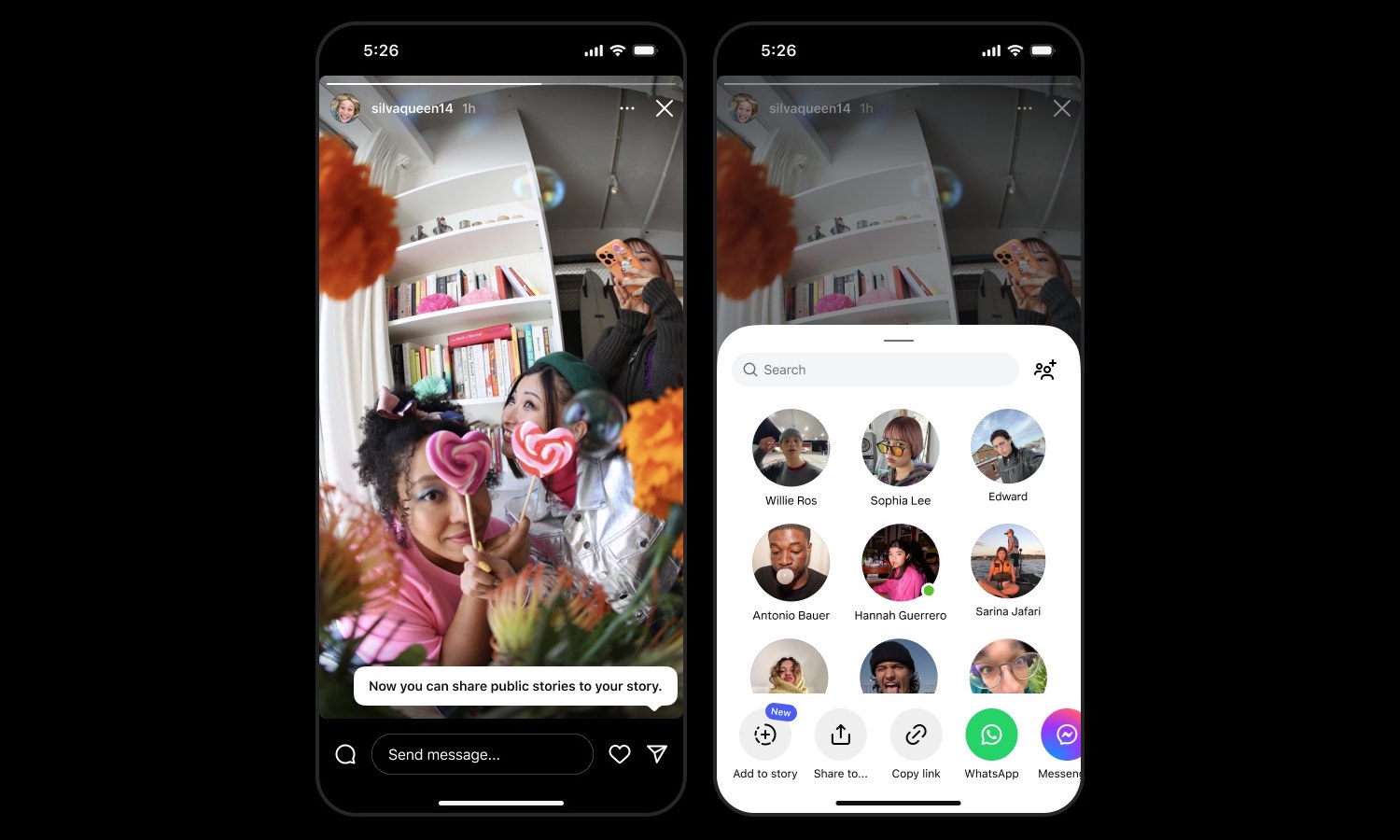
Instagram introduces new public story sharing option
A long-awaited change has landed in Instagram, providing users of the social media platform with a new way to share other people’s stories to their own timeline.
Instagram has stood apart from other social platforms in a number of ways, but notably in the lack of option for the sharing of other people’s public content. Now this is changing, helping to bring Instagram in line with other platforms, and giving users something they have been asking for for a very long time.
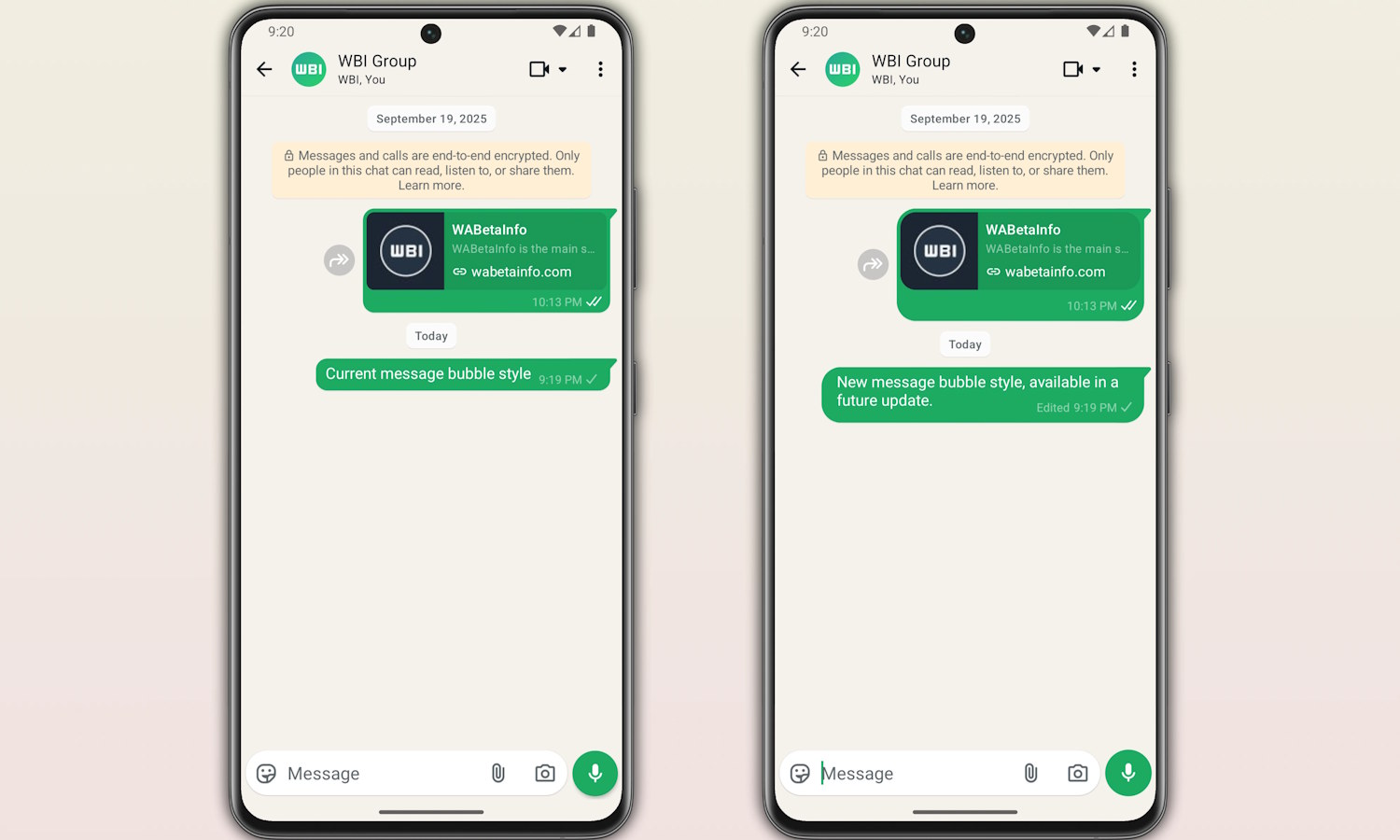
WhatsApp is bringing a new, softer look to chats
In apps, there are some changes which are gamechangers, others which are aesthetically pleasing, others still which sit somewhere else. Such is the latest change visible in the newest beta version of the Android edition of WhatsApp.
We have already seen various color and theme options introduced that make it easier than ever to personalize the look of chats, be that for differentiating between them more easily, or something else entirely. Now a more subtle change is on the way which introduces a softness which has been absent.
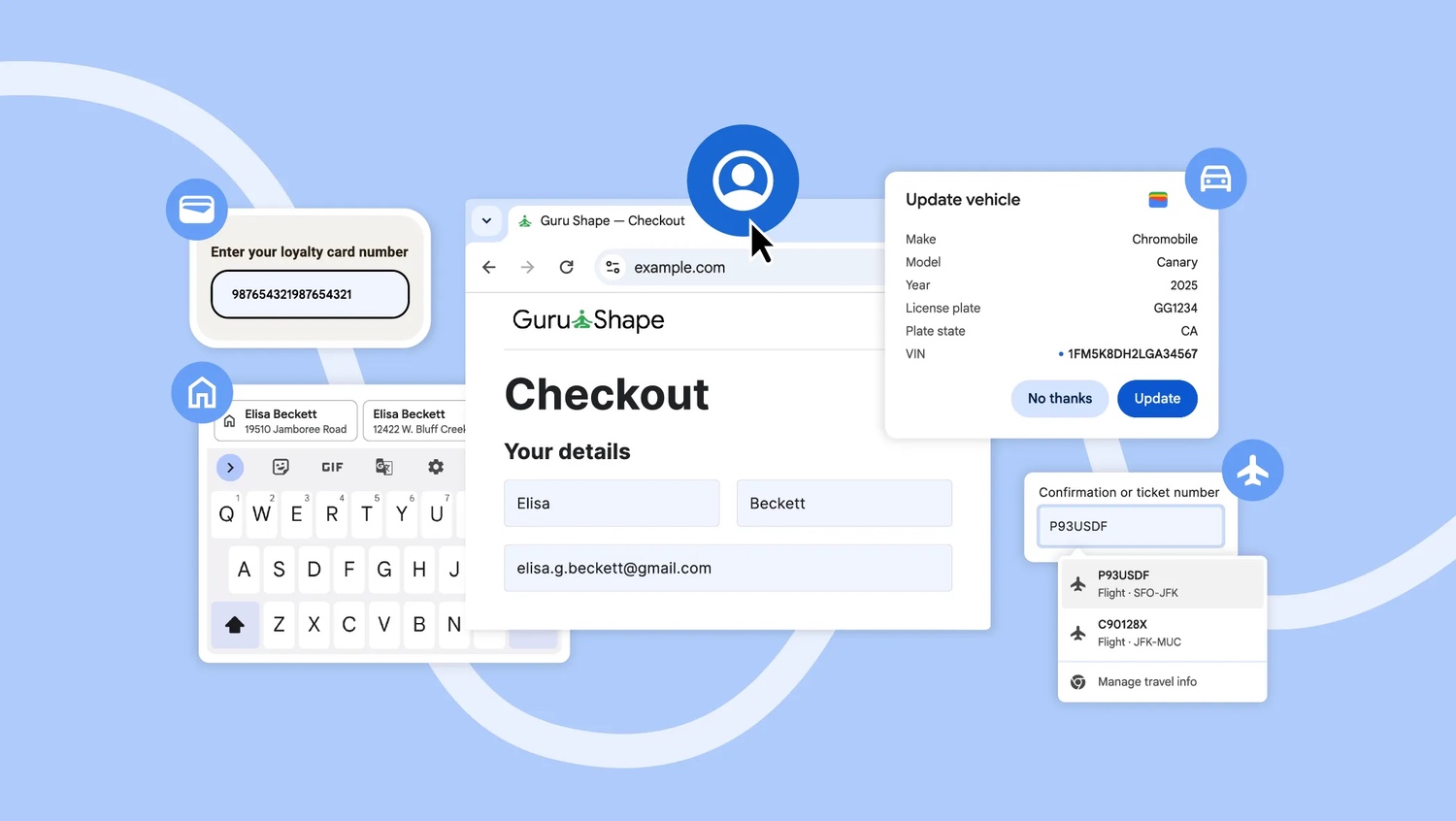
Google thinks that Chrome autofill will make the holiday season easier
The holiday season is seen by many companies as being as good a reason as any to highlight the benefits of their products and services, and Google is no different in this regard. Using the perceived stress of preparing for everything that this time of year involves for many people, Google says that Chrome autofill is here to make life easier.
The company points to now fewer than four ways in which this feature of the web browser can help you out, trying to show how it is about more than just saving time filling in your address.

ChatGPT Atlas ranks as the least private browser in new study
A new report on browser privacy places OpenAI's new ChatGPT Atlas squarely at the bottom of its rankings, citing weak protection against tracking, poor link security, and almost no effective data blocking. The study, conducted by software provider Digitain, reviewed 13 browsers and scored them across multiple privacy categories.
The report notes that the AI browser failed every state partitioning test, which means websites can track users across separate browsing sessions. Chrome also performed poorly, while more privacy focused browsers like Brave and Mullvad took the top spots.

NordVPN expands its security suite with a new email protection feature
NordVPN has added a new tool to its security suite for macOS and Windows, introducing email protection for users facing growing phishing and malware threats. The feature checks links inside emails as you open them in a browser and displays visual alerts when it identifies unsafe destinations. It then gives users real time guidance before they click anything risky.
Email protection checks each visible link in an open message and compares it with threat intelligence data. If a link leads to a site tied to phishing, malware, or other harmful activity, the system alerts users immediately so that they can take the relevant steps to avoid it.

How agentic AI is set to redefine enterprise APIs [Q&A]
The use of AI across modern enterprises in recent years has accelerated, with innovation at the forefront and APIs serving as the crucial enabler behind the scenes.
Now, agentic AI, capable of autonomous actions and decision-making, but this shift exposes several gaps in API documentation, drift in specifications and insufficient safety guardrails, all of which can lead to serious implications for organizations.
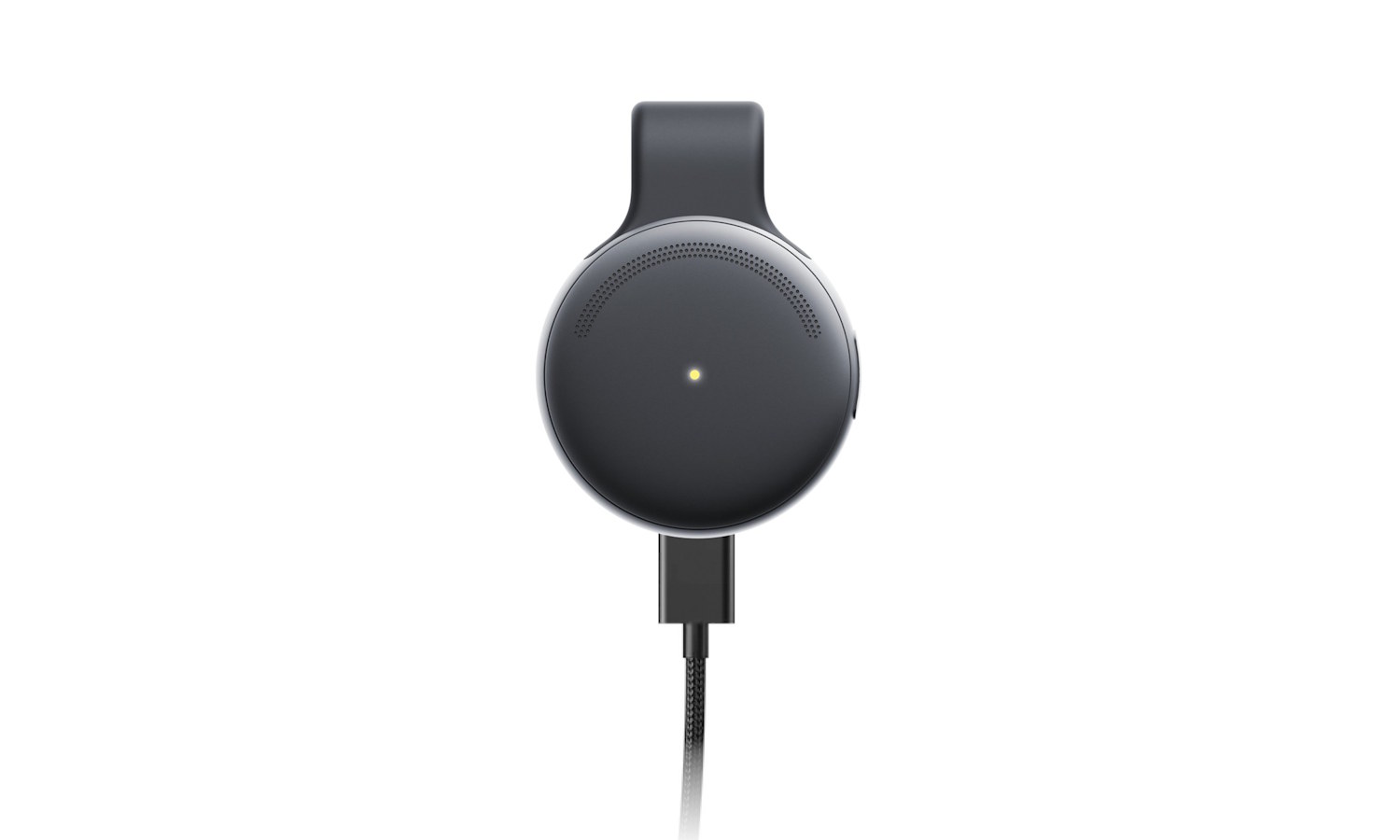
Meta has acquired Limitless, a startup that produces AI-powered wearables
Limitless has announced that it has been acquired by Meta. Formerly known as Rewind, Limitless is a company that says, “our vision is to free the human mind from its biological limitations”.
To this end, the company produces AI-powered wearable, including a pendant that can record and transcribe conversations. Numerous usage scenarios have been put forward, including helping people with dementia, ADHD or Alzheimer’s.
WhatsApp group chats are about to become much more useful
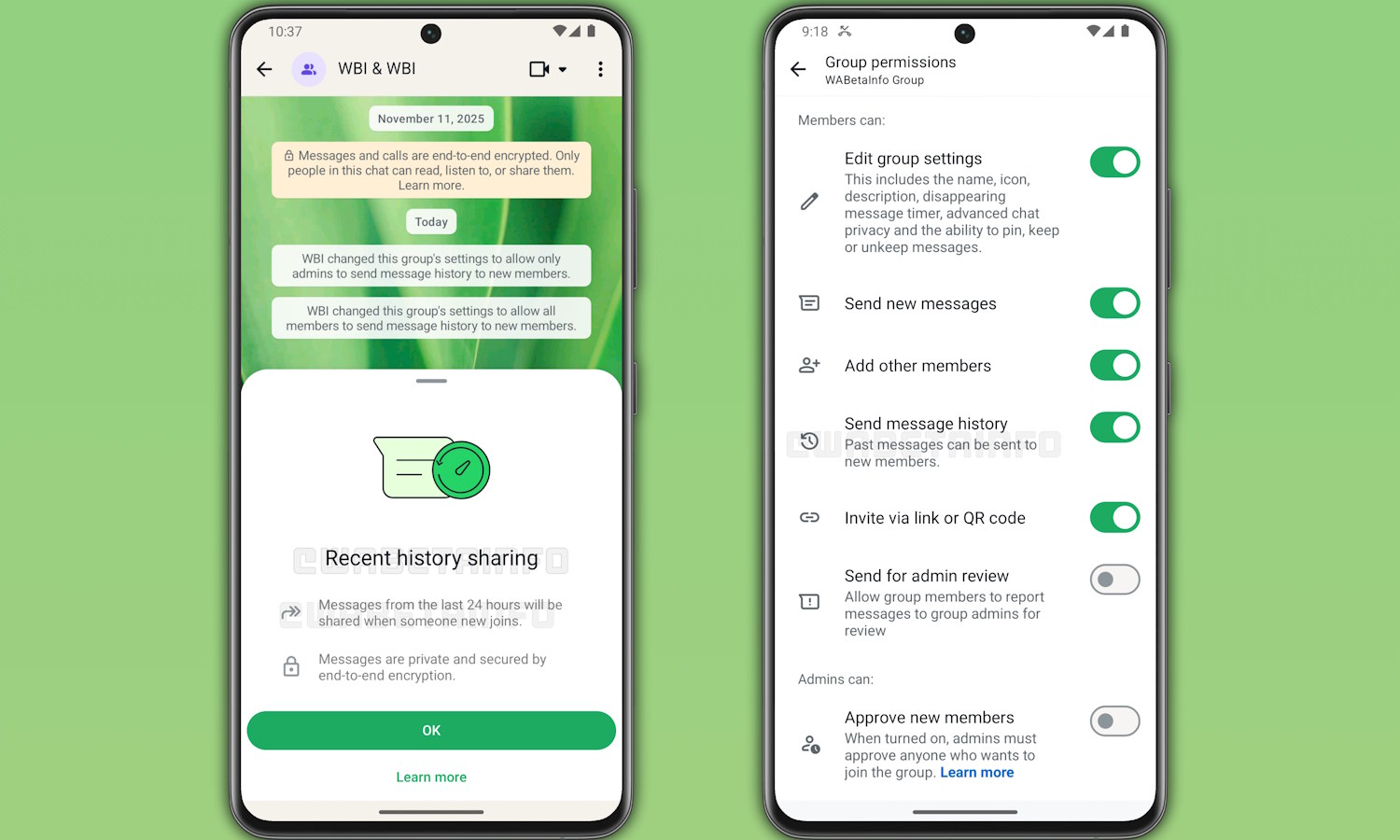
WhatsApp is popular enough to be considered ubiquitous these days, with the group chat feature used by families, work colleagues, friends and other collections of people to keep in touch. But while group chats are very useful, there are undeniable issues with WhatsApp’s approach.
A key issue is that when a new member is added to the group, they are only able to see messages which are sent from that point in time forward. Anything that was sent previously is invisible. But an important update could see this changing quite soon.

Microsoft will let you remove AI Action from the Windows 11 context menu
Microsoft may wish that things were different, but not everyone is as enamoured with artificial intelligence as the company is. Windows 11 is gradually becoming infested with endless AI components, and it is not something that all users are happy about.
One particular bone of contention is the AI Actions entry in the context menu. Even people who are fans of AI sometimes struggle to see the value in its presence, and it is actively loathed by many. Microsoft is, it seems, finally listening to feedback and giving users the option to hide it.
Microsoft is bringing some massive visual changes to PowerToys v0.97
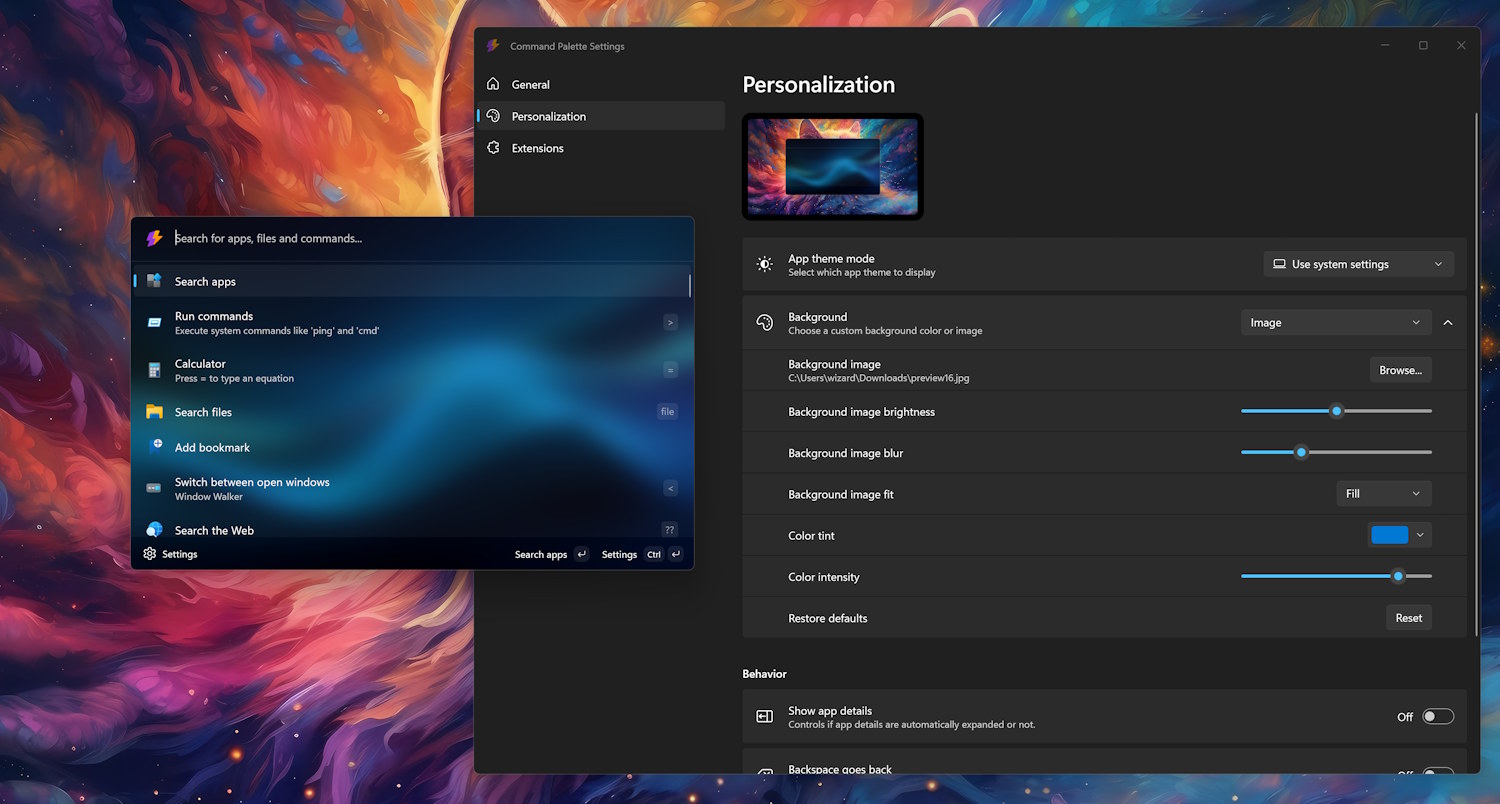
We know that PowerToys fans are always looking out for new modules to play with, and Microsoft is quite generous in sprinkling these across releases. But new releases are also about new features, bug fixes, and important tweaks and changes.
In an upcoming release, Microsoft is planning some significant changes for the suite of utilities. Key among the changes is support for theming and using custom backgrounds. One of the modules in line for these changes is the beloved Command Palette.

Tuxedo unveils Gemini 17 Gen4 Linux laptop for high performance workloads
Tuxedo Computers has launched its latest Linux laptop, the Gemini 17 Gen4. The new 17.3 inch notebook is designed as as a desktop replacement and combines an Intel Core i9 processor, Nvidia RTX 5070 Ti graphics and a 2560 x 1440 240Hz display. It's aimed at users who want workstation performance in a portable form.
The Gemini 17 Gen4 is built around on Intel’s Core i9 14900HX, a 24 core chip with eight performance cores and sixteen efficiency cores. It supports up to 32 threads with Hyperthreading and can reach up to 5.8GHz on single core loads. Tuxedo allows the CPU to draw up to 115W in this chassis. Under lighter workloads, the efficiency cores handle most tasks so the system can keep fan speeds low.

Threats improve to slip past firewalls and filters
The latest Cyber Threat Intelligence Report from Hoxhunt looks at the quantity and quality of threats that bypass firewalls and email filters.
It finds attackers are improving their techniques to create more credible threats which are more likely to slip past defenses. Phishing techniques are improving with cleaner language, more convincing formatting and more believable workflow mimicry.