
Microsoft stomps on Internet Explorer 6's grave
Here's what you do at Microsoft when you can't boast about how high Internet Explorer usage share is: You trumpet about how low it is. In what has to be one of the strangest blog posts coming out of Microsoft in weeks, Roger Capriotti proclaims: "IE6 usage in the US has now officially dropped below 1 percent!" Well, it's nearly 8 percent globally, Bud, but what kind of cheerleading is this? Generally companies tout who uses their products, not who doesn't.
But that's the strange state of Internet Explorer 6, which Microsoft can't seem to kill -- and not for want of trying. Days like this, I want to be an artist (sadly, capable stick figures exceed my drawing capabilities). It's so past time for someone to portray the browser that won't die as some kind of undead creature.

As many as 55 Million users abandoned Internet Explorer in December
Last Friday, Microsoft published its year-end Internet Explorer statistics based on Net Applications usage tallies, and concluded that Internet Explorer 9 would have claim a 25 percent share of the Windows 7 browser market. This trend was illustrated by IE8 users upgrading to the new browser.
However, the final statistics from StatCounter and NetApplications for the month of December show that not all IE8 users are upgrading, and Internet Explorer (all versions) continues to drop as Google's Chrome browser continues to rise in large jumps across the world.

CoolNovo: Chrome with benefits
Chrome is an excellent browser, one of the best around, with plenty of essential functions and features.
Could it be better, though? Maple Studio says yes, offering their own version, CoolNovo (the browser formerly known as ChromePlus) as evidence. It’s based on the same source code, so you’ll feel at home right away and can use all your favourite Chrome extensions, but the company has then taken things further by adding new features of its own.

Microsoft expects IE9 to claim 25% of browser market in December
Microsoft's Internet Explorer team announced on Friday that IE9 has passed both Firefox and Chrome in market share, and will soon be the number one browser among Windows 7 users according to data from Net Applications.
Though data from the month of December is not yet complete, the Internet Explorer team expects IE9 to close out the year with a quarter of the browser market as users upgrade from Internet Explorer 8.
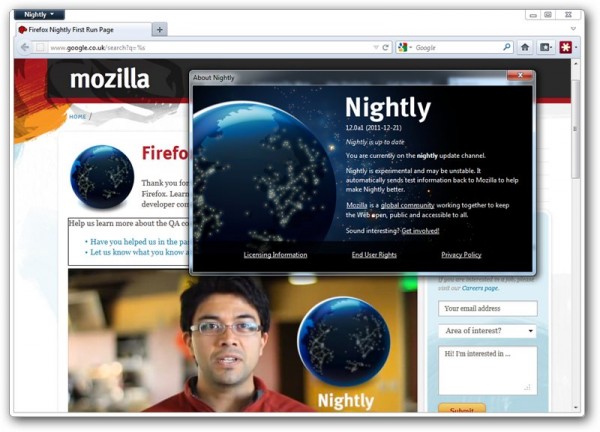
Which Firefox is right for you -- 9, 10, 11, 12 or UX?
The Firefox development merry-go-round has moved on again, with Firefox 10 Beta and Firefox 11 Aurora builds being joined by two separate versions of Firefox 12: Firefox 12 Nightly and Firefox 12 UX, the latter build representing the efforts of a team focussed on delivering improvements to the Firefox user interface.
Despite the lack of any major revamps, there’s enough new features and interface tweaks filtering through the various builds to make the next three planned versions worth looking out for. Get a head’s up on what’s coming and discover which build is best for your current needs with our updated guide to what the future holds in store for Firefox.
It's the Google-Microsoft snow ball fight!
This holiday, Google has delighted searchers with Easter Egg "let it snow", which spread virally across blogs and social networks over the weekend. Type "let it snow" into a Google search box and watch the flakes fall. It's a wonderful HTML5 demo.
Snow ball fight! Microsoft couldn't let Google's demo go unanswered, offering its own, which is best for the minority of people running Windows 8 Developer Preview on a PC with touchscreen display. Rob Mauceri, Internet Explorer group product manager explains in post "Let it snow.. faster!" Say, Google, are you going to let Microsoft throw more snow?

Google is Firefox's Christmas Miracle
It's no secret that Mozilla needs Google. The Mountain View, Calif. search company provides a significant source of revenue for the software company, as it is the default search in Firefox. That deal has been extended an additional three years, the two companies announced on Tuesday.
"Mozilla has been a valuable partner to Google over the years and we look forward to continuing this great partnership in the years to come", Google's search chief Alan Eustace says. Specific terms of the deal were not disclosed, but it may be safe to assume that it will contribute somewhere in the neighborhood of $100 million yearly to Mozilla's bottom line.
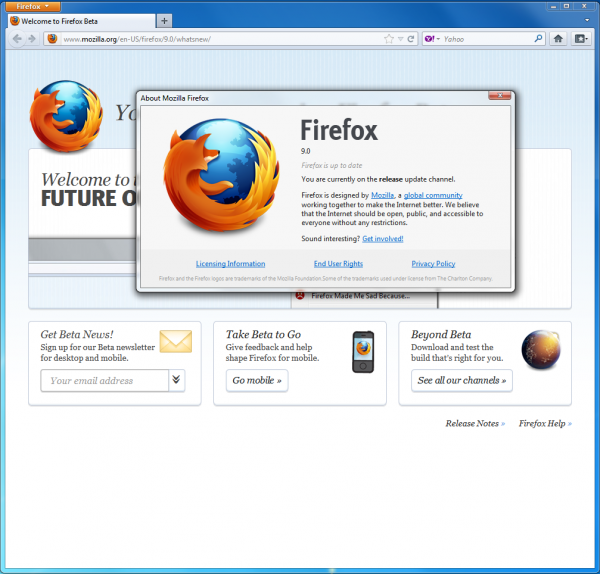
Mozilla releases Firefox 9 -- get it now!
It has been a momentous year for Mozilla and its Firefox and Thunderbird products. Last March, Mozilla released Firefox 4 as part of a new rapid-release cycle, adding Thunderbird to the same cycle shortly thereafter, which ensured a brand new version number would appear every six weeks or so.
Consequently, it will come as little surprise, that practically six weeks to the day since Firefox 8 made an appearance, Mozilla released Firefox 9 Final . Those looking for a slew of new features will be disappointed, but it does contain one major performance fillip that makes upgrading worthwhile.
Microsoft will push automatic updates to Internet Explorer, starting January 2012
Microsoft is set to get a little more pushy ensuring you have an up-to-date browser and will automatically update Internet Explorer to the latest version on Windows XP, Vista, and Windows 7 beginning in January. This will occur for those who have enabled Automatic Updates within Windows Update, the company says.
The move echoes a trend started with Google's Chrome, which automatically updates itself by default: other browsers (such as Firefox and Opera) prompt before updating. Chrome's update strategy is why a previous version loses market share quickly when a new version comes out.
Google releases Chrome 16 -- get it now!
Google has announced the release of Chrome 16.0.912.63 to the Stable Channel for Windows, Mac, Linux and Chrome Frame. And as you may know if you’ve been following beta developments, this release includes one particularly interesting new feature in the ability to create multiple profiles for a single instance of Chrome.
If others use your copy of Chrome, you’ll probably already know just how important this can be. Because right now, sure, Chrome is great at syncing your bookmarks, extensions, history and so on across all your other devices. But if someone adds their own bookmarks or extensions then they’ll be synced as well, which probably isn’t what you want at all.
Opera 11.60 released -- get it now!
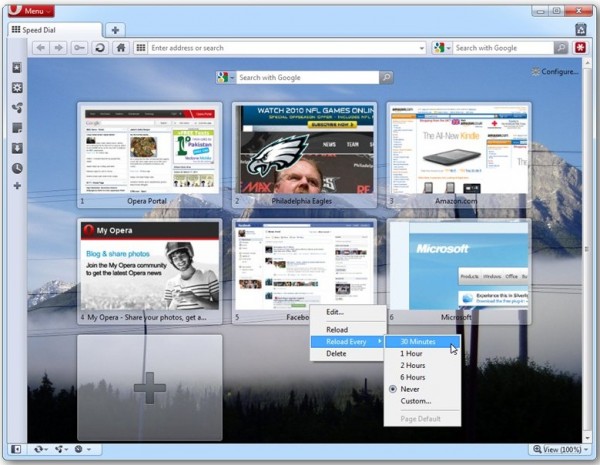
Opera Software has announced the release of Opera 11.60 Final. Despite the relatively minor version number, Opera 11.60 boasts three major new features, including revamped Address Bar, browser engine and mail client.
Opera, which runs on Windows, Mac and Linux, has long been regarded as a pioneer when it comes to the web browser -- it was the first to introduce tabbed browsing, for example, and is still the only major browser to also include a mail client.

Safari browser usage suddenly tumbles
Microsoft shouldn't break out the champagne just yet, but there's still reason to celebrate even if no trend is yet evident. Internet Explorer usage share nudged up ever so slightly in November, according to new data Network Applications released today. Meanwhile, Chrome kept its relentless march upward -- for the 13th consecutive month. Firefox is still No. 2, contrary to reports today from StatCounter. I trust NetApps data more.
Safari was by far the month's biggest loser, with usage share falling to 5 percent from 5.43 percent in October. The loss is no small matter. Safari is integral to Apple's broader digital lifestyle push, where synchronization is vital component -- and that includes Safari. Related: Apple shipped record number of Macs during third calendar quarter, launched iPhone 4S and iCloud and saw global PC share top 5 percent. By that reckoning, Safari share should be up, not down.
Don't miss one of this week's exciting 18 downloads
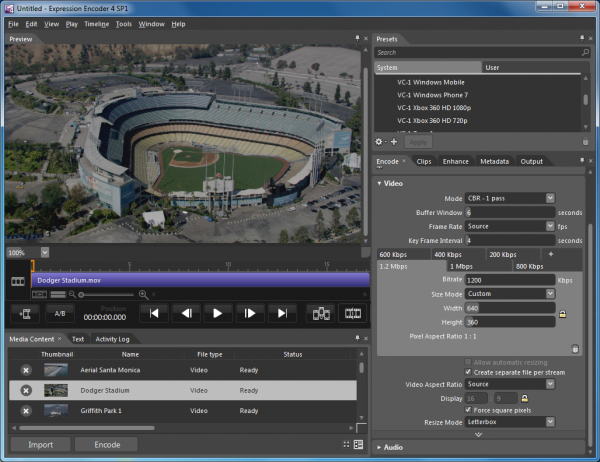
Another busy week software releases has passed, and chances are you missed something. Fear not, we have collected together some of the highlights of the past seven day in another handy roundup so you can catch up.
VMWare released a series of updates to it virtualization software, starting with VMware Workstation 8.0.1. The app can be used to run virtual copies of Windows and Linux and the latest version includes graphics performance improvements as well as support for Ubuntu 11. VMware Player 4.0.1 is the free version of the virtualization tool for Windows while VMware Fusion 4.1 is more a major upgrade for Mac users, which supports full screen mode in Lion, improves performance of virtual machines and much more.
Can't wait for Firefox 64-bit? Try Waterfox 8
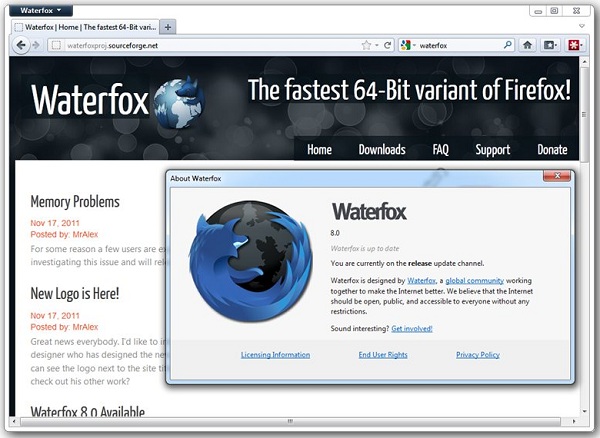
Each new release of Mozilla’s Firefox brings improved performance to this popular open-source web browser. But despite these welcome tweaks, Firefox remains hobbled in one major respect: it’s resolutely 32-bit.
There is an experimental 64-bit build of Firefox Nightly for Windows and Linux, but it’s an extremely early, unstable release and isn’t recommended for the casual user. So how can you enjoy Firefox in 64-bit without major risk? The answer lies with Waterfox 8.0.
Firefox 8 too slow for you? Try Pale Moon 8
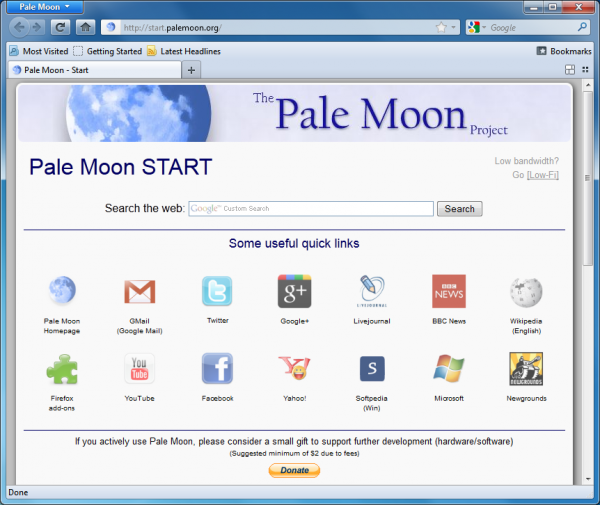
Only a few days have passed since Firefox 8.0 arrived, with new additions including an option to speed up launch time in some situations. If the browser still isn’t quite as fast as before, though, you could always try Pale Moon 8.0, released today.
This spin-off project starts with the same code base, so for the most part looks and behaves just like regular Firefox -- but it’s been carefully optimized to deliver even better performance.