
Google unveils plan to better fight terrorist videos on YouTube
Terrorism is a scourge on society. When people live in fear, they cannot truly be free. While some governments are constantly working to fight terror, it cannot be done alone. To truly keep people safe, the private sector must participate in anti-terrorism efforts too -- especially when fighting propaganda and recruitment.
A good example of this is Google with YouTube. The company's video-streaming site is ubiquitous for a reason -- it is easy to use and non-restrictive when it comes to content. In other words, Google has supported free speech on its platform, but with that said, it also takes down videos that violate the terms of its service. Unfortunately, disgusting content -- including terror-related videos -- have slipped through the cracks. While expecting perfection is unrealistic, Google still wants to do better. In fact, the search-giant is presenting a four-part plan to better fight terrorism on YouTube. In addition, the company is working with other tech giants, such as Facebook, Twitter, and Microsoft to bolster its efforts.
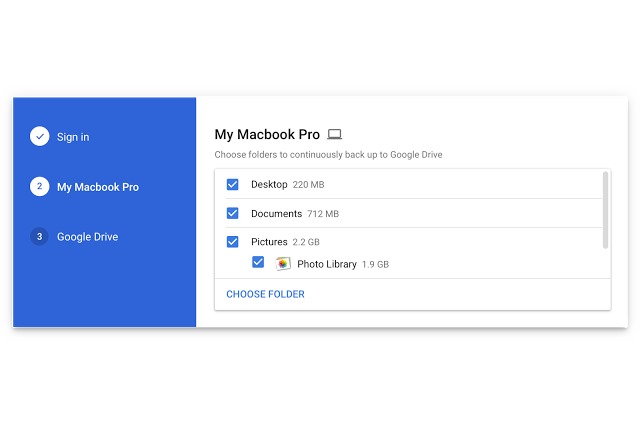
Greatly enhanced Google Backup and Sync to (mostly) replace Drive
Later this month -- June 28 specifically -- Google is to launch a new tool: Backup and Sync. Aimed primarily at consumers, the tool is designed to backup files and photos, and make them accessible from any device.
Backup and Sync is described as "the latest version of Google Drive for Mac/PC, which is now integrated with the Google Photos desktop uploader," and for most users it will completely replace Drive. Corporate and enterprise users are advised to hold out until the release of Drive File Stream later in the year, but for everyone else, Backup and Sync opens up the possibility of automatically backing up entire hard drives.

Google Pixel's low sales prove mindshare doesn't equal market share
If you look at the flagships the media loves to talk about, you may be inclined to believe that the Pixel and Pixel XL are two of the most popular high-end smartphones today. It is easy to think that when you have so many major outlets comparing them to the Apple iPhone 7 and iPhone 7 Plus and the Samsung Galaxy S8 and Galaxy S8+ like they're in the same league somehow or as attractive to consumers.
In reality though, Pixel and Pixel XL sales are abysmal. How do we know that? Well, for one, you do not see Google showing up as a leading vendor in any of the quarterly reports issued by IDC and Gartner, and, second, Google itself has confirmed their niche appeal. This is another great example why you shouldn't put an equals sign between mindshare and market share -- especially when it comes to Google-branded devices.
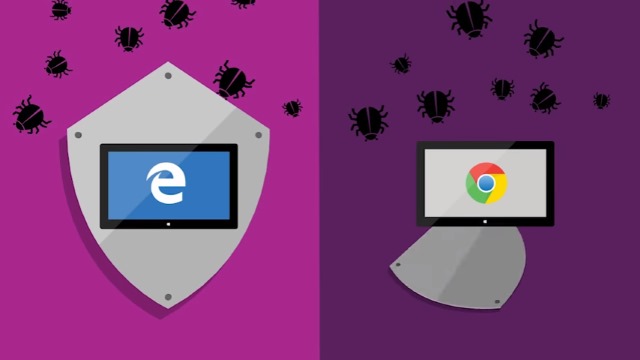
Microsoft ads slam Google, claiming Windows 10 beats Chromebooks for business and education
Microsoft's latest anti-Google ad campaign has more than a slight whiff of Scroogled from a few years back. A pair of advertisements lay into Chromebooks, and suggest that Windows 10 devices are far better for both business and education.
Google has made much of the benefits that Chromebooks can bring to the classroom, but Microsoft disagrees -- and says Windows 10 Pro is far better for businesses too. In the two ads, the company highlights the security and features of Windows, painting Google's software as insecure and underpowered.
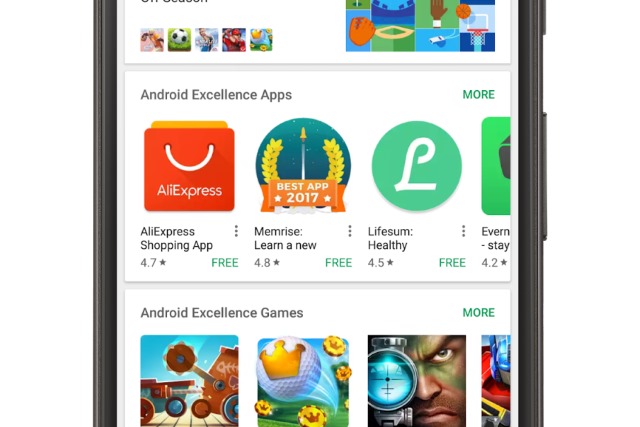
Google launches Android Excellence to recognize the very best apps and games
Google has launched a new scheme which sees the company highlighting the very best games and apps to be found in Google Play. This is not simply a list of the most downloaded or, necessarily, the most highly rated titles; Google has a new batch of criteria by which to judge developers' offerings.
The real aim is to heap praise on those apps and games which exude quality, and deliver the best user experiences. Google says that titles which "use many of our best practices, and have great design, technical performance, localization, and device optimization" will also feature in the regularly-updated list.
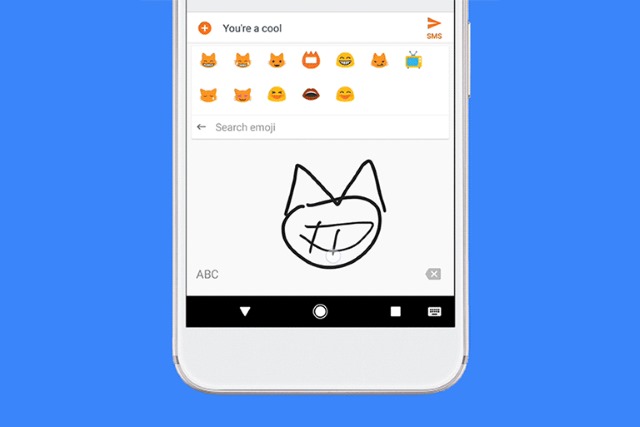
Gboard for Android now recognizes the emoji you draw by hand and suggests phrases for you
Emoji offer a great way to spice up your chats, and the Android version of Gboard has been updated to make it easier to find the perfect ones. The update means you can now use the emoji search box to draw the sort of emoji you're looking for, and Google's keyboard will track down what it thinks you mean.
Google uses machine learning to interpret even the most primitive of squiggles, so now there's no need to think about how you would describe a particular emoji in order to perform a text-based search for it -- just draw what you want! But there's more.
Google launches 'Qibla Finder' augmented reality web app to help Muslims pray
When Muslims pray, they are supposed to face Mecca -- a city in Saudi Arabia. This can be difficult for those that travel, as the direction can change based on the person's current location. For someone that tends to always be in the same city, this can be far easier to remember day to day.
If you are a Muslim that desires absolute accuracy when praying, Google has a new solution for you. Called "Qibla Finder," it is a web app that will show you the exact location to face.
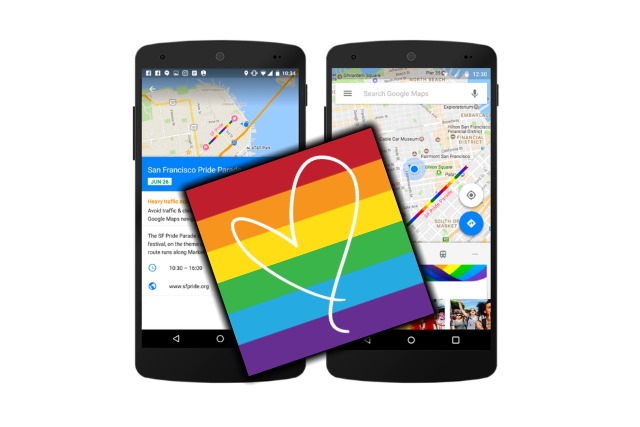
Google and Facebook celebrate Pride month with event maps and rainbow reaction
June is Pride month, and two of the biggest names in tech are getting involved in the celebrations. Google and Facebook are both showing their support for LGBTQ communities around the world.
Facebook has introduced a new, temporary, "reaction" in the form of a rainbow flag, while Google Maps is highlighting Pride events in cities around the world -- so you can either navigate to them to take part, or avoid the crowds if you're heading elsewhere.
Google makes the mobile internet safer with reCAPTCHA Android API
On the tenth anniversary of the arrival of reCAPTCHA, Google announces the first reCAPTCHA Android API as part of Google Play Services. The API makes it easier for reCAPTCHA to differentiate between humans and bots.
Just as reCAPTCHA has evolved over the years into Invisible reCAPTCHA, the aim with reCAPTCHA Android API is to cut down on spam and abuse in as unintrusive a way as possible.

Google, you better up your tablet game before Apple takes you down
To celebrate the launch of Apple's new 10.5-inch iPad Pro, I ordered Pixel C, which arrived three days ago. Worst case, the tablet can be returned for refund during the buyer's remorse period; there ain't any regrets so far—just the opposite. To my pleasant surprise, the tab is much more enjoyable than I remember, because Nougat is so pretty, efficient, and buttery smooth than was Marshmallow on the device. The screen scorches any available iPad, Pro or otherwise, and the performance is shockingly nimble. My Pixel C shipped with Android 7.1.1 and quickly updated to 7.1.2. I will soon install Android O; Google released Developer Preview 3 yesterday.
There's a certain insanity to the purchase, which I am sure flaming commenters will just love. I reviewed Google's Android slate 15 months ago; that makes the thang ancient as measured in computing years. But Big G still sells the tab, and there must be a reason, right? I got another because a college student took possession of my first Pixel C in early 2016. With keyboard cover, the tablet makes a helluva handy carry-along on campus.

EU proposals could grant police direct access to US firms' cloud data
The European Union is seeking ways to make it easier for law enforcement agencies to gather evidence from US tech firms. The European Commission has three proposals that could form the basis of future legislation, and one of them involves granting direct access to individuals' data stored in the cloud.
While the proposals are unlikely to prove popular with the public -- particularly when the UK is already subject to the invasive Investigatory Powers Act -- they are being pushed as a tool in the fight against terrorism.

Google updates Developer Program Policies to fight incentivized app ratings, reviews and installs
Google has taken various steps over the years to try to combat dangerous apps in the Play Store, but this is far from being the only problem Google Play suffers from. There is also the ongoing issue of fake app reviews, incentivized activity, and other means of user manipulation.
Having already put in place some measures to crack down on such activities, Google is now updating its Developer Program Policies. It warns developers that they must "not attempt to manipulate the placement of any apps in the Store" and while banning the bribing of users is nothing new, here Google is aiming to provide additional clarity.
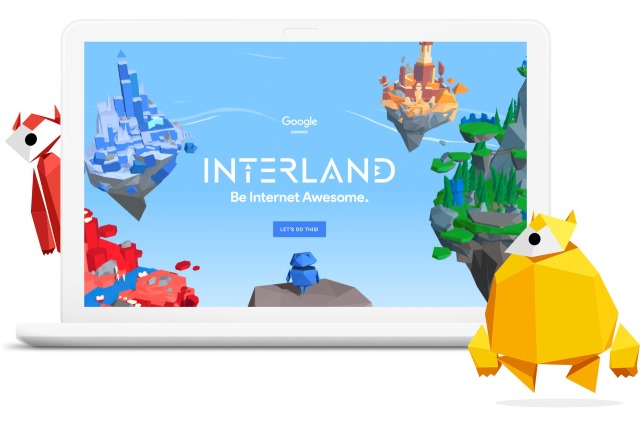
Google wants to educate kids to help them 'Be Internet Awesome'
Google has developed an educational program with the aim of helping children make better use of the internet. It's a drive to "help kids learn how to be smart, positive and kind online, just like we teach them to be offline" and it's called Be Internet Awesome.
Pavni Diwanji, vice president of Engineering For Kids and Families at Google says: "We need to provide guidance as they learn to make their own smart decisions online." The program has been developed with a number of key online safety experts and includes an educational game called Interland.
Material Design and new developer tools come to Chrome 59
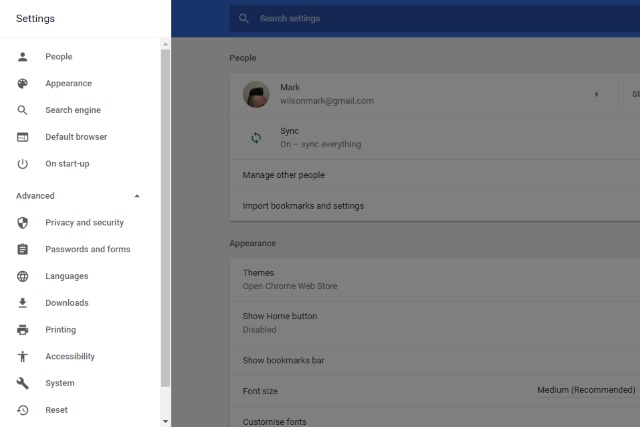
Google has started to push out updates to the latest version of its web browser -- Chrome 59 for Windows, Linux and macOS. The update includes a number of important security fixes, but also sees the arrival of Google's Material Design on the desktop.
The Material look is one that will be very familiar to Android users, as well as anyone who uses Google's various online services. But Google is not quite ready to give its desktop browser a full makeover yet.
Google confirms Home devices are facing widespread breakdown
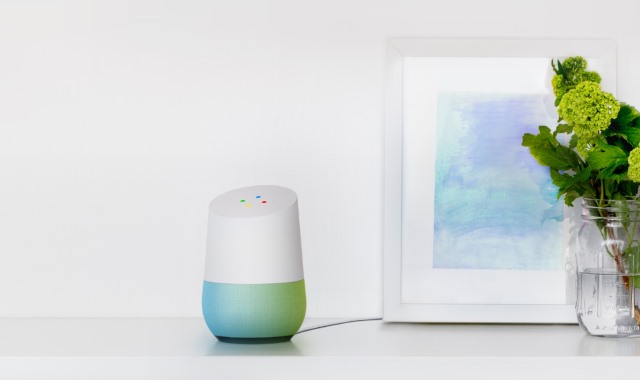
What happens when a digital assistant decides it no longer wants to help you? In what is either a case of a sentient digital uprising, or just a software bug that Google is scrambling to fix, owners of a Google Home smart speaker may be waking up today to realize their daily dose of traffic conditions and weather updates are not being delivered to them on a cloud-based silver platter as usual.
First brought to attention by a user on the official Google Home Help Forum a few days ago, many users are discovering that every single "OK, Google" request they make to the digital speaker is being met with an automated error message.