
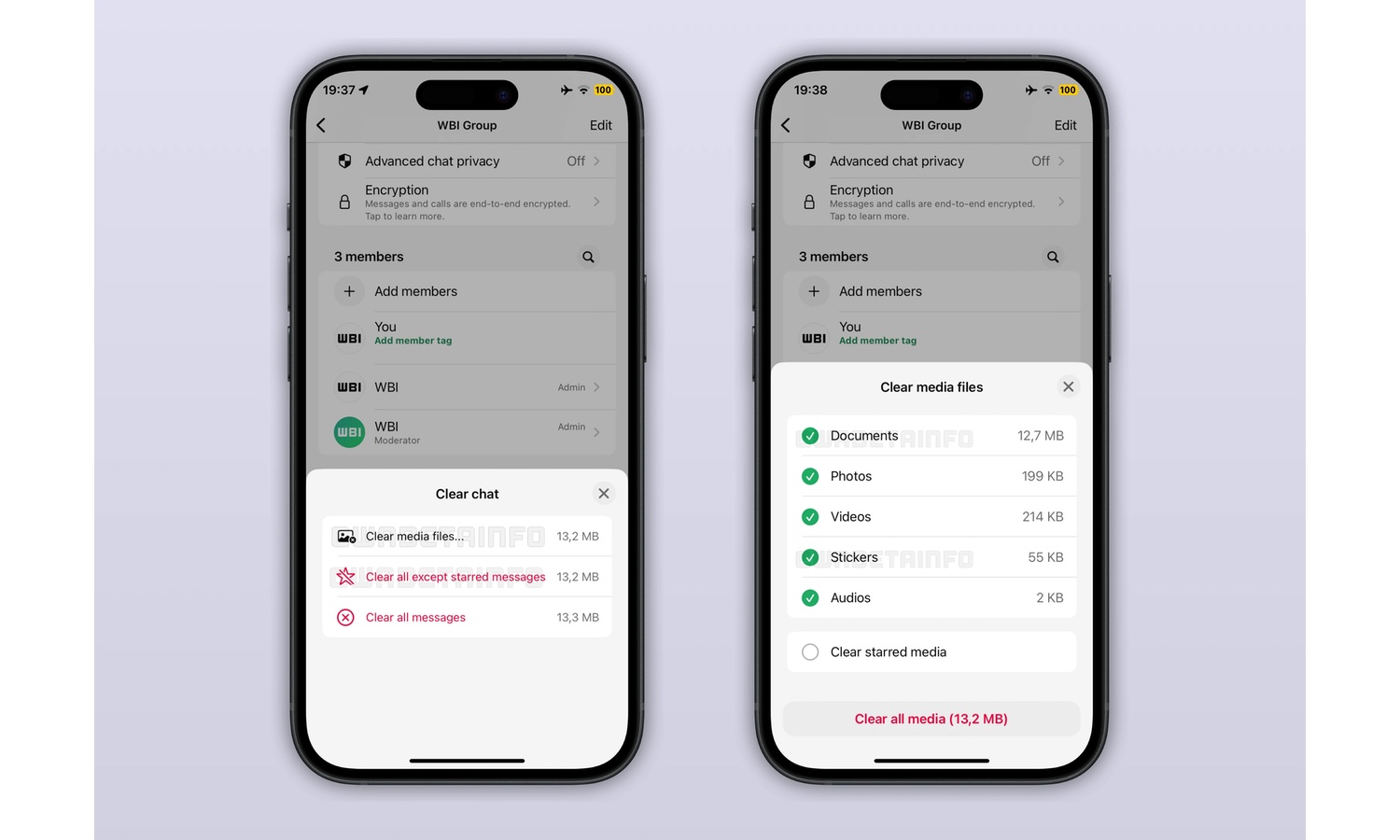
WhatsApp for iOS gains an enhanced Clear Chat feature
Currently in beta testing, iPhone users are being given access to an enhanced and updated version of WhatsApp’s chat cleanup tool.
The feature – which allows for the deletion of messages and media in different ways – is not completely new, but it now offers greater control over what is deleted. The cleanup tool now provides a better balance between freeing up space and retaining the files that were shared in a chat.
Mozilla expands Firefox’s translation and custom icon availability
It is far from uncommon for the Android and iOS versions of the same app to have different features, and Firefox is no different in this regard. Now Mozilla is leveling the playing field by bringing a previously Android-only feature to iPhone users, and an iOS-only option to its Android app.
While it may seem a little strange considering the widespread availability of the option in other web browsers, the iOS version of Firefox has not featured a web translation option. Now this changes. But there is also a nice change to Android users.

Apple and Google are working together to simplify moving between iOS and Android
Google and Apple each have their own ecosystems, and they are understandably keen for people to remain within them. But the reality is that people who start off with an Android handset may one day decide that they want to jump into the world of iPhone; conversely it is far from unknown for iPhone users to take the decision to embrace Android.
Making the switch from one mobile platform to another is not impossible, but it can be something of an arduous task. The lack of compatibility or interoperability between iOS and Android has meant that moving data between different types of device is a time-consuming and frustrating process. But new collaboration between Apple and Google means that things should start to become a good deal simpler.
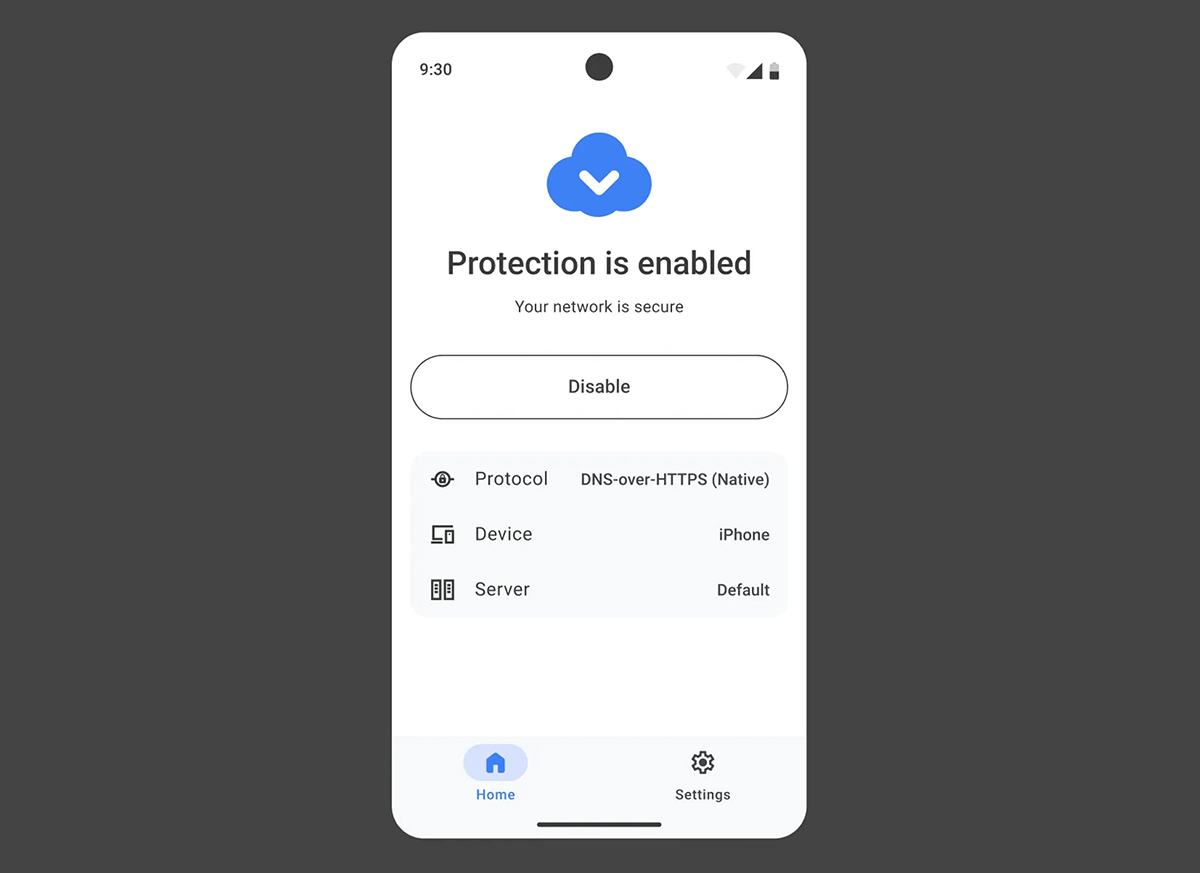
AdGuard launched AdGuard DNS, a lightweight DNS app for Android and iOS
AdGuard has released a mobile app for DNS-level protection on iOS and Android, offering a simple way to block ads, trackers and harmful sites via encrypted DNS. AdGuard DNS targets users who want network-level filtering while avoiding the complexity of full ad-blocking or VPN tools.
The app is easy to set up and use. After installing it, users can link a device to their AdGuard DNS account by entering a Setup ID from the dashboard or by scanning a QR code.
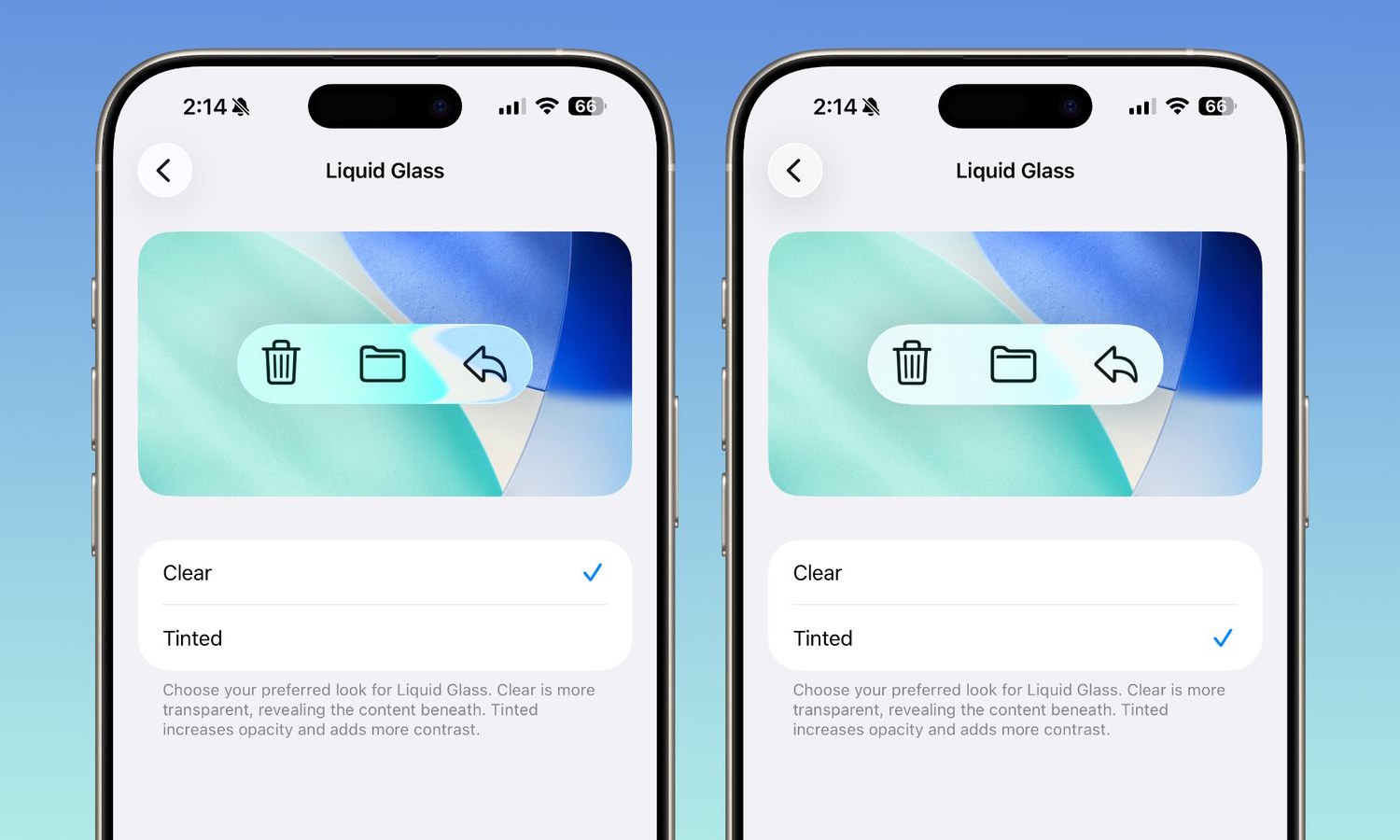
Apple decides to let users control Liquid Glass transparency
Any major visual change to software is likely to result in a mixed reaction – this is certainly true of the Liquid Glass transparency effect Apple introduced into its desktop and mobile operating system recently.
Apple is a company that prides itself on producing designs that balance beauty with utility, so it was probably surprised when users complained about Liquid Glass. Not willing to give in entirely and allow users to switch the effect off completely, Apple has relented a little, introducing controls to change the intensity of the look.
Apple doubles its top bug bounty payout to $2 million
Five years after it was launched, Apple has announced major changes to its bug bounty program. The Apple Security Bounty program is entering what the company describes as a “new chapter”, and the headline change is a massive boost to the payments made for the discovery of the most serious types of security issues.
In addition to this and other changes, Apple also reveals that it has paid out over $35 million to more than 800 security researchers since the scheme launched in 2020. The company points out that many of these payouts were for $500,000. But the focus here is what is happening in the future.

One in four free mobile VPN apps fail privacy checks
Virtual Private Networks (VPNs) are trusted by millions to protect privacy, secure communications, and enable remote access on their mobile device. But what if the apps designed to safeguard your data are not secure?
Analysis by Zimperium zLabs of 800 free VPN apps for both Android and iOS reveals that the threat is real and widespread.

Mobile apps expose sensitive data and create privacy risks
New research from NowSecure tested 50,000 mobile apps in August and finds over 77 percent contain common forms of PII.
It’s well known that the vast majority of mobile apps are built using third-party components like SDKs. The study finds that 98 percent of iOS apps have incomplete privacy manifests due to omissions relating to third-party components, violating Apple transparency requirements and creating major blind spots.
WhatsApp tests message reminders on iOS
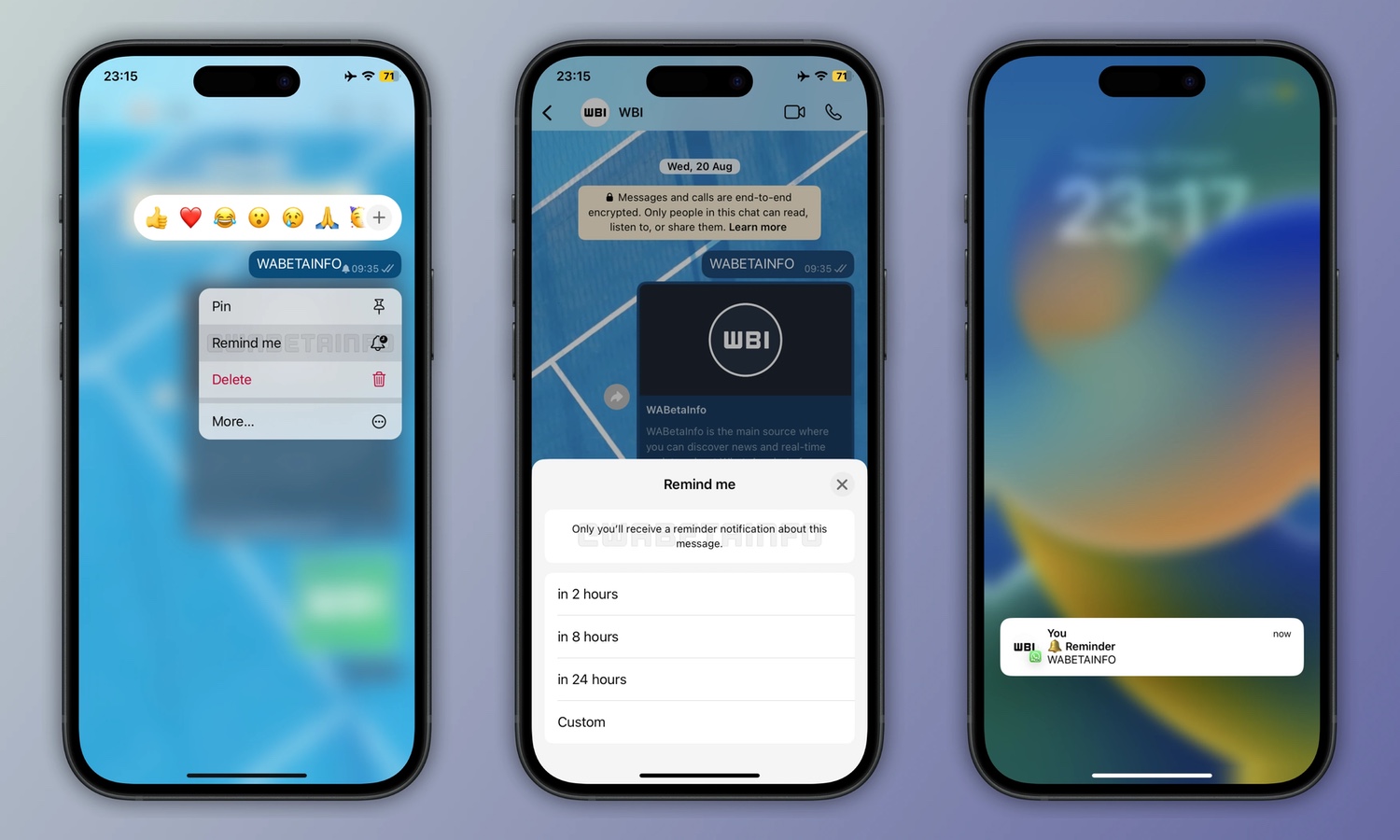
So much communication takes place on WhatsApp – both personal and business – that it is all too easy to lose track of things that have been said. Just about everyone will recognize the scenario in which someone they have been chatting with asks if they’ve followed up on that thing from last week, only to have the crashing realization that you’d completely forgotten.
To help combat this, WhatsApp is experimenting with a simple idea – message reminders. This feature is currently undergoing testing with some users of the iOS version of the app. Here is how it can help you.
WhatsApp threaded messages make for easier reading
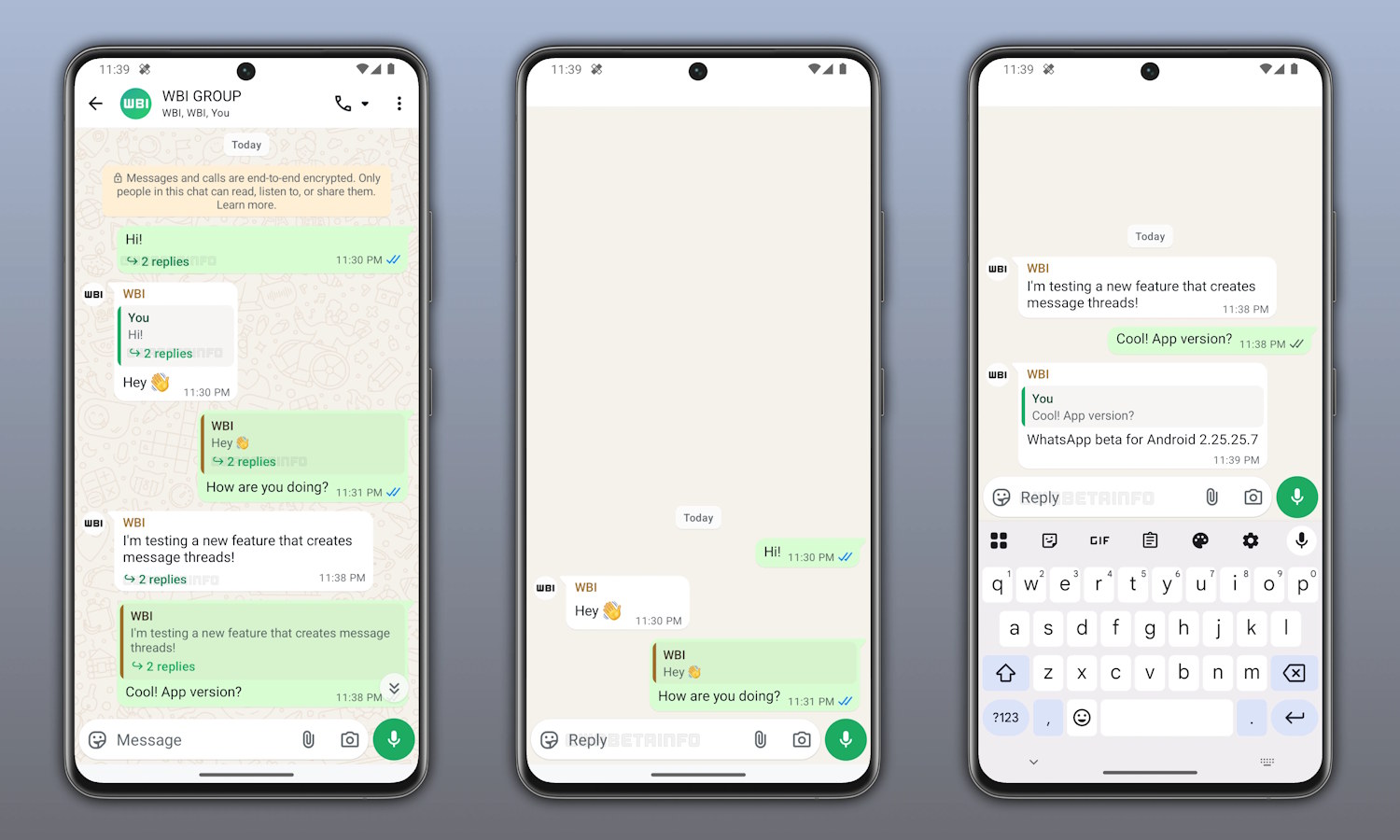
WhatsApp is a near-ubiquitous messaging app used and loved by millions of people globally. Its popularity does not mean, however, that it is perfect – there are many areas in which there is room for improvement.
Thankfully, WhatsApp developers are not inclined to rest on their laurels and add features, make changes and improvements, and respond to feedback with speed and frequency that puts other dev teams to shame. The latest addition is a welcome one: threaded messaging.
WhatsApp is changing how read receipts look for iOS and Android users
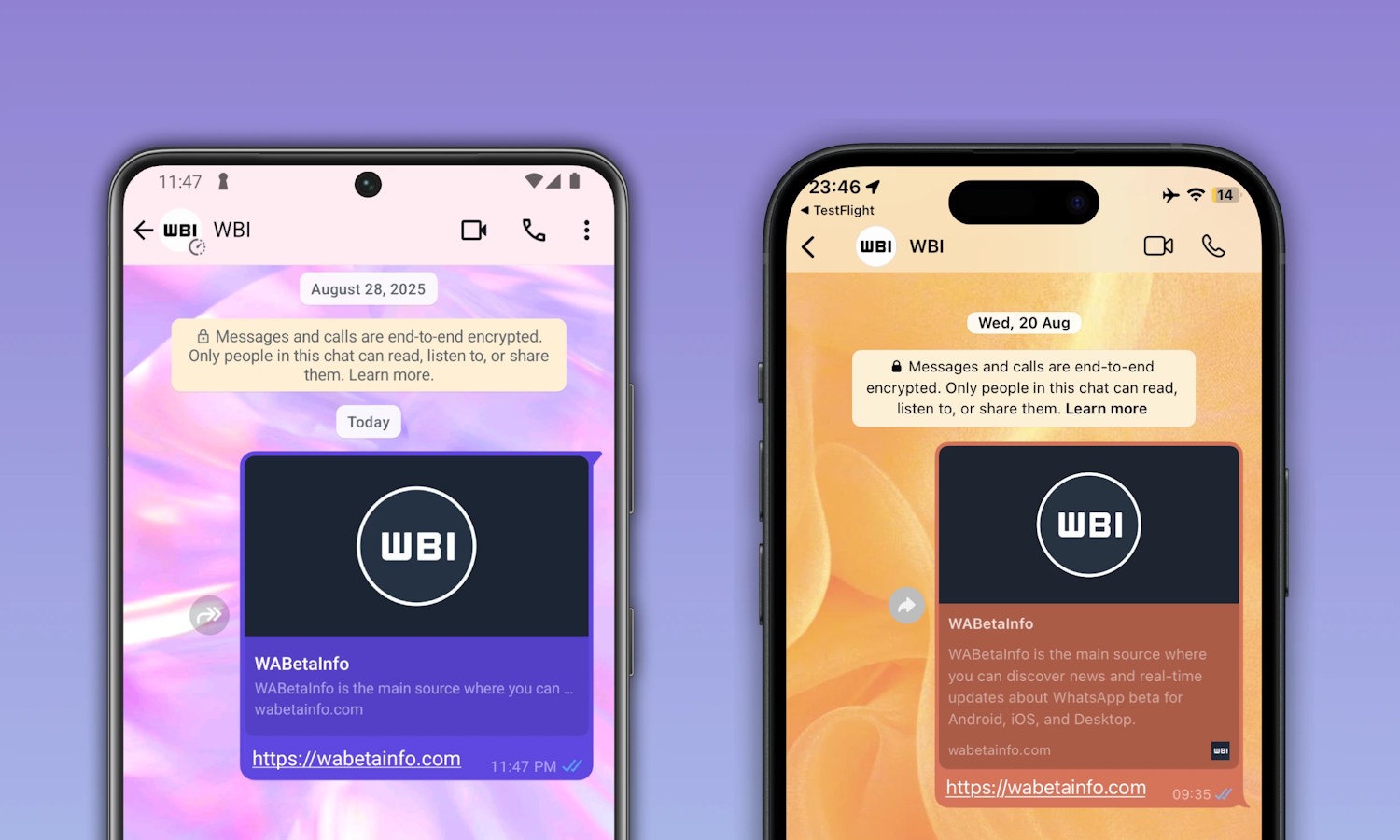
Read receipts in WhatsApp are getting an upgrade. The two-tick system that appears below the sent message is loved and hated; yes, it lets you know that a message is sending, that it has been received, and that it has been read – but why is there no response now you know that it has been read!?
Putting aside concerns about why someone may be ignoring you, themes in WhatsApp which change the color of the messaging app can be problematic. If you’d become used to read receipts having blue check marks, the fact that some themes changed that had the potential for confusion. Now WhatsApp is addressing this.
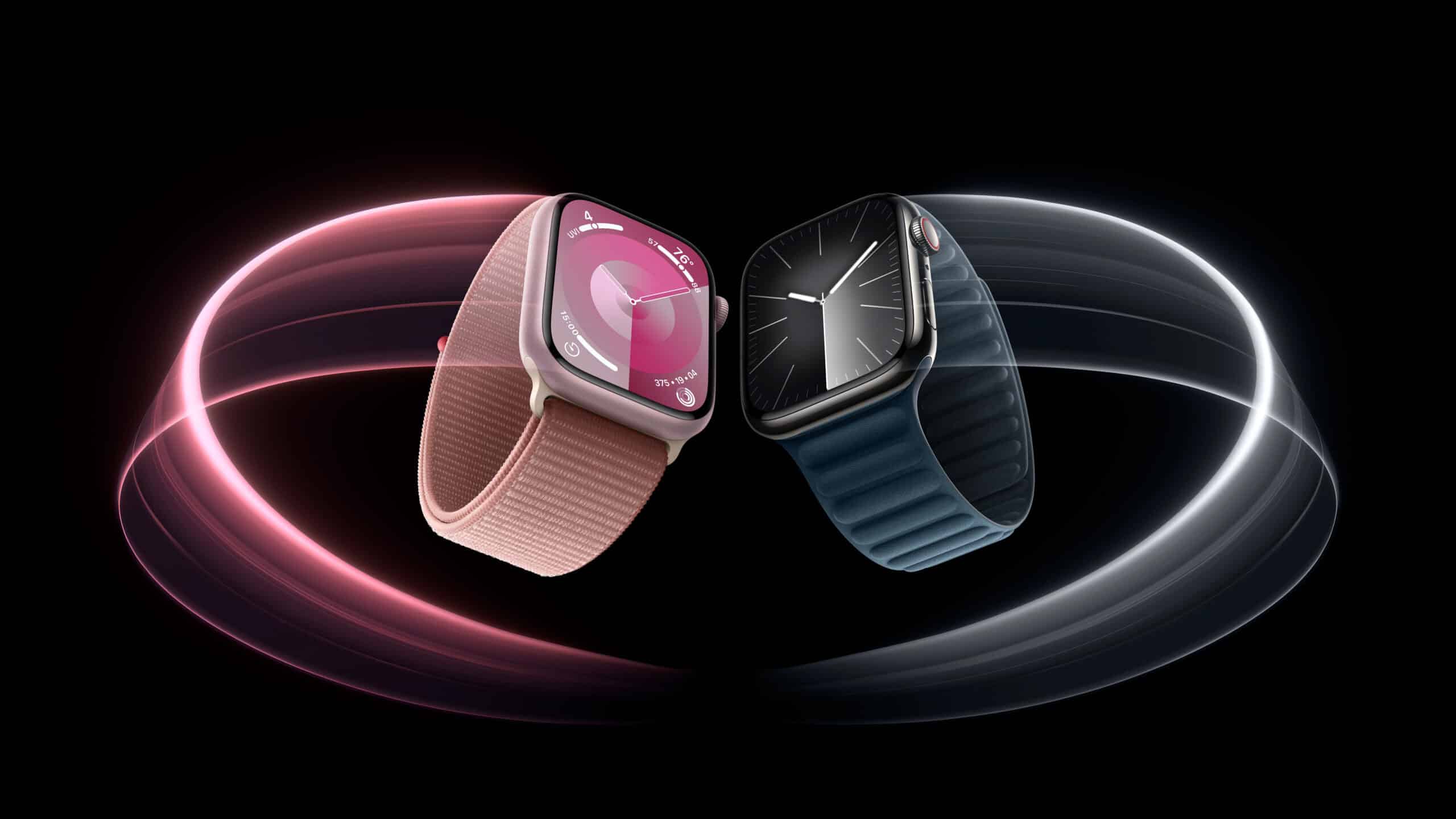
Apple rolls out a redesigned Blood Oxygen feature to Apple Watch
Some Apple Watch users are about to receive a software update which will provide them with a redesigned Blood Oxygen feature.
The update affects owners of Apple Watch Series 9, Series 10, and Apple Watch Ultra 2 in the US who do not yet have the Blood Oxygen feature. Access to the health tool comes after a US Customs ruling.

Microsoft Lens is the latest victim of AI
Users of Microsoft Lens – originally launched several years ago as Office Lens – have just a few short weeks left to use the tool.
Microsoft has announced that the incredibly popular iOS and Android app is to be “retired” (translation: killed off). Having started life under a different name over a decade ago, the app provides a way to convert images to PDF, Word, PowerPoint, and Excel files and much more. But not for very much longer.
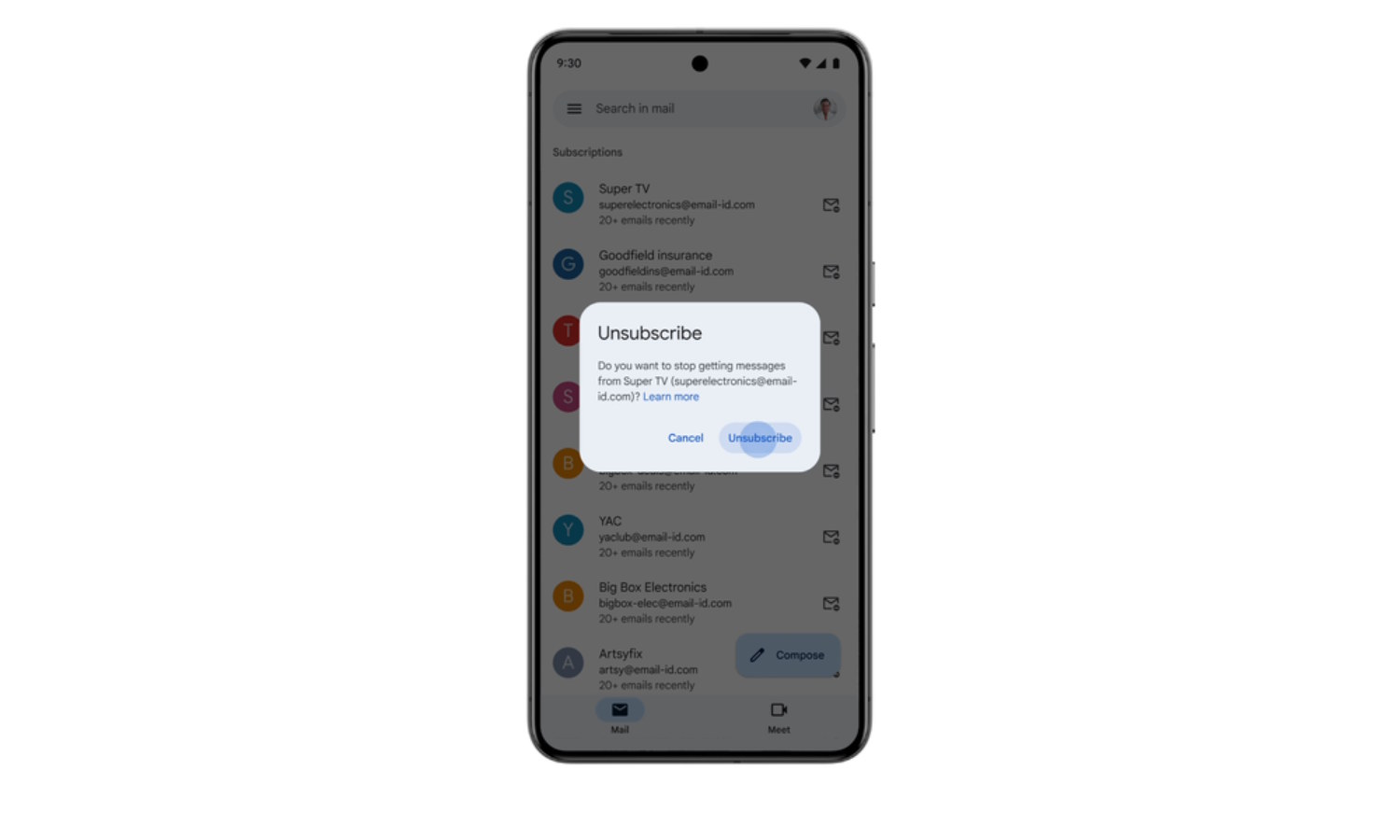
Google launches Manage Subscriptions for Gmail to kill unwanted email
Keeping on top of emails can feel like a full-time job, but Google is making things easier for Gmail users. We learned about the Manage Subscriptions feature earlier in the year, but it is now starting to hit inboxes.
Everyone receives huge volumes of emails these days, and a lot of time can be spent sorting the wheat from the chaff, determining which email need attention and which are junk to be deleted. Google’s new Manage Subscription option provides a way to quicky see a list of the mailing lists you have subscribed to.
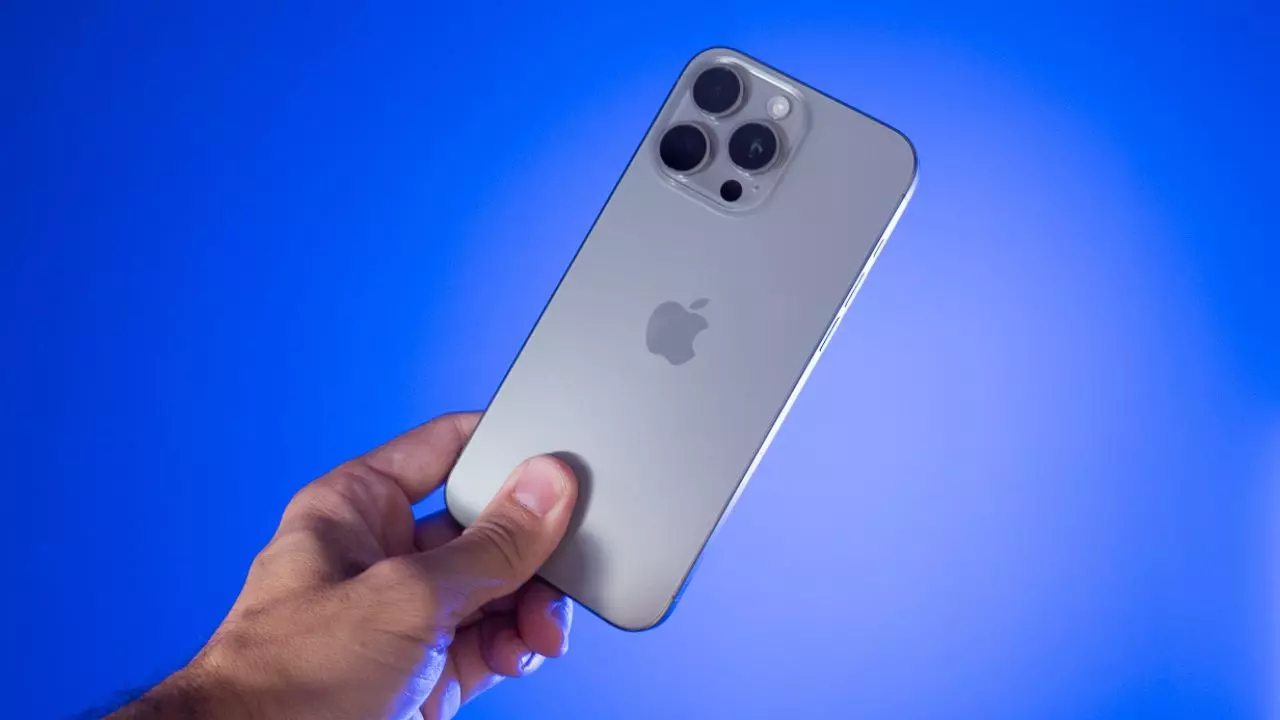
Apple’s Liquid Glass Control Center Gets a Much-Needed Fix in iOS 26 Beta 2
Apple’s design refresh for iOS 26 has been making a big excitement since its reveal, but not all the users’ reactions were positive, especially when it came to the new Liquid Glass Control Center. Some early testers quickly found themselves squinting at their screens, struggling to read essential things and sliders through a nearly transparent sheet.
Thankfully, it seems Apple was listening: the newly released second developer beta brings a key update that resolves this issue easily.



