
Fedora 28 Beta Linux distro is finally here
Fedora is the best overall Linux-based desktop operating system -- Linus Torvalds famously uses it regularly. Today, version 28 of the distribution finally achieves Beta status. After a short delay -- it was scheduled to be available a week earlier -- the distro is back on track, and looking better than ever.
As is typical now, there are three versions of the operating system -- Atomic Host, Server, and Workstation. While all three have their places, normal desktop computer users will want to focus on Workstation. There are plenty of new features (and bugs), but the most exciting aspect of Fedora 28 Workstation is the inclusion of the GNOME 3.28 desktop environment.

Linux 4.16 launches
Just over a week ago, Linus Torvalds said that the release of Linux 4.16 could take place on Sunday April 1. Ignoring the fact that April Fool's day is a terrible day to do just about anything, he made good on his promise.
As predicted, there was no RC8 of the kernel, and Torvalds notes that the final release is very similar to RC7. In a post to the Linux Kernel Mailing List, he also said that the merge window for 4.17 is open, but for now, the focus is on 4.16.

WSL-DistroLauncher is an open source tool designed to lure Linux distros to the Microsoft Store
Is it cool that there are Linux distributions in the Microsoft Store? Eh, I suppose. While I don't fully trust Microsoft's commitment to both Linux and open source, understandably, some Linux users and administrators have the need to also run Windows 10. And so, from a convenience standpoint, the whole Windows Subsystem for Linux thing is appreciated (we are watching you though, Microsoft!).
Unfortunately, not all Linux distributions are available in the Microsoft Store. This is a problem, as Linux users are very tribal -- a Fedora user, for instance, might be unhappy using Debian. Microsoft hopes to solve this dilemma by making it even easier for distribution maintainers to get their distros into the store. How does the Windows-maker plan to do this? With an all-new GitHub-hosted open source tool called "WSL-DistroLauncher."

Linus Torvalds: Linux 4.16 kernel launches on Sunday. Possibly. Maybe.
After a series of release candidates, Linus Torvalds could well be ready to unleash version 4.16 of the Linux kernel onto the world at the weekend. That is unless he changes his mind about the RC build: "rc7 is much too big for my taste," he says in his weekly update to the kernel mailing list.
Torvalds says that while he's not planning for there to be an eighth release candidate, the current size is causing him to think about the best course of action. For those who have not been following the story, he also details what's new in Linux 4.16.
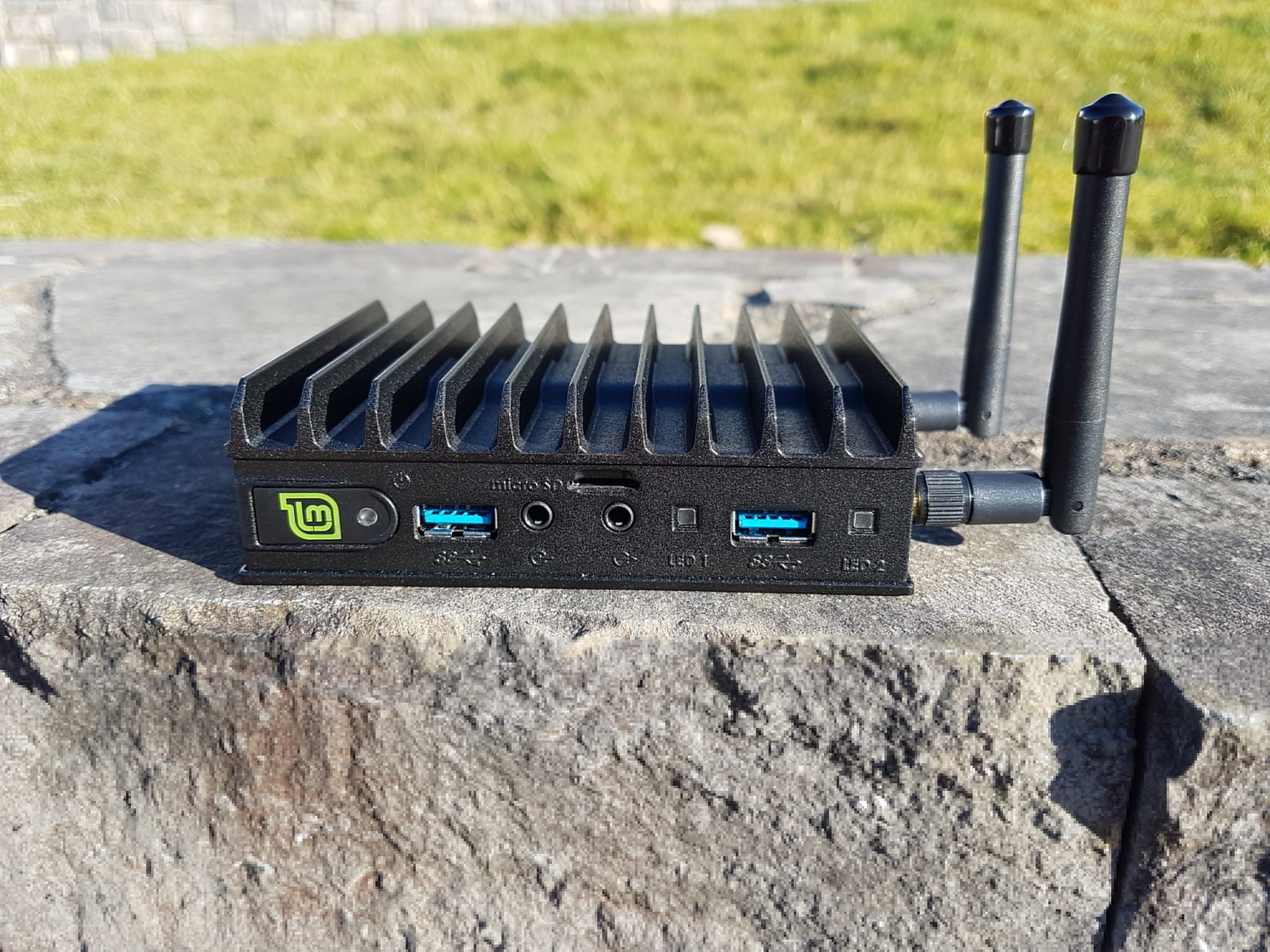
Linux Mint ditches AMD for Intel with new Mintbox Mini 2
While replacing Windows 10 with a Linux-based operating system is a fairly easy exercise, it shouldn’t be necessary. Look, if you want a computer running Linux, you should be able to buy that. Thankfully you can, as companies like System76 and Dell sell laptops and desktops with Ubuntu or Ubuntu-based operating systems.
Another option? Buy a Mintbox! This is a diminutive desktop running Linux Mint — an Ubuntu-based OS. Today, the newest such variant — The Mintbox Mini 2 — makes an appearance. While the new model has several new aspects, the most significant is that the Linux Mint Team has switched from AMD to Intel (the original Mini used an A4-Micro 6400T).

Mozilla Firefox Quantum available as Snap for Linux
If you use Linux on the desktop, there is no shortage of great web browsers from which to choose. For instance, popular options like Firefox, Chrome, and Opera are all available. Thankfully, Microsoft Edge is nowhere to be found!
Firefox is probably the most appropriate web browser to use on Linux. Why? Well, Mozilla’s open source focus is largely aligned with the Linux community. Today, Firefox Quantum becomes even more attractive to Linux users as it is now available as a Snap.
Linux Foundation announces open source ACRN hypervisor for the Internet of Things
The Linux Foundation has released details of one of its open source projects, ACRN -- a hypervisor designed for the Internet of Things and embedded devices. And, yes, it is pronounced "acorn".
The project was helped by contributions of code and engineering from Intel, and the aim was to create a system for managing virtual machines that was both flexible and small. With a Linux-based service OS, ACRN can run multiple guest operating systems at the same time, making it ideal for many scenarios.

Linux Mint 19 'Tara' Cinnamon will be faster
Is Linux Mint slow? Hell, no! The operating system is plenty fast. Speed is in the eye of the beholder, however, and the Mint developers apparently thought app-launching seemed slow when using the Cinnamon desktop environment. They didn't have any proof, but they felt that both Mate and Xfce were faster in this regard.
Well, rather than allow their feelings to remain unproven, the Mint devs decided to come up with a speed test to see if they were correct. Guess what? They were! Windows build time was four times slower with Cinnamon compared to Metacity, while recovery time was nearly four times slower too. So yes, app-launching on Cinnamon -- as of today -- is slow comparatively. The big benefit to pinpointing a problem, however, is that it is the first step in solving it. And so, Linux Mint 19 Cinnamon will be faster as a result.

If you owned a 'fat' PlayStation 3 you could be entitled to $65 from Sony because of Linux option
Cast your mind back to when Sony released the original PlayStation 3, and you may well remember claims that the console was also a "computer". The claims were such that Sony suggested that owners could install Linux -- which, technically speaking, they could.
However, installing Linux on a PS3 also posed something of a security issue, and Sony backtracked on the "Other OS" feature, killing it will a firmware update. Unsurprisingly, a lawsuit followed, and the result of this is that you could in line for a pay-out.

Don't want Microsoft forcing Edge on you? Switch from Windows 10 to Linux with Zorin OS 12.3!
I am sick and tired of technology companies like Microsoft thinking they can impose their will on consumers. Just today, the company made a startling announcement -- it will now force links from the Windows Mail app to open in its own Edge web browser. In other words, whether you like it or not, even if Edge isn't your default browser, it will still be used for opening links from emails. This is unacceptable, and when combined with all of the other Windows 10 calamities, users should consider switching operating systems immediately.
Since macOS requires you to buy an entirely new computer from Apple, a Linux-based operating system is probably your best bet. By using Linux, you can finally reclaim your computer as your own -- not Microsoft's. Today, version 12.3 of Zorin OS is released, and it is the perfect OS to replace Windows 10. Hell, it can even run Windows programs (including Microsoft Office) with the help of the pre-installed and pre-configured Wine 3.
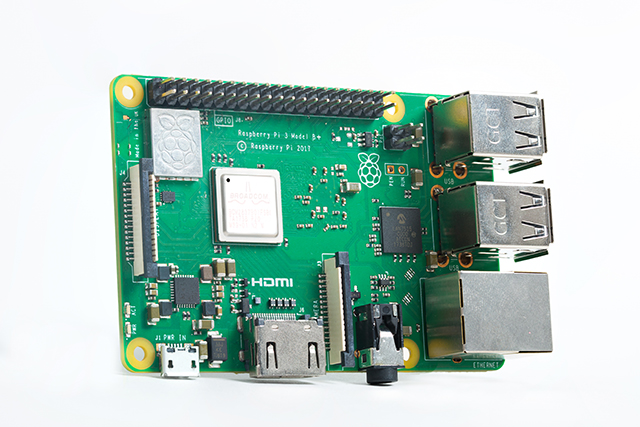
LibreELEC (Krypton) 8.2.4 Kodi-focused Linux distro is ready for Raspberry Pi 3 Model B+
If you want a convenient solution for playing media, Kodi should be at the top of your list. The free and open source media center is cross-platform, meaning it can run on most operating systems.
The best way to experience Kodi, however, is when it is the focus of a Linux-based operating system. For example, LibreELEC exists solely to run Kodi. Its lightweight nature allows it to run on fairly meager hardware, including Raspberry Pi. Today, a new version of LibreELEC is released. The main reason for this update is to add support for the newly released Raspberry Pi 3 Model B+.
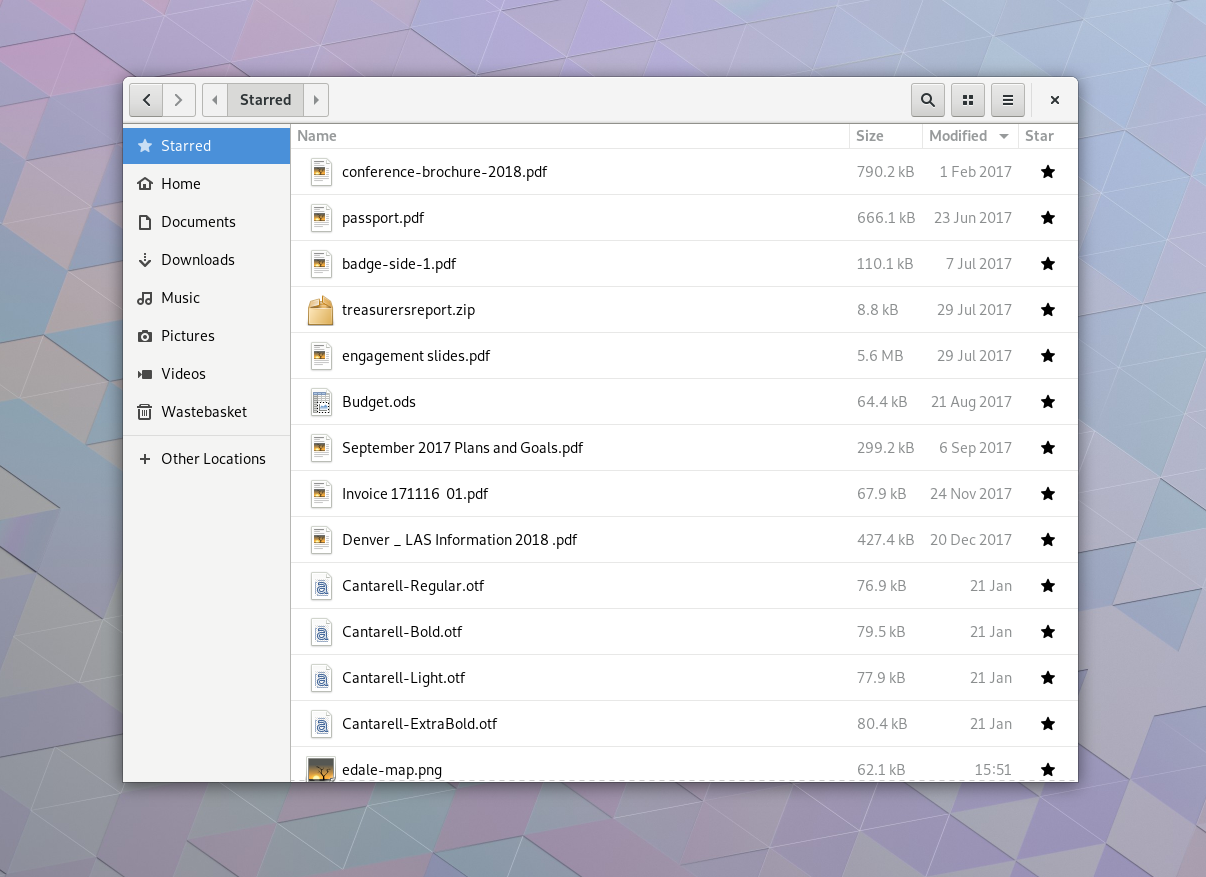
GNOME 3.28 'Chongqing' Linux and BSD desktop environment is here
For Linux desktop users -- you know, people that just use a Linux-based operating system as a tool -- the desktop environment largely is the operating system. In other words, what's under the hood is sort of inconsequential. Hell, the distro might not even matter to the user as long as it is running their favorite DE. This is totally fine, as not everyone is a developer that is passionate about Linux or open source ideology.
For me -- and many others -- GNOME is the preferred desktop environment for Linux or BSD. It has an excellent support community, the most productive user interface, and comes with many useful native apps. Today, GNOME 3.28 becomes available, and it is full of improvements to make it the best version yet. It has the code-name 'Chongqing' because the 2017 Gnome.Asia conference was held in that Chinese city.
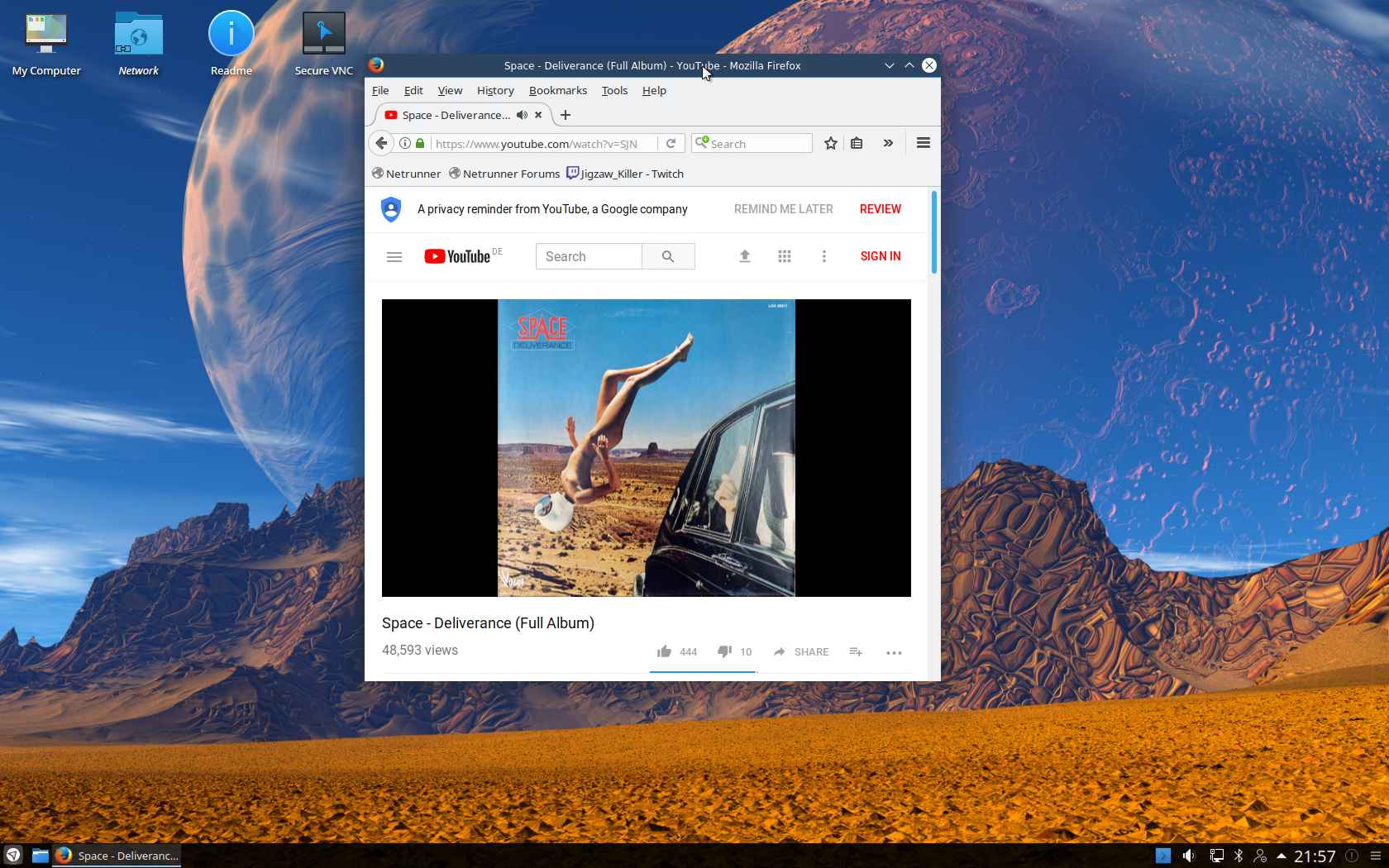
Netrunner 18.03 'Idolon' Debian-based Linux distribution available for download
As Windows 10 continues its trend of being a bloated and confusing mess (tighten it up, Microsoft!), Linux-based operating systems continue to be an excellent alternative. There are no shortage of great Linux distributions from which to choose either -- Ubuntu, Fedora, Mint -- you can’t go wrong.
For those converting from Windows, one great choice is Netrunner. This is a Debian-based operating system that leverages the KDE Plasma desktop environment. It is very reminiscent of the much-loved Windows 7. The OS comes pre-loaded with a lot of useful software, and Linux beginners will really benefit from that. Today, a new version of the distro becomes available for download -- Netrunner 18.03 Idolon.

Ubuntu Linux 18.04 'Bionic Beaver' Beta 1 now available for download
As a big fan of the GNOME desktop environment, I have long been a Fedora user. After all, that operating system uses GNOME as its primary environment. Since Canonical killed Unity and moved its focus to GNOME, I have a renewed interest in Ubuntu and Ubuntu-based distributions, such as System76's wonderful Pop!_OS. I suspect I am not alone in my feelings.
Today, Ubuntu Linux 18.04 'Bionic Beaver' Beta 1 becomes available for download. Ubuntu 18.04 is significant, as it will be an LTS (Long Term Support) version. As was the case when Unity was the primary DE, GNOME is not available in this beta stage. Instead, there are other flavors from which to choose, such as Kubuntu with KDE Plasma and Xubuntu, which uses Xfce.

As Debian comes to Windows 10, should we worry Microsoft will 'embrace, extend, and extinguish' Linux?
Personally, I am not a fan of running Linux distributions on Windows 10 -- WSL, virtual machine, or otherwise. While I appreciate Microsoft's focus on Linux lately, I am of the opinion that if you want to run an operating system based on that open source kernel, then you should just do so natively -- not on top of Windows. While there is no proof that anything nefarious is afoot, it does feel like maybe the Windows-maker is hijacking the Linux movement a bit by serving distros in its store. I pray there is no "embrace, extend, and extinguish" shenanigans going on.
Just yesterday, we reported that Kali Linux was in the Microsoft Store for Windows 10. That was big news, but it was not particularly significant in the grand scheme, as Kali is not very well known. Today, there is some undeniably huge news -- Debian is joining SUSE, Ubuntu, and Kali in the Microsoft Store. Should the Linux community be worried?