
Getting started with Windows 10 -- download the essential guide
The Windows 10 launch date is now little more than two and a half weeks away. While a lot of people have tried out the various preview builds that have been made available, the majority of people upgrading will be doing so with little to no knowledge of what to expect. Ahead of Microsoft's most important operating system launch for years, Lenovo has published a user guide that will help bring you up to speed.
Quite a lot has changed or been added since Windows 8.1, so there's much to learn. For those people who decided to stick with Windows 7 -- and there are many, many such people -- the jump is even bigger. Lenovo's guide serves as an excellent starting point for learning about what's new, how things work, and what's different. Think Windows 10 101: introducing the Start menu, Action Center, and more.

Microsoft's 'feeble' enterprise security and virus protection is the worst
Tests carried out by independent security labs AV-Test show that Microsoft is at the bottom of the league when it comes to enterprise security and virus protection. The tests pitted 11 security solutions against each other, and Microsoft's Endpoint Protection 2012 from the Microsoft Management Suite System Center 2012 was found to offer the weakest protection.
In both enterprise network security tests and virus detection tests, Microsoft trailed behind the competition in eleventh place. What's particularly concerning is that as the tool tested is bundled software, it's likely that it is precisely what many businesses are relying on for protection.
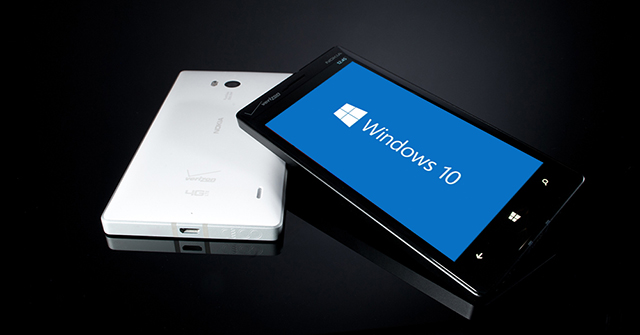
Windows 10 Mobile Insider Preview Build 10166 arrives on the Fast ring
Yesterday, Microsoft released a new Windows 10 Insider Preview build for PCs. That version was Build 10166. Today, the software giant releases a new Windows 10 Mobile Insider Preview, with the same build number. Try not to get the two confused.
The new mobile build is rolling out to Windows Insiders on the Fast ring now, and like its PC number-sake, it offers lots of small changes and feature tweaks, although the focus is mostly now on improving stability and squashing bugs. The Mobile release won’t be happening any time soon, but Microsoft is clearly keen to get all of the major issues dealt with quickly.
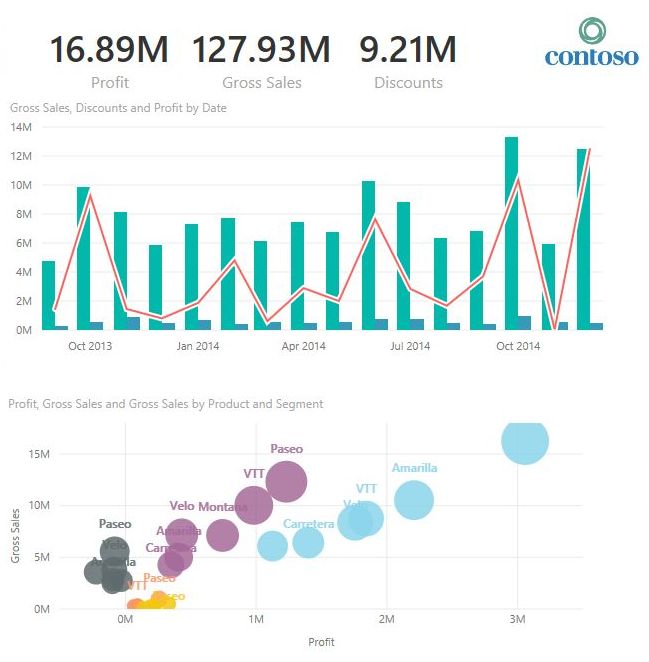
Microsoft Power BI exits Preview -- will be generally available on July 24th
Data is the most important and valuable thing in the world. Diamonds and gold are just rocks in the ground by comparison. Want proof? Look at Google. Collecting information and storing data creates power and has huge value.
The problem with data, however, is that it only has value when it tells a story. In other words, you have to actually use the data you collect at some point. You can have giant SQL tables full of the secrets of the universe, but you need to be able to utilize and share it. Tableau is a popular visualization solution in the data analysis world, but it is clunky and confusing. Microsoft's solution, Power BI, looks much more promising and useful. Today, the company announces that it is exiting Preview and will be generally available on July 24th.
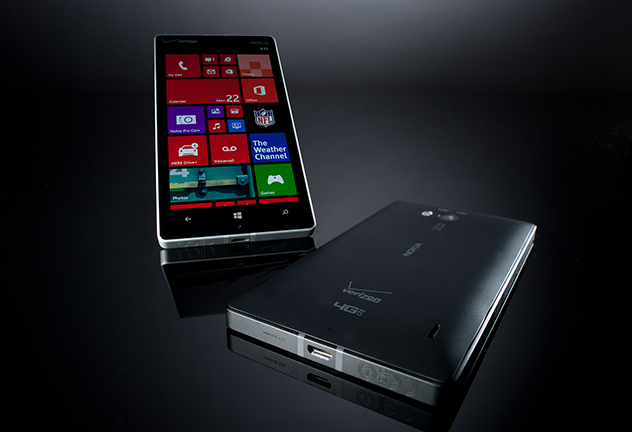
Leaked tool lets you download Windows Phone apps on a PC
Something that many Windows Phone users have been asking for is a little flexibility with how apps are downloaded and installed. One particular request is the ability to download apps using a PC rather than with a handset. A new tool leaked by a Microsoft employee makes this possible.
The appropriately-named Windows Phone Assistant is an official Microsoft tool that has been used internally. Nawzil released the software in response to a series of requests from people, granting greater control over apps. The leaked tool is available for anyone to download -- you just need to be running Windows Phone 8.1 GDR 2.
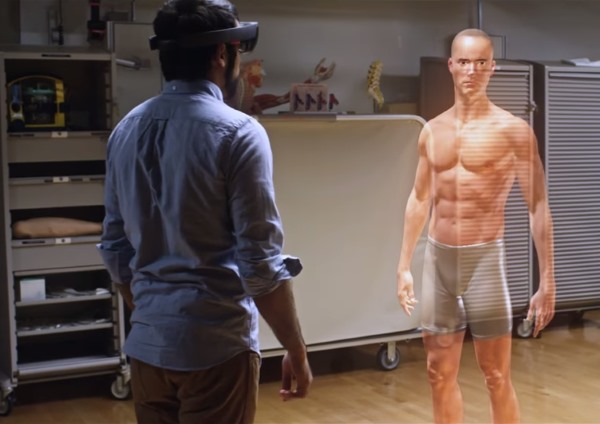
HoloLens' field of vision isn't quite as impressive as you thought
Since Microsoft gave us a glimpse of its immersive HoloLens headset, there has been much pondering about just what to expect from the unit. Until we get an opportunity to go hands on with the new virtual reality cum augmented reality device, we're largely reliant on second hand information about what the experience of using HoloLens is like.
Microsoft has released new footage of HoloLens in action including an almost-first-person perspective that gives an idea of what it's like to wear. What's interesting to note is that, despite the promises of an immersive experience, the field of vision is rather smaller than many people will have expected.
The history of Windows
Windows 10 is just around the corner, with Microsoft confirming a 29 July release date for its new operating system.
The general opinion appears to be positive for Windows 10, with 73 percent of IT pros saying they will deploy it within the first two years, despite there still being a few kinks to sort out.

PC market still sinking -- can Microsoft's Windows 10 save it from drowning?
"The PC is dead". "Tablets are the future". Blah, blah, blah. Total bullsh*t. Now that many apparent tech "experts" have tired of proclaiming the PC to be dead, we can finally enjoy our Windows, Linux and OS X personal computers in peace.
While PCs are still alive, not all is well in the market. According to IDC, shipments of these computers in Q215 were down once again, even lower than expected -- an 11.8 percent decrease, year over year -- ouch. While I am sure many OEMs are hurting, there is some good news on the horizon -- a new version of Windows coming July 29! While the much maligned tile-heavy Windows 8 did nothing to jump-start PC sales, Windows 10 may have that ability. Can Windows 10 be the PC market savior?
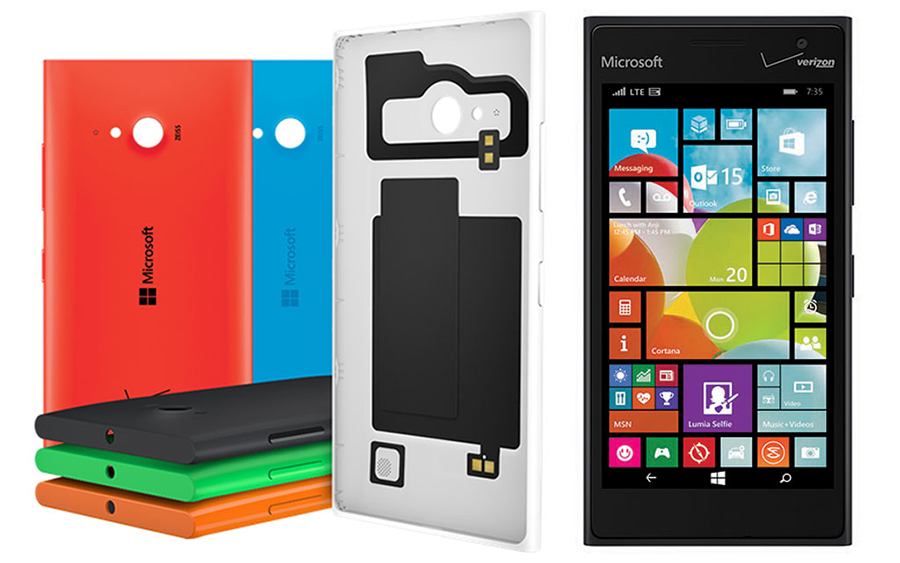
Microsoft Lumia 735 now available to buy in Verizon Wireless stores
The Lumia 735 was added to Verizon Wireless’s line up last month, but was only available to purchase online. Today, that changes and you can now pick up the smartphone from any of Big Red’s brick and mortar stores.
If you’ve had your eye on the phone for a while, there are some incentives being offered to help push you into making the move.
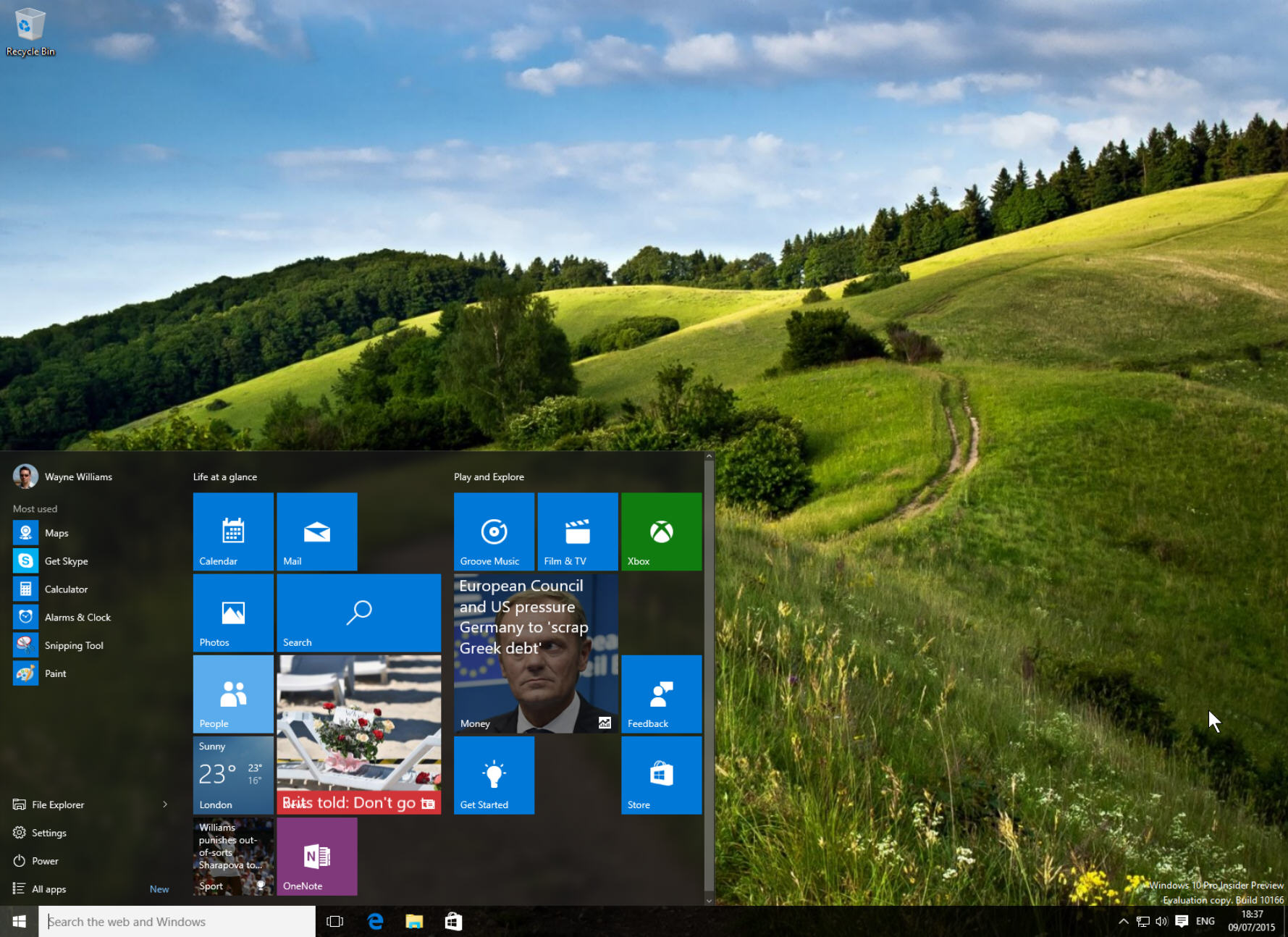
Windows 10 Insider Preview Build 10166 now available on the Fast ring
Last week, Windows Insiders on the Fast ring were treated to three new builds of Windows 10. As you’d expect, with the launch date getting ever nearer, things are seriously accelerating. New ISOs of the latest build, 10162, were pushed out soon after, followed by the same build becoming available to Insiders on the Slow ring.
Today, after a short wait, the new releases continue, with Windows 10 Build 10166 arriving on the Fast ring. As you’d expect, there are no major changes. It is, as Microsoft describes it, all about "bug fixing and fit-and-finish" from here on. One big change is that the Xbox Music app has been rebranded, and now appears as Groove Music.
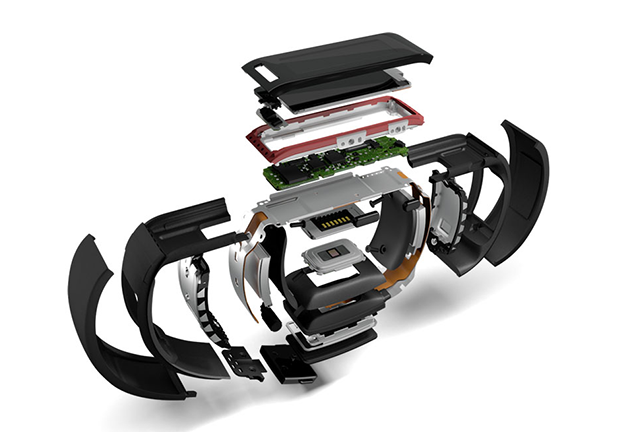
Microsoft Band and Health get Web Tiles and Cloud API Previews with developer focus
When I bought my Microsoft Band, I had very lofty goals of losing weight and getting in shape. The reality, however, is that such a device is not magic -- you still have to put in the work. While I am still a fat guy, Band has certainly been a motivator and useful companion -- I am still determined to have my body Speedo-ready eventually.
Unfortunately, besides fitness, its usefulness is a bit limited; I use it for alerts and Starbucks payments, but not much else. Luckily, Microsoft seems to be committed to the platform and making it better over time. Today, Microsoft announces new Web Tiles and Cloud APIs. How will this improve Band? By wisely focusing on -- allow me to quote the beloved Steve Ballmer -- "developers, developers, developers, developers". Yes, developers are the key.

Windows 2003 gets a proper send-off, launching into space
In a tribute to Windows Server 2003, which reaches its end of life on July 14, disaster recovery provider Databarracks, together with the University of Surrey’s Electronics and Amateur Radio Society, launched a Windows 2003 disk into space.
Based on mass and the weather conditions on the day, the team predicts the balloon carrying the disk reached an altitude of 100,000 feet -- compared to the altitude of 30,000 to 40,000 feet for most commercial aircrafts -- before bursting and traveling back down to Earth.
Windows 10 will get free upgrades only in the first 2 to 4 years
Microsoft has not been exactly clear on how long Windows 10 users will receive free upgrades, saying only that its upcoming operating system will be kept "current for the supported lifetime of the device -- at no additional charge". However, since the "supported lifetime of the device" has not been defined, consumers are still left wondering what it could mean with just a couple of weeks to go before Windows 10's official debut.
You can see many threads (like this one) on Microsoft's Answers forums asking for clarification on what the supported lifetime of the device actually means, but not even MVPs seem to have a definitive answer yet, offering their own estimates in response. However, a PowerPoint presentation buried on Microsoft's site finally sheds some light on the matter.

Is this the beginning of the end for Windows Phone?
Microsoft announced yesterday that it is slashing 7,800 jobs, mostly from the phone-hardware business it picked up from Nokia. As a result, the software giant is writing off $7.6 billion, which is actually more than the $7.2 billion it paid Nokia in the first place. But, more importantly, the move signifies that Windows Phone, its smartphone operating system, is now being put on the slower release cycle.
Microsoft is scaling back. The software giant is losing money instead of making anything big off its phone division. In the five years of its existence, Windows Phone is yet to get past three percent market share. And that’s finally a reality check to its ambitions.

Microsoft is giving away over 200 eBooks covering Windows 10, Office 365 and more for free
Eric Ligman, Microsoft Director of Worldwide Partner Experience is once again giving away a large collection of useful eBooks covering widely used products including Windows 8 and 8.1, Windows 7, OneNote, Skype, Office 2013, Office 365, Azure, and Lync 2013. Since his last mega giveaway, Eric has added a bunch of new topics including Windows 10.
Ligman is not a new, or an unknown name in the field. He has been writing guides for years now and has written close to 500 of those so far. His eBooks are very popular among tech enthusiasts, and business people, as well as regular home users who just want to get their work done.