Will Google Glass turn us all into government spies?
On 4 July, the founder of PRserve, Chris Barrett videoed an arrest that followed a fist fight on the Jersey Shore boardwalk.
We live in a world where such actions are routinely recorded on smartphones and uploaded to YouTube, but what makes Chris’s video unusual is he used Google Glass to film it.
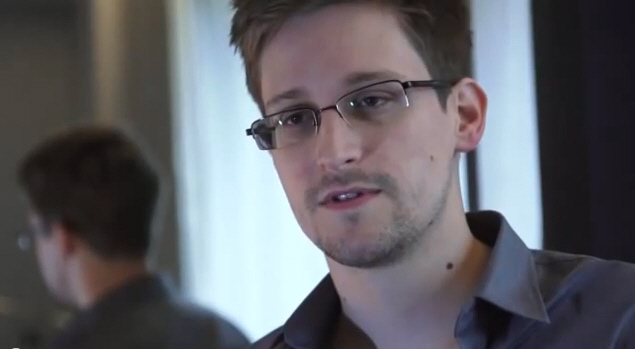
Edward Snowden is trying to be Daniel Ellsberg on Twitter
What are the differences between Edward Snowden, the NSA whistleblower, and Daniel Ellsberg, who released the Pentagon Papers back in 1971?
Not much, really, but the distinctions that do exist are key:

Edward Snowden is a patriot
It's big news and rightly so. Whistleblower Edward Snowden is now the US government's number one enemy. He is called both a traitor and patriot by the public, press, and government officials. His story sparked a debate over where America's best interests lie, whether in freedom or in safety.
The Justice Department is gathering all the information it needs to press a criminal case against Snowden, who has leaked secret documents on the NSA's expansive surveillance programs. From Snowden's leaks, it appears that the agency is increasingly focused on regular American citizens rather than terrorists and suspected criminals.
Vet social networking app privacy settings with MyPermissions Cleaner
With privacy higher than ever on the news agenda, it is not surprising people are starting to wake up to the fact they have happily allowed all kinds of personal information about themselves to appear online. It might be too late to stem the tide, but if you are thinking about reviewing your personal privacy, one place to start might be with the apps added to various social networks.
If this idea appeals, then desktop users should install one of MyPermissions Cleaner for Chrome, Firefox, Internet Explorer and Safari, while iPhone and Android users can go with Online Privacy Shield -- once done, you are ready to start taking action to tighten privacy settings.
CyanogenMod to receive iMessage-like encryption feature
Former NSA contractor Edward Snowden triggered one of the largest privacy-related scandals, after he revealed information about a secret phone tracking program which targets more than 100 million Verizon customers. The implications are immense, and combined with subsequent leaks, have triggered a shift in privacy and data security approaches.
Following "recent events", CyanogenMod developer Koushik Dutta announced on Google+ that the popular custom Android distribution will receive an iMessage-like encryption feature that will allow users to securely send and receive texts between devices that run CyanogenMod.

How tech companies collect data on you, and what they do with it
Big Brother is watching you. Or rather technology giants like Google, Apple, Amazon, Facebook and Yahoo are. The firms track their users relentlessly, and use that information to provide a tailored online experience (and maybe share it with government agencies).
Baynote, which provides personalized customer experience solutions for multi-channel retailers, has put together an interesting visual insight into what data the tech titans gather about you, how it’s collected, and what purposes it’s put to.

Do Not Track standards do not coalesce
The advertising industry is in a huff over Mozilla’s plans to support "The Cookie Clearinghouse" at the Center for Internet and Society (CIS) at Stanford Law School. The Cookie Clearinghouse starts with some browser behavior changes and adds what Mozilla’s Brendan Eich describes as both block and allow-lists of sites and a mechanism for managing exceptions to them. What would be blocked? Third-party tracking cookies.
The advertising industry is displeased, as it has been in the past when its abilities to track users are impeded.

UK government launches cyber security awareness campaign
As part of its National Cyber Security Programme the UK government has announced the first stage in a new £4 million awareness campaign. The campaign due to be launched in the autumn draws on expertise from various government departments and is led by the Home Office.
Bids are currently being invited from media, PR and creative agencies to produce a communications strategy to educate consumers and small businesses on the risks presented by cyber crime.
NSA phone tracking to be scaled back, says official
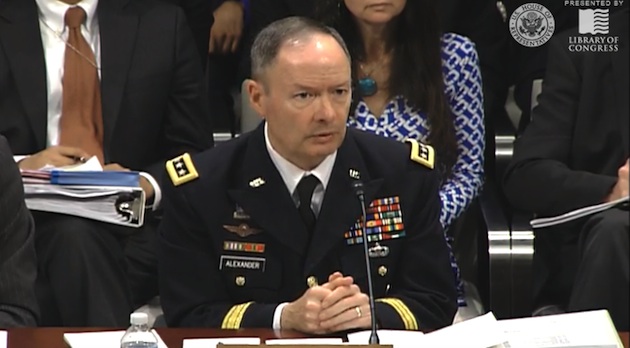
The NSA expects to scale back its phone tracking program in the near future, the agency’s director says. The comments came as part of a broader hearing in front of the House Intelligence Committee over the recent disclosures of NSA activities.
Director Gen. Keith Alexander told California Rep. Adam Schiff during questioning that his agency and the FBI are reviewing how the phone tracking program might be changed. Currently, the NSA asks only for the metadata -- general information about the call like phone numbers, duration, and location -- whether the person is suspected of terrorism or not, and en masse.

Snowden and the NSA reflect a millennial climate change
Snowdon (not Snowden) is the name of the tallest mountain in Wales and while by Swiss or Colorado standards it may not seem like much the weather on Snowdon is unpredictable and has taken many lives. I climbed Snowdon as a schoolboy with my class and that day on the mountain another school group was lost in a blizzard and some boys died. This is what first came to mind when I heard about National Security Agency contractor Edward Snowden leaking documents and fleeing to Hong Kong. Like his namesake mountain, this Snowden is trouble for those who are overconfident or unwary.
I’ve written about this general topic many times over the years and doing a search here and at PBS will yield a great deal that I’d rather not have to repeat. We’ve been here before. Maybe not so much in terms of there being a whistle-blower or a traitor (your choice of terms -- I’d say whistle-blower), but these surveillance programs are either old hat or logical extensions of what came before. I’m not defending them, I’m saying we shouldn’t be surprised they exist.

ACLU joins the party, files challenge against the NSA and Verizon
The National Security Administration may prefer to blend into the shadows, but that is a position no longer available to it thanks to the recent PRISM story. Yesterday Mozilla made headlines by launching a campaign against what has been termed a threat to citizens' privacy and security. Google also responded, assuring customers it had nothing to hide and asking for permission to publish information requests it receives.
Now the American Civil Liberties Union has taken the next step, filing against both the NSA and Verizon, the wireless carrier at the center of the scandal. The organization announces that it has filed a constitutional challenge to a surveillance program under which the National Security Agency grabs information about every phone call placed within, from, or to the United States.
Stop watching us! Mozilla takes on the NSA
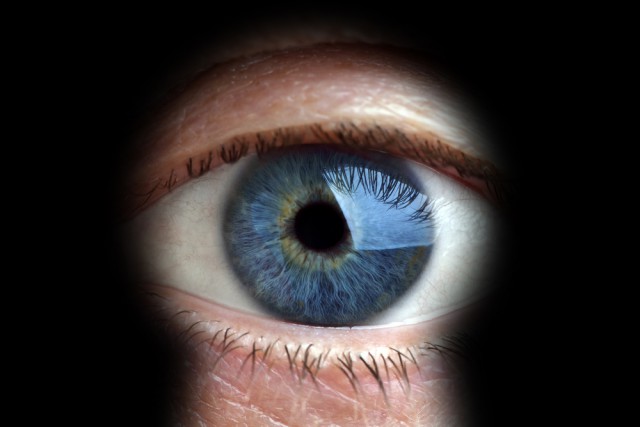
The repercussions of last week's PRISM story continue to ricochet around the web. The latest domino to fall is that belonging to Mozilla, maker of the popular Firefox browser and Thunderbird email client. The organization announces sweeping actions against this news with a campaign designed to raise awareness on perceived privacy intrusions.
Mozilla's Alex Fowler, leader of privacy and public policy, announces "last week, media reports emerged that the US government is requiring vast amounts of data from Internet and phone companies via top secret surveillance programs. The revelations, which confirm many of our worst fears, raise serious questions about individual privacy protections, checks on government power and court orders impacting some of the most popular Web services".
Boycott the Internet!
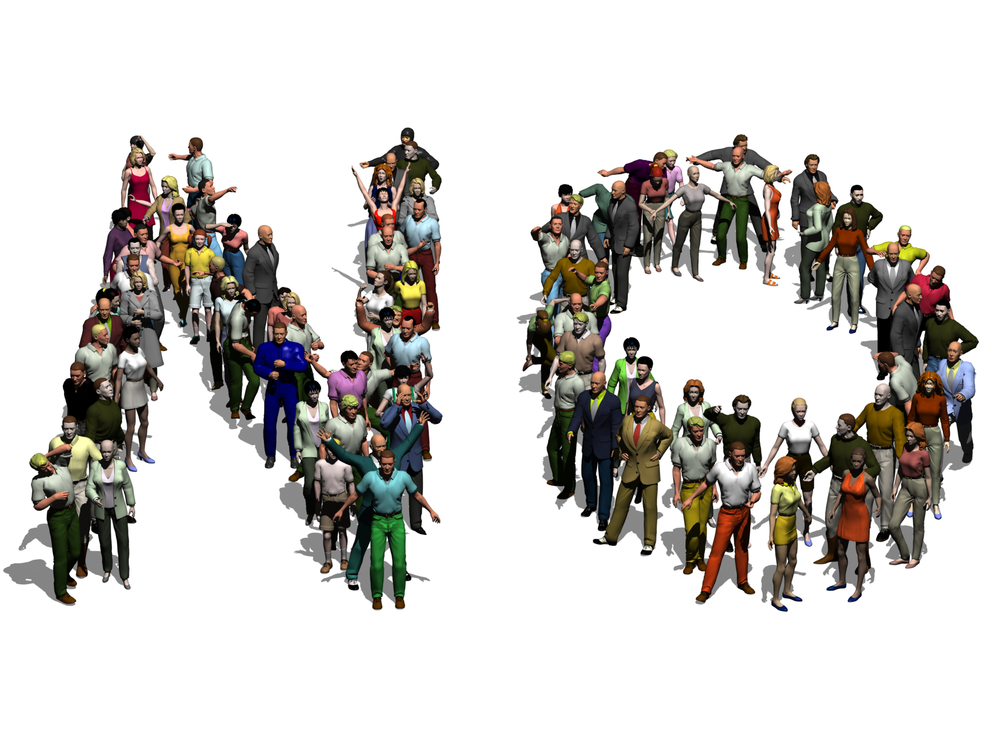
What a strange coincidence: Earlier this week, Smithsonian Channel's "Air Disasters" broadcast an episode about the downing of Korean Airlines flight 007 in 1983 -- at the height of the Cold War. Turns out the Soviet Union recovered the black boxes and hid them for a decade. I'm old enough to remember the Cold War and what the United States fought against. I told my wife: "Sometimes I really wish the Soviet empire still existed, so Americans had a measure for government bad behavior". A day later, the Guardian and Washington Post broke what likely is the biggest story about U.S. surveillance since the Watergate break in. The activity stinks of behavior opposed decades ago.
The National Security Agency spies on you, in secret, something many people suspected. The NSA monitors Internet servers, without warrants. In a Google+ comment today, Joe Betsill brilliantly and succinctly captures what changed: "There's a difference between suspicion and evidence". He links to an Electronic Frontier Foundation "Timeline to NSA domestic spying". I strongly suggest reading the EFF material, in addition to the Guardian and Washington Post investigative reports -- so that you are informed.

PRISM -- It's the end of the Internet as we know it
…And I don’t feel fine. Tyranny has replaced liberty in the United States. Our rights are slowly being eroded. Not a day goes by without a new government scandal breaking in the news. As my colleague Mark Wilson reported yesterday, the National Security Agency (NSA) has been secretly spying on Verizon customers since April. The public was outraged -- and rightfully so. There was worry that this was just the tip of the iceberg. Unfortunately, according to a new report, it was just the tip. The rest of the iceberg is much larger -- and we are the Titanic heading right for it.
While the public was still wrapping their heads around the Verizon scandal, they were informed by The Guardian of a far more devious and tyrannical program dubbed ‘PRISM’. According to the report, this program has been in effect since 2007. In that 6+ year span, the following companies have allowed themselves to be infiltrated:
NSA secretly orders Verizon to hand over millions of call records -- innocent & guilty
It sounds like something from the Cold War, but it is happening today. A top secret court order requires Verizon to hand over telephone records for millions of its subscribers to the NSA on an "ongoing daily basis". The order, in place since April this year, forces the telecom company to hand over a range of "tangible things" about phone calls placed within the US and to foreign countries.
This is not entirely unprecedented -- the recording of telephone data has long been used as a means of gathering intelligence during periods of war -- but this time things are a little different. Not only was the court order passed in secret, but there are no specific targets to the operation. It would be quite normal for the call of suspected terrorists or other criminals to be logged and recorded, but in this instance all phone calls are considered fair game.