Best Windows 10 apps this week
Two-hundred-and-twenty-seven in a series. Welcome to this week's overview of the best apps, games and extensions released for Windows 10 on the Windows Store in the past seven days.
The Windows 10 Creators Update is available through Windows Update now. If you prefer an image on USB or DVD, check out Wayne's post on how to do so.

Windows 10 and Xbox One to gain 'self-service refunds'
Much like Steam, Microsoft's Xbox One is to gain a "self-service refund" function. The idea is to make it easier to get a refund on games and other content that is not up to scratch, not what was expected, or simply not enjoyable.
Currently in testing with alpha users, the feature is due for a wider rollout, and will also make its way to Windows 10 users in the Windows Store. Of course, it is not going to be possible to get your money back on just anything, and there are few criteria that need to be met in order to qualify.
Microsoft shows off Edge's battery usage improvements in Windows 10 Creators Update
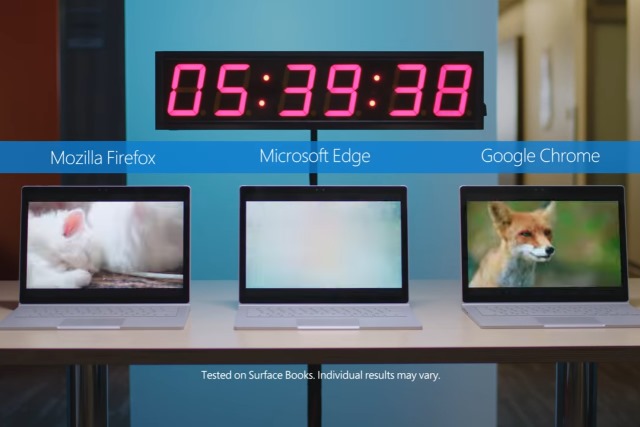
The war over which web browser offers the best battery life to laptop users has been waging for some time. Chrome, Firefox and Microsoft Edge have all been battling it out, and with the release of Windows 10 Creators Update, Microsoft thinks it's time to show off the improvements that have been made to its browser.
In Microsoft's own tests -- involving streaming video on a Surface Book -- Edge lasted for over three hours longer than Chrome, and nearly five hours longer than Firefox. These are figures that will almost certainly be disputed in further tests by Mozilla and Google, but for now, Microsoft is giving Edge its moment in the spotlight at the top of the performance pile: 77 percent longer battery life than Mozilla Firefox, and 35 percent longer than Google Chrome.
How to download Windows 10 Creators Update ISO files direct from Microsoft
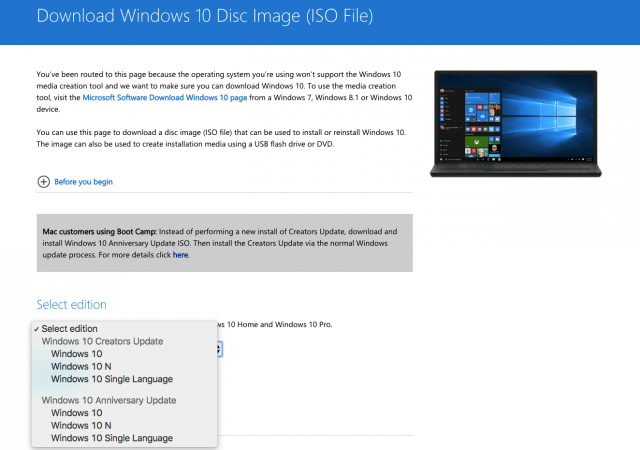
Microsoft has released Windows 10 Creators Update and if you want to get your hands on the latest version of the operating system you can now download the ISO files straight from the software giant's website.
Microsoft has a dedicated landing page for Windows 10 ISO files, which lets you download both the 32-bit and 64-bit Windows 10 Creators Update, Windows 10 Creators Update N and Windows 10 Creators Update Single Language ISO files without messing around with the Media Creation Tool. However, if you click that link from a Windows device you will be redirected to the Media Creation Tool page. That's a bummer, but you can easily avoid that. Here's how.

How to rollback and uninstall Windows 10 Creators Update
The Windows 10 Creators Update is rolling out to users from today. If you install it and encounter major problems, as some users have, you might want to go back to your previous version, and wait until the update is a bit less buggy.
If you been using Windows 10 for a while, you’ll probably know how to do this, although the process has changed slightly this time around.
Free up over 20GB of hard drive space in Windows 10 by cleaning up after the Creators Update
Microsoft has just released its biggest update to Windows 10 yet. The Creators Update introduces lots of new features and general improvements, including new privacy and security options, Paint 3D, Night Light, Game Mode, Dynamic Lock, and more.
However, a big update like this requires a big download, and the files that Microsoft places on your system don’t get removed afterwards. In other words, the Creators Update could be responsible for taking a massive bite out of your free hard drive space -- tens of gigabytes in fact. Fortunately it’s easy enough to reclaim this.

Has Windows 10 Creators Update reset your default apps back to Microsoft stock?
It should come as no surprise that some users -- myself included -- have experienced a problem with the new Windows 10 Creators Update changing existing app default choices back to Microsoft’s own bundled apps.
This, after all, was a problem that we saw previously after both the November and Anniversary Update rollouts.
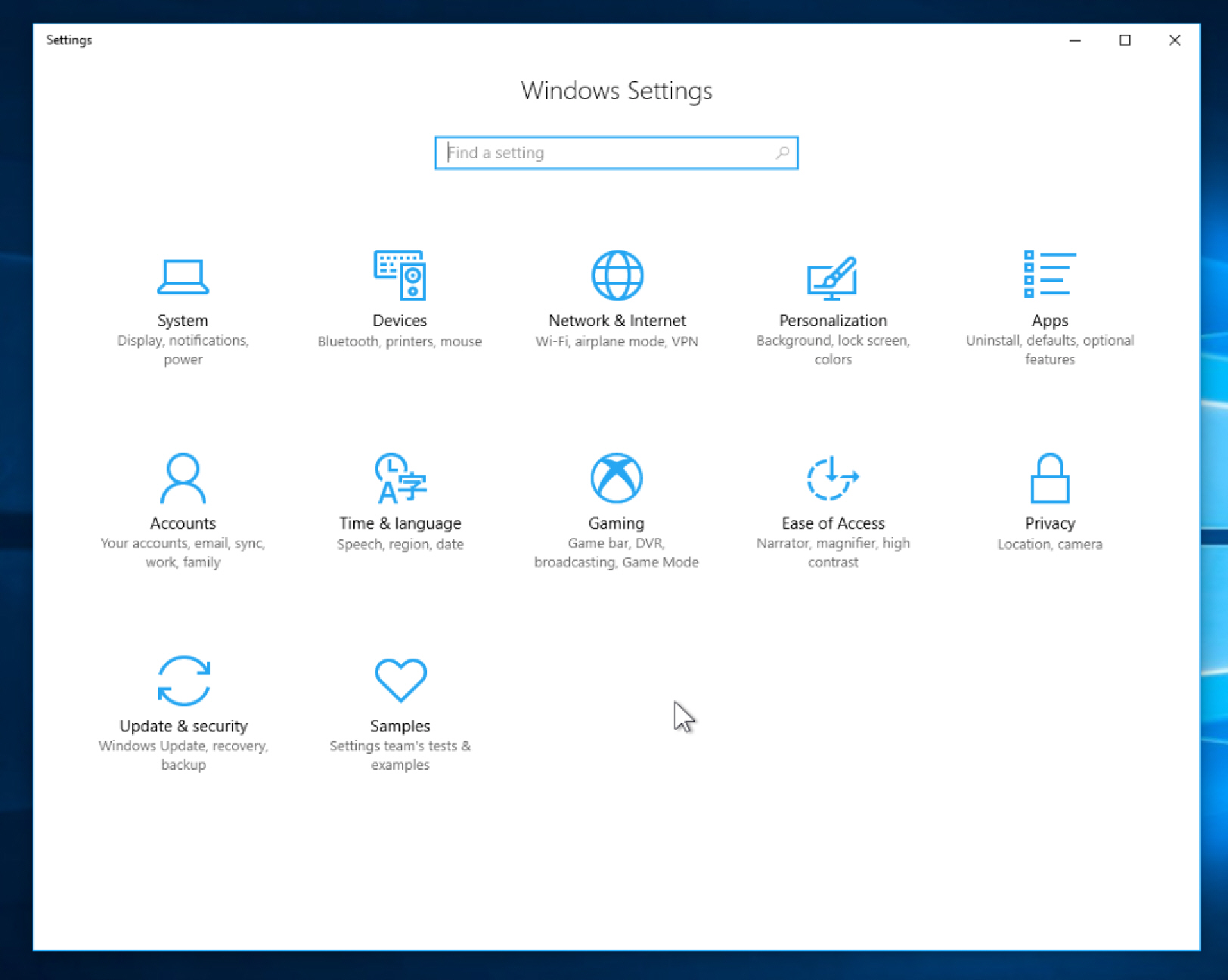
How to unlock Microsoft's secret settings menu in Windows 10 Redstone 3 Build 16170
Windows 10 Creators Update is rolling out to all from today, but Microsoft is already working on the next big iteration of the new OS, codenamed Redstone 3.
Last week, the software giant pushed out the first build from the Redstone 3 branch, Build 16170, and while on the surface this doesn’t seem very exciting there’s a hidden menu in Settings which you can unlock.

How to create a bootable Windows 10 Creators Update USB drive
Microsoft has officially launched the much awaited Windows 10 Creators Update. The latest release brings lots of exciting new features and improvements that make the operating system much more powerful and refined. And, naturally, many of you will want to create a bootable USB drive to perform a clean install of Windows 10 Creators Update on your PC.
Creating a bootable Windows 10 Creators Update USB drive is very easy. All that you need is a USB drive, a Windows 10 Creators Update ISO, a Windows device, and a couple of minutes to spare.

How to download Windows 10 Creators Update and create your own installation USB flash drive or DVD
Windows 10 Creators Update is slowly rolling out to all users but the process may take a while. You can hurry it along, by following the instructions here, or there's another even better way.
If you can’t wait to try the new features, the good news is Microsoft has updated its Media Creation tool to include the update and you can use this to download Windows 10 now and create your own installation media on either a USB flash drive or DVD. This is particularly handy if you want to perform a clean install, or update multiple computers in quick succession.
How to disable all of Microsoft's ads in Windows 10 Creators Update
Pretty much since the launch of Windows 10 there have been complaints about ads and usage tracking in various forms. You might think that Microsoft would listen to complaints and consider removing ads from its operating system, but in fact more and more have been added.
We've looked at the various ads (or app suggestions, app tips and so on to use Microsoft's phraseology) that have cropped up over the last couple of years, but the release of Windows 10 Creators Update seems like a good time to revisit the topic. So here, once and for all, is how to kill all the ads (or whatever you want to call them) in Windows 10.
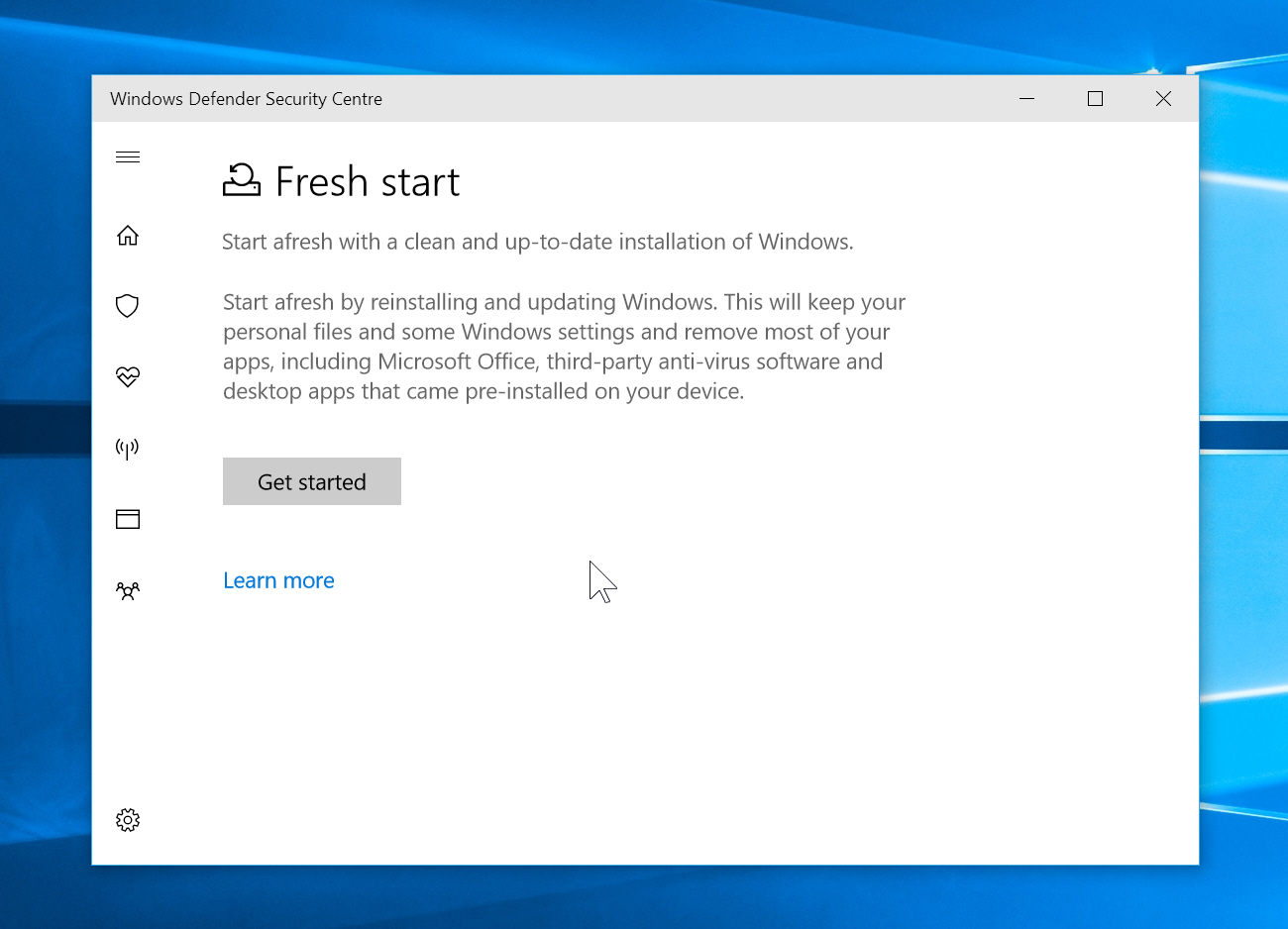
How to use Windows 10 Creators Update's new Fresh Start feature to fix all your Windows problems
If you run into major problems in Windows 10, sometimes the easiest solution is reset the system. You can do this by going to Settings > 'Update & security' and clicking on Recovery. From here, click the 'Get started' button under Reset this PC and pick an option -- you can choose to 'Keep my files', or 'Remove everything' and the tool will reinstall Windows for you, hopefully fixing your problems.
However, there’s a new, even better solution to be found in Windows Defender, called Fresh Start.

Microsoft's own figures show Windows 10 losing market share, while Windows 7 is on the rise
According to NetMarketShare, Windows 10's usage share growth has stalled recently. It lost some share in February, and made only very minor gains in March. The analyst firm’s numbers seem to suggest that Windows 10 has run out of steam.
But that’s usage numbers -- people using Windows regularly on a monthly basis -- which isn’t quite the same as market share. If you want to know just how well Windows 10 is doing in that respect, Microsoft’s Windows Trends page has the figures you want, and they’re currently showing the new OS losing share to Windows 7.
Microsoft bans emulator apps from the Windows Store
There are a large number of emulators out there, including a wide range of Xbox and PlayStation emulators. These give gamers the opportunity to play their favorite console games on their PC, but Microsoft has now formally banned such software from the Windows Store.
Emulators have long been the subject of legal wranglings because of concerns about copyright and intellectual property infringements, and now the Windows-maker has put its foot down. The developers of NES emulator NESBox are among those affected by the ban, and point to a recent change in Microsoft's rules for the Window Store -- affecting not only Windows 10, but also Xbox One users.
Microsoft launches Windows Insider Program for Business
Yesterday saw not only the release of the first Redstone 3 build of Windows 10, but also the launch of the Windows Insider Program for Business.
This new program works in much the same way as the existing Windows Insider program, but this time there is a focus on IT professionals and businesses. It will give Microsoft the opportunity to gather more information from big customers, and allow businesses to try out new features ahead of their official launch.