Windows 10 telemetry will be used to drive enterprise upgrades with Upgrade Analytics
Rightly or wrongly, telemetry in Windows 10 has been roundly and soundly criticized. But while the feature may be a privacy concern for some, Microsoft says that it is using the data gathered to provide advice to would-be Windows 10 users about driver and application readiness.
This is something that is aimed at enterprise users for whom Microsoft recognizes that certain apps are mission-critical for businesses. This is why the company has launched Upgrade Analytics to "provide customers with insights which allow them to [...] mitigate potential problems".
Microsoft patches Windows 10 Anniversary Update Preview Build 14393
It’s generally considered that the newly released Windows 10 Build 14393 is the Anniversary Update as Microsoft not only hasn’t rolled out any new builds since that one arrived on Monday (and they were coming thick and fast previously), but it’s just released a patch for that build.
The cumulative update for PC and Mobile mops up some more problems, and bumps the OS preview up to 14393.3.
Most EMEA businesses are happy with Windows 10
Windows 10 is now used in 39 percent of businesses in the EMEA (Europe, Middle East, Africa) region, according to a new report by Spiceworks.
Titled "Windows 10 Adoption: Sprinting out of the Gate", it reveals that the highest adoption rate is among companies with more than 250 employees -- 51 percent. Software, manufacturing and energy industries are where Windows 10 is most used.
Microsoft responds to allegations that Windows 10 collects 'excessive personal data'
Yesterday France's National Data Protection Commission (CNIL) slapped a formal order on Microsoft to comply with data protection laws after it found Windows 10 was collecting "excessive data" about users. The company has been given three months to meet the demands or it will face fines.
Microsoft has now responded, saying it is happy to work with the CNIL to work towards an acceptable solution. Interestingly, while not denying the allegations set against it, the company does nothing to defend the amount of data collected by Windows 10, and also fails to address the privacy concerns it raises.
France: Windows 10 collects 'excessive personal data', issues Microsoft with formal warning
After accusations that Windows 10 collects too much data about users, France's National Data Protection Commission (CNIL) has order Microsoft to comply with the French Data Protection Act within three months. The company has been ordered to "stop collecting excessive data and tracking browsing by users without their consent".
In addition to this, the chair of CNIL has notified Microsoft that it needs to take "satisfactory measures to ensure the security and confidentiality of user data". The notice comes after numerous complaints about Windows 10, and a series of investigations by French authorities which revealed a number of failings on Microsoft's part.
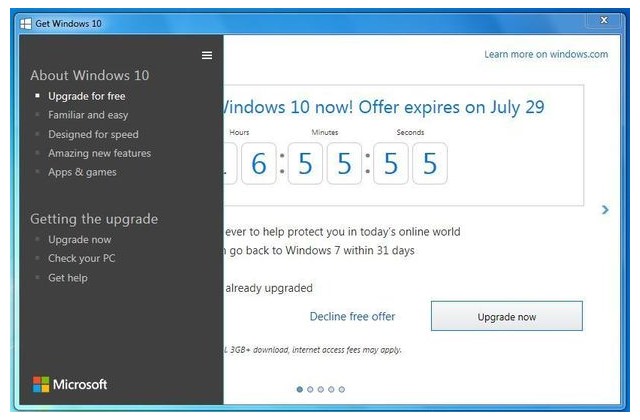
The clock is ticking for free Windows 10 upgrades and Microsoft is having one last nag
When it comes to encouraging people to take advantage of the free upgrade to Windows 10, Microsoft has not been shy about pushing things -- some would say a little too much. But now the clock really is ticking. The deadline for free upgrades of July 29 is fast approaching, and Microsoft has one final bit of nagging up its sleeve.
With just nine days to go, an update has been pushed out to GWX which drives home the fact that time is running out. To add a bit of an incentive -- you could call it fearmongering -- there's a great big countdown clock to prod Windows 7 and 8.x users into action.

Microsoft changes how it reports Windows 10 numbers, no longer chasing a billion devices
We know that Windows 10 is on upwards of 350 million systems now, because Microsoft told us three weeks ago.
The last time Microsoft released any numbers before that, was two months previous when the new OS was on 300 million devices. The problem with how Microsoft announces these new milestones, isn’t just that it’s infrequent, but also that it refers to devices, not users -- and includes PCs, tablets, and mobile phones not yet sold. That’s useful when you’re aiming for a particular target -- 1 billion devices -- but not so useful when that target becomes unrealistic and it looks like you’re failing.
Windows 10 Insider Preview Build 14393 for PC and Mobile arrives on the Fast ring
Windows 10 Insider builds really are coming thick and fast now. Build 14390 came out just three days ago, and now we have Build 14393 following it on to the Fast ring.
This pattern will continue for a while yet as Microsoft squashes as many bugs as possible as it enters the home stretch for the big Anniversary Update out on August 2.
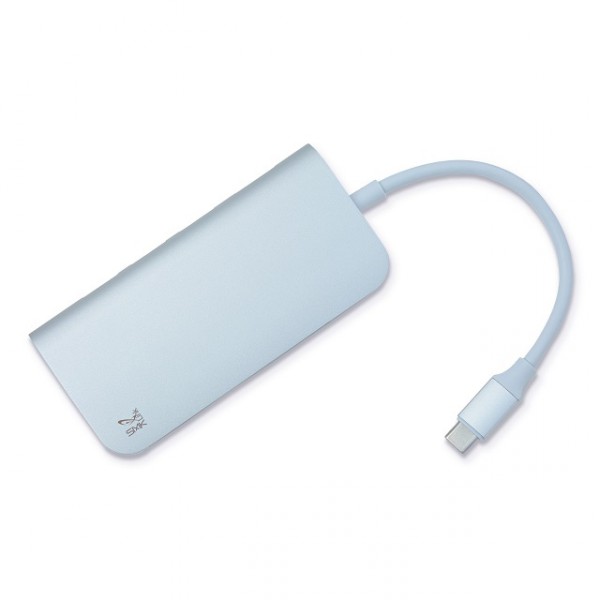
SMK-Link Electronics unveils USB-C Multi-Port Hub VP6920 for Windows 10 and macOS
While USB-C is not yet a must-have, it is certainly a great feature to have on any computer. The reversible standard can act as a single port for expansion, making extremely thin laptop and tablet designs possible. In other words, having big integrated legacy ports like Ethernet or USB Type-A aren't really needed, thanks to useful dongles.
Today, SMK-Link Electronics announces a beautiful such expansion dongle that acts as a docking station for Windows 10 and macOS. A single Type-C port on your computer (such as on the Apple MacBook or Huawei MateBook) can be transformed into something much more.
Microsoft badmouths Chrome's battery life as Windows 10 message urges switching to Edge
Microsoft has been shouting about Edge a lot as of late. Not happy with claiming that it is the most battery-friendly of the main web browsers, the company has also made much of Edge's 1080p support for Netflix.
In the latest twist, Microsoft switches tack, instead using pop up messages in Windows 10 to badmouth Chrome and promote Edge. The pop up rams home the idea that Chrome is a battery hog and suggests switching to Microsoft Edge to increase longevity.
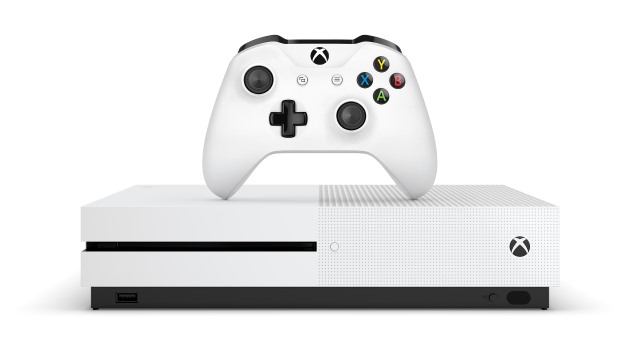
Microsoft's smaller Xbox One S launches August 2
It has been a few weeks since we learned about the slimmer Xbox One S, and now we know when eager gamers can get their hands on the new console. August 2 is the big date which also sees the launch of Windows 10 Anniversary Update.
As well as being smaller, the Xbox One S also features a built-in power supply (bye bye, power brick!), up to 2TB of storage, and support for 4K Ultra HD with High Dynamic Range (HDR). The newly announced launch date is not just the date the console hits retail stores in many regions, it is the date those who have pre-ordered should receive their Xbox One S. In all, three versions of the console are available.

Windows 10 will miss Microsoft’s 1bn devices target, and Windows Phones sales (or lack of) are to blame
Microsoft famously declared that Windows 10 would be running on 1 billion devices in two to three years’ time -- meaning by late summer 2018.
It was a bold claim, but given the OS was free, and available for PCs, tablets, and smartphones, eminently possible. But despite Microsoft’s efforts -- pulling every dirty trick in the book, and then some, to con users into upgrading -- it seems as if the new OS is going to take a while longer to hit that milestone, and blame is being laid squarely at Windows 10 Mobile’s dreadful performance.
Windows 10 Insider Preview Build 14390 for PC and Mobile arrives in the Fast ring
The Windows 10 Anniversary Update is due on August 2, and Microsoft is hard at work getting it ready for release.
The software giant has pushed out two new builds to Fast ring insiders in quick succession already, and today we get yet another one -- the third in a week. Microsoft may be sprinting to the finish line now, but there is still work to be done.
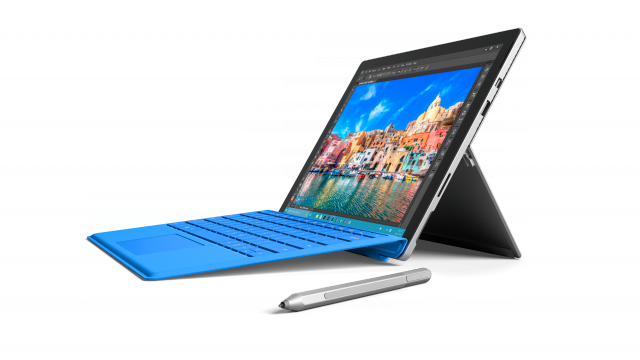
Microsoft releases major firmware update for Surface Book, Surface Pro 4
Microsoft just released the second firmware updates for Surface Book and Surface Pro 4 this month, announcing a significant number of improvements. Two days ago the software giant introduced a driver update to improve the stability of Windows Hello after the upcoming Anniversary Update for Windows 10 is installed.
The new firmware updates for Surface Book and Surface Pro 4, dated July 14, share the same changes, though Microsoft lists different driver versions for certain components. Here is what you should expect.
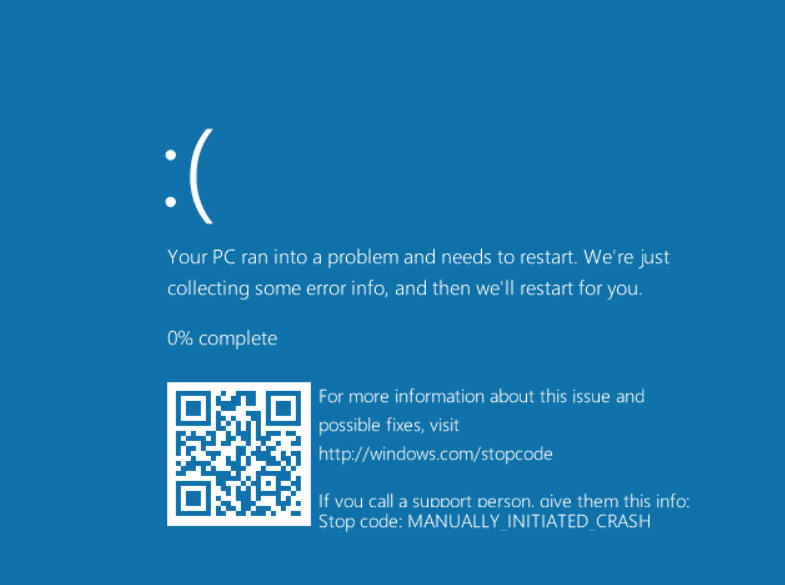
Windows 10 Anniversary Update's new Blue Screen QR codes could put your smartphone at serious risk
PCs can go wrong in all sorts of ways, and the problems can manifest themselves in the form of slowdowns, freezes, or worse. Occasionally, you might encounter a blue screen of death (BSOD), accompanied by a usually pretty cryptic message outlining the cause of the crash.
In the soon-to-be released Windows 10 Anniversary Update, Microsoft has given the blue screen a makeover, introducing QR codes to make it easier for anyone to troubleshoot the problems they encounter. It’s a helpful change, but Panda Security warns it could actually be a godsend to cybercriminals, and result in users having personal details stolen, and smartphones getting infected with drive-by malware.