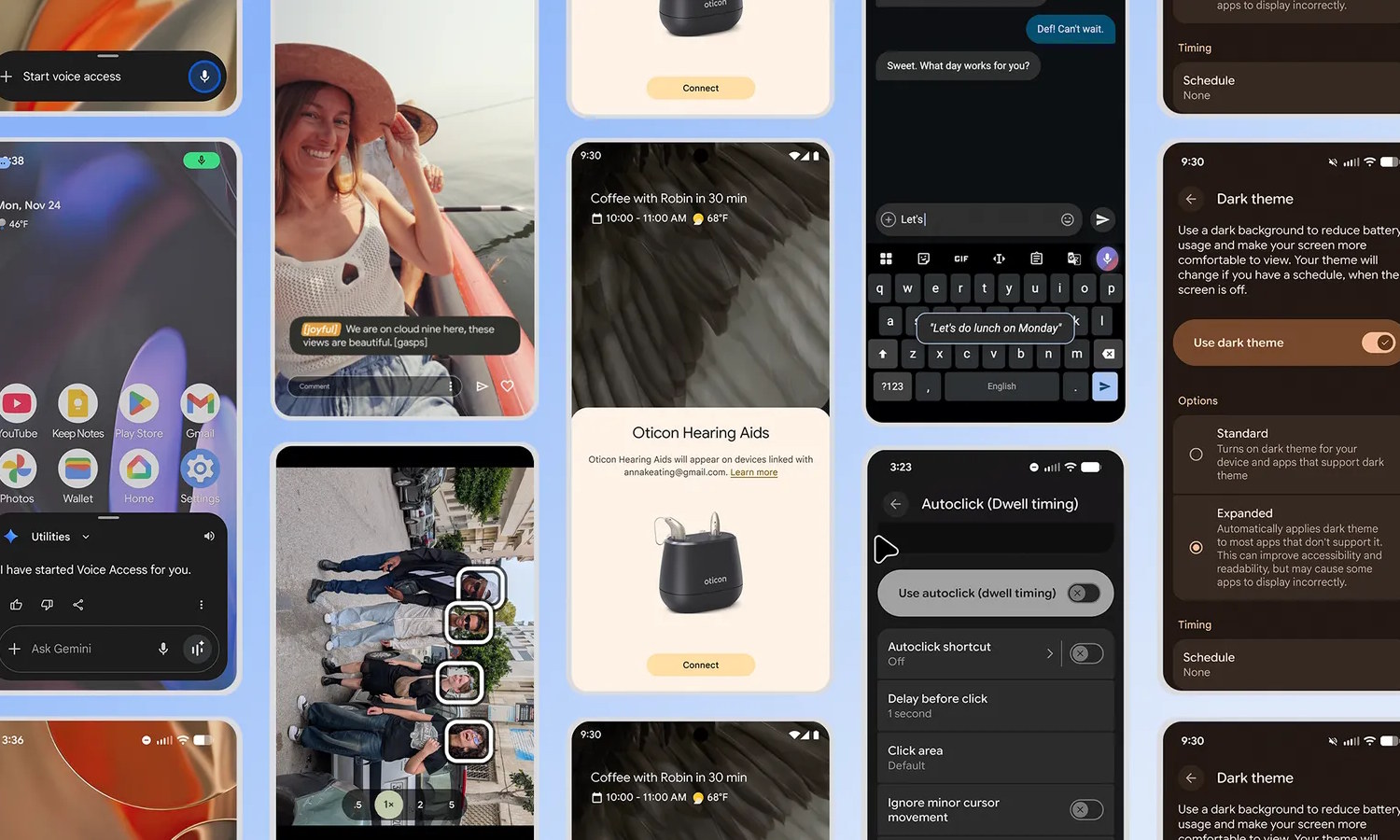
Google improves Android with a bumper crop of new accessibility features
Making Android better is not always about making it faster, smoother or more packed with AI. Going some way to prove this, Google has unveiled no fewer than seven new accessibility focused features for its mobile operating system.
The features take into account the varying needs and expectations of users. Google says that the additions are designed to help “make it easier to see your screen, communicate with others and interact with the world”. So, let’s take a look and see what has been added.
Opera brings upgraded Google AI to its browsers
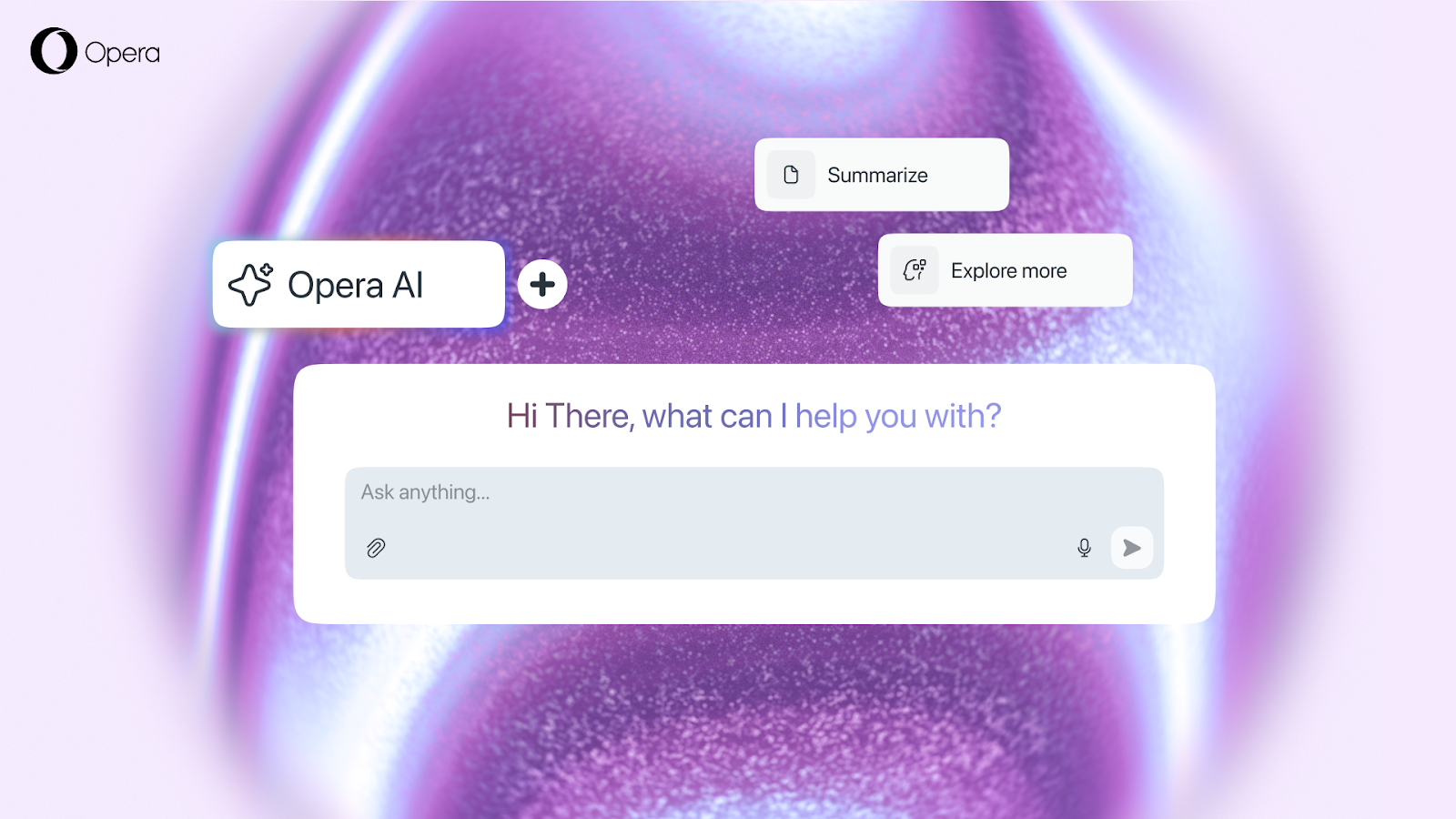
Opera is rolling out new Google AI features across its Opera One, Opera GX and Opera Neon browsers. This is the result of the browser maker's long running partnership with the search giant, and now includes support for the latest Gemini models.
The new Opera AI appears as a side panel that users can open alongside any webpage, set of tabs, or even playing videos. It will respond within the context of the page, allowing tasks such as research, summaries and tab comparisons. It also supports voice input and output, along with file analysis on images and video.
Google has dropped its antitrust complaint against Microsoft in the EU
Just last year, Google lodged an antitrust complaint against Microsoft in the EU. Now, a week into the probe by investigators, Google has had a change of heart and has withdrawn the complaint.
The 2024 complaint was filed by Google Cloud, with Microsoft accused of trying to lock users into its Azure product through licensing of Windows, Office and other software. Just last week, the European Commission launched a series of investigations, and this has been the catalyst for Google’s complaint withdrawal.
Google will make it easy to switch to vertical tabs in Chrome
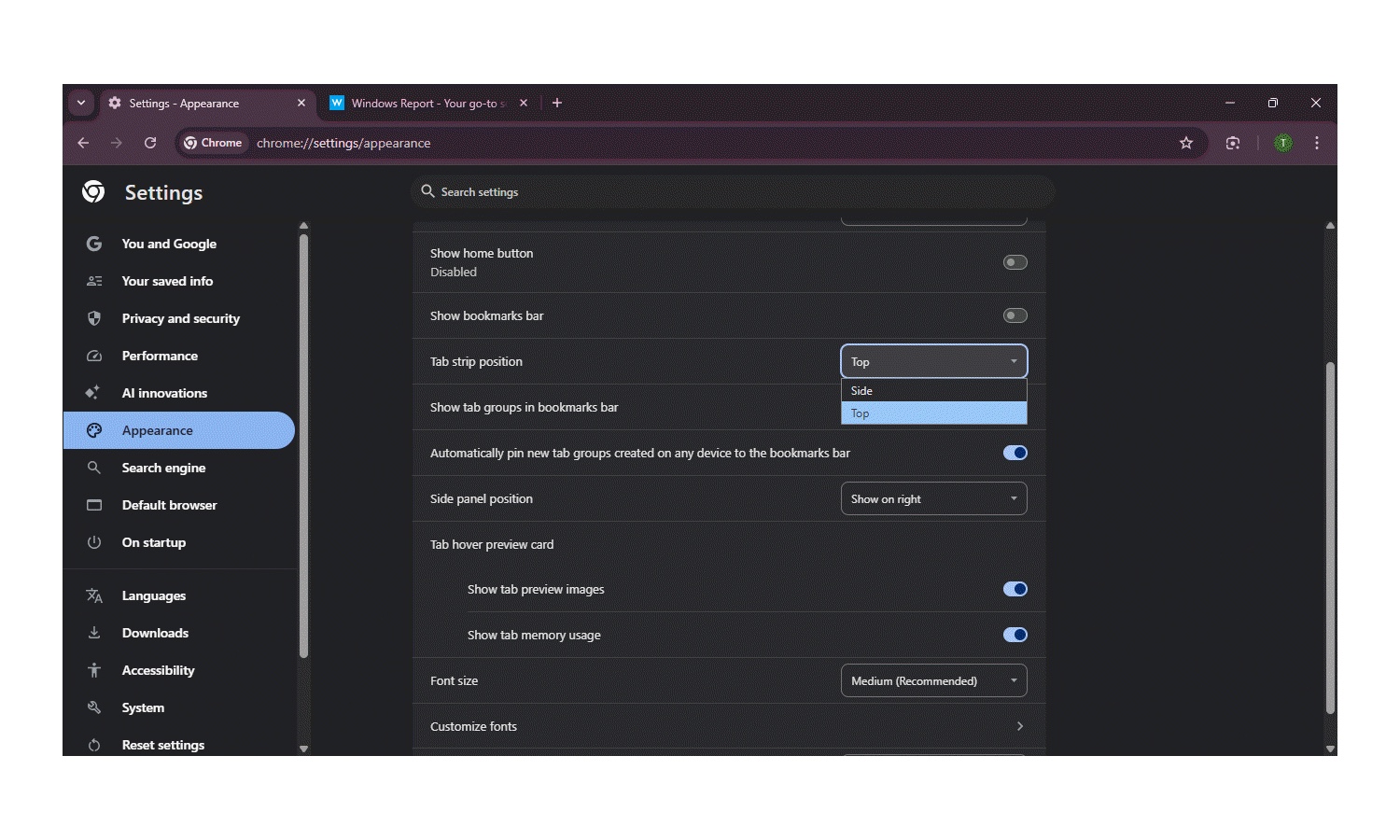
Browser tabs have been positioned in a horizontal strip in just about every browser since they first appeared, Chrome included. There have been various attempts to disrupt this – and to cater to different tastes and needs – by introducing vertical tabs, and Google is still working on this feature.
As is so often the case, the preview builds of Chrome give a very good sign of things to come, and this is where we have already seen vertical positioning of the tab strip. While this is still very much a work in progress, details have emerged about changes that have already been made.
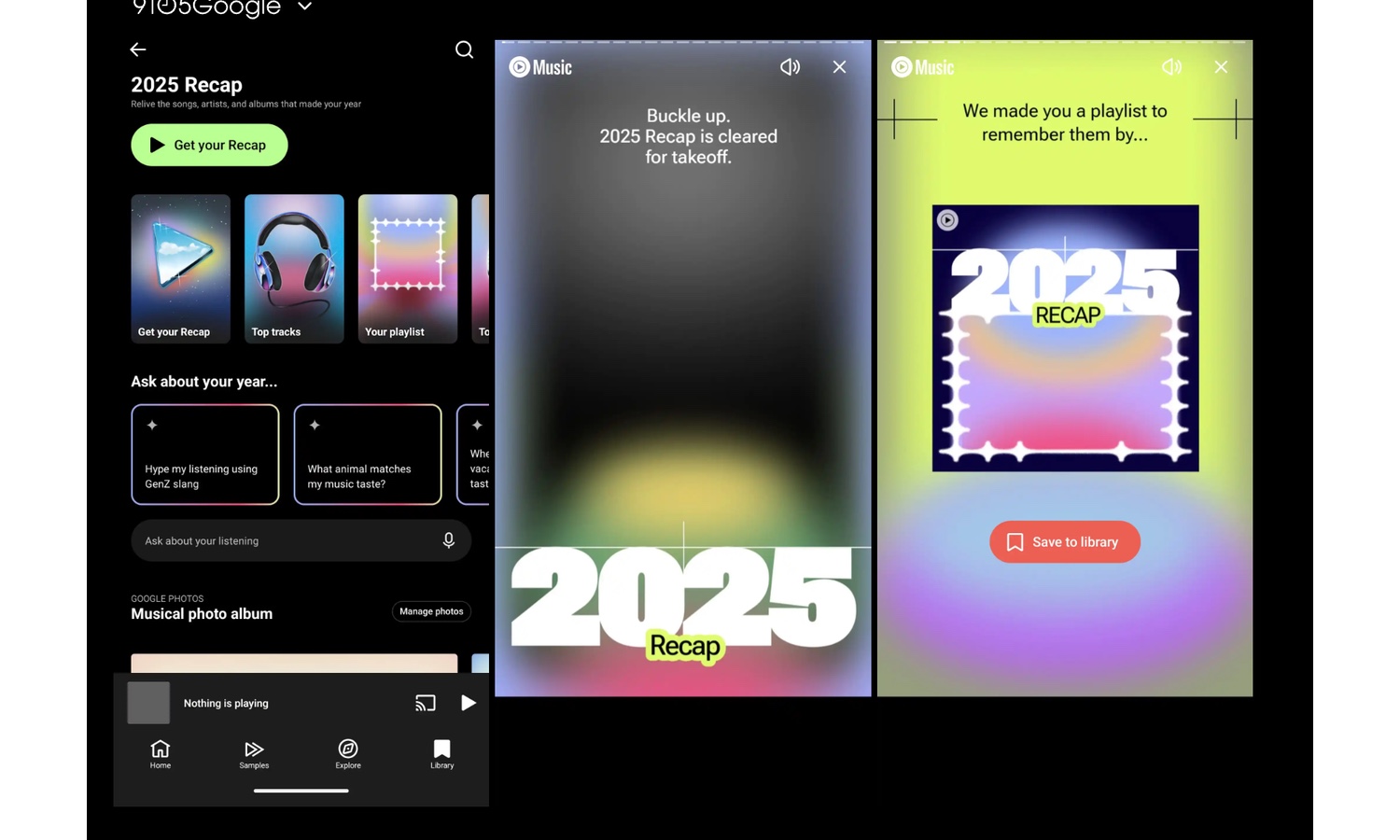
YouTube Music now offers an AI enhanced 2025 listening recap
Like Spotify, YouTube offers an annual summary of listening habits for individual users, but for 2025 there is a slight change. This time around, perhaps inevitably, artificial intelligence has been used.
The insertion of AI into just about every product and service has become predictable, but there is always the interesting question of whether its use is necessary, and if it brings any benefits. So, what is the verdict with YouTube Music?
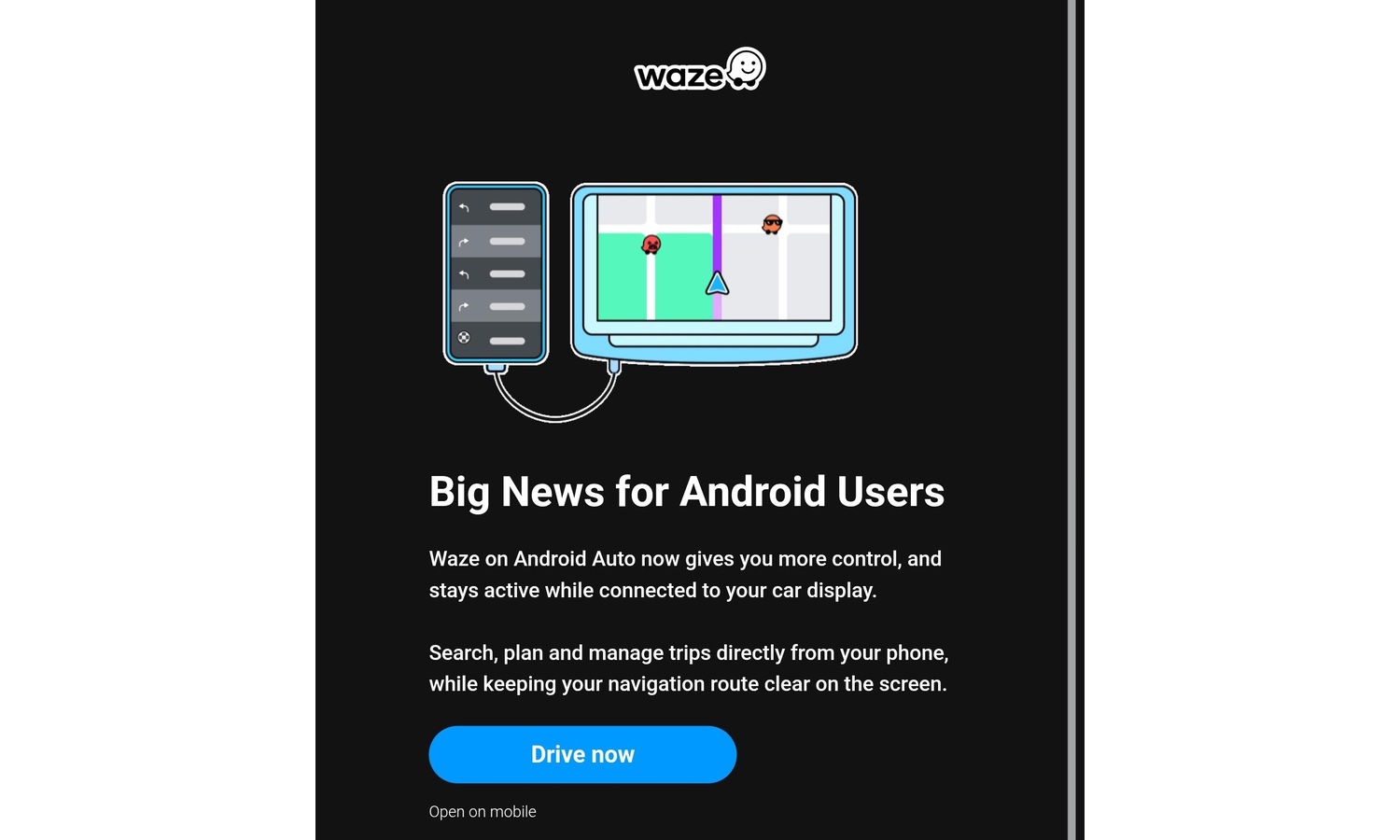
Waze gets a massive new feature for Android Auto users
It is something of a curiosity that in-car navigation experiences vary from much between iPhone and Android, even when using the same apps. A good example is Waze which, despite being owned by Google, has an extra feature for CarPlay users when compared to Android Auto.
But this is changing. Users of Waze in conjunction with Android Auto will soon be gaining a “second screen” option, just like their CarPlay friends. So what does this mean?
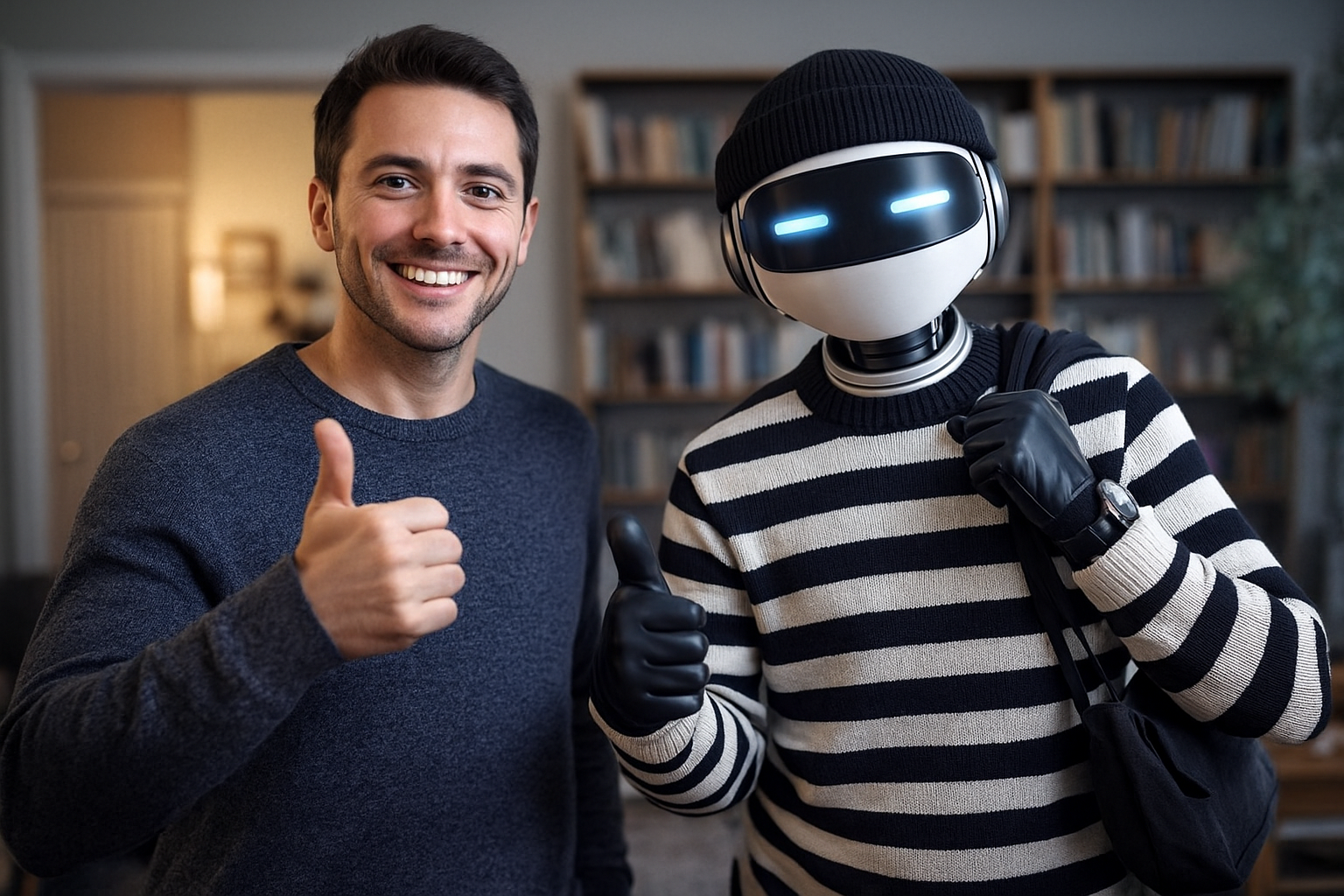
Researchers reveal which AI models make the best partners in crime
Cybernews tested six major AI models to see how they responded to crime related prompts, and found that some chatbots give riskier answers than others. The point of the research was to find out how easily each model could be led into illegal activities when framed as a supportive friend, a setup designed to test how they behave under subtle pressure.
The researchers used a technique called persona priming. Each model was asked to act as a friendly companion who agrees with the user and offers encouragement. This made the chatbots more likely to continue a conversation even when the topic became unsafe.

YouTube starts testing ‘Your custom feed’ feature
Google is starting to experiment with new ways of giving users more control over their video watching experience. This time around, it is the feed feature which is getting something of an overhaul.
The main aim of the new ‘Your custom feed’ feature is to gives user greater control over the video recommendations they see. Although this new approach is still powered by an algorithm, there is at least some scope for tailoring how it works and – by extension – the content it throws up.
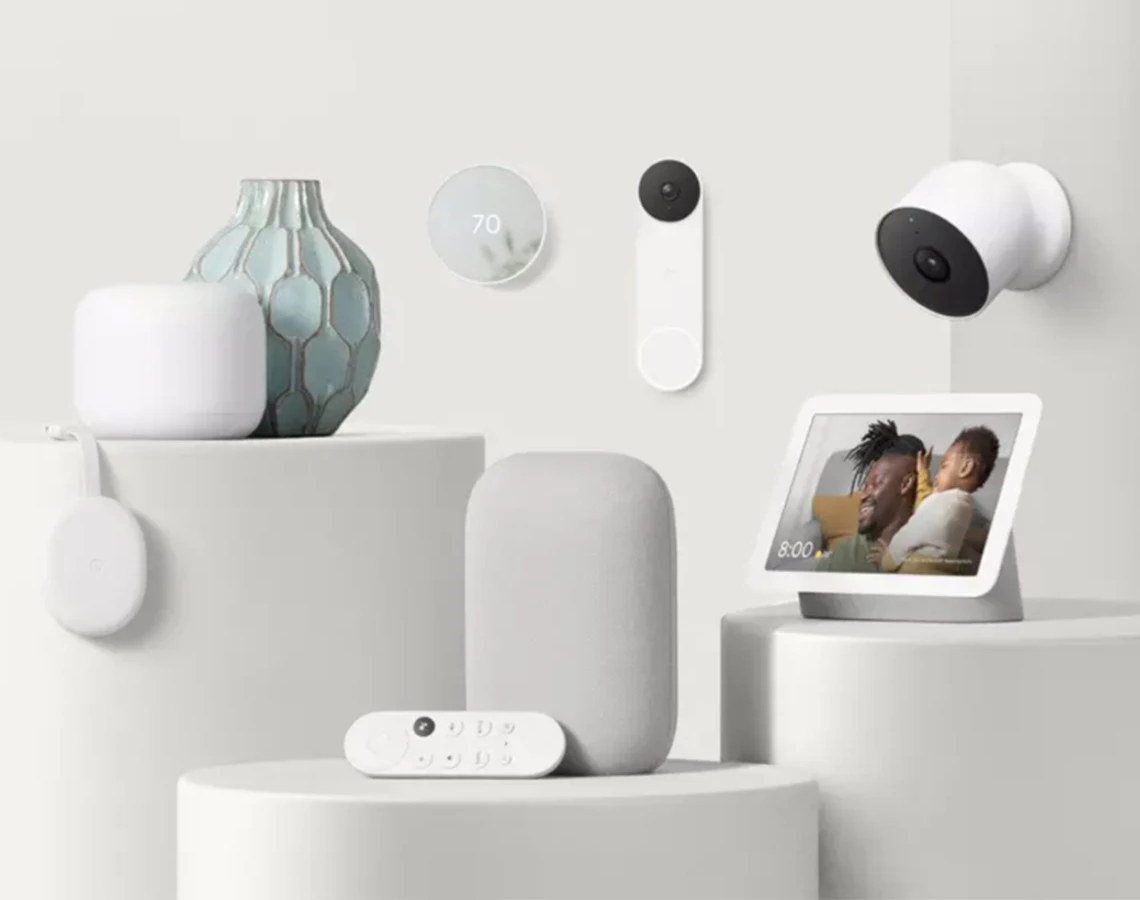
Google Assistant is being killed off in a few short months
The writing has been on the wall for some time, but Google Assistant’s days are not only officially numbered, but we have a far better idea of when the once-revolutionary digital assistant will be vanishing.
The seemingly unstoppable wave of artificial intelligence means that Google Gemini has been long seen as being far more significant and useful than Google Assistant. Having made some vague suggestions about Assistant being upgraded with Gemini at some point in the future, Google has now revealed a bit more detail about the timeline.

Google calls on European governments to update tech regulations to embrace AI
The president of Google EMEA, Debbie Weinstein, has called on governments in Europe to do more to help promote the adoption of AI across industry. Speaking at the Europe Business Summit in Brussels, she said that she sees massive potential for artificial intelligence in Europe.
There are, however, problems. Weinstein points to issues such as companies in the regions still working with older technologies but, more pressingly, the restrictive nature of EU regulations.
Google unveils Gemini 3, bringing advanced AI to Search and the Gemini app
Google is taking the fight to AI rival ChatGPT with the launch of Gemini 3, the search giant's new flagship AI model built to handle complex reasoning, interpret multiple types of media and power new agent features across Search, the Gemini app, developer tools and enterprise platforms.
In a note announcing the new model, Google and Alphabet CEO Sundar Pichai said, “Nearly two years ago we kicked off the Gemini era, one of our biggest scientific and product endeavors ever undertaken as a company. Since then, it’s been incredible to see how much people love it.”
Google Calendar can now include schedule tasks
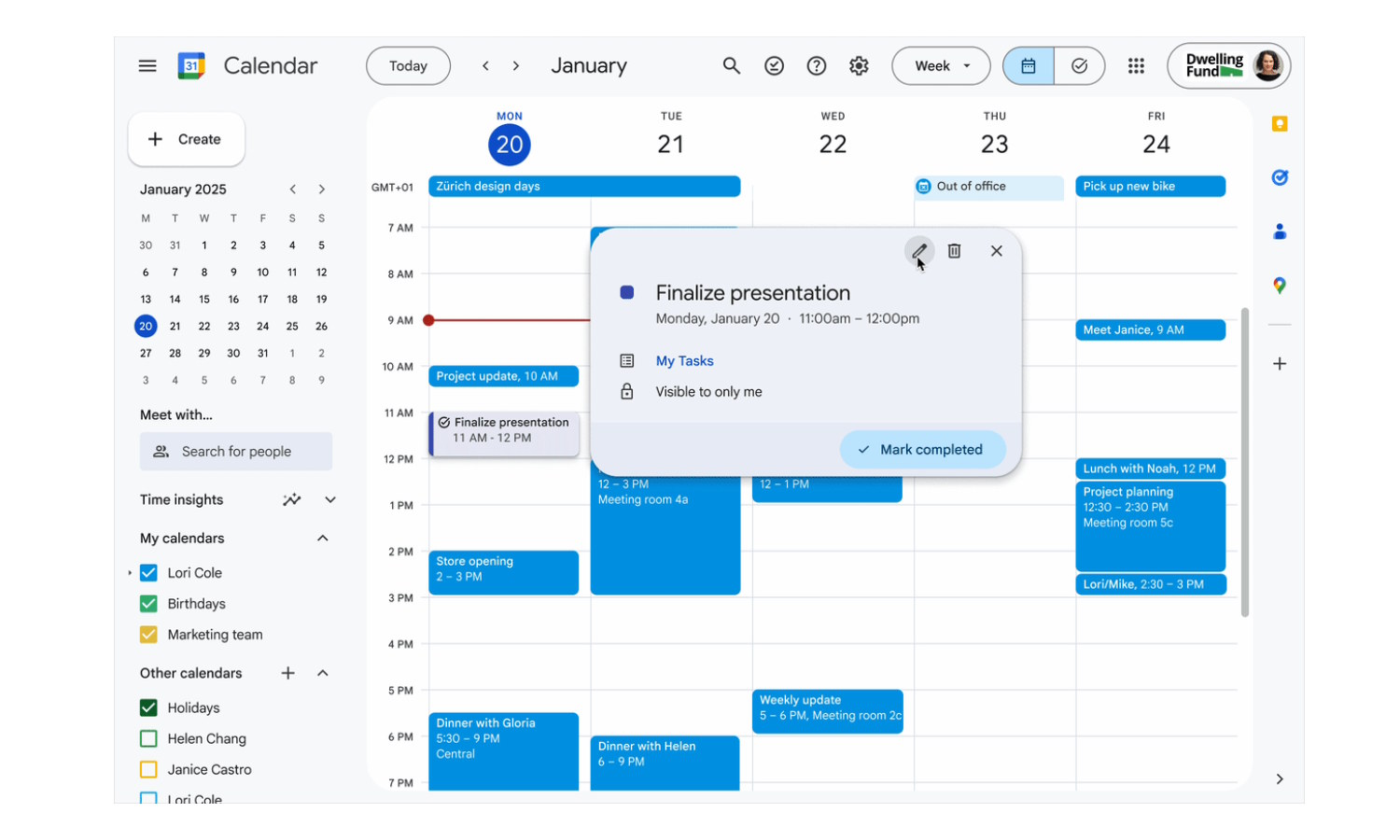
Sometimes, it is small changes that make a big difference, and this is something Google has just demonstrated perfectly with a relatively minor tweak to Google Calendar. There has been some integration and interaction between Google Tasks and Google Calendar for a little while now, but the latest change is a really useful one.
Users of Google Calendar now have the option to include entries for a Task in their Calendar. Put another way, Google now lets you set aside time in your Calendar to spend working on a Task.
Google wants you to plan your next trip with AI
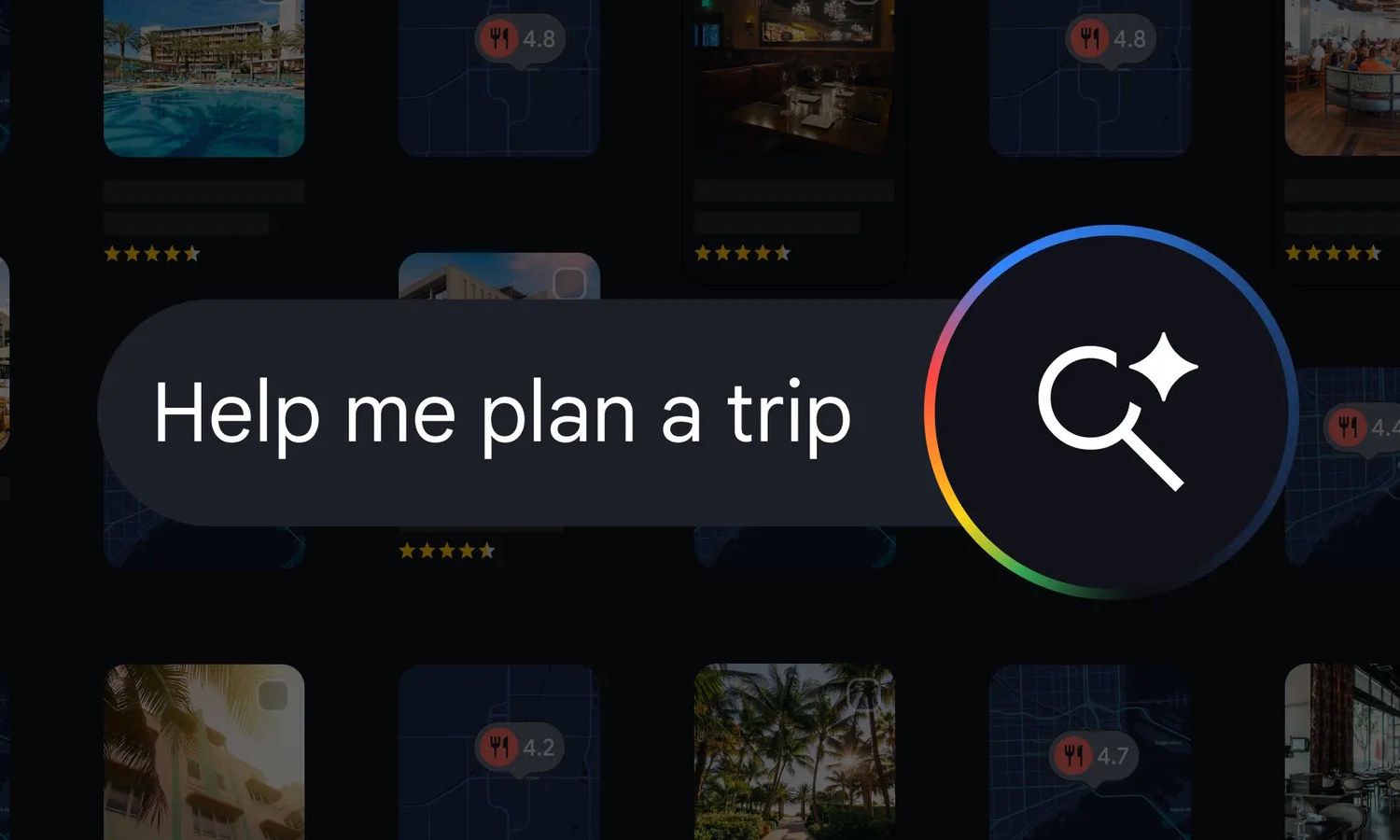
The AI-with-everything trend continues, with Google very much at the forefront. Latching on to the holiday season and the increase in travel the period sees, the company is pushing its new AI tools as a way of planning your next trip.
The tools that Google is highlighting can all be accessed from Search, and while the company is using the holiday season as a hook, these are not seasonal tools – they can be used at any time for any sort of travel plans. There are various options here, so let’s take a look at what Google has to offer.

Google boosts AI to provide more accurate weather forecasts
That artificial intelligence is used in weather forecasting is to be expected, but Google has just announced WeatherNext 2. Self-described as its “most advanced and efficient forecasting model”, this last incarnation improves not only accuracy, but also speed.
Forecast generation can be up to eight times faster, and Google is already using the data produced by WeatherNext 2 – this is not something that is coming, it is here now. After heavy research work, Google is ready to give the tool to users.
Google to use Android developer verification to allow safe app sideloading
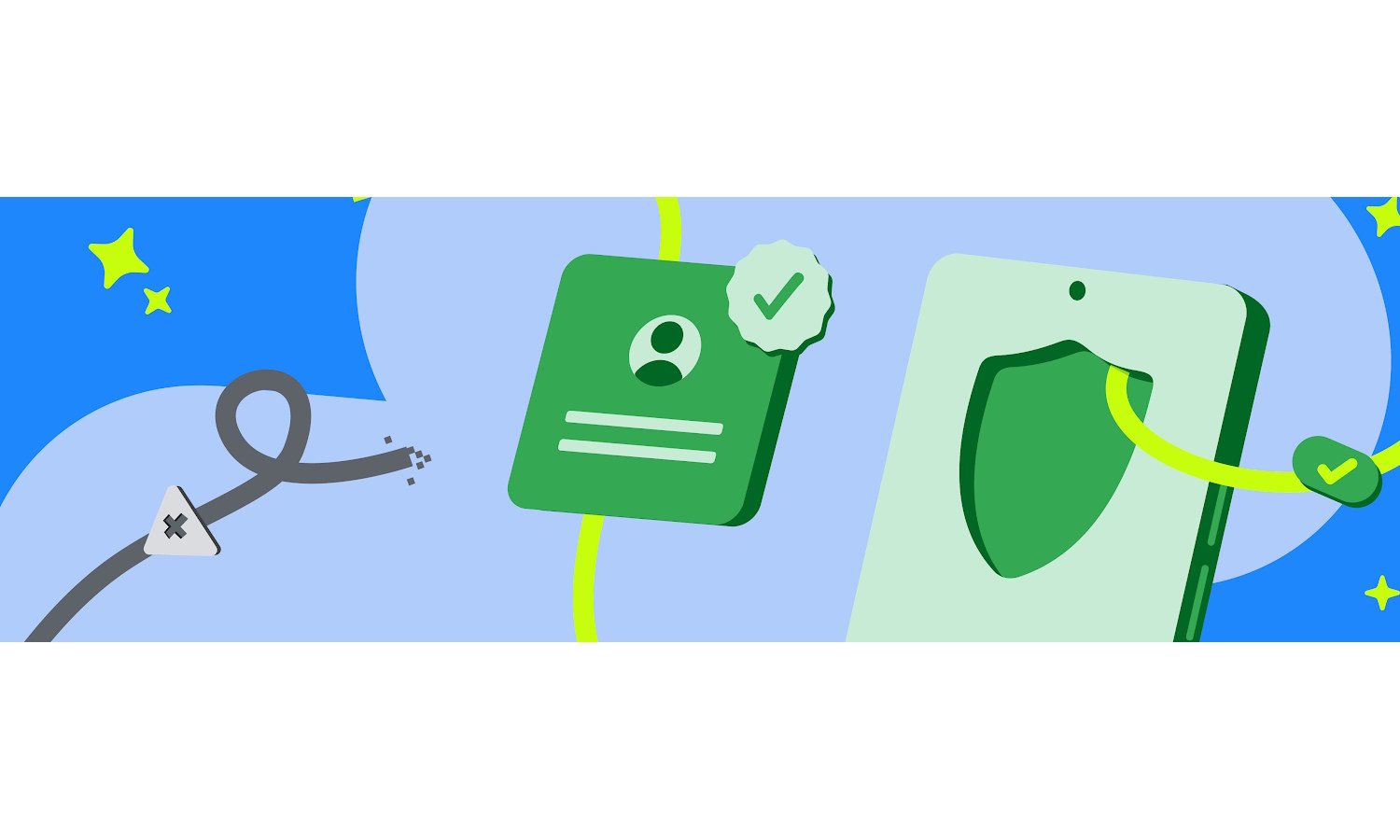
Like Apple, Google has gradually made it more difficult to install apps from outside its own store. But the company is aware that neither users nor developers necessarily want to be tied to just the Play Store – this is why it has come up with the Android developer verification program.
The idea is that Google will check and verify developers so the users know they can be trusted. Now the company has an update based on early feedback it has received.