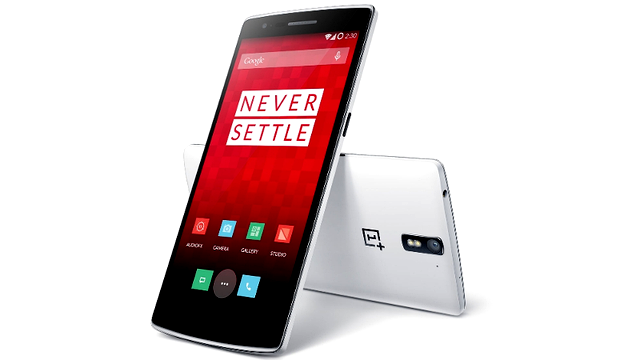
OnePlus One goes up for pre-order -- no invite needed
OnePlus One has attracted lots of attention from the media and consumers without even being generally available, as virtually every other flagship smartphone is today. Many have chosen to play by the company's rules, asking and waiting for the invites which give them the option to purchase the device. It's a pretty unusual way of selling and buying smartphones, but it seems to have only boosted One's appeal.
If you have not yet had the chance to buy One, you should know that today OnePlus is making it generally available to pre-order, as it temporarily drops its invite-only system to get One in the hands of more consumers.
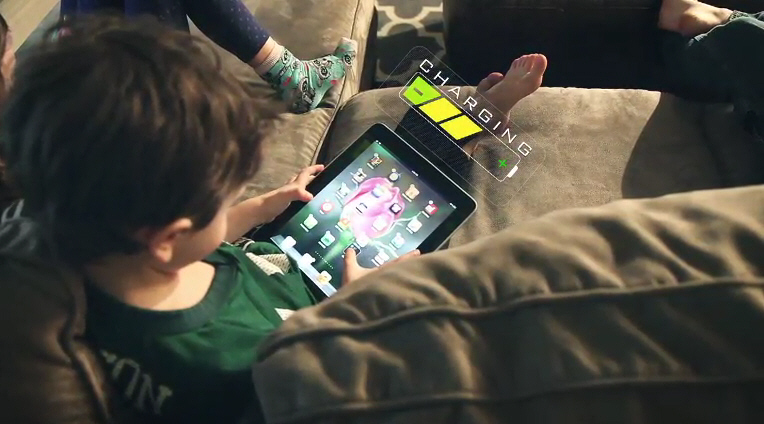
Home appliances set to become wireless charging points for phones and other devices
At the moment, when you want to charge your smartphone or tablet you have to either plug it in, or (if it supports the technology) place it on a wireless charging mat. That's all set to change though, as soon you’ll be able to charge your electrical equipment simply by being near a fridge or washing machine.
It sounds like crazy science fiction, but it’s just very clever science. Energous today announces a partnership with Haier Wireless, the world's largest appliance manufacturer, that will see its WattUp wire-free charging transmitters embedded in a wide range of home appliances including refrigerators, washing machines, dryers, microwaves, stoves and more.

Hungary proposes taxing internet usage -- will other countries follow suit?
You might think that you've already paid enough to get online. You bought your computer (or phone, tablet, whatever...), you pay line rental to your phone provider, you pay your monthly broadband charges, you pay the bill for electricity all of this requires. How does the idea of an extra charge on top of this sound? No? That's the general feeling in Hungary where an "internet tax" has been proposed by Viktor Orban's right wing government.
The Prime Minister proposes taxing internet usage in a similar way to mobile phone companies -- by tracking traffic levels. How much could this end up costing? Well, it could very quickly add up. The draft law suggests a fee of 150 forints (around $0.60) per gigabyte. To put that in perspective, it would cost more than $2 to download the Windows 10 Technical Preview, and around the same amount to upgrade to the latest build 9860.
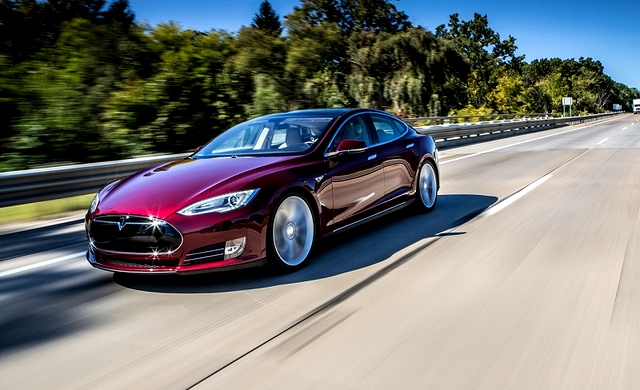
The mobile device is the new company car
I've been in the market long enough to have lived the glorious years when as a salesperson, you would join a new company primarily because of the salary and benefits it offered above any other consideration.
At that time, one of the important benefits was the company car, and once you had it, the next question was; how flexible would the company be around its use?

The slow pace of smart technology adoption is set to cost the UK economy £9bn in 2015
According to the Smart Society Barometer report from Samsung, the UK economy stands to lose out on over £9 billion over the next year, due to the pace of smart tech adoption being too sluggish.
According to the research, which involved speaking to 1,000 British companies and 2,500 consumers, UK businesses stand to lose up to £5.6 billion over the next 12 months by failing to utilize smart technology appropriately in their organization. And UK consumers will pay to the tune of £3.6 billion for a lack of understanding of how smart tech could benefit them.

I will be putting the Nexus 6 in my front pocket -- should I worry about bending?
Of course, I ask this semi-facetiously, as I do not expect the Nexus 6 to bend at all. Heck, I keep all my smartphones in my front pocket, and have yet to experience any bending or damage. Sure, smartphones are getting larger, often testing the limits of pocket size; however, manufacturers should know a consumer's expectation about front pocket usage, and should take that into account in design.
Lately, I have been storing the large phone de jour, the Galaxy Note 4, in the front pocket of both my jeans and khakis. Guess what? It remains flawless -- no bending. So why am I asking this question? The iPhone 6 and 6 Plus of course! The "Bendgate" scandal has been criticized by many, for various reasons. I have seen people say "of course aluminum bends", and my favorite, "you should not put it in your front pocket". Really? That is just silly, as again, Apple knows that consumers keep smartphones in their front pockets, and the company has never warned against the practice.

How to make Windows 10's Search and Task View buttons die, die, die!
There's a lot to like about Windows 10, particularly if you're already a fan of Windows 8.x -- there isn’t all that much that's new at this stage. It's not all good news however, and there's also quite a lot to dislike. One thing that has cropped up time and time again in user feedback is the fact that the Search and Task View buttons that appear in the taskbar cannot be removed.
At least, there is no built in option to remove them. Where there's a will, there's a way and some enterprising users of the Technical Preview have found ways to banish the buttons that are seen by many as being pointless.

UberX lands in hot water with Philadelphia Parking Authority
Uber’s low-cost ride sharing program UberX launched in Philadelphia this weekend, but not without attracting the ire of the notorious Philadelphia Parking Authority. The agency claims UberX is operating illegally within the city, and has threatened to shut the service down.
Despite these threats, those looking for UberX rides in Philly will be hard pressed to find one. Uber ran a promotion for free rides up to $20 through the service to celebrate its launch, and through much of the weekend UberX showed no cars available.
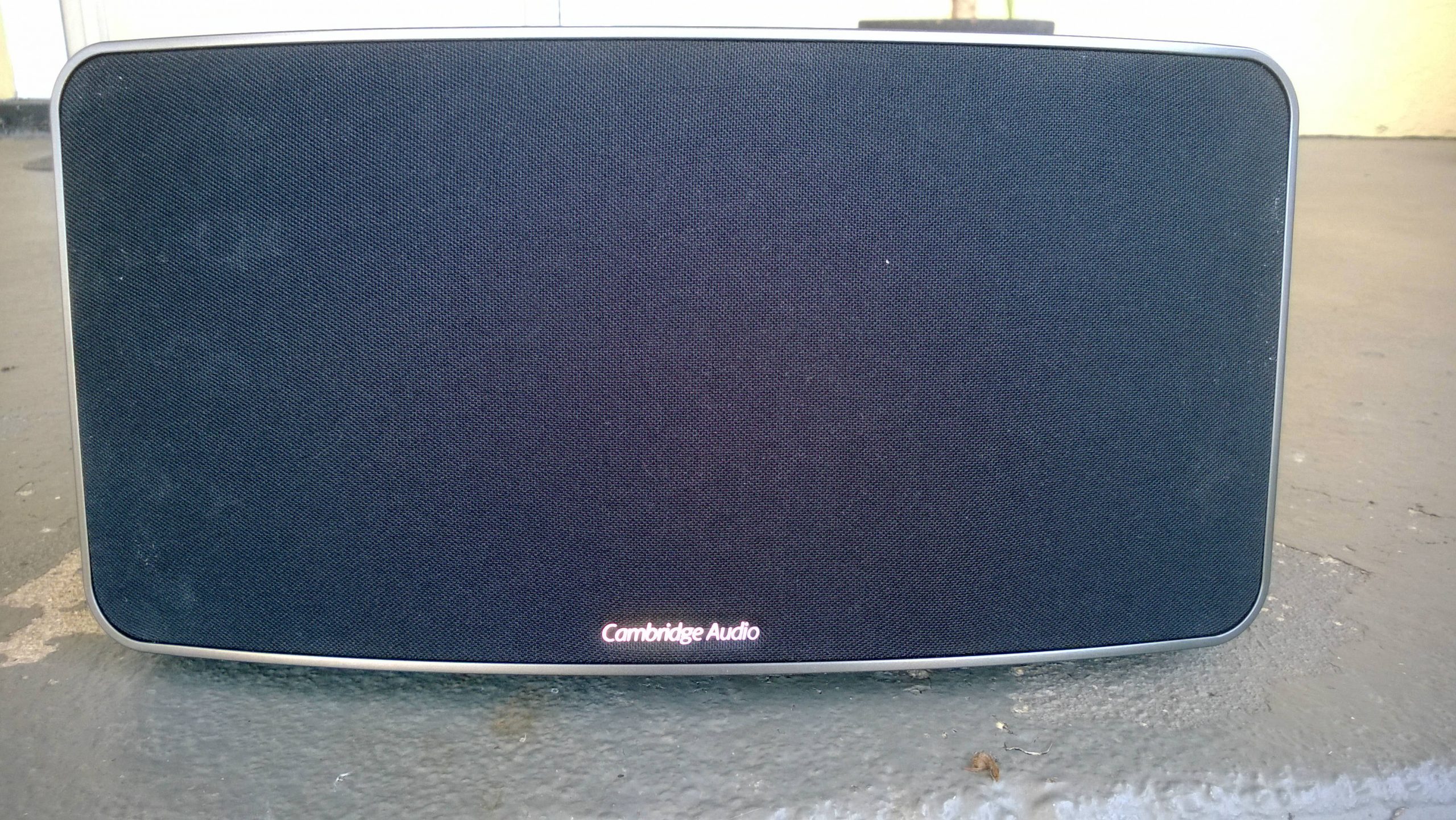
Cambridge Audio Bluetone 100 -- not your average Bluetooth speaker [Review]
As Bluetooth speakers go, most tend to be small devices, easily transportable and charged via a micro USB port. That is largely what has made the peripherals popular -- portability and convenience. But there are manufacturers that take these things a bit more seriously.
Cambridge Audio aims to change perceptions of Bluetooth speakers, turning those small portable gadgets into something that is more home theater gear. One of its offerings is called the Bluetone 100 and, though it doesn't come cheap, it may satisfy the audiophiles out there by offering a bit more than average.

Twitter: Your Twitpic photos and videos are safe... for the time being
After flip-flopping between closing, then not closing, and finally closing, Twitpic has now shut up shop. But that's not quite the end of the story. There had been rumors flying round that Twitter was going to buy the image and video hosting service, but that ultimately amounted to nothing. The latest twist in the story is that Twitpic and Twitter have come to an arrangement that means content that has already been uploaded is safe. For now, at least.
In a statement on the Twitpic blog, founder Noah Everett explains that a deal has been struck with Twitter. What this amounts to is Twitpic handing over the domain and content archive to Twitter. This will keep "the photos and links alive for the time being".

I need your advice! Should I get basic cable or keep the cord cut?
In July, connected TV service went dark in the Wilcox household, as we pulled the plug on AT&T U-verse and switched to Cox Internet. That reduced our monthly bill from about $130 to $59.99 exactly; there are no taxes or surcharges applied to the Net. Now Cox tempts with a compelling offer: Add local channels and HBO or STARZ, with no-cost HD set-top box for another $9.99 month. Installation is free, and there is no contract. Price is good for 12 months. Should we?
Cox promises 44 channels, plus either of the premium channels (I want HBO). But, realistically, that means 10, since we only watch HD, plus the "Game of Thrones" channel. We already receive five over the air using a Mohu Leaf 50 HDTV antenna, which I have to review.
How to remove devices from your Dropbox account
Dropbox is not especially consumer focused. However, it is still very popular in the cloud market for individuals. The good thing about this combination is that security insights needed for the business aspect of its model seep into the consumer product.
For example, it has much better security settings than Google Drive or OneDrive, the other two popular cloud services in the consumer space. Only Dropbox allows you to view, and remove connected devices.
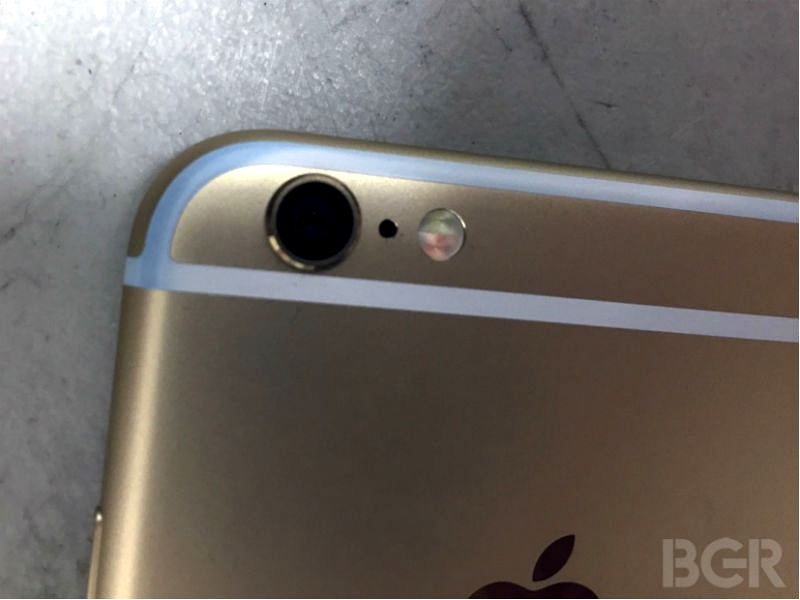
Apple's latest iPhone 6 problem -- #dyegate
Apple's latest flagship smartphone has caused consumers quite a few headaches (literally, in some cases).
The handset, which doesn't come cheap, is prone to bending and tearing out people's hair, leading to the creation of the vastly amusing '#bendgate' and '#hairgate' scandals. Now, however, it's all about '#dyegate'.
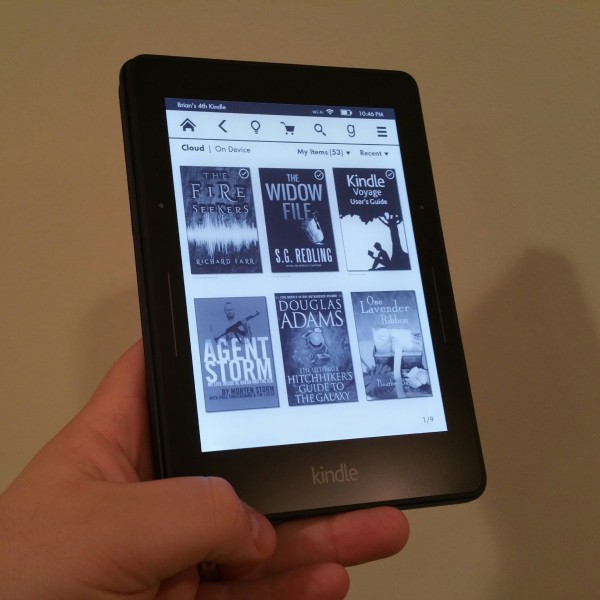
Amazon Kindle Voyage Wi-Fi + free 3G and Leather Origami Cover [Review]
It seems like everyone has a tablet or phablet nowadays. These devices are wonderful as they let you do many things, like listening to music, surfing the web and reading. Yes, you can read a book on an iPad, Nexus 7 or Galaxy Note, but you shouldn't -- your eyes do not want you to. You see, it's debatable, but generally accepted, that back-lit LCD displays can strain eyes and lend to eye fatigue. Also, they tend to have poor readability in bright sunlight.
Amazon solved these dilemmas in 2007 with the original Kindle -- an e-ink based e-reader, that worked well in sunlight and was easy on eyes. Since then, there have been many upgrades to the original design, leading up to the all-new Kindle Voyage. I have been reading many a book on the device and want to share my impressions with you.

Pixelmator for iPad launches, offers Photoshop-style editing on your tablet
The Pixelmator Team, renowned for its Mac image-editing tool of the same name, has released Pixelmator for iPad 1.0, a similarly powerful image manipulation tool.
The app, which costs $4.99 and requires iOS 8.0 or later, has already garnered rave reviews and offers a wide range of tools covering creating, editing, fixing and enhancing images.