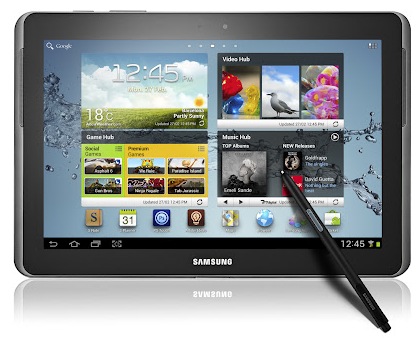
Save us from the stylus! Samsung unveils Galaxy Note 10.1!
I am seriously having Windows Tablet PC déjà vu. Today, at Mobile World Congress, Samsung unveiled Galaxy Note 10.1 -- a tablet with stylus (okay S Pen, as the South Korean electronics giant calls it). So much for capacitive touchscreen tablets -- really, Apple's emphasis on fingers -- liberating us from the stylus. There are reasons why Tablet PC failed, while iPad succeeded. The pen isn't mightier than the finger.
Galaxy Note 10.1 is essentially a larger version of Galaxy Note, which Samsung is promoting heavily here in the United States. Difference: No telephony on the larger Note, which display is 10.1 inches. AT&T sells the 5.3-inch Note for $299.99, although Amazon has it for half as much. I know three people who bought the smaller Note. Two returned theirs, and the other says he will this week. Reason: The pen, which is supposed to be the device's main benefit. Complaints range from accuracy problems to less need for the stylus than expected.

Panda Cloud Antivirus 1.5.2 improves on-demand scanning speed
Panda Antivirus has announced a maintenance release for Panda Cloud Antivirus 1.5.2, promising better performance, a new search engine for its toolbar add-on and a wide number of bug fixes.
Panda Cloud Antivirus is designed to minimize its impact on system resources by tapping into cloud-based processing power to do much of the security tool’s leg work in analyzing, blocking and attempting to remove malware infections. This makes it especially suitable for deployment on low-spec and older PCs.

Adobe brings Photoshop Touch to iPad
It has been some time since Adobe announced plans to release an iPad-specific version of the image editing tool Photoshop, and that day is finally here. Adobe Photoshop Touch arrived today, joining a surprising number of software announcements coming out of Mobile World Congress.
Photoshop Touch is a latecomer to iPad. Adobe released an Android tablet version in November.

China is 'ground zero of efficiency,' says chipmaker Marvell
On Friday, I talked about ZTE's "China First" strategy and how it paid off with big revenue gains at the end of 2011. Monday, chipmaker Marvell revealed the new products in its own "China First" strategy in the mobile data modem space: new Time Division data modems for the bleeding edge Chinese network protocols: TD-HSPA+ and TD-LTE
The products include the PXA1202, which Marvell bills as the world’s first Release 8 TD-HSPA+ modem, capable of 8.2 Mbps downlink speeds; and the PXA1802, a multimode TD-LTE modem chipset for TD-SCDMA and LTE markets capable of downlink speeds up to 150 Mbps.
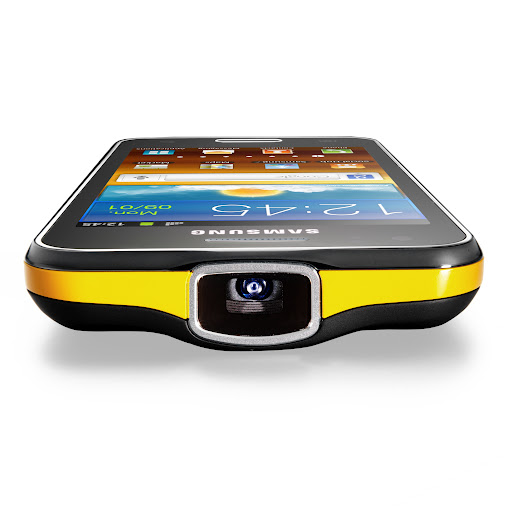
New Samsung mobiles are oh-so last year
Samsung wasted no time announcing new devices during Mobile World Congress 2012, and what a strange lot, too. There's a projector phone and successors to the original Galaxy Tab that, by the specs, are last year's models. That's right, Galaxy Tab 2 has no quad-core processor for you.
Galaxy Beam stays in the past, too, running Android 2.3, rather than newest version Android 4.0 -- aka Ice Cream Sandwich.
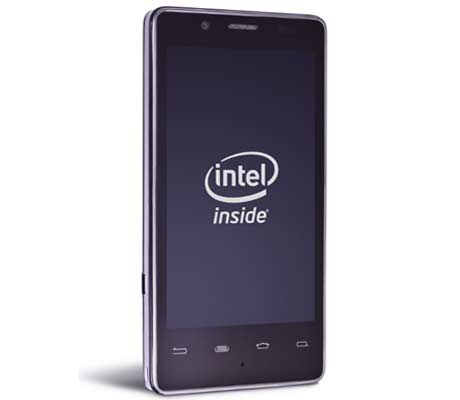
Intel deals a preemptive strike on Android-on-x86 battery optimization
Chipmaker Intel is still on the cusp of making its big entry into the consumer smartphone business, but at the Mobile World Congress in Barcelona today, the company is providing a look at some of its advancements in the field, including the first real-time graphics performance and power analysis tool suite for Medfield that will be spotlighted at the Game Developers Conference in a little more than one week's time.
The Intel GPA System Analyzer is a developer tool that can capture real-time metrics of Android games and apps running on the Medfield processor, with the ability to switch between different rendering scenarios in the app (wire frame only, no alpha, textures only, rendering distance, different resolutions, etc.) to optimally tune it for best performance.
HTC One X is all quad-core goodness
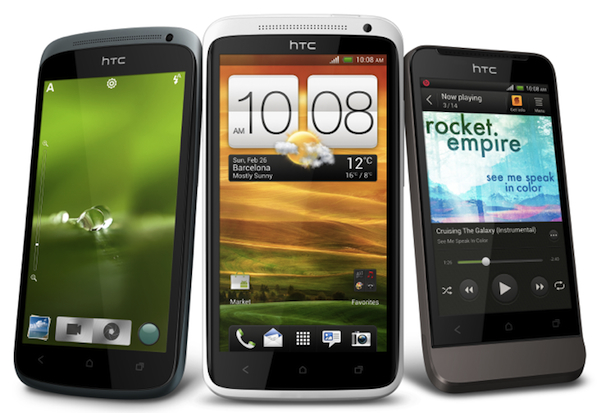
It's Mobile World Congress, where handset manufacturers announce phones they won't ship for months. HTC will do a little better, offering the new HTC One family of smartphones starting in April. Flagship handset One X is loaded for bear, with 1.5GHz quad-core Nvidia Tegra 3 processor and 4.7-inch 720p display.
Is it me, or does the One X look a little like a beautified HTC Titan II but running Android, packing more cores and offering higher-res display? Or perhaps these HTC phones all kind of look the same. Whatever, the One family (pictured), particularly the X, looks lots like HTC trying to regain some of its Android mojo.
Apple is winning the mobile platform wars
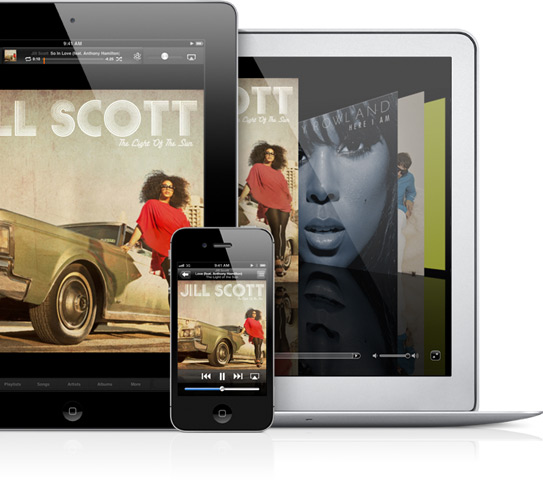
In October 2009, I explained why "iPhone cannot win the smartphone wars". Many of the reasons then still hold true today. But I wrote that analysis before Apple released iPad. So, 10 months later I followed up with "Apple can still win the mobile platform wars, but it won't be easy". Now, 18 months later, as Mobile World Congress starts in Barcelona, Spain, I claim: Apple is winning the mobile platform wars, but achieving ultimate supremacy won't be easy.
In August 2010, I observed: "Pundits already are predicting iPhone's death brattle before the great Android god. I wouldn't write off Apple just yet. The mobile wars are bigger than smartphones, as Apple already has shown". Little has changed since. Android apologists still predict victory over iOS, while ignoring fundamental platform gains that put Apple in front.
BeatBlaster gives your iPad a new Hi-Fi makeover
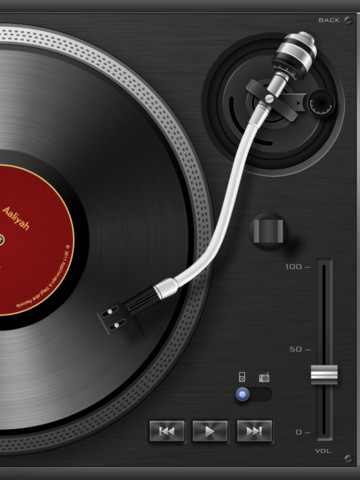
The large screen of the iPad means that it is ideally suited for use as a movie player, but there is no reason that it cannot also be used to listen to music. BeatBlaster is a great looking music playing app that not only enables you to listen to your iTunes library on your iPad, but enables you to do so using a retro styled Hi-Fi.
There are few people that still make use of a traditional Hi-Fi these days, but by popping your iPad into a dock and hooking it up to a set of speakers, you can take a step back in time while benefitting from great sound quality.
Hit 'Enter' and get one of these 23 exciting software downloads
February may be the shortest month of the year, but the list of software releases over the past seven days is just as long as ever. This week we have collected together 23 key releases that may have escaped your attention, and as no roundup would be complete without at least one security tool, what better place to start that with Avast! Internet Security 7 FINAL.
Offering virus protection, a firewall, web filtering and remote assistance, this is a very comprehensive suite, but there is also Avast! 7 Free FINAL for anyone who would like a decent level of protection without having to part with any money.
You will get 'Smoked by Windows Phone'
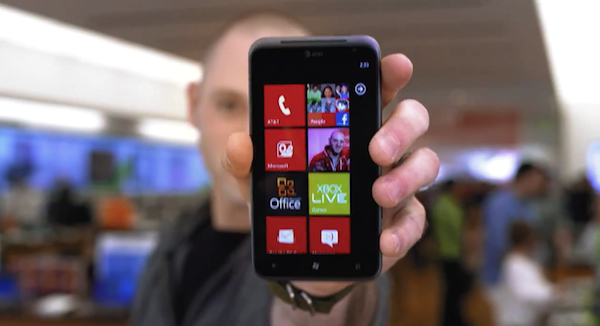
If not for the flu, I would have caught this yesterday: Microsoft has launched a digital-only video ad campaign based on its "Smoked by Windows Phone" contest at this year's Consumer Electronics Show. It's another marketing win for Microsoft, and this has become habit -- and strangely so for a company that just a few years ago showed about as much advertising finesse as a dog scratching fleas.
The video here is a long version. The actual Windows Phone clips appearing on popular tech sites are 15 or 30 seconds. I count four of these and another two-minuter. Microsoft reshot the contests at one of its retail shops, rather than use video from CES.
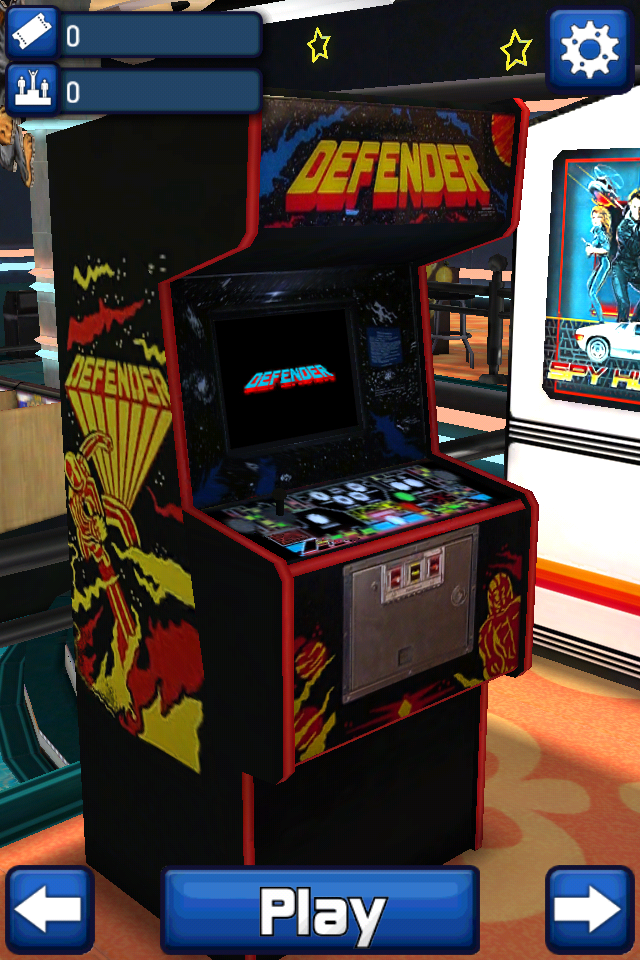
Blast to the past with Midway Arcade for iOS
Anyone who grew up in the `70s and `80s will remember the lure of the arcade and the thrill of pumping coin after coin into a machine to have one more go on a tricky level. Games have come a very long way since the days of Defender and Spy Hunter, but these are classic titles that still have appeal.
While recent games such as Need for Speed and GTA have found their way onto the iOS platform, iPads and iPhones are perfect devices for a little retro gaming. Enter Midway Arcade to enable you to relive your youth or discover it anew.
Guess what? Tiered cellular data plans don't reduce usage!
The practice of data speed throttling and the reasons behind it look less sanguine now following the results of a study showing that on average there is little difference between the data usage of the top five percent on both tiered and unlimited plans. So now what's the excuse?
I have been beating the drum against throttling for much of this month on the pages of BetaNews. First was my response to AT&T's unfair treatment of long-time customers. Then Cisco came out a week later with a study that shows consumers are using more data than the carriers lead us to believe. AT&T of course responded to this, blaming you for its bandwidth issues.
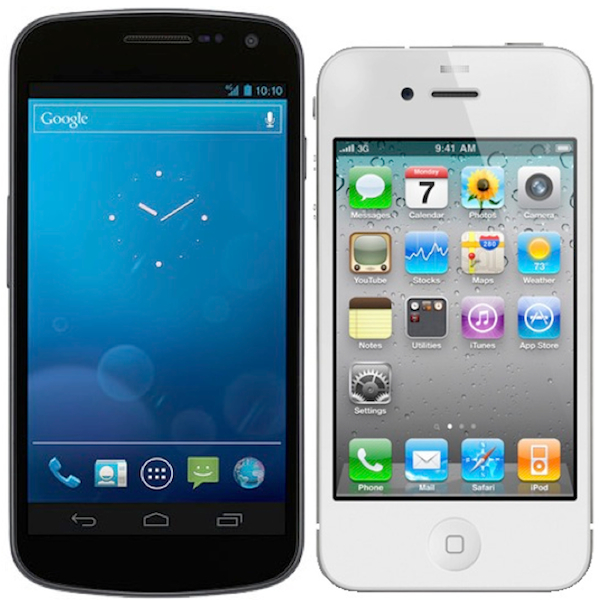
Who wins if Android and iPhone lose the smartphone wars?
Finally, an analyst firm comes clean about the cell phone market's volatility. Gartner and IDC continue to make outrageous predictions -- like Windows Phone as No. 2 smartphone operating system in 2015 -- despite many earlier forecasts being drop-dead wrong. But comScore says pretty much anything can happen and likely will.
That's a stunning assessment, considering Androids' and iPhone's 2011 success, as highlighted in comScore's "2012 Mobile Future in Focus" report. iPhone 4 -- right, not 4S -- was the top-acquired phone in the United States and five combined Euro countries (Germany, France, Italy, Spain and United Kingdom) last year. Android led among smartphone operating systems.

'China first' strategy pays off for ZTE
According to a report from International Data Corporation (IDC) earlier this month, the top five mobile phone vendors, in order, are Nokia, Samsung, Apple, LG, and ZTE, with Nokia and LG gradually ceding their positions to the other three.
ZTE was actually almost tied for fourth place with LG, with fewer than a million units separating their shipment numbers. Now, market consulting firm Frost and Sullivan has said ZTE not only significantly grew in consumer device market share, but it exploded its sales revenues in network equipment as well.