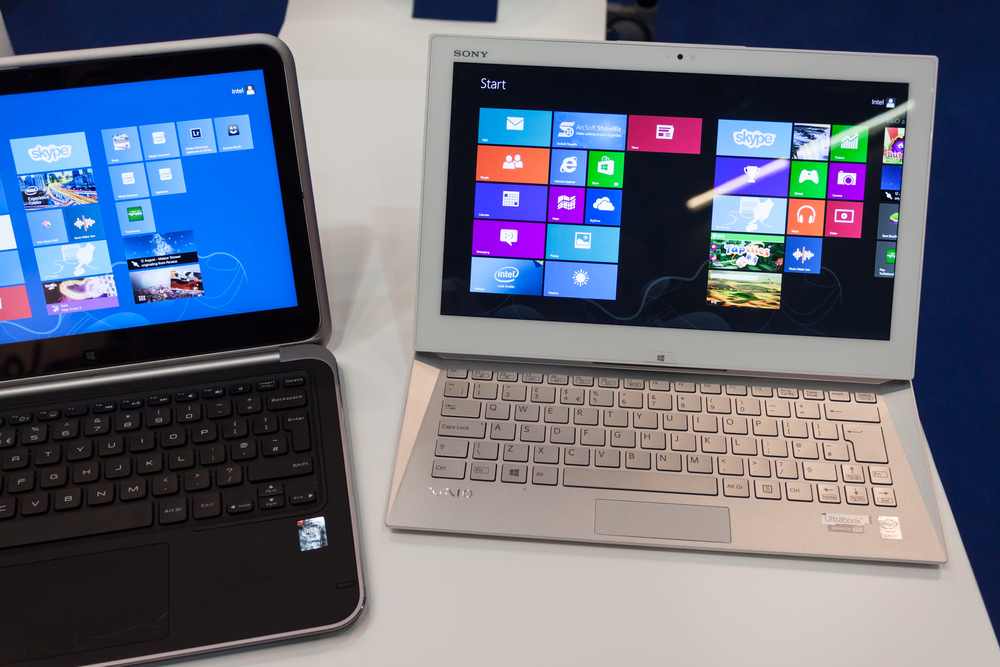
Apple succeeds where Sony couldn't
There are OMG events, and Sony's selling its PC business surely is one of them.
"It's an historic moment", Roger Kay, Endpoint president, says. "The company Steve Jobs looked up to as the paragon of style leaves the industry he helped found, driven off, at least in part, by him".
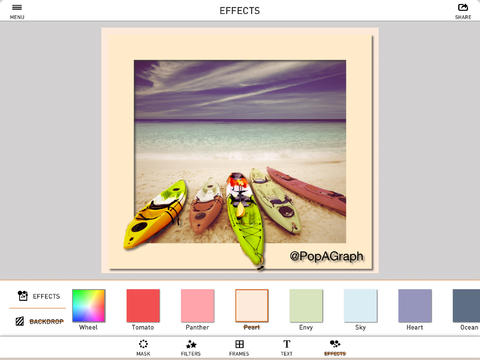
Best iOS apps this week
Fifth in a series. A big week for Apple as the company delivered record fiscal first quarter results -- $57.6 billion revenue and $13.1 billion net profit. The tech giant revealed it had shipped 51 million iPhones, an all-time quarterly record, compared to 47.8 million a year-ago, and 26 million iPads, up from 22.9 million in the same period a year ago. Wall Street wasn’t impressed, but that’s to be expected.
Of course a big part of Apple’s success is the number and quality of apps available for its hardware. As the owner of both iOS and Android devices, I find the apps for the iPhone and iPad to be vastly superior (although there are always exceptions). There’s less garbage, and far fewer ad-riddled apps. Part of that reason is Apple’s strict approval process, and the amount of money it pays to developers -- $2 billion in its fiscal first quarter -- helps too.

Switching from a Windows 8.1 PC to Mac -- a painful yet worthwhile transition
Due to my geeky nature I am prone to making rash decisions. If something interesting grabs my attention chances are I will want to try it out right away, without giving too much thought to the possible implications as curiosity gets the best of me. More often than not (luckily), I enjoy the experience from the get-go and end up accepting the new, but this has not been the case with my switch from Windows 8.1 to Mac. Things just did not make sense to me right from the start, it did not feel natural and it did not just work. I have since wanted to go back more times than I can remember.
Years and years of muscle memory and computing habits, that I developed whilst using Windows, went down the drain as I started my Mac experiment (a costly one at that). Bye, bye! The software that I needed or wanted to use was simply not there, or working as I would have liked it to, on OS X. I definitely did not enjoy this part, nor the one where I had to find good alternatives to my favorite programs, learn how to do basic things again, and adapt to what was basically a quirky new platform for me. I am not a masochist, I enjoy trying out new things, but even I had to admit that I was in over my head.

Windows Phone still plays in the little league, fails to reach 4 percent market share
Bad news for Microsoft today, as a new report that was just released by research firm Strategy Analytics places its smartphone operating system, Windows Phone, at less than 4 percent market share in 2013. It may be in an honorable third place, but, by contrast, Apple's iOS, which ranks second, had a market share of 15.5 percent in the same period, while Android, the most popular of the bunch, dominated the landscape from afar with 78.9 percent market share in the past year.
In 2013, shipments of smartphones running Windows Phone reached just 35.7 million units, leading to a low market share of 3.6 percent. Overall, a previous Strategy Analytics report released earlier this week places smartphone shipments in 2013 close to one billion units (990 million, to be exact). The tiled mobile OS grew in both shipments and market share compared to 2012, from 18.8 million and 2.7 percent, respectively, but has yet to reach a threatening position to its more popular rivals, even for iOS which has been losing market share in major markets across the globe.

Could Apple produce a solar-charging MacBook with rear touch sensors and two displays?
What's the biggest problem with using a laptop out and about? Apart from the need to track down a stable Wi-Fi connection, what concerns most laptop owners is how long they are able to keep working when away from a source of power.
It's a problem that faces mobile phone and tablet users, but for users of smaller devices there are small, cheap, backup batteries available, some of which can be charged via solar panels. A new patent awarded to Apple means that a similar technology could be making its way to MacBooks. But there's more... much, much more... to get excited about.
Apple serves a feast but Wall Street complains there's no ketchup
You would think that after Apple delivered fiscal first quarter record results -- we're talking $57.6 billion revenue and $13.1 billion net profit -- that investors would be happy. But, no-o-o! Apple shares sank more than 8.5 percent in after-hours trading last night. They are down about 8 percent in midday trading. That's what happens when perceptions about the future, rather than present performance, define a company.
But the problem is bigger than just Wall Street analyst or investor fear frenzy. There's an echo chamber bellowing this fine Tuesday, as bloggers and journalists stumble over one another to sound the loudest alarm. After seeing the headlines on Yahoo Finance -- like "New Apple looks like the old Microsoft", "Cure to what ails Apple can be found in the margins", or "How does Apple get its mojo back?" -- I realize someone needs to do a reality check. Geez Louise, Apple had a fantastic quarter. The apocalyptic reaction is nothing less than insanity.

Smartphone shipments top one billion units (maybe), Samsung and Apple lead the pack
In 2013, for the first time, yearly smartphone shipments topped one billion units, according to IDC. Rival firm Strategy Analytics, though, begs to differ and says the milestone has yet to be reached in the past year, with only 990 million units being shipped. Regardless of the number, this market continues to show strong gains year-over-year, as shipments increased by over 34 percent (according to SA; IDC says 38.4 percent) compared to the previous year (for 2012, IDC says 725.3 million units, while SA estimates 700.1 million units).
Apple and Samsung remain the market leaders, according to both firms. The South Korean maker continues to be the largest smartphone vendor, shipping in excess of 310 million units in 2013 (IDC -- 313.9 million units, SA -- 319.8 million units), which represents a healthy increase over the 2012 results (IDC -- 219.7 million units, SA -- 213 million units). Its share of the market also increased, slightly, to 31.3 percent from 30.3 percent, according to IDC, or to 32.3 percent from 30.4 percent, according to SA.

Nokia's poor Lumia sales hold back Windows Phone's growth
The underwhelming Nokia Lumia sales from Q4 2013 have put a damper on Windows Phone's momentum, as, for the first time last year, the Finnish maker moved less units compared to the previous quarter. Growth was already slowing down, as I pointed out three months ago, but a decline in moved units was unexpected, potentially leading to irreparable damage, in the short and the long run as well, for the market share of the tiled smartphone operating system.
Lumia sales are extremely important for the growth of the platform because Nokia's Windows Phone market share has been holding steady around the 90 percent mark for a very long time. This means that if the Finnish maker has a great quarter, in regards to Lumia sales, the tiled smartphone OS has a better chance of holding its own against Android and iOS, and increasing its market share. Luckily, we do not have to wait any longer to find out how the Lumia sales from Q4 2013 have impacted Windows Phone, as Kantar Worldpanel ComTech just released a report for the respective quarter.

The most popular stories on BetaNews this past week - January 19 -- 25
Handset news aplenty this week. The Nokia Lumia 929 appeared for sale in China, and also showed up on Verizon's US website under the Nokia Lumia Icon name before quietly disappearing. None of this did anything to improve Windows Phone sales for Nokia which were found to be disappointing. Figures released this week showed that phablets are going to become increasingly popular as user look to merge smartphones and tablets in to a single device. It will probably come as little surprise that in the next few years it is predicted that mobile apps will be the most used software. Samsung Galaxy Note 3 owners were disappointed to find that upgrading to KitKat killed their ability to use third party accessories.
Ahead of the release of Update 1 to the operating system, Microsoft finally got around to releasing a guide to mastering Windows 8.1. So keen is Microsoft for you to learn more about Windows 8.1, a second batch of guides was released later in the week. And while you're becoming an expert Windows 8.1 user, Microsoft would like you to take a second look at Internet Explorer and rethink its web browser.
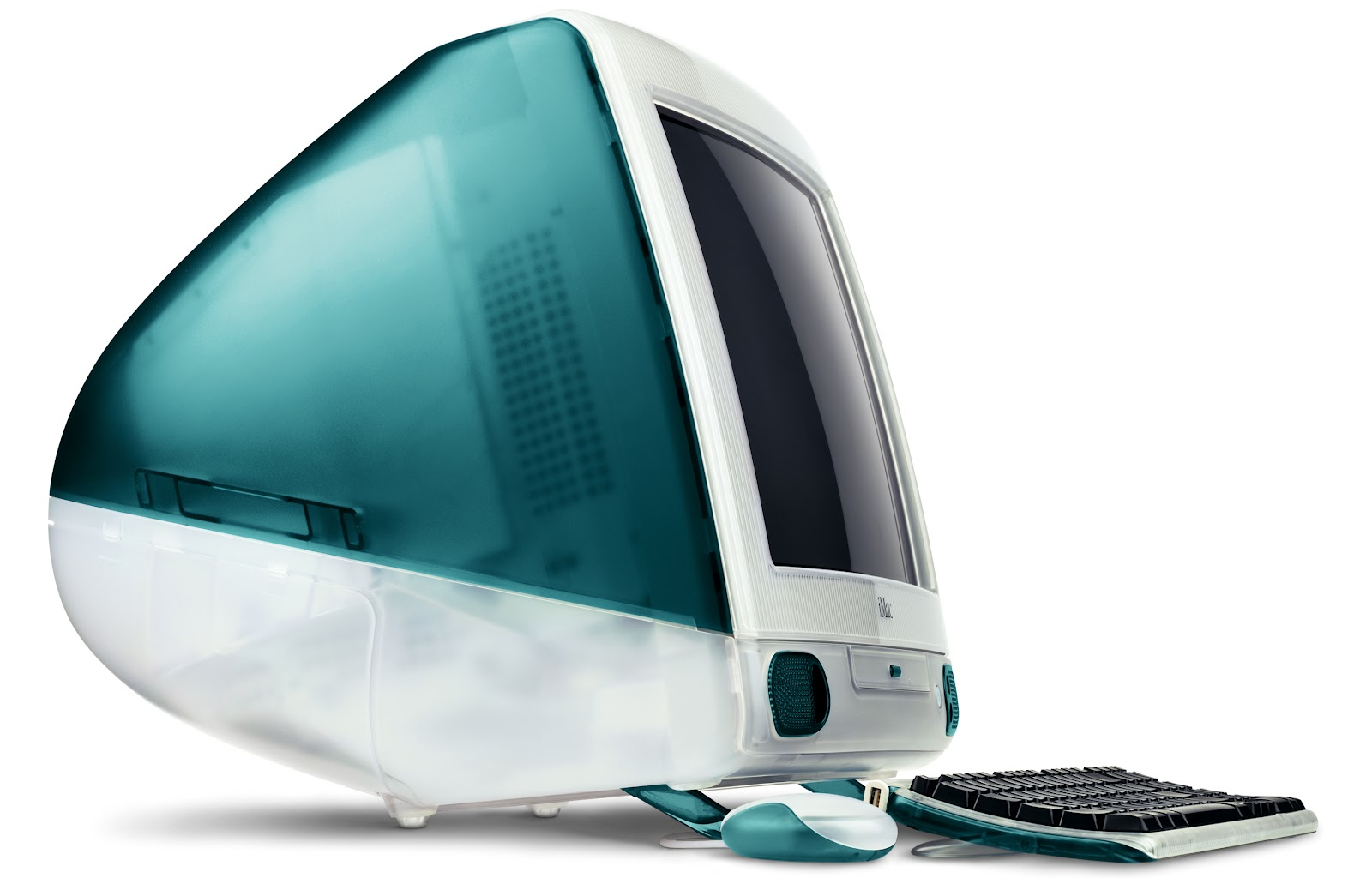
My Mac Moment
Macintosh is 30 years old. If this were "Logan's Run", January 24 would be Last Day. Or the 1960s, time to ditch the computer because, you know, don't trust anyone (or anything) over 30. Declaration: I am a Mac user, which surely surprises the long line of people accusing me of being anti-Apple. My Mac sojourn started on a Winter's day in December 1998. I've abandoned Apple a few times since, even briefly boycotting, but always come back.
My first Macintosh sighting was August 1984. I spent the summer in Chapel Hill, N.C. and often hung out on the University of North Carolina campus. The college book store displayed the Apple, which I found remarkable. I wasn't a computer geek, nor am I one now, but nevertheless found the device charming. A decade later, I started using a Windows PC and for a while was a Macintosh bigot. I particularly enjoyed ribbing the graphic designers with whom my wife worked when their Macs crashed, wiping out hours of Photoshop or QuarkXpress work. "Get a PC!" was my common retort.
Best iOS apps this week
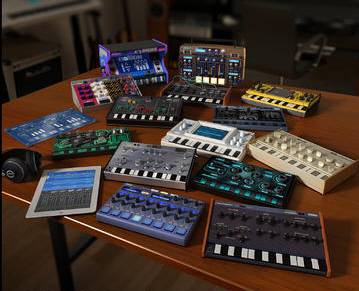
Fourth in a series. Unsurprisingly, after last week’s post-holiday rush of big and important new releases and updates, things have quietened down a little in the App Store.
There’s the usual collection of interesting apps and games, of course, but nothing massively groundbreaking this time around. That said, as ever, I’ve found plenty of apps to take up space on both my iPad and iPhone 5s.
Happy birthday to the Mac! 30 years and still going strong
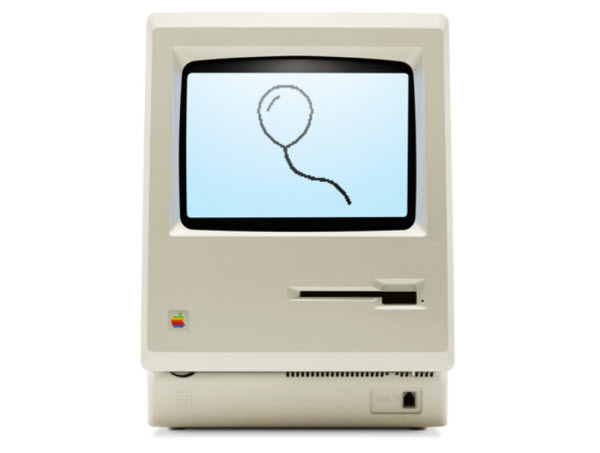
Today is a day of celebration. Entering one's 30s is something of a milestone. It’s a time to look back at achievements, gather thoughts and see where the future is going to take you. 1984 was a big year. It's a year that will be permanently associated with George Orwell, the birth of my sister (happy birthday for today, by the way! Oh, and apologies for revealing your age!) and the first Mac. Three decades ago today, as my mum and dad were welcoming their daughter into the world, the technology world was welcoming the arrival of the Macintosh.
The Apple homepage has been taken over by a birthday message to the company's baby. Click through and there's a special mini-site that features a timeline of Mac evolution over the years. The intro page is both celebratory, forward-facing and a call to arms:
Verizon results hint at weak US iPhone sales
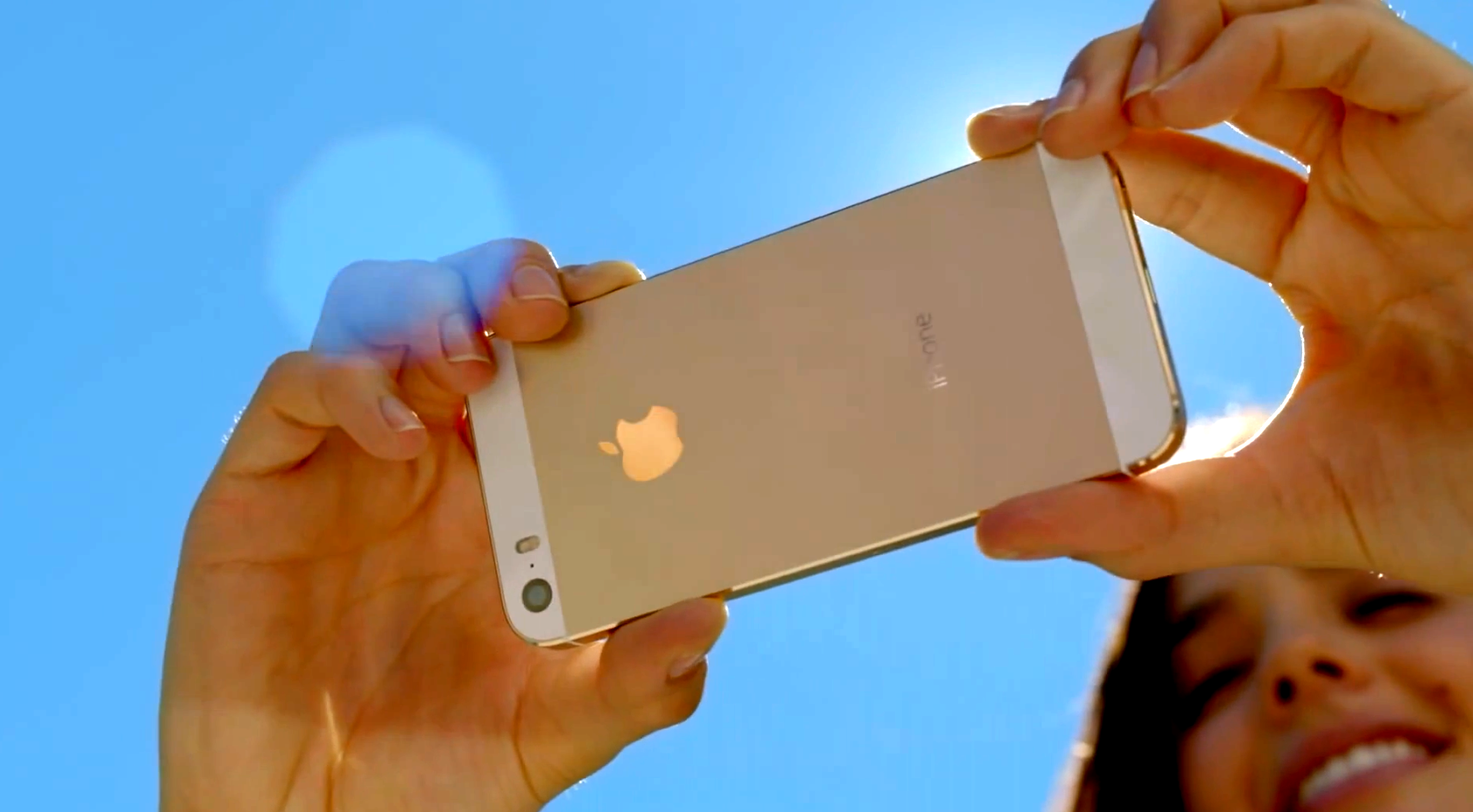
Yesterday, Verizon reported that it activated 8.8 million smartphones in Q4 2013, a 10 percent decline from the 9.8 million it activated in Q4 2012. While it declined to break out iPhone activations, we do have some data that could help us gauge the iPhone's sales performance in the US market.
The reason for the decline in Verizon's smartphone activations should be clear enough to regular readers. As smartphones have "good enough", replacement cycles have become longer. At the same time, the basis of competition in the market has shifted towards affordability and flexibility, which explains the popularity of T-Mobile's unsubsidized plans. Now, let's make an attempt to gauge how this decline affected iPhone sales at Verizon.
Dr Dre launches Beats Music to deliver the right tune at the right time
What's that? Another music streaming service? Another one?! You could be forgiven for having this reaction to the news that Dr Dre's Beats Music is now available for iOS and Android; this is a market that is already rather saturated, and music lovers are not exactly short of options when it comes to picking a service to satiate their audio needs. So any new service vying for attention has to have something rather unique to offer if it is going to stand out from the competition.
Beats Music does have a unique selling point. It is a service that is about more than just streaming music, it aims to deliver the right music according to the time of day, what you are doing and where you are. Is this sort of stream tailoring enough to win over music fans? Only time will tell, but Beats Music certainly has a fight on its hands if it is to wrestle users away from the existing services that have been established for some time.
The rise of the phablet -- shipments to hit 120 million by 2018
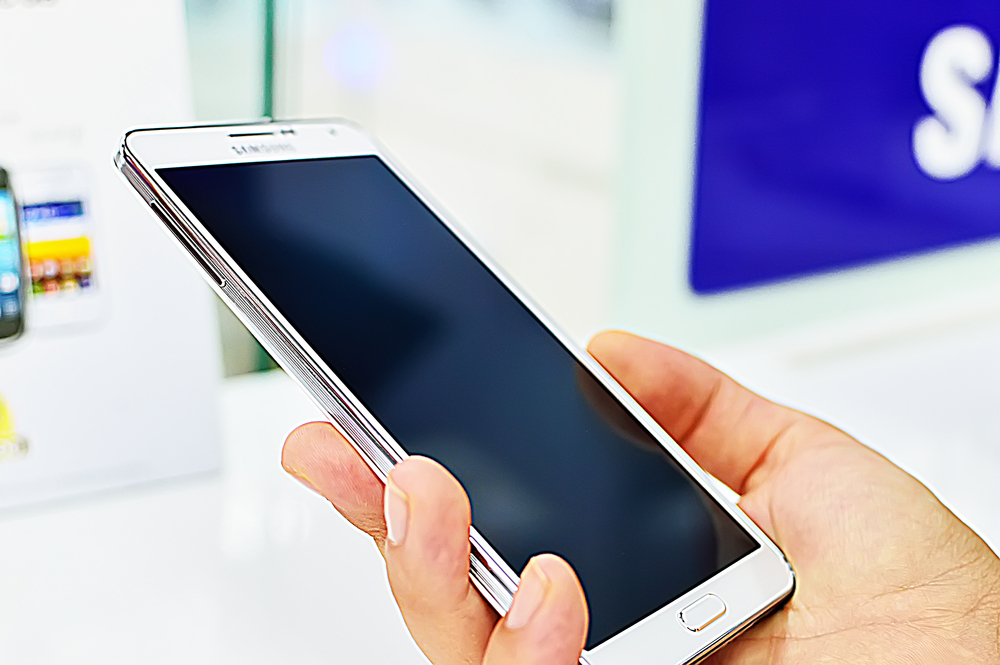
The phablet. It's a device with a silly name, but it's a market that is gaining massive momentum. Analysis by Juniper Research suggests that the number of larger-screened devices that ship will rocket by 600 percent by 2018. Projected figures show shipments jumping from around 20 million devices in 2013, to 120 million five years later. But taking into account the loose definition of a phablet it is possible that the figures could be even higher.
In fact there is no "official" definition of a phablet, at least in terms of the size of screen a device must sport in order to qualify for the title. Juniper Research acknowledges that phones with very large screens are increasingly common, with many high-end handsets featuring 5 inch - 5.5 inch displays. For the purposes of its report, Juniper Research uses the term phablet to refer to handsets that have a screen size between 5.6 inches and 6.9 inches.